Glass-top stoves look sleek, modern, and suspiciously easy to cleanuntil one wrong pan leaves a scratch that stares at you every time you boil pasta. The good news? You do not need to treat your cooktop like a museum exhibit. You simply need cookware with the right base, weight, material, and manners. Yes, cookware has manners. On a glass-top stove, the rude pans are the ones that wobble, drag, scorch, or show up with rough bottoms like they just came back from a gravel road.
The best cookware for glass-top stoves in 2024 is smooth-bottomed, flat, stable, and responsive to heat. Stainless steel, hard-anodized aluminum, ceramic nonstick, and some carefully handled carbon steel or cast iron pieces can all work well. The key is matching the cookware to the stove’s surface, your cooking habits, and your patience level for cleaning. If your weeknight dinner style is “scramble eggs while answering emails,” a nonstick skillet may be your hero. If you enjoy searing steak like a dramatic restaurant chef, stainless steel or carbon steel deserves a front-row spot.
This guide breaks down the best cookware types, top categories, buying rules, and real-world experience tips for protecting your glass cooktop while still cooking actual foodnot just admiring your stove under good lighting.
Why Glass-Top Stoves Need Special Cookware
Glass-top stoves are usually radiant electric or induction cooktops covered with a smooth ceramic-glass surface. Unlike gas burners, where flames wrap around a pan, a glass-top stove depends on direct contact between the burner zone and the bottom of the pan. That means flatness matters. A warped pan is not just annoying; it can heat unevenly, cook slowly, and waste energy.
The surface is durable, but it is not invincible. Heavy cookware dropped too hard can crack it. Rough-bottomed pans can scratch it. Sliding a gritty skillet across the surface can create tiny marks that slowly turn your elegant cooktop into a crime scene investigation board. The best cookware for glass-top stoves should sit flush, heat evenly, and move only when you intentionally lift it.
Best Overall Cookware for Glass-Top Stoves: Tri-Ply Stainless Steel
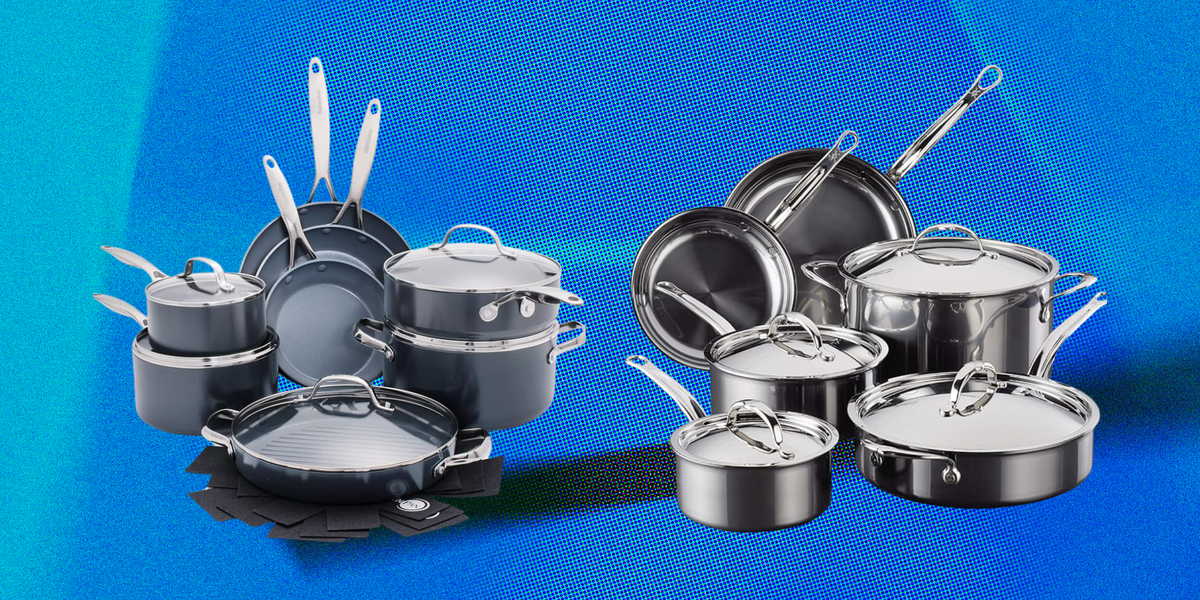
If you want one material that does almost everything well, tri-ply stainless steel is the safest all-around choice. A good stainless steel pan usually has an aluminum or copper core sandwiched between stainless layers. This gives you durability on the outside and better heat distribution inside. For glass-top stoves, look for a fully clad design or a thick, flat bonded base.
Why It Works
Stainless steel is sturdy, smooth, long-lasting, and usually compatible with radiant electric and induction cooktops when the base is magnetic. It is excellent for browning chicken, sautéing vegetables, simmering sauces, and building fondthe delicious browned bits that make pan sauces taste like you know what you are doing.
Best Examples
All-Clad D3, Tramontina Tri-Ply Clad, Made In Stainless Clad, Cuisinart MultiClad Pro, and Calphalon stainless sets are popular examples in this category. These brands are often praised because their pans sit flat, distribute heat well, and hold up to frequent use. They are not always the cheapest options, but stainless steel is the “buy once, stop blaming your pans” category.
Who Should Buy It
Choose stainless steel if you cook often, want long-term durability, and do not mind learning proper preheating and oil control. If you regularly sear meat, make pasta sauces, cook vegetables, or want cookware that can go from stovetop to oven, stainless steel is the grown-up in the kitchenresponsible, reliable, and occasionally hard to clean if you ignore it.
Best Nonstick Cookware for Glass-Top Stoves
Nonstick cookware is the weeknight peacekeeper. Eggs slide out, pancakes behave, and cleanup does not require a motivational speech. For glass-top stoves, the best nonstick pans have smooth bottoms, medium weight, and a stable base that does not warp easily. Hard-anodized aluminum with a stainless or induction-compatible base is especially practical.
Why It Works
Nonstick pans are usually lighter than stainless steel and cast iron, which makes them easier to lift instead of drag. Many modern nonstick sets are designed with flat bases that work well on smooth cooktops. They are ideal for delicate foods like eggs, fish, crepes, grilled cheese, and anything that emotionally attaches itself to stainless steel.
Best Examples
All-Clad HA1, OXO ceramic nonstick, GreenPan Valencia Pro, Calphalon ceramic nonstick, Zwilling nonstick fry pans, and Caraway ceramic cookware are strong examples depending on your budget and coating preference. Ceramic nonstick is popular with shoppers who want a PTFE-free option, while traditional nonstick often wins for slick food release.
What to Watch Out For
Nonstick cookware is not immortal. Avoid high heat unless the manufacturer says it is safe, use silicone or wood utensils, and do not stack pans without protectors. If the base warps, retire it from glass-top duty. A wobbly nonstick skillet is like a chair with one short leg: technically still there, but nobody is happy.
Best Budget Cookware for Glass-Top Stoves
You do not need to sell a kidney to cook on a glass-top stove. The best budget cookware usually comes from brands that offer stainless steel or hard-anodized aluminum sets with flat bottoms and practical pieces. Look for a 10- or 12-piece set that includes an 8-inch skillet, 10-inch skillet, saucepan, sauté pan, stockpot, and lids. Ignore sets padded with tiny utensils unless you genuinely need a spoon that looks like it came free with a cereal box.
Best Budget Picks
Tramontina Tri-Ply Clad, Cuisinart Chef’s Classic, Calphalon Classic Stainless Steel, and T-fal hard-anodized or professional nonstick lines are dependable budget-friendly options. The best value is not always the set with the most pieces. A smaller set with better construction beats an enormous set of thin pans that warp after three pasta nights.
Buying Tip
Turn the pan over and inspect the base. It should be smooth, broad, and flat. If you are shopping in person, place a ruler across the bottom or gently rock the pan on a flat shelf. If it wobbles in the store, it will wobble on your stove. That is not “rustic charm.” That is future uneven soup.
Best Ceramic Cookware for Glass-Top Stoves
Ceramic-coated cookware has become a favorite for glass-top stove owners because it is often lightweight, smooth-bottomed, colorful, and easy to clean. Most ceramic cookware is actually metal cookware with a ceramic-style nonstick coating, not solid ceramic. That is a good thing because solid glass or ceramic cookware can be poor at heat conduction and may scratch or damage some cooktops.
Why It Works
Ceramic nonstick pans typically have aluminum bodies for quick heating and stainless or magnetic bases for broader cooktop compatibility. Their smooth bottoms are gentle on glass surfaces when handled properly. They also look good enough to leave on the stove, which is helpful if your cabinets are already hosting a pan avalanche.
Best Examples
Caraway, GreenPan Valencia Pro, OXO Ceramic Professional, and Calphalon ceramic nonstick sets are popular choices. Caraway is known for design and storage accessories, GreenPan for ceramic nonstick variety, and OXO for practical performance. Choose based on your budget, oven-safe temperature, handle comfort, and whether the set includes pieces you will actually use.
Can You Use Cast Iron on a Glass-Top Stove?
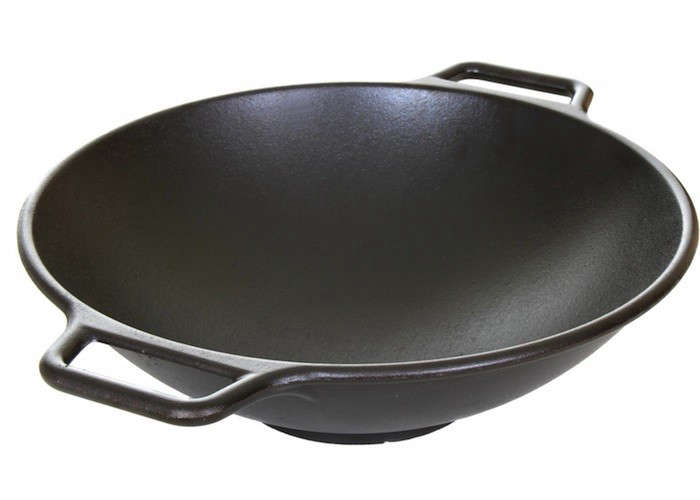
Yes, but with respect. Cast iron is heavy, magnetic, excellent at heat retention, and fantastic for searing. It can work on glass-top stoves, especially induction models, but it requires careful handling. The problem is not that cast iron refuses to cook; the problem is that it can scratch, stain, or crack the glass if slammed, slid, or used with a rough dirty bottom.
Rules for Cast Iron
Use cast iron only if the bottom is smooth and flat. Always lift it instead of sliding it. Clean the bottom before placing it on the stove. Avoid oversized pieces that trap heat beyond the burner zone. If your skillet has a raised ring, rough texture, or mysterious fossilized grease underneath, do not make your cooktop participate in that drama.
Best Use Cases
Use cast iron for steak, cornbread, roasted vegetables, smash burgers, and dishes that need steady heat. For daily boiling, quick eggs, or delicate sauces, lighter stainless or nonstick cookware is easier and safer.
What Cookware Should You Avoid on Glass-Top Stoves?
Avoid cookware with rough, ridged, chipped, or uneven bottoms. Glass cookware, stoneware, and old warped pans are usually poor choices. Thin aluminum pans can heat unevenly and may warp. Copper cookware can perform beautifully, but bare copper may discolor the cooktop or need special construction to work properly. If you love copper, choose modern copper-core or stainless-lined copper cookware with a smooth, compatible base.
Also be cautious with oversized stockpots and canners. A pot that extends far beyond the burner can trap heat and stress the glass. Match pan size to burner size whenever possible. Your stove is not asking for perfection; it is asking you not to put a giant lobster pot on a tiny heating zone and call it innovation.
How to Choose the Best Cookware for a Glass-Top Stove
1. Prioritize a Flat Bottom
Flat-bottom cookware gives better contact with the glass surface. Better contact means more even heating, faster cooking, and fewer hot spots. If the pan rocks, skips, or spins, move on.
2. Choose Medium Weight
Too light, and the pan may warp or heat unevenly. Too heavy, and it becomes a scratch-and-crack risk if handled carelessly. Medium-weight stainless steel or hard-anodized cookware is the sweet spot for most home cooks.
3. Check Induction Compatibility
If your glass-top stove is induction, cookware must have a magnetic base. The simple magnet test works: if a magnet sticks firmly to the bottom, the pan is likely induction-compatible. Radiant electric glass stoves do not require magnetic cookware, but induction does.
4. Look for Smooth Finishes
The bottom of the pan should feel smooth to the touch. Avoid exposed rough cast iron, chipped enamel, textured rings, and burnt-on residue. The cleaner the base, the kinder it is to your cooktop.
5. Buy Useful Pieces, Not Decorative Clutter
A great cookware set for glass-top stoves usually includes two skillets, one or two saucepans, a sauté pan, and a stockpot. Bonus pieces are nice, but only if they earn their cabinet space. A tiny pan that can cook three peas is not a feature; it is a conversation starter.
Best Cookware Categories for Different Cooks
Best for Everyday Families
A stainless steel tri-ply set with one nonstick skillet on the side is the most flexible setup. Use stainless for dinner and nonstick for eggs, pancakes, and reheating sticky leftovers.
Best for Beginners
Hard-anodized nonstick cookware is forgiving, easy to clean, and usually gentle on glass surfaces. It is ideal for cooks who want good results without mastering the art of stainless steel temperature control.
Best for Serious Home Cooks
Invest in fully clad stainless steel, a carbon steel skillet, and a carefully handled cast iron pan. This combination covers searing, sautéing, simmering, frying, and oven finishing.
Best for Small Kitchens
Choose a compact ceramic nonstick set or a stackable stainless steel set. A multi-use sauté pan or rondeau can replace several single-purpose pieces. Your cabinet doors will stop filing complaints.
Care Tips to Protect Your Glass-Top Stove
The easiest way to protect your glass-top stove is to lift cookware instead of sliding it. This single habit prevents many scratches. Keep pan bottoms clean, wipe spills quickly, and avoid abrasive pads. Use a cleaner made for ceramic-glass cooktops or a gentle method recommended by your appliance manual.
Let the cooktop cool before cleaning, unless your manual says otherwise for specific spills. Sugar-based spills should be handled quickly because they can bond to the hot surface. For daily cleaning, a soft cloth usually does the job. For stuck-on messes, use an approved cooktop scraper at the correct angle, not a random knife from the drawer. Your butter knife did not train for this.
My Practical Experience With Glass-Top Stove Cookware
After cooking on glass-top stoves in real kitchensthe kind where dinner, homework, and “who used the last clean fork?” all happen at oncethe biggest lesson is that the stove rewards calm cookware habits. The pan matters, but the way you use it matters just as much. A $300 skillet can scratch a cooktop if you drag it across salt crystals. A budget pan can perform beautifully if it is flat, clean, and lifted properly.
Stainless steel has been the most dependable material for everyday glass-top cooking. A 10-inch tri-ply skillet is the workhorse I would keep if I had to reduce the kitchen to only a few pieces. It handles chicken thighs, vegetables, pan sauces, fried rice, and grilled sandwiches with confidence. The trick is preheating on medium rather than blasting the burner like you are launching a rocket. Glass-top stoves can stay hot longer than expected, so stainless steel rewards patience.
For breakfast, nonstick is still king. Eggs on stainless steel can be beautiful, but only if the pan, oil, heat, and moon phase cooperate. On a busy morning, a smooth-bottom nonstick skillet makes life easier. The key is not overheating it. Medium or medium-low heat is enough for eggs and pancakes. When a nonstick pan starts to wobble or the coating wears, it is time to replace it. Sentimental cookware is sweet; scratched nonstick is not.
Ceramic cookware is excellent for cooks who care about easy cleanup and style. It feels friendly on a glass-top stove because it is often lighter than stainless and smoother than cast iron. The downside is longevity. Ceramic coatings can lose slickness over time, especially if exposed to high heat, dishwasher cycles, or metal utensils. Treat ceramic like a nice sweater: useful, attractive, but not something you attack with steel wool.
Cast iron is where people get nervous, and honestly, that nervousness is healthy. I use cast iron on glass only when I need what cast iron does best: high heat retention and a serious sear. I never slide it. I set it down gently, cook, let it cool, and pick it straight up. If the bottom feels rough, dirty, or uneven, it does not go on the glass. Cast iron is wonderful, but it is not the pan to use while distracted and carrying on a dramatic phone call.
The most underrated glass-top cookware feature is a wide, stable base. Tall narrow pots can feel tippy, especially when full. A saucepan with a broad bottom heats more evenly and feels safer. A sauté pan with straight sides and a lid is also incredibly useful because it can brown, simmer, steam, shallow-fry, and finish pasta. If you are building a cookware collection slowly, start with one stainless skillet, one nonstick skillet, one saucepan, one sauté pan, and one stockpot. That setup beats most oversized boxed sets.
Finally, cleaning habits make the difference between a glass-top stove that stays attractive and one that looks like it fought a raccoon. Wipe the surface often. Check the bottom of pans. Do not cook over old burnt spills. Keep a microfiber cloth nearby. These habits are boring, yesbut so is brushing your teeth, and everyone appreciates the results.
Conclusion
The best cookware for glass-top stoves of 2024 is not defined by one magical brand. It is defined by smart construction: flat bottoms, smooth bases, moderate weight, reliable heat distribution, and cooktop compatibility. For most people, tri-ply stainless steel is the best overall choice, ceramic or hard-anodized nonstick is best for easy cleanup, and cast iron or carbon steel can be excellent specialty tools when handled carefully.
If you are replacing old cookware, start with the pieces you use every week. A quality skillet, saucepan, sauté pan, and stockpot will do more for your cooking than a 20-piece set full of lid-shaped mysteries. Choose cookware that sits flat, feels balanced, and matches your stove type. Then lift, do not slide. Clean gently. Cook happily. Your glass-top stove will stay glossy, your food will cook better, and your pans will stop acting like tiny kitchen villains.