Race day has a special kind of electricity. The bib is pinned, the playlist is ready, the port-a-potty line is moving at the speed of government paperwork, and your shoes suddenly feel more important than your mortgage. Whether you are running a 5K, half marathon, marathon, or trail race, the best running gear to use on race day is not necessarily the newest, flashiest, or most expensive gear. It is the gear that has already earned your trust during training.
The golden rule is simple: never try anything brand new on race day. New shoes, new socks, new shorts, new sports bra, new gels, new hydration belt, new “miracle” anti-chafe creamsave the experiments for training runs. Race day is not a product-testing laboratory. It is the final exam, and your gear should already know the answers.
This guide breaks down the most important race day running gear, from shoes and clothing to hydration, nutrition, accessories, weather protection, and recovery items. The goal is comfort, safety, performance, and one more tiny but important detail: finishing the race without silently negotiating with your socks.
Why Race Day Running Gear Matters
Good running gear does three jobs. First, it helps you move efficiently. Second, it reduces problems such as blisters, chafing, overheating, dehydration, or lost fuel. Third, it gives you mental confidence. When your shoes feel right, your watch is charged, your gels are packed, and your shorts are not plotting against you, your brain has more room to focus on pace, breathing, and enjoying the event.
The best race day gear is personal. A beginner running a local 5K may need only comfortable shoes, moisture-wicking clothes, and a bib. A marathoner may need fuel, hydration, anti-chafe balm, GPS tracking, weather layers, and a well-organized gear-check bag. A trail runner may need a hydration vest, trail shoes, emergency supplies, and sun protection. The distance, weather, course rules, and your body all influence the final checklist.
Race Day Shoes: Your Most Important Gear Choice
Running shoes are the foundation of race day performance. The best pair is not automatically the lightest carbon-plated super shoe or the newest model on the shelf. The best race day shoes are the ones that match your foot shape, running style, distance, pace, and comfort needs.
How to Choose Race Day Running Shoes
For shorter races, many runners prefer lightweight shoes with a responsive feel. For half marathons and marathons, cushioning becomes more important because fatigue changes how your feet strike the ground. For trail races, traction and stability matter more than shaving a few ounces. If the course includes gravel, mud, roots, or steep descents, trail-running shoes with reliable grip are worth their weight in post-race happiness.
Make sure your race shoes are broken in but not worn out. A good rule is to run several workouts in them before race day, including at least one long run or race-pace session. Shoes with hundreds of miles may have compressed cushioning, while brand-new shoes may create hot spots. The sweet spot is familiar, comfortable, and still supportive.
Should You Wear Carbon-Plated Shoes?
Carbon-plated racing shoes can help some runners feel more efficient, especially at faster paces. However, they are not magic hoverboards. They often change foot mechanics, feel less stable at slower speeds, and may stress calves or ankles if you are not used to them. If you plan to wear super shoes, train in them first. Your calves deserve advance notice.
Running Socks: Small Gear, Big Consequences
Socks may look harmless, but on race day they have the power to become tiny villains. Avoid cotton socks because cotton holds moisture, increases friction, and can raise the risk of blisters. Choose moisture-wicking socks made from synthetic blends, merino wool, or technical running fabric.
The best running socks fit snugly without bunching. Some runners prefer thin socks for a close shoe fit, while others like light cushioning for longer distances. If you are blister-prone, consider double-layer socks, toe socks, or targeted padding. Whatever you choose, test the exact sock-and-shoe combination during training. A sock that feels heavenly at mile 3 can become a medieval instrument at mile 18.
Moisture-Wicking Clothing: Dress for the Finish, Not the Start
Race morning can be chilly, but your body will heat up once you start moving. A common mistake is overdressing because you feel cold in the start corral. Dress for the temperature you expect during the race, not the shivering drama of standing still before the gun.
Best Race Day Tops
Choose a lightweight, breathable, moisture-wicking shirt or singlet. Technical fabrics help move sweat away from your skin and dry faster than cotton. For hot races, a sleeveless top or airy short-sleeve shirt works well. For cooler weather, a fitted long-sleeve base layer may be enough. In rain or wind, a lightweight running jacket can protect you without turning you into a portable sauna.
Best Race Day Bottoms
Running shorts, half tights, leggings, or split shorts can all work, depending on personal comfort and weather. The key is to avoid fabric that rides up, sags, rubs, or stores sweat like a kitchen sponge. For longer races, pockets can be useful for gels, chews, keys, or emergency tissues. Yes, emergency tissues count as performance gear. Ask any runner after coffee.
Sports Bras and Support Gear
A well-fitted sports bra is essential for many runners. Race day is the wrong time to tolerate straps that dig, bands that chafe, or support that disappears after mile 4. Choose a high-support, moisture-wicking design tested on long runs. Body glide or anti-chafe balm under straps and bands can prevent painful rubbing.
Anti-Chafe Protection: The Unsung Hero of Race Day
Chafing is one of those problems that sounds minor until it happens. Then it becomes your entire personality. Common areas include inner thighs, underarms, sports bra lines, nipples, waistbands, toes, and anywhere fabric or skin rubs repeatedly.
Use anti-chafe balm, petroleum-free running lubricant, or skin-safe protective cream on known hot spots before the race. For longer distances, some runners carry a tiny travel-size balm. Men often use nipple guards or bandages during half marathons and marathons. This may sound dramatic, but a bleeding shirt at mile 20 is considerably more dramatic.
Hydration Gear: Bottle, Belt, Vest, or Aid Stations?
Your hydration setup depends on race distance, weather, course support, and personal preference. Many organized road races provide water and sports drink at aid stations, but some runners prefer carrying their own fluid to control timing and product choice.
Handheld Bottles
A handheld bottle is simple and useful for 5Ks, 10Ks, half marathons, hot races, and runners who dislike waiting for aid stations. Look for a comfortable hand strap and a bottle size that does not affect your arm swing.
Hydration Belts
A hydration belt can carry small bottles, gels, keys, and a phone. It works well for runners who want storage without wearing a vest. The belt should sit securely without bouncing. Test it at race pace, because a belt that behaves nicely on an easy jog may become a hula hoop during intervals.
Hydration Vests
Hydration vests are popular for trail races, ultras, and long unsupported events. They can hold soft flasks, a bladder, fuel, layers, and safety gear. However, some major road races restrict backpacks or hydration packs, so always check official race rules before packing one. If a vest is allowed, make sure it fits close to the body and does not rub your neck, ribs, or shoulders.
Fuel and Nutrition: Pack What Your Stomach Already Knows
For races longer than about an hour, fuel becomes important. Common options include energy gels, chews, sports drinks, waffles, dates, bars, or other easy-to-digest carbohydrates. The best fuel is the one your stomach accepts while running. Your digestive system has voting rights, and on race day it can stage a very persuasive protest.
Many marathoners aim to take carbohydrates regularly during the race rather than waiting until they feel empty. Timing varies, but a common approach is to take fuel every 30 to 45 minutes with water. Practice this during long runs so you know what works. Avoid trying a new gel from the race expo just because the packaging has lightning bolts on it.
Electrolytes and Sodium
Electrolytes, especially sodium, help support fluid balance during longer or hotter races. Heavy sweaters, salty sweaters, and runners racing in heat may benefit from sports drinks, electrolyte tablets, or salty fuel. Be careful not to overdrink plain water, especially during long events. Hydration should be intentional, not a contest to see who can become a human aquarium.
GPS Watch and Pacing Tools
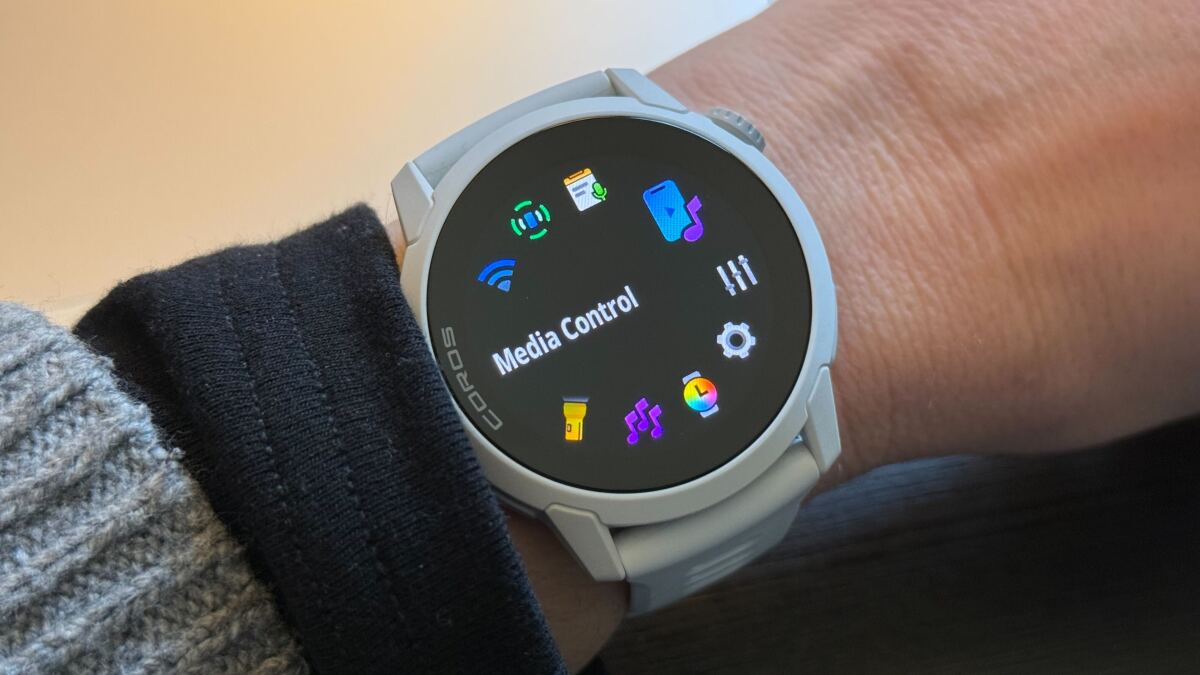
A GPS running watch can help track pace, distance, heart rate, elapsed time, and splits. It is especially helpful in longer races where early pacing matters. Going out too fast because the crowd is roaring and your adrenaline is doing cartwheels is a classic race day mistake.
Charge your watch the night before. Set the data screen to show only what you actually need, such as current pace, average pace, lap pace, distance, and time. Too many numbers can turn your wrist into a tiny anxiety billboard. If you use pace alerts or race mode, test the settings before race day.
Race Belt, Bib Clips, and Storage
A race belt is a convenient way to attach your bib and carry fuel. It also saves you from pinning holes into a favorite singlet. Some races provide safety pins, but it is smart to bring your own. Bib clips are another option if you dislike pins.
Storage matters more than many runners realize. If your shorts, belt, or vest cannot hold gels securely, you may spend the race sounding like a vending machine. Choose pockets that are easy to reach while moving and secure enough to prevent bounce.
Phone, Headphones, and Race Rules
Many runners carry a phone for music, photos, emergency contact, maps, or meeting family after the finish. Use a running belt, shorts pocket, arm sleeve, or vest pocket that keeps the phone stable. A phone bouncing against your thigh for 13.1 miles is not motivation; it is percussion.
If you run with headphones, check race rules first. Some events discourage or restrict them for safety reasons. Bone-conduction headphones or one-ear listening can help you stay aware of announcements, volunteers, cyclists, other runners, and course conditions. Keep volume low enough to hear what is happening around you.
Weather-Specific Race Day Gear
Weather can make or break your race day setup. Always check the forecast, but prepare for changes. Spring and fall races can start cold and finish warm. Summer races can turn hydration into a strategy game. Rain can transform ordinary clothing into sandpaper with sleeves.
Hot Weather Gear
For hot races, wear light-colored, breathable clothing. A visor or lightweight hat can shield your face while letting heat escape. Sunglasses reduce glare, and sunscreen protects exposed skin. Choose sweat-resistant sunscreen and apply it before leaving for the race. Do not forget ears, neck, shoulders, and the back of your hands.
Cold Weather Gear
For cold starts, use throwaway layers such as an old sweatshirt, gloves, or a disposable poncho. Many races collect discarded clothing for donation, but check event details. Thin layers are usually better than one bulky layer. Gloves are especially helpful because cold hands can make the whole body feel miserable.
Rainy Weather Gear
For rain, consider a cap with a brim to keep water out of your eyes, a light water-resistant jacket, and anti-chafe balm in extra places. Wet fabric increases rubbing. Pack dry socks and warm clothes for after the race. A trash bag with head and arm holes may not win a fashion award, but it is a start-line classic for a reason.
Trail Race Gear: When the Course Has Opinions
Trail races require extra planning because terrain, weather, and aid station spacing vary widely. Trail shoes with grip are essential. A hydration vest may be useful or required. Depending on the race, mandatory gear may include a whistle, headlamp, emergency blanket, jacket, first-aid supplies, or minimum fluid capacity.
For trail events, test every pocket and strap. Downhill running can make loose items bounce aggressively. Use soft flasks, secure fuel, and pack layers according to the race director’s instructions. In trail running, “just wing it” is not a plan; it is how you end up emotionally attached to a granola bar you dropped in a creek.
Post-Race Gear: Do Not Forget Future You
The finish line is glorious, but the minutes after finishing can be surprisingly uncomfortable. Your body cools quickly, your feet may swell, and sweaty clothes can make you cold even on mild days. Pack a post-race bag if the event offers gear check.
Good post-race items include dry clothes, a warm layer, recovery sandals or roomy shoes, clean socks, wipes, a snack, a water bottle, and any medication you normally need. A small towel can also be useful. Future You will appreciate Present You for thinking beyond the medal photo.
Complete Race Day Running Gear Checklist
Essential Gear
- Tested race day running shoes
- Moisture-wicking running socks
- Breathable top or singlet
- Running shorts, tights, or leggings
- Supportive sports bra if needed
- Race bib and safety pins or bib clips
- GPS watch or timing device
- Fuel such as gels, chews, or sports drink
- Hydration bottle, belt, vest, or aid-station plan
- Anti-chafe balm or protective patches
Weather and Comfort Gear
- Hat, visor, or headband
- Sunglasses
- Sunscreen
- Light gloves for cold starts
- Throwaway layer or poncho
- Light rain jacket if needed
- Arm sleeves for changing temperatures
Optional But Useful Gear
- Race belt or fuel belt
- Phone holder
- Headphones if allowed
- Portable charger for destination races
- Tissues or small wipes
- Extra hair ties
- Small blister bandage or tape
Post-Race Bag
- Dry shirt and warm layer
- Clean socks
- Recovery sandals or roomy shoes
- Snack with carbohydrates and protein
- Water or electrolyte drink
- Face wipes or towel
- Light jacket or sweatshirt
Common Race Day Gear Mistakes to Avoid
The first mistake is wearing something new. Even if it looks perfect, race day pressure reveals hidden flaws. A waistband may roll, a seam may rub, or a shoe may pinch. The second mistake is ignoring race rules. Some events limit bag size, hydration packs, headphones, costumes, poles, or bottle types. Read the official guide before packing.
The third mistake is carrying too much. Extra gear may feel reassuring at home but annoying at mile 10. The fourth mistake is underpacking fuel. If you depend entirely on aid stations, confirm what products they offer and where they are located. The fifth mistake is forgetting post-race comfort. A dry hoodie can feel more luxurious than a five-star hotel after a cold, wet finish.
How to Test Your Race Day Gear Before the Event
Plan at least one full dress rehearsal two to four weeks before race day. Wear the exact shoes, socks, shorts, shirt, bra, watch, belt, hat, and fuel setup you plan to use. Run at the same time of day if possible. Practice drinking, opening gels, checking your watch, and using pockets while moving.
After the run, inspect your body and gear. Any hot spots? Any rubbing? Did your belt bounce? Did your socks bunch? Did your stomach accept the fuel? Did your watch settings help or distract you? Adjust early so race day becomes familiar instead of surprising.
Experience Section: Real-World Lessons About Race Day Gear
One of the most useful race day lessons is that comfort beats fantasy. Many runners imagine race day as a movie scene: sleek outfit, perfect stride, sun rising gently, crowd cheering, zero sweat somehow. Real race day is more practical. The best gear is the gear that disappears. You should not think about your socks, waistband, hydration bottle, or hat every three minutes. If a piece of gear keeps asking for attention, it has failed its audition.
During long races, small irritations grow. A shirt tag that feels mildly annoying during warm-up can become a dramatic subplot by mile 15. A gel pocket that bounces a little during training can feel like a tiny door knocker on your hip after two hours. A shoe lace that comes untied once during a long run should be double-knotted on race day. These details sound fussy until they save your race.
Another experience-based tip is to organize gear the night before. Lay everything out from head to toe: hat, sunglasses, top, bib, shorts, socks, shoes, watch, fuel, hydration, anti-chafe balm, and post-race clothes. This “flat runner” method reduces morning stress. Race morning already has enough drama with alarms, parking, nerves, and bathroom timing. You do not need a scavenger hunt for safety pins at 5:12 a.m.
It also helps to think in systems. Shoes and socks are one system. Shorts and anti-chafe balm are another. Fuel and hydration work together. Weather layers must match the start area, race pace, and finish area. For example, if you take gels, you need water. If you wear a hat in summer, you may also need sunscreen on your neck. If you check a bag, you need warm clothes for after the finish. Race gear is not a pile of objects; it is a plan you wear and carry.
For destination races, pack race-critical items in your carry-on if flying. Shoes, socks, race outfit, watch, and fuel should stay with you. Checked luggage usually arrives, but “usually” is not comforting when your marathon shoes are touring another airport. Bring familiar breakfast or pre-race snacks too. Hotel buffets are wonderful until the only available option is mystery eggs and a muffin the size of a bicycle helmet.
Finally, remember that confidence is part of performance. When your gear has been tested, packed, and matched to the conditions, you stand at the start line calmer. You know where your gels are. You know your shoes work. You know your shorts will not betray you. That calm saves energy. And on race day, saved energy is speed, patience, and maybe even a smile for the finish-line camera.
Conclusion: The Best Race Day Gear Is the Gear You Trust
The best running gear to use on race day is not about buying every shiny accessory in the running store. It is about choosing gear that supports your body, suits the weather, follows race rules, and has already proven itself in training. Start with tested shoes, technical socks, moisture-wicking clothing, anti-chafe protection, smart hydration, familiar fuel, and a practical post-race bag.
Race day is exciting because so much is unpredictable: weather, crowds, nerves, hills, and how your legs feel when the course gets serious. Your gear should not be one of the surprises. Choose it early, test it honestly, pack it carefully, and let it do what great running gear does best: stay out of your way while you chase the finish line.
Note: Always review your official race guide before event day because gear-check policies, hydration pack rules, headphone guidelines, and prohibited items can vary by race.