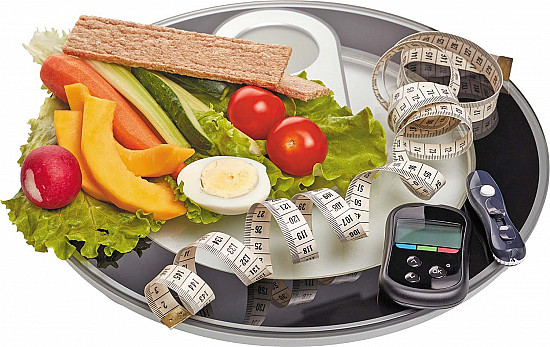
Blood sugar used to sound like something only doctors, diabetes educators, and people carrying glucose meters needed to think about. For everyone else, it lived in the same mental drawer as cholesterol numbers, dental floss, and that gym membership receipt you swear you will use soon. But glucose is not just a diabetes topic. It is an everyday energy topic, a hunger topic, a mood topic, a sleep topic, and yes, occasionally, a “why did I eat one muffin and suddenly need a nap under my desk?” topic.
The case for watching your blood sugar is not about turning every meal into a science experiment or panicking over a banana. It is about learning how your body responds to food, stress, sleep, movement, illness, and timing. For people with diabetes, blood glucose monitoring can be medically essential. For people with prediabetes, it may provide motivation and early warning signs. For people without diabetes, formal monitoring is not usually necessary, but paying attention to blood sugar-friendly habits can still lead to steadier energy, fewer cravings, better weight management, and a healthier long-term metabolism.
Think of blood sugar like traffic on a busy highway. A little movement is normal. Cars come in, cars go out, and the system keeps flowing. Trouble starts when there are sudden traffic jams, reckless speed changes, or a pileup at 3 p.m. involving coffee, cookies, and regret. Watching blood sugar means learning how to keep traffic moving smoothly.
What Blood Sugar Actually Means
Blood sugar, or blood glucose, is the main sugar found in your blood. It comes mostly from the carbohydrates you eat, including fruits, grains, beans, starchy vegetables, milk, sweets, and many processed foods. After digestion, glucose enters the bloodstream, where insulin helps move it into cells for energy.
That process is supposed to be elegant. You eat, glucose rises, insulin helps shuttle glucose into cells, and levels gradually return to a healthy range. But when the body cannot make enough insulin or cannot use insulin efficiently, glucose can stay elevated. Over time, chronically high blood sugar may damage blood vessels and nerves and increase the risk of serious health problems.
Low blood sugar can also be dangerous, especially for people using insulin or certain diabetes medications. Symptoms may include shakiness, sweating, hunger, dizziness, confusion, fast heartbeat, or weakness. High blood sugar may cause thirst, frequent urination, blurry vision, fatigue, slow wound healing, and numbness or tingling in the hands or feet. The tricky part is that prediabetes and early type 2 diabetes often produce no obvious symptoms, which is why screening matters.
Why Blood Sugar Deserves More Attention
The United States has a blood sugar problem hiding in plain sight. Millions of Americans have diabetes, and many more have prediabetes. Prediabetes means blood glucose levels are higher than normal but not yet high enough to be classified as diabetes. It is not a harmless waiting room. It is a flashing dashboard light that says, “Please check the engine before smoke appears.”
The good news is that blood sugar is highly responsive to everyday habits. Food choices, portion sizes, physical activity, sleep quality, stress, medications, illness, menopause, and meal timing can all influence glucose. That means the story is not written in stone. Genetics matter, but daily behavior also matters, and small changes can create measurable improvements.
Watching your blood sugar does not always mean wearing a continuous glucose monitor. For many people, it means getting recommended screenings, understanding A1C and fasting glucose, noticing how meals affect energy, and building routines that avoid dramatic spikes and crashes.
The Main Blood Sugar Tests to Know
A1C Test
The A1C test estimates your average blood sugar over the past two to three months. It does not require fasting and is commonly used to screen for prediabetes, diagnose diabetes, and monitor diabetes management. In general, an A1C below 5.7% is considered normal, 5.7% to 6.4% falls in the prediabetes range, and 6.5% or higher may indicate diabetes when confirmed by a health care professional.
Fasting Blood Sugar
A fasting blood sugar test measures glucose after you have not eaten overnight. A result of 99 mg/dL or below is generally considered normal. A result from 100 to 125 mg/dL may indicate prediabetes, while 126 mg/dL or higher on separate testing may indicate diabetes.
Oral Glucose Tolerance Test
This test measures blood sugar before and after drinking a glucose-containing liquid. It is often used during pregnancy to screen for gestational diabetes and may also help diagnose prediabetes or diabetes in certain situations.
Home Glucose Monitoring
People with diabetes may use a finger-stick blood glucose meter or a continuous glucose monitor. A meter uses a small drop of blood, while a CGM uses a sensor placed under the skin to estimate glucose levels throughout the day and night. The right method depends on the person’s condition, medications, risk of low blood sugar, and treatment plan.
Do People Without Diabetes Need to Track Blood Sugar?
This is where the conversation gets interesting. Continuous glucose monitors have become popular among wellness enthusiasts, athletes, biohackers, and people who simply enjoy turning lunch into a data dashboard. CGMs can reveal patterns: oatmeal may spike one person’s glucose, while rice may affect another person differently. A walk after dinner may flatten a rise. Poor sleep may make breakfast glucose climb higher than expected.
However, current evidence does not show that healthy people without diabetes clearly benefit from routine CGM use. For most people without blood sugar problems, periodic screening through a health care provider is enough. Wearing a sensor may be interesting, but interesting is not the same as medically necessary. A CGM can also create anxiety, over-interpretation, and unnecessary food restriction if the numbers become an obsession.
A balanced view is best: glucose data can be useful for some people, especially those with diabetes, insulin use, frequent lows, pregnancy-related concerns, or prediabetes. But for the average healthy adult, the biggest wins usually come from proven habits: eating fiber-rich foods, avoiding sugary drinks, exercising regularly, sleeping well, and managing stress. In other words, you may not need a gadget to tell you that a giant soda and a lonely doughnut are not exactly a metabolic love letter.
What Causes Blood Sugar Spikes?
Blood sugar spikes happen when glucose rises quickly after a meal or snack. Some rise is normal, especially after carbohydrate-containing foods. But frequent sharp spikes followed by crashes may leave you tired, hungry, foggy, irritable, or craving more quick fuel.
Common spike triggers include large portions of refined carbohydrates, sugary drinks, desserts eaten alone, low-fiber meals, irregular eating schedules, poor sleep, chronic stress, illness, and lack of movement. A bowl of cereal with sweetened coffee may hit the bloodstream faster than a breakfast with eggs, berries, whole-grain toast, and avocado. The difference is not magic. It is fiber, protein, fat, portion size, and digestion speed.
Carbohydrates are not the villain. Your body needs them. The issue is quality and context. Beans, lentils, oats, fruit, vegetables, and whole grains behave differently from candy, soda, white bread, and ultra-processed snacks. Pairing carbohydrates with protein, healthy fats, and fiber slows digestion and can help smooth glucose response.
How Stable Blood Sugar Supports Energy and Mood
Many people recognize the feeling of a blood sugar roller coaster even if they have never measured it. You eat something sweet or highly refined, feel temporarily energized, then crash into fatigue, hunger, or irritability. Suddenly, your inbox looks offensive, your coworker breathes too loudly, and the vending machine starts whispering your name.
Stable blood sugar supports steadier energy because your cells receive fuel more gradually. It may also help reduce cravings. When blood sugar drops too low or falls quickly, the brain wants fast energy, and fast energy usually means sugar or refined carbs. That is why skipping meals often backfires. By the time dinner arrives, your body is not requesting a balanced meal; it is negotiating like a raccoon in a bakery dumpster.
Balanced meals can help. A practical plate might include non-starchy vegetables, a protein source, a high-fiber carbohydrate, and a modest amount of healthy fat. For example, grilled salmon with roasted vegetables and brown rice; turkey chili with beans; Greek yogurt with berries and nuts; or tofu stir-fry with vegetables and quinoa.
Blood Sugar and Heart Health
Blood sugar is not isolated from the rest of the body. Diabetes is strongly connected with cardiovascular disease. High blood glucose can damage blood vessels, while related conditions such as high blood pressure, abnormal cholesterol, inflammation, and excess abdominal fat can further raise heart risk.
This is why watching blood sugar is not just about avoiding diabetes. It is part of a broader metabolic health picture. Healthy glucose habits often overlap with heart-healthy habits: eating whole foods, limiting added sugars and refined carbohydrates, staying active, avoiding smoking, managing blood pressure, and maintaining a healthy weight.
A Mediterranean-style eating pattern is often recommended because it emphasizes vegetables, fruits, beans, lentils, nuts, seeds, whole grains, fish, olive oil, and lean proteins. It does not require perfection. It simply shifts the daily menu away from ultra-processed foods and toward ingredients your great-grandmother would recognize without needing a barcode scanner.
Simple Ways to Keep Blood Sugar Steadier
1. Build Meals Around Fiber
Fiber slows digestion and helps reduce sharp glucose swings. Good sources include vegetables, beans, lentils, berries, oats, chia seeds, nuts, and whole grains. If your plate looks beige from edge to edge, invite some plants to the party.
2. Add Protein to Breakfast
A high-sugar breakfast can set up hunger and cravings later. Try eggs, Greek yogurt, cottage cheese, tofu, lean meats, beans, or protein-rich smoothies with unsweetened ingredients. Protein helps keep you full and can soften the glucose impact of carbohydrates.
3. Watch Liquid Sugar
Soda, sweet tea, energy drinks, fruit drinks, and heavily sweetened coffees can raise blood sugar quickly because liquid sugar is absorbed fast and does not come with much fiber or fullness. Water, unsweetened tea, sparkling water, and black coffee are better everyday choices.
4. Walk After Meals
A 10- to 20-minute walk after eating can help muscles use glucose. It does not need to be heroic. You do not need a sweatband, a whistle, or a motivational montage. Just move. Your muscles are excellent glucose sponges when you use them.
5. Keep Meal Timing Reasonable
Going too long without eating may lead to overeating later. Regular meals and planned snacks can help prevent extreme hunger and reduce glucose swings, especially for people who are prone to cravings or energy dips.
6. Sleep Like It Matters
Poor sleep can worsen insulin resistance and increase appetite. A consistent sleep schedule, reduced evening screen time, and a dark, cool bedroom can support healthier blood sugar patterns. Sleep is not laziness; it is metabolic maintenance.
7. Manage Stress Before It Manages You
Stress hormones can raise blood sugar, even when food choices are reasonable. Breathing exercises, walking, stretching, prayer, journaling, therapy, music, and time outdoors can all help. The goal is not to eliminate stress completely. The goal is to stop letting every email turn into a biochemical emergency.
What About Wearables and Glucose Gadgets?
Technology can be helpful, but not all gadgets are created equal. FDA-authorized blood glucose meters and continuous glucose monitors can be important tools for people who need accurate glucose information. But smartwatches and smart rings that claim to measure blood sugar without piercing the skin should be avoided for medical decision-making unless they are specifically authorized for that use. Inaccurate glucose readings can be dangerous, especially for people using insulin or medications that lower blood sugar.
If your health depends on accurate blood glucose measurements, talk with your health care provider about the right device. Do not let a flashy gadget with a moon-phase sleep score and a motivational app voice become your endocrinologist.
When to Talk to a Health Care Professional
You should ask about blood sugar testing if you are age 35 or older, have overweight or obesity, have a family history of diabetes, had gestational diabetes, have high blood pressure, have heart disease, are physically inactive, or have symptoms of high or low blood sugar. People from certain racial and ethnic groups may also have higher risk and may benefit from earlier screening.
If you already have diabetes, ask your clinician these practical questions: What is my target blood sugar range? How often should I check? What should I do if my numbers are too high or too low? How do food, exercise, stress, illness, and medication affect my readings? What A1C goal is appropriate for me?
Blood sugar goals should be personalized. A healthy target for one person may not be right for another, especially for older adults, pregnant people, people with kidney disease, or anyone at risk for low blood sugar. Online charts are useful for education, but your medical plan should come from a qualified professional who knows your health history.
Real-Life Experiences: What Watching Blood Sugar Teaches You
One of the most useful things about paying attention to blood sugar is that it turns vague advice into personal feedback. Everyone has heard “eat healthier,” but that phrase can be about as helpful as “be better at taxes.” Watching patterns makes the advice more concrete.
For example, someone may notice that a sweet breakfast pastry gives them energy for 30 minutes, followed by a heavy crash before lunch. That same person may try oatmeal with nuts, cinnamon, and Greek yogurt and realize they feel full and focused for hours. The lesson is not “pastries are evil.” The lesson is that breakfast composition affects the rest of the morning.
Another common experience is the after-lunch slump. Many office workers assume they are lazy or under-caffeinated when the real issue may be a large refined-carbohydrate lunch, poor sleep, dehydration, or sitting motionless after eating. A simple experiment can help: choose a balanced lunch with protein, vegetables, and fiber-rich carbohydrates, then walk for 10 minutes afterward. Many people find they return to work clearer and less snack-hungry.
Parents often experience blood sugar lessons through family routines. A child who eats a sugary snack alone may become energetic, then cranky and hungry again quickly. Pairing fruit with peanut butter, yogurt, cheese, or nuts can create a steadier afternoon. Adults are not that different. We are just taller snack machines with calendars.
People with prediabetes often describe blood sugar awareness as a wake-up call. The numbers make an invisible risk visible. Instead of waiting for a diagnosis of type 2 diabetes, they can start making changes: replacing sweet drinks, walking after dinner, adding vegetables, losing a modest amount of weight if needed, and improving sleep. These changes may feel small, but small habits repeated daily can become powerful.
For people with diabetes, monitoring can provide safety and confidence. A glucose meter or CGM can show whether medication, meals, activity, illness, or stress is pushing glucose too high or too low. It can also reduce guesswork. Instead of wondering why they feel shaky, tired, thirsty, or foggy, they can check and respond according to their care plan.
There is also an emotional side. Blood sugar data can be empowering, but it can also become stressful. Numbers should inform decisions, not define self-worth. A high reading is not a moral failure. It is information. Maybe the portion was larger than expected. Maybe stress was high. Maybe sleep was poor. Maybe medication needs adjustment. The goal is curiosity, not shame.
The best experience with blood sugar awareness is practical, flexible, and human. You learn which meals carry you well, which habits trigger cravings, and which routines help you feel steady. You learn that walking counts, sleep counts, stress counts, and breakfast definitely counts. You learn that the body is not a calculator; it is a living system. Treat it with consistency, and it often responds with more energy, better focus, and fewer dramatic negotiations with the cookie jar.
Conclusion
The case for watching your blood sugar is not a case for fear. It is a case for awareness. Blood glucose affects energy, appetite, mood, long-term metabolic health, and, for people with diabetes, daily medical safety. You do not need to obsess over every bite or chase perfect numbers. Instead, focus on the habits that repeatedly prove useful: regular screening, balanced meals, more fiber, enough protein, fewer sugary drinks, consistent movement, better sleep, stress management, and medical guidance when needed.
For some people, watching blood sugar means using a prescribed monitor. For others, it means knowing their A1C and making smarter food and lifestyle choices. Either way, the message is simple: your blood sugar is not just a number. It is feedback from your body. Listen wisely, respond kindly, and maybe take a short walk after dinner. Your future self may send a thank-you note.