War headlines love superheroes. One day it is a fighter jet, the next day a missile, then a radar system with a name that sounds like it was invented by a defense contractor and a sci-fi novelist over black coffee. But in Ukraine, no single weapon is a magic wand. The battlefield is too muddy, too electronic, too mined, too crowded with drones, and frankly too stubborn for that.
Still, some weapons change the math. They do not win wars alone, but they can make an enemy’s plan painfully expensive. They can protect cities, break supply chains, push aircraft farther from the front, and turn what looked like a slow Russian advance into a logistical migraine wearing a helmet.
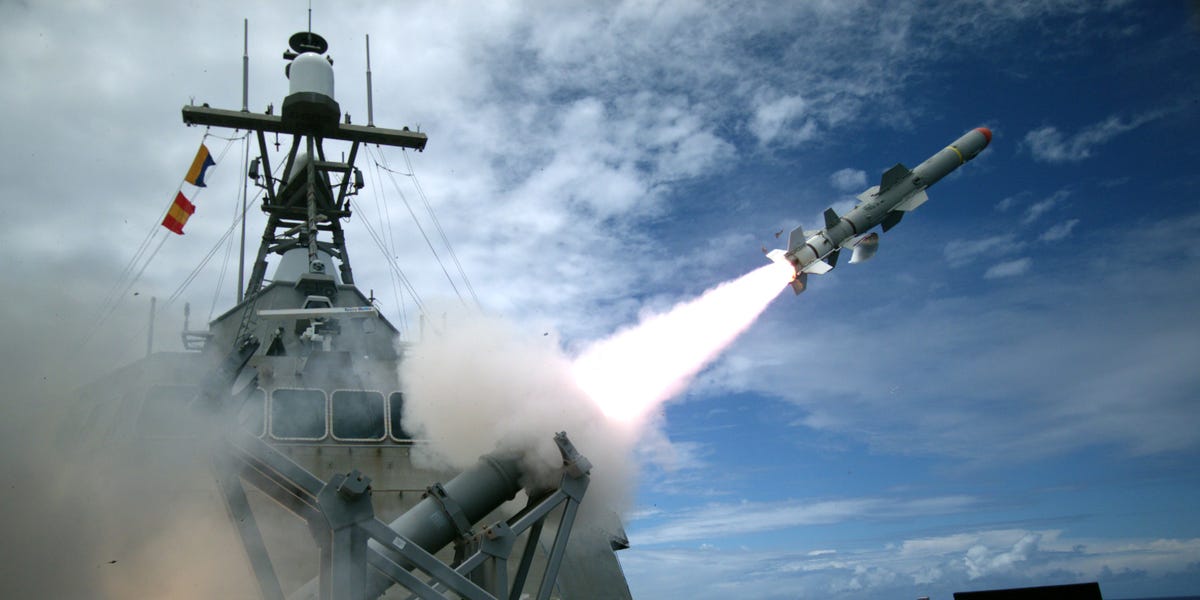
When people talk about “NATO weapons” in Ukraine, they usually mean NATO-standard systems supplied by the United States and allied countries. Three stand out for their potential strategic impact: Patriot air defense systems, HIMARS/ATACMS precision strike weapons, and F-16 fighter jets. Used together, they create a layered problem for Russia: its missiles become less reliable, its depots and command posts become less safe, and its aircraft have to operate with more caution.
Could these systems literally force Russia to flee Ukraine? Not overnight. Wars are not action movies, and generals do not politely leave after one dramatic explosion in the third act. But could these weapons help Ukraine make Russian positions increasingly hard to hold? Yes. That is the real storyand it is more interesting than the movie version.
Why High-Tech Weapons Matter in Ukraine
The Russia-Ukraine war has become a brutal contest of adaptation. Russia adapts its missiles, glide bombs, drones, electronic warfare, and artillery tactics. Ukraine adapts its air defense, long-range strike network, drone production, battlefield intelligence, and Western-supplied systems. The side that learns faster gains breathing room. The side that learns slower pays in equipment, territory, and lives.
High-tech NATO weapons matter because Ukraine is not just trying to destroy Russian tanks one by one. It is trying to disrupt the entire Russian war machine. That means protecting Ukrainian infrastructure from missile attacks, hitting Russian ammunition and fuel storage, making command posts less comfortable, and forcing aircraft to launch weapons from farther away. In simple terms: Ukraine wants to make Russia fight with longer supply lines, fewer safe bases, and more nervous pilots.
The three weapons below work best as a team. Patriot keeps key cities and military nodes alive. HIMARS and ATACMS hit important targets beyond the front line. F-16s expand Ukraine’s air-defense and strike options while integrating Ukraine more deeply into Western-style warfare. Separately, each is powerful. Together, they can squeeze Russian forces from the sky, the rear, and the front.
1. Patriot Air Defense: The Shield Russia Hates
The Patriot missile defense system is one of the most important Western weapons in Ukraine because it protects what Russia wants to break: cities, power infrastructure, military headquarters, airfields, and morale. Russia’s long-range strike campaign depends on missiles and drones overwhelming Ukrainian defenses. Patriot systems complicate that plan.
Patriot is a mobile surface-to-air missile system designed to detect, track, and intercept aircraft, cruise missiles, and tactical ballistic missiles. Its modern variants can engage some of the fastest and most dangerous threats in the Russian arsenal. In Ukraine, Patriots have been especially valuable because ballistic missiles are extremely hard to stop. A drone can be cheap and annoying; a ballistic missile is fast, violent, and not known for giving second chances.
How Patriot Changes the War
Patriot does not cover the entire country. Ukraine is too large, and the number of systems and interceptors is limited. But where Patriot is deployed, it can create protected zones that Russia must plan around. That matters because modern war is not just about taking land. It is about keeping power grids running, command centers functioning, aircraft based safely, and civilians from living under permanent terror.
Patriot also affects Russian aircraft behavior. If Russian pilots believe advanced air defense is present, they are less likely to fly close to Ukrainian-controlled airspace. That pushes them toward standoff weapons such as glide bombs and long-range missiles. Those weapons are still dangerous, but pushing aircraft back can reduce accuracy, limit sortie effectiveness, and create more room for Ukraine’s other defenses to work.
The system’s biggest weakness is cost and supply. Patriot interceptors are expensive, and Russia often uses cheaper drones to exhaust Ukraine’s air-defense magazines. That is the ugly economics of modern warfare: sometimes the attacker throws a swarm of low-cost threats, and the defender has to decide whether to spend premium missiles or accept damage. It is like being forced to use a designer umbrella in a hailstorm made of discount nails.
Why Russia Fears Better Ukrainian Air Defense
Russia’s strategy has repeatedly relied on punishing Ukrainian cities and infrastructure. If Ukraine receives enough Patriot batteries, missiles, spare parts, and complementary systems, Russia’s strike campaign becomes less predictable and less effective. A stronger Ukrainian air-defense network could also protect logistics hubs and air bases needed for F-16 operations.
Patriot alone will not make Russian troops run. But it helps keep Ukraine in the fight. It preserves the state, protects people, and gives Ukrainian forces the confidence to move resources without constantly fearing a devastating missile strike. In a long war, survival is not passive. Survival is strategy.
2. HIMARS and ATACMS: Precision Strikes That Make Rear Areas Unsafe
If Patriot is the shield, HIMARS and ATACMS are the long arm. HIMARSthe High Mobility Artillery Rocket Systembecame famous in Ukraine because it allowed Ukrainian forces to strike Russian ammunition depots, bridges, command posts, and logistics hubs with precision. Unlike traditional artillery, HIMARS can fire guided rockets and move quickly, which makes it difficult to hunt.
ATACMS, the Army Tactical Missile System, gives compatible launchers much greater reach than standard guided rockets. For Ukraine, that range matters because Russia’s war effort depends on rear-area infrastructure: rail nodes, storage depots, airfields, headquarters, fuel points, and staging areas. When those places become vulnerable, Russian commanders must move them farther back, disperse them, camouflage them, or defend them with scarce air-defense systems.
The Logistics Problem Russia Cannot Ignore
Armies do not advance on vibes. They advance on fuel, shells, spare parts, food, medical support, engineering equipment, and command communications. Russian forces have enormous firepower, but firepower is hungry. If ammunition depots are destroyed, artillery slows down. If bridges are damaged, routes become longer. If headquarters are hit, coordination suffers. If airfields are threatened, aircraft must operate from less convenient locations.
That is why precision strikes are so important. Destroying one tank is useful. Destroying the depot that feeds a battalion is better. Destroying the command post coordinating several units is better still. HIMARS and ATACMS are not just weapons; they are tools for attacking the nervous system of an army.
Russia has adapted. It has improved camouflage, dispersed supplies, used electronic warfare, and hunted launchers with drones. That means HIMARS is not the uncontested terror it was when it first entered the war. But adaptation does not erase usefulness. It simply makes the chessboard more complicated. Ukraine now combines Western precision weapons with domestically produced drones and intelligence networks to create overlapping strike options.
Why ATACMS Raises the Pressure
ATACMS is especially important because range changes behavior. If Russian forces know that airfields, air-defense sites, logistics centers, or command locations deep behind the line can be hit, they must spend more resources protecting them. That pulls air defenses away from other missions. It forces commanders to move supplies farther from the front. It slows response times. It makes every large concentration of equipment feel like a bad idea wearing a neon sign.
For Russia, the threat is not only physical destruction. It is uncertainty. A rear area that once felt safe can suddenly become a target. That uncertainty can reduce operational tempo, complicate offensive planning, and make Russian commanders more cautious. In a war of attrition, caution can be expensive.
3. F-16 Fighter Jets: The Flying Upgrade Ukraine Asked For
The F-16 Fighting Falcon is not new. It first flew decades ago, and aviation nerds have loved it long enough to need reading glasses. But “old” does not mean obsolete. The F-16 remains a capable multirole fighter, especially when connected to Western weapons, radar support, data links, trained pilots, and maintenance systems.
Ukraine wanted F-16s because Soviet-era aircraft were not enough for a long war against a larger air force. The F-16 gives Ukraine a more flexible platform for air defense, missile interception, precision strike, and potentially suppression of enemy air defenses. It can carry Western air-to-air missiles, anti-radiation missiles, and guided munitions depending on configuration and supply.
F-16s as Air Defense
One of the most practical roles for Ukrainian F-16s is intercepting Russian cruise missiles and drones. Ground-based air defense is vital, but it cannot be everywhere. Fighter jets add mobility. They can patrol, respond, and engage airborne threats before those threats reach cities or power stations.
This does not mean F-16s can safely dominate the skies over the front. Russian air defenses remain dangerous, and Ukraine must protect its aircraft carefully. The skies over Ukraine are not a playground; they are a very expensive knife drawer. But even limited F-16 operations can strengthen Ukraine’s defensive web.
F-16s and Russia’s Glide Bomb Problem
Russia’s glide bombs have been one of its most damaging battlefield tools. These bombs allow Russian aircraft to release heavy explosives from standoff distances, often outside the reach of shorter-range Ukrainian defenses. The best way to reduce glide-bomb attacks is to threaten the aircraft before they release their weapons, force them farther back, or strike the infrastructure that supports them.
F-16s can contribute to this effort, especially when paired with better radar coverage, electronic warfare, and long-range air-defense systems. They are not a simple answer to glide bombs, but they are part of a broader air-control puzzle. If Ukraine can make Russian pilots fly farther from the front, the accuracy and effectiveness of glide-bomb attacks may suffer.
The Supply Chain Challenge
F-16s are only as useful as their pilots, maintenance crews, spare parts, runways, and missile stocks. A fighter jet without missiles is not a fighter jet; it is an extremely dramatic taxi. Ukraine needs steady supplies of air-to-air missiles, training pipelines, repair capacity, and protected bases. This is why Western support must be consistent rather than theatrical.
The F-16’s real value is not that it suddenly gives Ukraine total air superiority. It does not. Its value is that it expands Ukraine’s options. It makes Russian planners account for more threats. It helps Ukraine transition to NATO-standard aviation. And it can strengthen air defense at a time when Russia is relying heavily on missiles and drones.
How These Three Weapons Work Together
The key is integration. Patriot protects strategic sites and high-value zones. HIMARS and ATACMS strike important Russian targets beyond the front. F-16s add mobility, interception capacity, and future strike potential. Each weapon covers part of the battlefield problem.
Imagine Russia preparing an offensive. It needs ammunition near the front, command posts within communication range, aircraft to support ground troops, and missile strikes to disrupt Ukrainian defenses. Now add Ukrainian Patriots defending key nodes, ATACMS threatening airfields and depots, and F-16s intercepting cruise missiles or complicating Russian air operations. Suddenly, Russia’s plan has more holes than a cheap umbrella in a thunderstorm.
This is how advanced weapons can “force” movementnot by scaring soldiers with shiny technology, but by making positions harder to supply, protect, and coordinate. If Russian units cannot receive ammunition reliably, cannot mass forces safely, and cannot count on air support, holding occupied territory becomes more difficult.
Could These Weapons Really Force Russia to Leave?
Weapons can create conditions. They cannot create political decisions by themselves. Russia’s withdrawal would depend on battlefield losses, economic pressure, political calculations in Moscow, Ukrainian manpower, Western unity, sanctions, diplomacy, and domestic Russian tolerance for a long war.
Still, military pressure matters. If Ukraine can make Russian occupation more expensive than Russia can sustain, Moscow’s choices narrow. That does not guarantee a dramatic retreat, but it can produce local withdrawals, stalled offensives, failed assaults, and eventually a stronger Ukrainian negotiating position.
The danger is expecting too much from technology. Every weapon has counters. Patriot can be saturated. HIMARS can be hunted or jammed. ATACMS supplies can run low. F-16s need protected bases and trained crews. Russia can adapt, disperse, dig in, and escalate its own drone and missile production. Anyone promising instant victory from three weapons is selling fireworks, not analysis.
The smarter argument is this: these weapons can raise the cost of Russia’s war. They can deny Russia easy air attacks, damage its logistics, and make its commanders operate under constant threat. In a war where endurance matters, raising the enemy’s cost is not a side effect. It is the strategy.
Battlefield Experiences and Lessons From the Ukraine War
The experience of Ukraine shows that advanced weapons are most effective when they are used as part of a system, not as isolated trophies. Early in the war, Western anti-tank weapons helped Ukraine stop armored columns. Later, artillery and HIMARS helped Ukraine hit Russian logistics. As Russia adapted, drones became central to reconnaissance and strike missions. Then air defense became even more urgent as Russia increased missile and drone attacks on cities and power infrastructure.
One major lesson is that precision is powerful, but precision needs intelligence. A missile is only as useful as the target data behind it. Ukraine’s success with long-range and precision strikes has depended on surveillance, communications, battlefield reporting, satellite imagery, drones, and fast decision-making. The weapon gets the headline, but the network does the homework.
Another lesson is that mobility saves lives. HIMARS became difficult to destroy because it could fire and relocate quickly. Patriot units also rely on mobility, concealment, and disciplined emissions control to survive. F-16s require similar thinking: aircraft must be dispersed, airfields protected, maintenance hidden where possible, and operations planned around Russian surveillance and missile threats.
The war has also proved that ammunition supply is strategy. A country can have excellent launchers and aircraft, but if interceptor missiles, guided rockets, or air-to-air missiles run short, capability drops fast. This is why Ukraine constantly asks not only for systems, but also for munitions, spare parts, training, and production partnerships. In modern war, the factory is part of the front line, even when it is thousands of miles away.
Ukraine’s battlefield experience also reveals the limits of “game changer” language. HIMARS was a game changer, then Russia adapted. Drones were a game changer, then electronic warfare adapted. Patriot was a game changer, then Russia experimented with larger and more complex strike packages. The real game changer is not one weapon. It is the ability to keep changing the game faster than the enemy can adjust.
For Ukrainian soldiers and civilians, these weapons are not abstract policy tools. Patriot can mean sleeping through the night without hearing explosions nearby. HIMARS can mean fewer Russian shells landing on a defensive position because a depot was hit. F-16s can mean another layer of defense against cruise missiles and drones. The human experience behind the hardware is simple: better weapons can create more survivable days.
For Russia, the experience is the opposite. Better Ukrainian precision strike means rear areas are no longer comfortably rear. Better air defense means missile attacks may produce fewer results. Better aircraft integration means Russian planners must consider new risks. Over time, that pressure can make occupation feel less like control and more like an expensive argument with geography.
The most important experience from this war is that courage and technology must meet logistics. Ukraine has shown extraordinary determination, but determination needs tools. NATO-standard weapons give Ukraine tools that can protect, disrupt, and pressure. If supplied in enough quantity and integrated intelligently, Patriot, HIMARS/ATACMS, and F-16s could help Ukraine turn Russian occupation into a losing propositionslowly, painfully, and with far fewer Hollywood explosions than headline writers would prefer.
Conclusion
Patriot, HIMARS/ATACMS, and F-16s are not miracle weapons. They will not cause Russian forces to vanish like a bad internet rumor. But they are among the most important NATO-standard systems in Ukraine’s arsenal because they attack the three things Russia needs most: air attack freedom, secure logistics, and operational confidence.
Patriot helps Ukraine survive Russia’s missile war. HIMARS and ATACMS make Russian rear areas dangerous. F-16s expand Ukraine’s air-defense and future strike options. Together, they can make the battlefield less comfortable for Russia and more defensible for Ukraine.
If these weapons arrive in sufficient numbers, with steady ammunition and training, they could help Ukraine force Russian troops into harder choices: retreat, disperse, slow down, or accept heavier losses. That is not a magic ending. It is the grinding logic of modern war. And sometimes, grinding logic is exactly what makes an occupier pack up and leave.
Note: This article is a strategic analysis based on public information about NATO-standard weapons in Ukraine. It does not provide operational military instructions, targeting guidance, or classified information.