Note: This article is for general educational purposes only and should not replace medical advice from a licensed healthcare professional. If a wart is painful, bleeding, changing quickly, located on the face or genitals, or appears in someone with a weakened immune system, it is best to seek medical care.
Introduction: The tiny bump with a surprisingly big backstory
Warts are one of those skin issues that can make a person stare at their hand, foot, or elbow and think, “Excuse me, when did this little mountain move in?” They are common, usually harmless, and often more annoying than dangerous. Still, warts can be stubborn guests. Some disappear on their own, some spread to nearby skin, and some act like they signed a long-term lease.
In simple terms, warts are small skin growths caused by certain strains of the human papillomavirus, better known as HPV. There are many types of HPV, and not all of them behave the same way. Some cause common warts on the hands. Others cause plantar warts on the soles of the feet. Certain types are linked to genital warts, which require a different approach and should be evaluated by a healthcare provider.
The good news is that wart treatments exist, prevention habits help, and most warts are not a medical emergency. The slightly less glamorous news is that treatment can take patience. A wart is not usually a “one dab and done” situation. Think of it more like removing an unwanted sticker from a laptop: possible, but sometimes it takes a few careful rounds.
What are warts?
Warts are benign, noncancerous growths that develop in the top layer of the skin. They form when HPV enters the skin through tiny cuts, scratches, hangnails, or weak spots. Once inside, the virus can trigger extra skin-cell growth, creating a raised, rough, flat, or thickened bump depending on the wart type and location.
Warts can appear almost anywhere, but they are especially common on the hands, fingers, feet, knees, and areas where the skin is frequently nicked or irritated. Children and teens often get warts, partly because their immune systems are still learning how to recognize and fight the virus. Adults can get them too, especially if they work with their hands, use shared locker rooms, bite nails, shave over irritated skin, or have immune-system issues.
What causes warts?
HPV is the main cause
The main cause of warts is infection with HPV. This virus spreads through direct skin-to-skin contact or by touching surfaces that have been exposed to the virus, such as shared towels, gym floors, pool decks, or nail tools. The virus does not need a dramatic entrance. A tiny crack in the skin may be enough.
Why some people get warts more easily
Not everyone exposed to HPV develops a wart. The immune system plays a major role. Some people fight off the virus before a wart appears, while others develop visible bumps weeks or months later. Common risk factors include small skin injuries, nail biting, picking at cuticles, walking barefoot in damp public areas, sharing personal items, and having a weakened immune system.
Warts can also spread from one part of the body to another. For example, picking at a wart on the finger and then touching broken skin nearby may help the virus move. This is why dermatologists often remind patients not to scratch, shave over, or “perform home surgery” on a wart. Your bathroom mirror is not an operating room, no matter how confident you feel at 11:47 p.m.
Common types of warts
Common warts
Common warts usually appear on the fingers, hands, elbows, or knees. They often feel rough and may look like tiny cauliflower-like bumps. Some have little black dots, which are clotted blood vessels rather than “wart seeds.” Common warts are usually painless, although they can become tender if irritated or located near a nail.
Plantar warts
Plantar warts grow on the soles of the feet. Because body weight presses down on them, they may grow inward instead of outward. They can feel like stepping on a pebble, which is charming only if your foot enjoys unnecessary drama. Plantar warts may appear alone or in clusters and are often surrounded by thickened skin.
Flat warts
Flat warts are smaller, smoother, and less raised than common warts. They may appear in groups, especially on the face, legs, or backs of the hands. They can be skin-colored, pink, light brown, or slightly yellowish. Because shaving can spread them, flat warts may show up in areas that are frequently shaved.
Filiform warts
Filiform warts are thin, finger-like growths that often appear around the mouth, nose, chin, or eyes. They can grow quickly and may be more noticeable because of their location. Since the face is sensitive, it is best to avoid harsh over-the-counter wart treatments there unless a healthcare provider recommends them.
Periungual warts
Periungual warts grow around or under fingernails and toenails. They can be painful and may interfere with normal nail growth. Nail biting, hangnail picking, and frequent cuticle damage can make these warts more likely. Treatment may be trickier because the wart can hide around the nail fold.
Genital warts
Genital warts are caused by certain types of HPV and are considered a sexually transmitted infection. They can appear as small bumps or clusters in the genital or anal area. They may be raised, flat, or cauliflower-like. Genital warts require medical evaluation and should not be treated with regular over-the-counter wart removers, which are designed for common skin warts and can irritate delicate tissue.
Are warts contagious?
Yes, warts can be contagious, but they are not usually wildly contagious in the way a cold can be. HPV spreads through skin contact and contaminated surfaces, especially when skin is wet, softened, cut, or irritated. This is why plantar warts are associated with shared showers, locker rooms, and pool areas.
To reduce the risk of spreading warts, avoid picking at them, cover them when practical, wash hands after touching them, do not share towels or nail tools, and wear flip-flops in public shower areas. If you have a wart on your foot, avoid scratching it and then touching other areas of skin. The wart does not need help networking.
How are warts diagnosed?
Most warts can be diagnosed by appearance during a skin exam. A healthcare provider may gently trim the top layer of thickened skin to look for tiny dark dots, which can support the diagnosis. In unusual cases, especially if a growth looks different from a typical wart, changes rapidly, bleeds, or does not respond to treatment, a provider may remove a small sample for testing.
It is important not to assume every bump is a wart. Corns, calluses, skin tags, molluscum contagiosum, moles, and some skin cancers can sometimes resemble warts. When in doubt, get it checked. A quick appointment can save months of treating the wrong thing with the confidence of someone assembling furniture without reading the instructions.
Do warts go away on their own?
Many warts eventually disappear without treatment as the immune system recognizes and controls the virus. This process may take months or even a couple of years. Children often clear warts more easily than adults, but timelines vary widely.
Waiting can be reasonable if the wart is small, painless, not spreading, and not causing embarrassment or irritation. Treatment may be preferred if the wart hurts, spreads, catches on clothing, affects walking, appears on the face or near nails, or causes significant stress. There is no trophy for tolerating a painful plantar wart just because it is “technically harmless.” Comfort matters.
Over-the-counter wart treatments
Salicylic acid
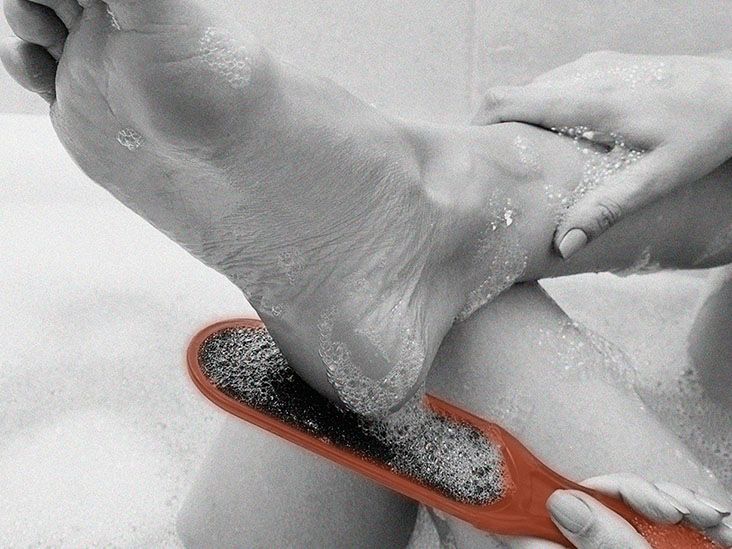
Salicylic acid is one of the most common first-line treatments for common and plantar warts. It works by gradually peeling away infected skin. It comes in liquids, gels, pads, and patches. For best results, people usually soak the wart in warm water, gently file away dead skin with a disposable emery board or pumice stone, apply the medicine, and repeat the process consistently.
The key word is consistently. Salicylic acid often takes weeks, not days. It should not be used on the face, genitals, or irritated skin unless a healthcare provider says it is safe. People with diabetes, poor circulation, or nerve problems in the feet should ask a clinician before using at-home wart treatments, especially on the feet.
Duct tape method
The duct tape method has gained fame as the “garage drawer” approach to wart care. The idea is to cover the wart with tape for several days, remove it, soak and gently file the area, then repeat. Evidence is mixed, and it does not work for everyone. Still, some people use it as a low-cost option for simple warts. It should not be used if it irritates the skin or causes a rash.
Professional wart treatments
Cryotherapy
Cryotherapy uses liquid nitrogen to freeze the wart. A healthcare provider applies the freezing agent in the office, causing a blister to form under and around the wart. The treated tissue eventually falls away. Several sessions may be needed, especially for stubborn plantar warts or larger warts.
Cantharidin
Cantharidin is a blistering medication applied by a healthcare professional. It causes a blister under the wart, helping lift it away from the skin. This treatment is often used in dermatology offices and may be helpful for children because application itself is usually not painful, though blistering later can be uncomfortable.
Prescription topical medicines
Prescription treatments may be used when over-the-counter care does not work. Depending on the wart type and location, clinicians may consider stronger peeling agents, immune-stimulating medicines, or medications such as 5-fluorouracil for selected cases. These treatments should be used exactly as prescribed because healthy skin can become irritated.
Electrosurgery, curettage, and laser therapy
For resistant warts, a dermatologist may use electrosurgery, scraping, laser treatment, or a combination of methods. These approaches can be effective but may involve discomfort, healing time, and a risk of scarring. They are typically reserved for warts that are painful, persistent, widespread, or difficult to treat with simpler options.
Immunotherapy
Immunotherapy aims to help the body recognize and fight the wart virus. It may involve topical or injected treatments used by dermatology professionals. This option may be considered for multiple or stubborn warts, particularly when standard treatments have failed.
Treatment for genital warts
Genital warts need a different treatment plan than common skin warts. A healthcare provider may prescribe topical medicines or perform in-office treatments such as cryotherapy, surgical removal, or acid-based therapy. Treatment can remove visible warts, but it does not necessarily eliminate HPV from the body, so recurrence is possible.
HPV vaccination can help protect against HPV types that cause many cases of genital warts and several HPV-related cancers. Vaccination works best before exposure to HPV, but people who are older and not vaccinated can ask a healthcare provider whether it may still benefit them.
When to see a doctor
Medical evaluation is recommended if a wart is painful, bleeding, rapidly changing, spreading quickly, located on the face or genitals, or interfering with walking or daily activities. People with diabetes, circulation problems, immune suppression, or uncertainty about the diagnosis should also seek care before treating a wart at home.
It is also smart to see a dermatologist if treatment has not worked after several weeks or months. Some warts are stubborn because of their location, thickness, or the person’s immune response. A professional can confirm the diagnosis and offer stronger options.
How to prevent warts
Wart prevention is not perfect, but good habits reduce risk. Keep skin clean and dry, cover cuts and scratches, avoid biting nails, do not pick at warts, wear sandals in public showers, and avoid sharing towels, razors, socks, shoes, or nail tools. If you use a pumice stone or file on a wart, do not use the same tool on healthy skin.
For plantar warts, change socks regularly and let shoes dry between wears. For children in sports, swimming, or shared locker rooms, simple habits like wearing shower shoes and not sharing towels can make a real difference. Prevention is not glamorous, but neither is explaining to your foot why it has a new roommate.
Common myths about warts
Myth: Warts have roots
Warts do not have roots like plants. They grow in the upper layer of the skin. The tiny black dots sometimes seen in warts are clotted blood vessels, not seeds or roots.
Myth: Touching a frog causes warts
Frogs and toads do not cause human warts. HPV causes warts. The poor frog has been framed for generations.
Myth: Cutting out a wart at home is a good idea
Trying to cut, burn, or dig out a wart at home can lead to infection, scarring, pain, and spreading. Professional treatment is safer for stubborn or sensitive-area warts.
Living with warts: Practical experiences and everyday lessons
Anyone who has dealt with a wart knows the experience is not just medical; it is personal, awkward, and occasionally funny in hindsight. A tiny bump can become the star of your morning routine. You wash your hands and notice it. You put on socks and notice it. You shake someone’s hand and suddenly wonder whether your finger wart has entered the conversation uninvited.
One common experience is impatience. Many people start salicylic acid treatment expecting fast results, then feel disappointed after a week. But wart treatment often works slowly. The skin may peel layer by layer, and progress can be subtle. Taking a photo once a week can help because daily staring makes changes harder to notice. It is like watching grass grow, except the grass is on your toe and has terrible manners.
Another experience is over-treating. A person may apply too much acid, scrape too aggressively, or combine multiple remedies at once. This can irritate healthy skin and make the area sore. The better approach is steady and boring: follow directions, protect surrounding skin, and stop if there is significant pain, bleeding, or inflammation. Boring is underrated in skincare. Boring often wins.
Plantar warts bring their own drama because they can affect walking. People sometimes describe feeling like there is a pebble inside the shoe, even when the shoe is empty. Cushioned pads may reduce pressure, but if walking becomes painful, professional care is worth it. Feet carry the entire body all day; they deserve more respect than being told to “walk it off” forever.
Parents often have a different wart experience: the child is not bothered, but the parent is conducting nightly inspections like a tiny skin detective. In many kids, warts are harmless and may clear over time. Still, children may pick at them, spread them, or feel embarrassed at school. A calm explanation helps: warts are common, they are caused by a virus, and having one does not mean someone is dirty.
For teens and adults, embarrassment can be the hardest part. A wart on the hand, face, or near the nails can feel more visible than it really is. The emotional reaction is understandable. Skin issues are public in a way that a sore throat is not. But warts are extremely common, and most people are far more focused on their own lives than on analyzing someone else’s knuckle.
People with recurring warts often learn that prevention matters as much as treatment. Covering active warts, avoiding picking, using separate nail tools, and wearing sandals in shared wet areas can help reduce spread. It may not feel heroic, but it is practical. The goal is not perfection; it is fewer opportunities for HPV to move around.
The biggest lesson from real-life wart experiences is patience. Some warts disappear without fanfare. Some need repeated treatment. Some require a dermatologist’s help. A wart does not define a person’s hygiene, health, or attractiveness. It is a common skin infection, not a character flaw. Treat it carefully, protect your skin, and get help when needed. Your skin has handled sunburns, bug bites, mystery rashes, and bad soap choices. It can handle this toowith a little strategy.
Conclusion
Warts are common skin growths caused by HPV. They come in several types, including common warts, plantar warts, flat warts, filiform warts, periungual warts, and genital warts. While many warts go away on their own, treatment may be helpful when they are painful, spreading, embarrassing, or interfering with daily life. Over-the-counter salicylic acid, professional cryotherapy, prescription medicines, blistering treatments, laser therapy, and immunotherapy may all play a role depending on the wart and the person.
The smartest approach is simple: identify the wart correctly, avoid picking or cutting it, use treatments safely, and ask a healthcare provider for help when the wart is stubborn, painful, unusual, or in a sensitive area. Warts may be persistent, but with patience and the right care, they can usually be managed. Tiny bump, meet sensible plan.