For decades, obesity was reduced to a tidy little equation: eat less, move more, and summon heroic quantities of willpower. The equation was mathematically correct but biologically incompleterather like explaining a traffic jam by saying there are too many cars. True, but what caused everyone to hit the road at once?
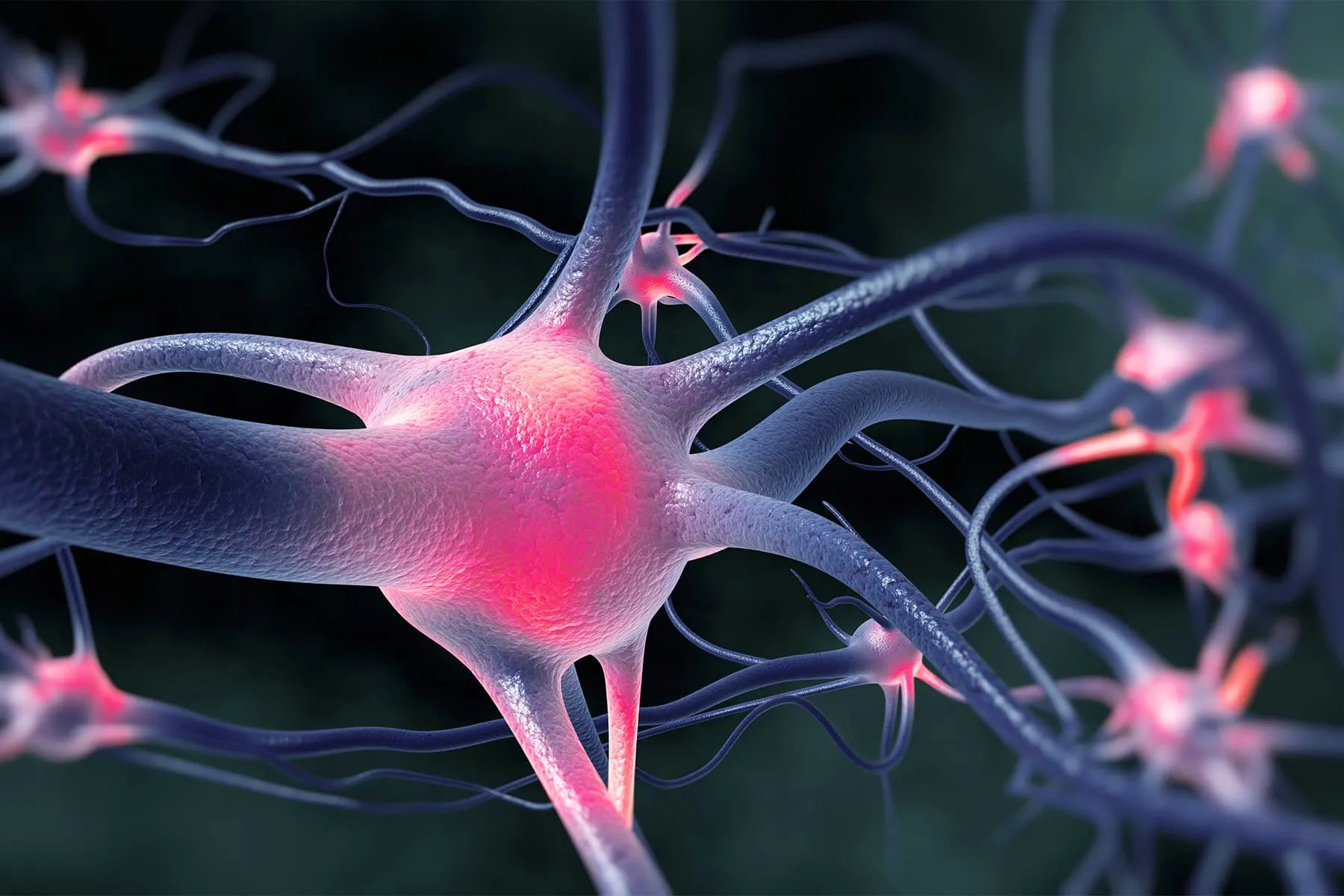
Current obesity research increasingly places the brain at the center of the story. Brain circuits regulate hunger, fullness, food reward, energy use, and the body’s response to weight loss. They receive messages from fat tissue, the digestive system, hormones, genes, sleep patterns, stress, medications, and the surrounding food environment. In other words, the brain is not acting alone, but it is running the control room.
This does not mean behavior is irrelevant or that every case of obesity has one neurological cause. It means body weight develops through a complicated conversation between biology and environmentnot a courtroom drama about personal character.
What Is Obesity?
Obesity is a chronic, complex disease involving an amount or distribution of body fat that can impair health. It is associated with a higher risk of type 2 diabetes, cardiovascular disease, sleep apnea, osteoarthritis, metabolic liver disease, and certain cancers. The Centers for Disease Control and Prevention emphasizes that obesity is influenced by multiple factors, including genes, stress, health conditions, medications, behavior, and the environments in which people live.
Clinicians often use body mass index, or BMI, as an initial screening measurement. However, BMI does not directly measure body fat, distinguish fat from muscle, or reveal where fat is stored. Waist circumference, laboratory results, medical history, physical function, and existing health conditions can provide a more complete picture.
The Calorie Equation Is Realbut It Is Not the Whole Explanation
Weight increases when energy intake exceeds energy expenditure over time. That basic principle is not in dispute. The more interesting question is why a sustained energy surplus develops.
The answer may involve stronger hunger, weaker fullness signals, reduced energy expenditure, inadequate sleep, chronic stress, medication effects, limited access to nourishing food, or an environment packed with inexpensive, heavily marketed products that are easy to eat quickly. Saying obesity is caused by excess calories describes the final pathway. It does not identify everything pushing a person down that pathway.
The National Institutes of Health describes metabolism and body-weight regulation as highly complex. Two people can eat similar meals and perform similar activities yet experience different levels of hunger, energy use, fat storage, and weight change. Human bodies are wonderfully inconsistent like thatgreat for biodiversity, less convenient for universal diet plans.
How the Brain Regulates Hunger and Body Weight
The hypothalamus acts as an energy control center
Deep inside the brain, the hypothalamus helps coordinate appetite, temperature, hormone activity, and energy expenditure. It continually receives information about the body’s nutritional state. Some neural pathways promote eating, while others reduce it.
Specialized hypothalamic neurons respond to circulating nutrients and hormones. Agouti-related peptide, or AgRP, neurons become especially active when the body senses an energy shortage. Their message is persuasive: find food, preferably now. Other neurons within the melanocortin system promote satiety and help regulate energy use.
Evidence that these circuits matter is particularly clear in rare genetic disorders affecting proteins such as leptin, the leptin receptor, POMC, or MC4R. Disruption of these pathways can produce intense hunger and early-onset obesity. Brain injury caused by a tumor, surgery, radiation, inflammation, or trauma can also damage the hypothalamus and lead to rapid, difficult-to-control weight gain.
The National Institute of Diabetes and Digestive and Kidney Diseases supports extensive research into these neural circuits, genetic factors, fat-cell biology, inflammation, sleep, circadian rhythms, and communication among organs.
Hormones deliver messages to the brain
The brain does not calculate energy needs from scratch. It receives a steady stream of biological notificationsessentially a group chat among the stomach, intestines, pancreas, fat tissue, and nervous system.
- Leptin: Fat cells produce leptin in proportion to stored energy. It normally helps tell the brain that adequate energy is available. Many people with obesity have high leptin levels but a reduced biological response, commonly described as leptin resistance.
- Ghrelin: Produced primarily in the stomach, ghrelin tends to increase before meals and stimulates hunger.
- GLP-1: Released by the gut after eating, glucagon-like peptide-1 contributes to fullness, glucose regulation, and communication with appetite-related brain circuits.
- Peptide YY and cholecystokinin: These intestinal hormones help signal that food has arrived and support meal termination.
- Insulin: In addition to regulating blood glucose, insulin provides the brain with information about energy availability.
These signals travel through the bloodstream and through neural routes such as the vagus nerve. Research summarized by the National Library of Medicine shows that appetite is produced by an integrated network rather than by a single “hunger hormone.”
The brain may defend a familiar weight range
When people lose weight, the body often responds as if an emergency has occurred. Hunger may increase, fullness may weaken, and energy expenditure may fall beyond what would be expected from carrying a smaller body. Lower leptin levels and changes in other appetite signals help drive this response.
Scientists sometimes describe this phenomenon using the idea of a defended weight range. It is more flexible than a permanently programmed “set point,” because age, environment, medications, pregnancy, illness, and habits can shift it. Still, it helps explain why maintaining weight loss can be biologically harder than initially losing weight.
This is not the body being spiteful. It is ancient survival machinery performing its job in a modern setting where famine is uncommon but snack advertisements can follow a person across three devices.
Food Reward Can Overpower Energy Needs
Humans eat for more reasons than hunger. Food can provide pleasure, comfort, celebration, distraction, and social connection. The brain’s reward networkincluding the nucleus accumbens and parts of the prefrontal cortexassigns motivational value to food and food-related cues.
Highly palatable foods combining refined carbohydrates, fat, salt, and intense flavor can strongly engage this network. Packaging, convenience, portion size, aroma, memories, and advertising may further increase “wanting,” even when the body does not urgently need energy.
This does not prove that particular foods are addictive in exactly the same way as drugs. It does show that eating behavior is influenced by learning and reward processes that frequently operate before conscious decision-making has finished tying its shoes.
In a controlled NIH inpatient trial, 20 adults were offered either ultra-processed or minimally processed diets for two weeks each. Although the presented diets were designed to be similar in several major nutrients, participants consumed about 500 more calories per day during the ultra-processed phase and gained weight. Researchers continue to investigate whether eating speed, texture, energy density, palatability, and gut-brain signaling help explain the difference.
Genes Often Influence the Brain’s Response to Food
Most obesity is not caused by one defective gene. It is polygenic, meaning many genetic variants contribute small effects that interact with life circumstances. These variants may influence appetite, fullness, food preferences, fat distribution, spontaneous movement, or metabolic efficiency.
Many obesity-associated genes are active in the central nervous system. That finding is one reason researchers increasingly view common obesity partly as a disorder of biological weight regulation. According to Harvard Health Publishing, genes can affect satiety, metabolism, cravings, fat storage, and eating responses to stress.
Genetic susceptibility is not destiny. A person may inherit a stronger tendency toward hunger without inevitably developing obesity. However, susceptibility can become more visible in an environment offering abundant calorie-dense food, limited opportunities for activity, irregular sleep, and persistent stress.
How the Environment Reaches the Brain
Ultra-processed food and large portions
The modern food environment does not merely place calories on a shelf. It shapes attention, expectations, habits, and reward learning. Soft textures can make food faster to consume, liquid calories may produce weaker satiety than solid meals, and oversized portions quietly redefine what looks normal.
Food access also matters. Some communities have few affordable sources of fresh food but plenty of convenience stores and fast-food outlets. Advice to “choose better” becomes less useful when the better option requires extra money, transportation, preparation time, and a kitchen that is not shared with six roommates.
Sleep and circadian disruption
Short or irregular sleep can alter appetite, reward sensitivity, glucose metabolism, and impulse control. Tired brains also tend to appreciate immediate energy and convenience. Nobody wakes after four hours of sleep and thinks, “What my soul truly desires is careful meal planning.”
Shift work and late-night eating may disrupt circadian signals that help coordinate metabolism. Sleep problems can also form a feedback loop: obesity raises the risk of obstructive sleep apnea, while untreated sleep apnea may worsen fatigue and make weight management harder.
Chronic stress
Stress can affect eating through cortisol, reward pathways, emotional coping, and sleep disruption. It may increase cravings for energy-dense foods while reducing the mental bandwidth available for cooking, exercise, and healthcare appointments.
Stress is not simply a personality issue. Financial insecurity, discrimination, unsafe neighborhoods, caregiving responsibilities, and unpredictable work schedules can create biological strain. The brain responds to lived conditions, not inspirational posters.
Medications and medical conditions
Corticosteroids, some antipsychotics and antidepressants, certain antiseizure drugs, insulin, and some other diabetes treatments can promote weight gain in susceptible people. They may affect hunger, energy expenditure, fluid balance, or fat storage. Medication should never be stopped without medical guidance, but alternatives or protective strategies may be available.
Conditions such as hypothyroidism, Cushing syndrome, polycystic ovary syndrome, hypothalamic disease, depression, and mobility-limiting disorders can also contribute. These conditions do not explain most cases on their own, but a medical evaluation can identify treatable drivers. Both Mayo Clinic and Johns Hopkins Medicine describe obesity as the product of interacting genetic, metabolic, hormonal, behavioral, and environmental factors.
What Brain Science Means for Obesity Treatment
A brain-centered explanation does not make nutrition and physical activity unimportant. It explains why they work better when supported by strategies that reduce hunger, improve satiety, protect sleep, address stress, and make healthier choices practical.
Effective care may combine dietary changes, resistance and aerobic activity, behavioral support, sleep treatment, medication review, anti-obesity medication, or metabolic surgery. The right combination depends on health risks, personal preferences, treatment access, side effects, and previous experiences.
GLP-1 receptor agonists and medications that target both GIP and GLP-1 pathways provide striking evidence that appetite is biological. These treatments imitate gut-derived signals and influence brain networks involved in fullness and food motivation. Research from Northwestern Medicine has examined how these drugs affect hypothalamic neurons involved in hunger.
Metabolic surgery also does more than physically reduce stomach size. Procedures can change gut hormones, bile-acid signaling, food preferences, glucose regulation, and gut-brain communication. Neither medication nor surgery eliminates the need for ongoing care, but their effectiveness challenges the idea that obesity is merely a failure to try hard enough.
The Endocrine Society and Cleveland Clinic classify obesity as a chronic disease. Like hypertension, it may improve during treatment and return when effective treatment ends. Weight regain is therefore not automatically proof of failure; it may be evidence that the underlying biology remains active.
A Composite Experience: When “Just Try Harder” Stops Helping
The following story combines common experiences reported in obesity care. It does not describe one identifiable person.
Jordan had been told to lose weight at nearly every medical visit since college. The instructions were generally brief: reduce portions, exercise more, return in six months. Jordan tried calorie-counting apps, meal-replacement shakes, weekend boot camps, intermittent fasting, and one memorable cabbage-heavy plan that made the refrigerator smell like a suspicious science project.
Each attempt began well. During the first several weeks, weight dropped and motivation soared. Then hunger became difficult to ignore. Jordan started thinking about food during meetings, while driving, and even immediately after dinner. Workouts felt harder, energy dipped, and the scale slowed despite continued effort. Eventually, some weight returned. The experience produced shame because Jordan interpreted a predictable biological response as a personal defect.
A more thorough medical visit changed the conversation. Instead of asking only what Jordan ate, the clinician asked about sleep, medications, stress, hunger patterns, family history, and previous weight-loss attempts. Testing did not reveal a single dramatic hormonal disorder. It revealed something more common: several smaller forces were working together.
Jordan slept about five hours on work nights and had symptoms of obstructive sleep apnea. A recently prescribed medication was associated with increased appetite. Long shifts made regular meals difficult, leading to intense evening hunger. Both parents had obesity and type 2 diabetes, suggesting substantial inherited susceptibility. None of these factors erased personal choice, but they changed what choices felt possible.
Treatment began with sleep-apnea care and a discussion about switching medication. Jordan and a dietitian designed meals around protein, fiber, and foods requiring more chewing, while keeping a few favorite snacks in realistic portions. Strength training was introduced graduallynot as punishment for dinner, but as a way to improve function and preserve lean tissue. The clinician also discussed anti-obesity medication because persistent hunger remained a major barrier.
The most surprising change was not on the scale. After treatment began working, Jordan described a quieter mind. Food was still enjoyable, but it stopped dominating the day. A restaurant menu no longer felt like a high-stakes examination. Smaller portions became easier to choose because fullness arrived sooner, not because Jordan had suddenly acquired superior moral fiber on a Tuesday afternoon.
Progress was uneven. A stressful family emergency disrupted sleep and activity, and weight briefly increased. Previously, Jordan would have abandoned the entire plan. This time, the care team treated the change as information. They adjusted the strategy, reviewed hunger and side effects, and focused on blood pressure, energy, mobility, and laboratory results alongside body weight.
Jordan’s experience illustrates why obesity treatment must be individualized. Some people respond strongly to structured lifestyle changes, while others need medication, surgery, sleep treatment, mental health care, or help obtaining affordable food. Many need several tools at once. The brain-centered model does not promise a magical reset button. It offers something more useful: an explanation for why biology can resist change and a reason to replace blame with sustained, evidence-based care.
Conclusion
So, what causes obesity? The most accurate answer is not one food, one hormone, or one questionable decision near the cookie cabinet. Obesity develops when genetic susceptibility, brain circuits, metabolic adaptation, hormonal signals, behavior, medications, sleep, stress, and environmental conditions interact over time.
The brain is especially important because it integrates these influences and helps determine hunger, fullness, reward, and energy expenditure. Understanding that role does not remove individual agency. It makes agency easier to support with realistic environments, compassionate medical care, and treatments that address biology instead of scolding it.