If you have ever opened a message, spotted RLS, and immediately felt your brain buffering like weak Wi-Fi, you are not alone. Text slang moves fast, plays by its own rules, and occasionally acts like it enjoys confusing innocent people. One minute you know what LOL and BRB mean. The next minute someone drops RLS into a group chat, and suddenly you are doing detective work instead of texting back.
So, what does RLS mean in text? In most casual texting and online chat contexts, RLS usually means “Real Life Stuff” or “Real Life Situation.” It is shorthand people use when something offline needs attention. In other words, it is the digital equivalent of saying, “I am not ignoring you. Life is just life-ing right now.”
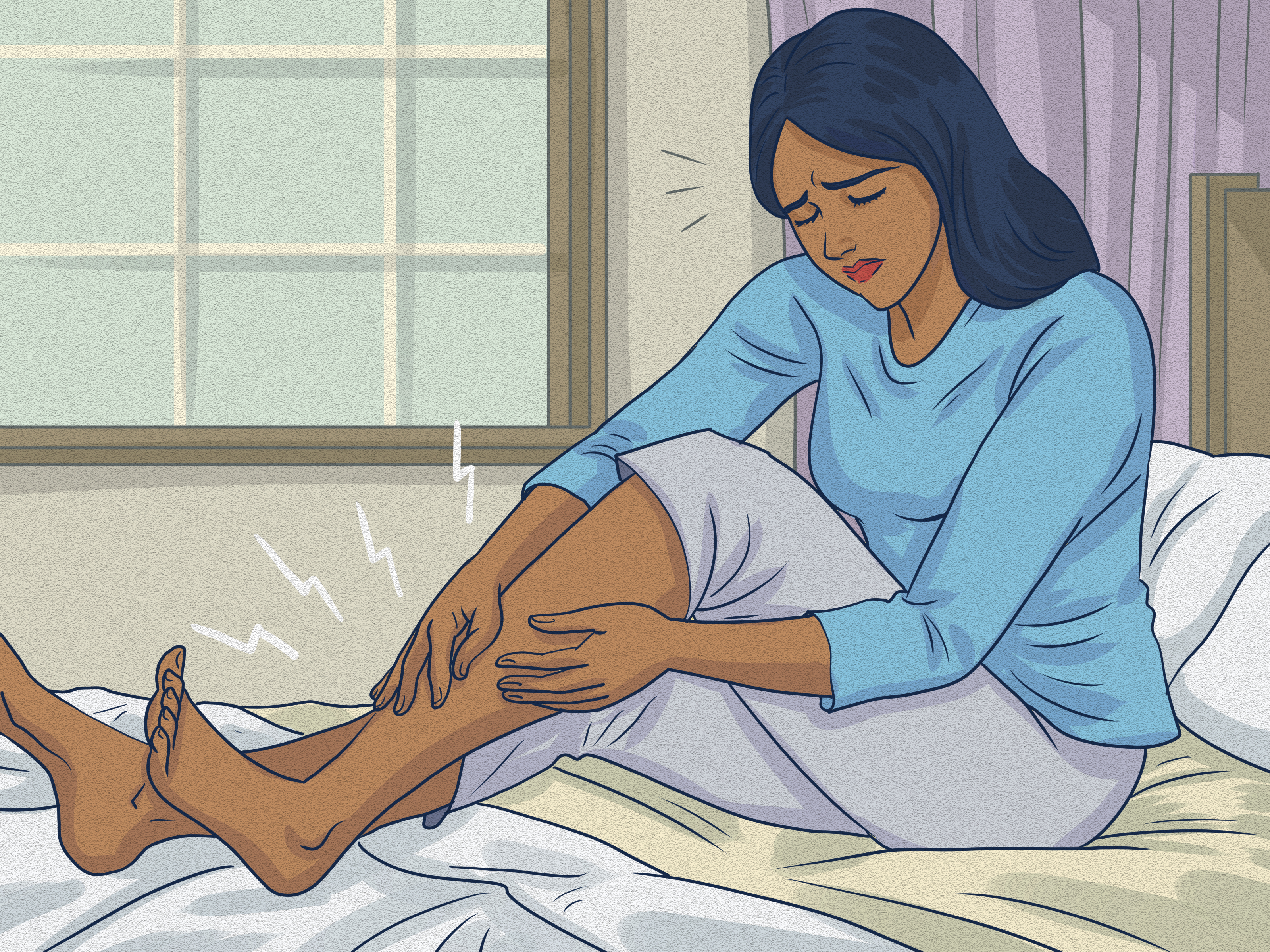
That said, context matters. In a medical conversation, RLS often means restless legs syndrome. In rare cases, some people also use it differently within smaller communities. That is why understanding the tone, topic, and platform matters just as much as knowing the letters themselves.
This guide breaks down the RLS meaning in text, how people use it, when it sounds natural, when it sounds awkward, and why it can confuse people who are not deeply marinated in internet shorthand.
What Does RLS Mean in Text?
The most common texting meaning of RLS is Real Life Stuff. Sometimes it also means Real Life Situation. Both versions point to the same basic idea: something in the offline world is taking priority over the conversation.
Examples include:
- “Sorry for the late reply, had some RLS to deal with.”
- “Can’t game tonight. RLS popped up.”
- “Been quiet all day because of RLS. I’ll explain later.”
In each example, the sender is signaling that they are busy with normal, real-world responsibilities. It could mean family obligations, errands, school deadlines, work shifts, appointments, or some random chaos like a flat tire, a dead laptop, or a dog who has decided the couch is now performance art.
The appeal of RLS slang is simple: it is short, casual, and slightly vague. It lets someone explain a delay without oversharing every detail of their day.
Why People Use RLS Instead of Writing It Out
Text slang exists because people like speed. Even though modern phones make typing easier than it used to be, abbreviations still survive because they are quick, familiar, and casual. That is the same reason expressions like IRL, IDK, TBH, and LOL never fully packed their bags and left.
RLS works for three main reasons:
1. It saves time
Typing “I am dealing with real-life stuff right now” takes longer than “RLS right now.” In fast-moving chats, fewer characters often win.
2. It sounds casual
RLS feels relaxed and conversational. It fits naturally in group chats, gaming messages, DMs, and texts between friends.
3. It keeps things private
Sometimes people want to explain a delay without giving the full backstory. RLS is vague enough to say something is going on, but not so vague that it sounds rude or cold.
That mix of speed, tone, and privacy is why many texting abbreviations stick around. They are tiny language shortcuts with surprisingly big social value.
Is RLS a Common Texting Acronym?
Here is the honest answer: RLS is not as universally recognized as classics like LOL, BRB, IDK, or IRL. It is better described as a niche or context-based slang abbreviation than a must-know texting acronym for everyone on Earth.
That matters because not every reader will understand it immediately. If you text “RLS” to a close friend who lives online, they may instantly get it. If you send it to your aunt, your manager, or the one friend who still types full sentences like a Victorian novelist, confusion is possible.
In plain English, RLS meaning in chat is understandable in the right crowd, but it is not foolproof. Use it when you are pretty sure the other person speaks fluent internet.
RLS vs. IRL: What Is the Difference?
People sometimes confuse RLS with IRL, and that makes sense because both point to life outside the screen. But they are not exactly the same.
IRL = In Real Life
IRL is used to contrast online life with offline reality.
Example: “She’s funny online, but she’s even funnier IRL.”
RLS = Real Life Stuff / Real Life Situation
RLS usually refers to the responsibilities, interruptions, or situations happening offline.
Example: “I had to disappear earlier because of RLS.”
Think of it this way: IRL describes reality, while RLS explains why reality is interrupting your chat. IRL says, “This happened offline.” RLS says, “Offline life got in the way.”
How RLS Is Usually Used in Conversations
Most people use RLS in text messages for one of these reasons:
To explain a late reply
“Sorry, RLS had me busy all afternoon.”
To cancel or delay plans
“I might have to reschedule. RLS is wild today.”
To pause a game or group chat
“AFK for a bit, RLS.”
To sound casual without oversharing
“Not ignoring you. Just handling some RLS.”
In all of these examples, the tone is typically polite and informal. It is not dramatic. It is not overly emotional. It is just a shorthand way to say real-world duties are taking center stage.
When RLS Can Be Confusing
Like many abbreviations, RLS slang meaning depends on context. And context is the undefeated champion of internet language.
Here are the biggest reasons RLS can confuse readers:
It has a medical meaning
In health-related conversations, RLS often means restless legs syndrome, a real neurological and sleep-related condition. If someone says, “My RLS kept me up all night,” they are almost certainly not talking about missed texts and laundry.
It is not universally standard
Unlike bigger abbreviations, RLS is not familiar to everyone. Some readers will know it. Some will guess. Some will stare at it like it just insulted their family.
It can have slight variation
Some users interpret it as Real Life Stuff. Others say Real Life Situation. The difference is small, but it shows that the phrase is flexible rather than rigidly standardized.
That is why the safest rule is this: if clarity matters, spell it out.
Should You Use RLS in Professional Messages?
Usually, no.
In informal chats, RLS text slang can sound normal and friendly. In professional settings, it can sound vague, too casual, or simply confusing. A coworker may know what it means. A client may not. A professor may definitely not want to solve a mini acronym puzzle before coffee.
Instead of writing:
“Sorry for the delay, RLS came up.”
Try:
- “Sorry for the delay. I had a personal matter to handle.”
- “Sorry, something urgent came up offline.”
- “Apologies for the late reply. I was dealing with a scheduling issue.”
Those versions are clearer, more professional, and less likely to create confusion. In formal communication, plain English almost always beats niche shorthand.
Examples of RLS in Text, Chat, and Social Media
Here are some natural-sounding ways people may use it:
Friendly text
“I saw your message, just buried in RLS today. I’ll call later.”
Gaming chat
“GG everyone. Have to log off, RLS tomorrow morning.”
Group chat
“Missed 72 messages because of RLS. Did I miss anything besides chaos?”
Social media DM
“Sorry I vanished. RLS got hectic.”
The tone in these examples is casual, familiar, and lightly conversational. It works best when the audience already understands that kind of language.
How to Tell What RLS Means From Context
If you see RLS and want to decode it correctly, check these clues:
Look at the topic
If the conversation is about doctors, symptoms, sleep, or health, it probably means restless legs syndrome. If it is about delayed replies, plans, or being busy, it probably means Real Life Stuff.
Look at the tone
If the message sounds casual and social, slang is more likely. If it sounds clinical or serious, the medical meaning is more likely.
Look at the platform
In a group chat, Discord server, or text conversation, slang meanings are common. In a medical article, health forum, or appointment note, the medical meaning is the safer bet.
Look at the sentence around it
“Can’t hang tonight, RLS” points to real-life responsibilities. “My RLS symptoms are worse at night” is clearly medical.
Basically, you do not decode slang by staring at the letters harder. You decode it by reading the room.
Common Mistakes People Make With RLS
Assuming everyone knows it
This is the fastest route to “What does that mean?” territory.
Using it in formal communication
In business, school, or customer-facing messages, it usually sounds too casual.
Forgetting the medical meaning
Because RLS already has a well-known health meaning, slang use can be ambiguous.
Using it when a clearer phrase would be better
If the goal is understanding, “real-life stuff came up” is often stronger than the abbreviation itself.
Better Alternatives to RLS
If you like the meaning but want clearer wording, try these alternatives:
- “Real life got busy.”
- “Something came up offline.”
- “I had a personal thing to handle.”
- “I got pulled away by stuff at home.”
- “Busy with life today.”
These phrases do the same job while being easier for a broader audience to understand. They are especially helpful if you are unsure whether the other person knows the slang.
Final Take: What Does RLS Mean in Text?
So, let’s land the plane. What does RLS mean in text? Most often, it means Real Life Stuff or Real Life Situation. People use it to explain that offline responsibilities are pulling them away from a conversation, game, or social app.
It is useful, casual, and a little vague, which is exactly why some people love it. But it is also somewhat niche, and it can be confused with the medical meaning of RLS, which is restless legs syndrome. That means context is everything.
If you are messaging friends, RLS can work just fine. If you are talking to coworkers, clients, teachers, or anyone outside your usual texting bubble, spelling it out is the smarter move. Internet slang is fun, but clarity still pays rent.
Experiences People Commonly Have With “RLS” in Texting
One of the most common experiences with RLS in texting is simple confusion. A person sees the message, assumes it is a typo, rereads it, and still has no clue. That happens a lot with niche slang. Unlike widely recognized terms such as LOL or IRL, RLS often depends on the social circle. Someone active in gaming chats or fast-moving group messages may understand it immediately, while someone else may think it refers to a health issue. The result is a tiny moment of digital chaos: one person thinks they are being efficient, and the other person feels like they need a decoder ring.
Another common experience is the “late reply explanation.” Someone disappears for hours, then returns with a message like, “Sorry, RLS got crazy.” In many casual conversations, that works well because it sounds human and low-pressure. It says, “I had things going on,” without forcing the sender to explain every detail. For friends, that kind of shorthand can feel considerate. It acknowledges the gap, softens the silence, and keeps the conversation moving. Instead of writing a paragraph about errands, deadlines, family issues, or an unexpectedly chaotic day, the sender drops three letters and trusts the other person to understand.
But there is also the opposite experience: misunderstanding the tone. Some readers see RLS slang and think it sounds too vague, like a polite brush-off. They may wonder whether the sender is genuinely busy or just trying to avoid the conversation. That is the risk with broad abbreviations. They save time, but they can also remove emotional detail. “I had to help my mom with something” sounds warmer and more specific than “RLS.” So while RLS can be convenient, it is not always the best choice if the relationship needs extra clarity or reassurance.
There is also the funny experience of cross-generational texting. Younger users may toss around abbreviations naturally, while older relatives may respond with something like, “Are you okay?” or “Should I Google that?” That gap is not really about age alone. It is about shared context. Every texting community develops its own habits, and slang only works smoothly when both people know the same playbook. Otherwise, one person is being casual and the other person is accidentally starting a research project.
Finally, many people experience RLS as a reminder that texting language is always evolving. New shorthand appears, old shorthand changes tone, and some abbreviations never fully become mainstream. That is part of what makes digital communication interesting. Language online is fast, playful, and a little messy. RLS is a good example of that messiness. It is useful in the right moment, unclear in the wrong one, and totally dependent on context. So if you use it, use it with people who will get it. If you see it, let the conversation around it guide the meaning. And if all else fails, asking “Hey, what do you mean by RLS?” is still a perfectly legal move in the texting universe.