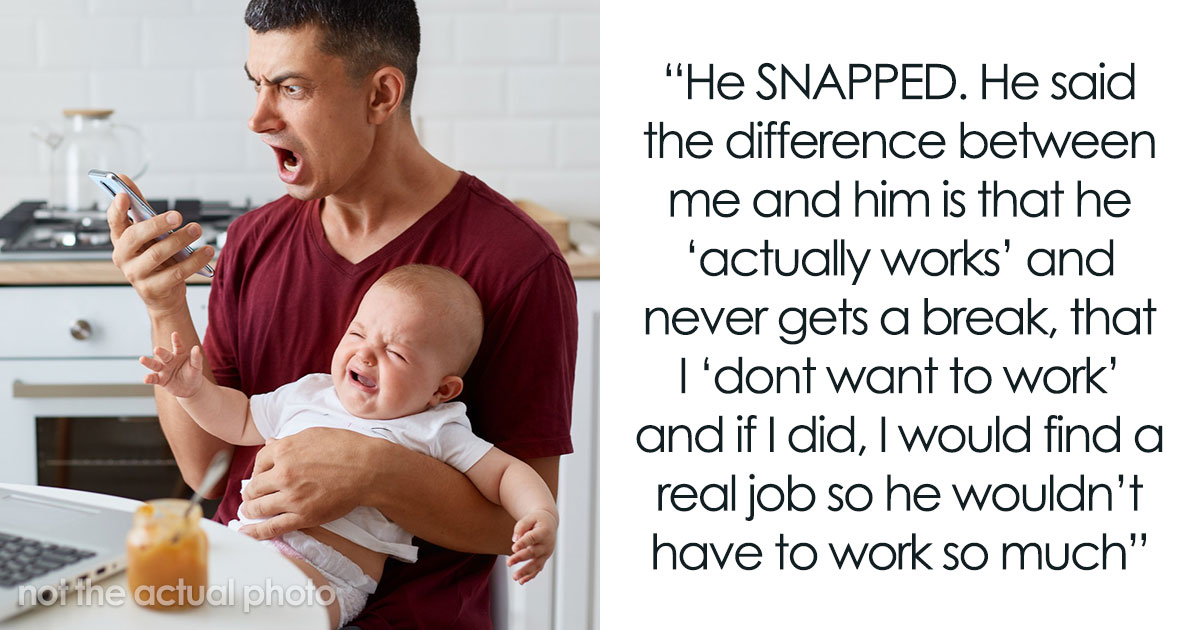
Verbal abuse is the use of words, tone, silence, threats, insults, or repeated criticism to control, intimidate, shame, or emotionally harm another person. It can happen in romantic relationships, families, friendships, schools, workplaces, caregiving situations, and online spaces. Unlike a bad argument, verbal abuse is not simply “someone having a rough day” or “a spicy personality with extra paprika.” It is a pattern of communication that makes another person feel smaller, afraid, confused, guilty, or trapped.
The tricky thing about verbal abuse is that it often leaves no visible bruise. There may be no broken plate, no police report, no dramatic scene worthy of a movie trailer. Instead, the damage can show up as anxiety, self-doubt, exhaustion, isolation, sleep problems, shame, or the feeling that you must carefully edit every sentence before speaking. That is not normal relationship maintenance. That is emotional heavy lifting with no paycheck.
Understanding verbal abuse matters because it is common, often minimized, and deeply harmful. It may appear alone or alongside emotional abuse, digital abuse, financial abuse, physical violence, sexual coercion, stalking, or workplace bullying. The earlier someone recognizes the pattern, the sooner they can set boundaries, seek support, and create a safer plan for themselves.
Verbal Abuse Definition: More Than “Mean Words”
At its core, verbal abuse is language used as a weapon. It may be spoken, written, texted, emailed, posted, whispered, screamed, or delivered through “jokes” that somehow always land like a frying pan. The intent is often to gain power and control, but even when someone says they “didn’t mean it,” the impact still matters.
Healthy conflict focuses on a problem. Verbal abuse attacks a person. For example, “I felt hurt when you canceled our plans” is a difficult but fair conversation. “You ruin everything because you’re selfish and useless” is verbal abuse. One invites repair. The other burns the emotional furniture and then complains about the smoke.
Verbal abuse can be obvious, such as yelling, threats, name-calling, and humiliation. It can also be subtle, such as sarcasm, guilt-tripping, constant correction, dismissing feelings, gaslighting, or giving the silent treatment as punishment. Subtle does not mean harmless. A slow leak can still flood the basement.
Common Signs of Verbal Abuse
Verbal abuse usually becomes clearer when you look for patterns rather than isolated moments. Everyone says something clumsy sometimes. Abuse is different because it repeats, escalates, or creates fear and control.
1. Name-calling and insults
This includes words meant to degrade your intelligence, appearance, worth, background, gender, body, parenting, job, or personality. Phrases like “You’re stupid,” “You’re crazy,” “Nobody else would put up with you,” or “You’re lucky I stay” are not loving honesty. They are emotional demolition.
2. Constant criticism
Helpful feedback is specific and respectful. Verbal abuse is relentless and personal. The person may criticize how you dress, eat, speak, clean, work, parent, laugh, breathe, or load a dishwasher. Apparently, even forks can become a courtroom drama.
3. Humiliation in public or private
An abusive person may mock you in front of friends, embarrass you at family gatherings, expose private information, or make you the punchline of every story. If you object, they may say, “Relax, it was just a joke.” A joke that only one person enjoys is not a joke; it is a tiny parade float for cruelty.
4. Threats and intimidation
Threats may involve leaving, taking children, ruining your reputation, hurting pets, damaging property, reporting you unfairly, exposing secrets, or harming you or themselves. Even if the threat is never carried out, it can keep someone living in fear.
5. Blaming and guilt-tripping
Verbal abuse often flips responsibility. The abusive person may say, “You made me yell,” “If you weren’t so difficult, I wouldn’t act this way,” or “After everything I do for you, you owe me.” This turns the target into both the victim and the supposed cause of the abuse. That math is not mathing.
6. Gaslighting
Gaslighting is a form of manipulation that makes someone doubt their memory, judgment, or reality. Examples include “That never happened,” “You’re too sensitive,” “You’re imagining things,” or “Everyone agrees you’re unstable.” Over time, gaslighting can make a person feel dependent on the abuser’s version of reality.
7. Yelling, raging, or explosive reactions
Not all verbal abuse is loud, but yelling can be abusive when it is used to dominate, scare, punish, or silence someone. A person should not have to monitor another adult’s mood like a weather radar during tornado season.
8. Silent treatment and withholding communication
Silence can be peaceful. It can also be punishment. Refusing to speak, disappearing emotionally, ignoring messages, or withholding affection until the other person apologizes can be a form of control, especially when it happens repeatedly.
9. Controlling language
Verbal abuse may include commands about what you wear, who you see, where you go, how quickly you reply, or what you are “allowed” to say. Control often arrives wearing a disguise labeled “I just care about you.” Caring does not require a password to your phone.
Examples of Verbal Abuse in Real Life
Verbal abuse can appear in many settings. In a romantic relationship, it may sound like, “No one else would love you,” “You’re embarrassing,” or “You’re too dumb to handle money.” In a family, it may sound like, “You’ll never be successful,” “Stop crying or I’ll give you something to cry about,” or “You owe me because I raised you.”
At work, verbal abuse may include public shaming, aggressive emails, mocking someone’s competence, impossible demands paired with personal attacks, or threats about job security. In school, verbal bullying can include teasing, name-calling, taunting, sexual comments, or threats. Online, it may show up as abusive texts, harassment, humiliating posts, or repeated messages meant to intimidate.
The setting changes. The pattern stays familiar: words are used to reduce someone’s freedom, confidence, safety, or sense of self.
Verbal Abuse vs. Normal Conflict
Healthy people argue. Couples disagree. Parents get frustrated. Coworkers clash. A heated conversation does not automatically equal abuse. The difference lies in respect, accountability, and power.
In normal conflict, both people can speak, disagree, take breaks, apologize, and repair. The goal is solving a problem. In verbal abuse, one person uses words to overpower the other. The goal is winning, controlling, punishing, or avoiding responsibility.
A healthy apology sounds like, “I was wrong to speak to you that way. I will work on it.” An abusive apology often sounds like, “I’m sorry you got upset,” “I only yelled because you pushed me,” or “Fine, I guess I’m just the worst person ever.” That last one is not accountability; it is emotional karaoke.
Why Verbal Abuse Is So Confusing
Many people do not recognize verbal abuse right away. One reason is that it often starts slowly. At first, there may be teasing, jealousy framed as romance, or criticism disguised as advice. Later, the comments become sharper. By the time the pattern is obvious, the target may already be doubting themselves.
Another reason is the cycle of “bad behavior, apology, good behavior.” The person may insult you, then apologize, buy gifts, promise to change, or act extra loving. This creates emotional whiplash. You may start focusing on the good moments and minimizing the harmful ones. Hope is powerful, but hope should not require you to live under a verbal sprinkler system of insults.
Verbal abuse is also confusing because outsiders may not see it. The abusive person may be charming in public and cruel in private. This can make the target wonder, “Is it really that bad?” If someone repeatedly makes you feel afraid, worthless, trapped, or responsible for their cruelty, it is serious.
Effects of Verbal Abuse on Mental and Physical Health
Verbal abuse can affect the whole person. Emotionally, it may lead to anxiety, depression, shame, low self-esteem, panic, emotional numbness, irritability, or difficulty trusting others. Mentally, it can create confusion, self-blame, concentration problems, and a constant need to “prove” reality.
Physically, chronic stress may show up as headaches, stomach problems, muscle tension, fatigue, sleep disturbances, appetite changes, or a weakened sense of overall well-being. The body often keeps score even when the mind is trying to say, “It’s fine, everything is fine,” while standing in a room clearly on fire.
For children and teens, repeated verbal abuse can shape identity, emotional regulation, school performance, friendships, and future relationships. A child who is constantly called lazy, stupid, dramatic, or worthless may begin to believe those words are facts. They are not facts. They are injuries.
What Verbal Abuse Is Not
Verbal abuse is not passion. It is not honesty. It is not “just how my family talks.” It is not a cultural requirement, a communication style, or proof that someone cares. It is also not caused by the target’s behavior. People can feel angry, hurt, stressed, jealous, or disappointed without choosing to degrade someone.
It is also important to avoid excusing abuse because of alcohol, stress, trauma, mental health struggles, or a difficult childhood. Those issues may explain pain, but they do not justify harming another person. Responsibility still belongs to the person using abusive behavior.
How to Respond to Verbal Abuse Safely
If you are experiencing verbal abuse, your safety comes first. Not every situation is safe for direct confrontation. Some people become more aggressive when challenged. Trust your instincts and consider support from a counselor, domestic violence advocate, human resources professional, school administrator, trusted friend, or family member.
Set clear boundaries when it is safe
You might say, “I will not continue this conversation while you are insulting me,” or “Do not call me names. I am leaving the room now.” Boundaries are not magic spells. They are clear statements followed by action.
Document the pattern
Keeping a private record of dates, messages, emails, screenshots, witnesses, and incidents can help you see patterns and may be useful if you need workplace support, legal advice, school intervention, or a safety plan.
Do not argue with gaslighting
When someone is committed to denying reality, a debate can become a merry-go-round with worse music. Instead of trying to convince them, you can say, “I remember it differently,” “I’m not discussing this further,” or “I need space.”
Build support outside the abusive relationship
Isolation makes abuse stronger. Talk to someone trustworthy. A safe person will not pressure you, blame you, or demand that you make a big decision immediately. They will listen, believe you, and help you think clearly.
Create a safety plan
If the verbal abuse includes threats, stalking, physical intimidation, weapon access, escalating control, or fear for your safety, consider a safety plan. This may include identifying safe places, saving emergency contacts, keeping important documents accessible, creating a code word, protecting digital privacy, and contacting a domestic violence hotline or local support organization.
When to Get Professional Help
Consider professional support if verbal abuse is affecting your sleep, mood, self-worth, work, parenting, friendships, or ability to make decisions. Therapy can help you rebuild confidence, understand trauma responses, practice boundaries, and separate your identity from the abusive messages you received.
If you are in immediate danger, contact emergency services. If you are in the United States and dealing with relationship abuse, the National Domestic Violence Hotline can provide confidential support. If sexual coercion, assault, stalking, or harassment is part of the situation, survivor-focused organizations can also help with safety planning and recovery.
How to Support Someone Experiencing Verbal Abuse
If someone tells you they are being verbally abused, avoid saying, “Why don’t you just leave?” Leaving can be complicated and sometimes dangerous. Instead, say, “I believe you,” “This is not your fault,” and “How can I support you safely?”
Do not confront the abusive person on the survivor’s behalf unless the survivor asks and it is safe. Do not share their story without permission. Offer practical help: a place to stay, transportation, childcare, documentation storage, or simply a calm conversation where nobody gets judged for having complicated feelings.
Experience-Based Reflections: What Verbal Abuse Can Feel Like
People who have experienced verbal abuse often describe it less as one terrible sentence and more as an atmosphere. It is the feeling of walking into a room and immediately checking the emotional temperature. Is today a normal day, or is a storm forming behind someone’s eyes? You may become an expert in footsteps, door sounds, typing speed, facial expressions, and the exact meaning of “fine.” Congratulations, your nervous system has become a detective. Unfortunately, it did not apply for the job.
One common experience is learning to shrink. A person may stop sharing opinions because every opinion becomes an argument. They may stop seeing friends because the accusations are not worth the headache. They may stop wearing certain clothes, laughing too loudly, asking questions, or bringing up needs. Over time, life gets smaller. The target may not notice at first because the shrinking happens inch by inch, like emotional laundry in a very mean dryer.
Another common experience is confusion after “good days.” The abusive person may be charming, funny, generous, affectionate, or apologetic. They may cook dinner, send sweet texts, or say all the right things. This can make the target think, “Maybe I exaggerated. Maybe they are changing. Maybe I should be more patient.” Hope is understandable. Many survivors stay not because they are weak, but because they are trying to make sense of two different versions of the same person.
Verbal abuse can also create a habit of over-explaining. Survivors may write long texts defending normal choices. They may apologize for things that are not their fault. They may feel guilty for resting, spending money, talking to friends, or needing privacy. In healthy relationships, you do not need a 14-slide presentation to justify having feelings.
Healing often begins with naming what happened. The words “verbal abuse” can feel heavy, but they can also bring relief. Naming it helps move the question from “What is wrong with me?” to “What happened to me, and what do I need now?” That shift matters. It returns responsibility to the person who caused harm and gives the survivor permission to care for themselves.
Recovery may include therapy, support groups, journaling, rebuilding friendships, practicing boundaries, learning about trauma, and slowly rediscovering preferences. What music do I like? What do I want for dinner? What do I believe? What would I do if nobody mocked me for trying? These questions can feel small, but they are actually pieces of a person coming home to themselves.
For some, healing means leaving the relationship. For others, it means setting firm boundaries with a family member, reporting workplace bullying, limiting contact, or protecting children from harmful language. There is no one-size-fits-all path. The goal is not to become instantly fearless. The goal is to become safer, clearer, and less alone.
Conclusion
Verbal abuse is a serious form of emotional harm that uses words, tone, threats, humiliation, manipulation, or silence to control another person. It can happen anywhere: at home, at school, at work, online, or in dating relationships. It is not normal conflict, not love, not honesty, and not the victim’s fault.
Recognizing verbal abuse is the first step toward safety and healing. Pay attention to patterns: repeated insults, fear, control, gaslighting, public humiliation, threats, isolation, and the slow erosion of confidence. Healthy relationships may include disagreement, but they do not require you to abandon your dignity to keep the peace.
If you are experiencing verbal abuse, you deserve support. Talk to someone safe, document what is happening, protect your privacy, and consider professional or advocacy resources. Words can wound, but the right words can also help rebuild: You are not crazy. You are not too sensitive. You are not alone. And you deserve to be spoken to with respect.