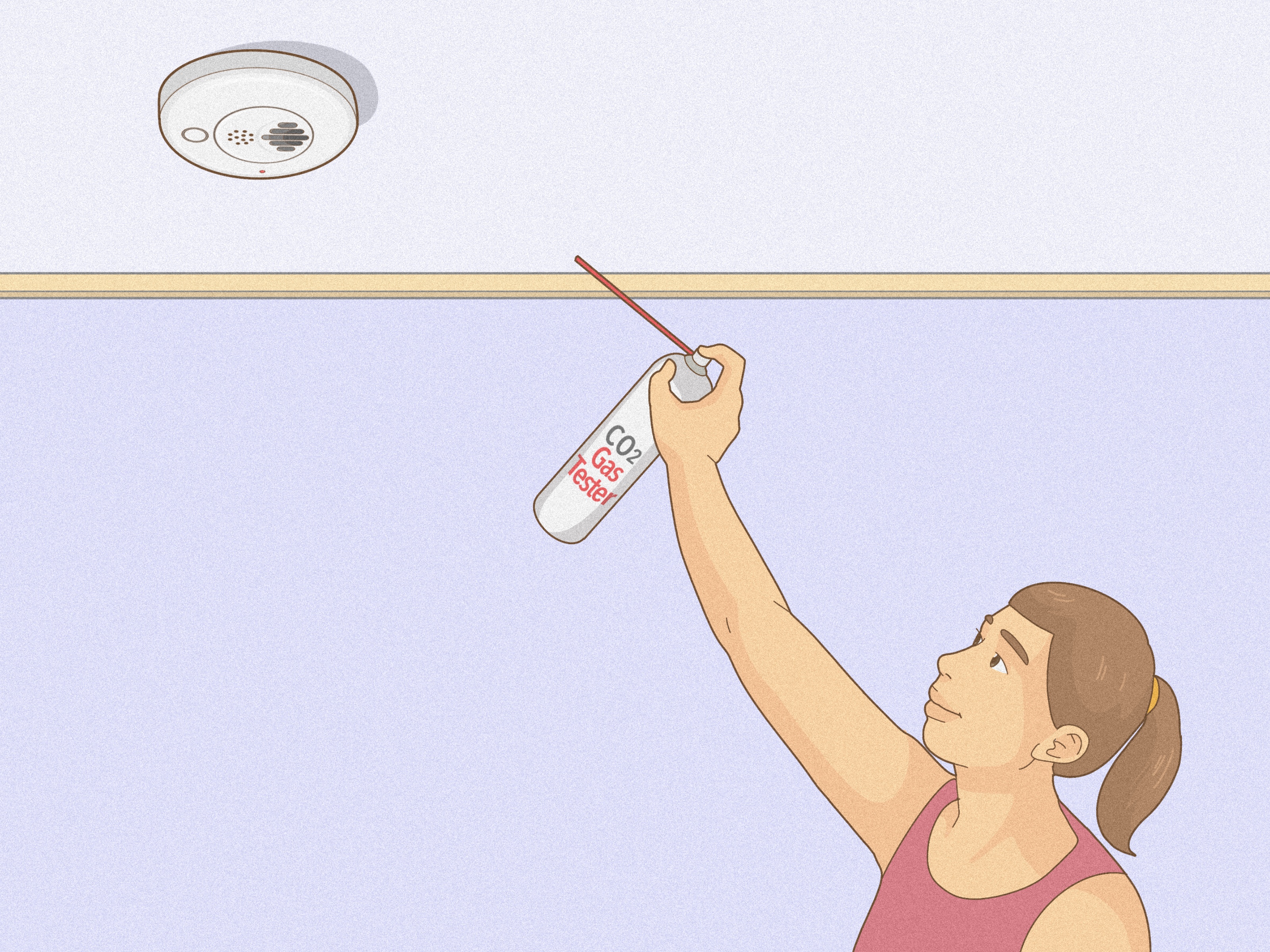
A carbon monoxide detector beeping is one of those household sounds that can instantly turn a peaceful evening into a small indoor thunderstorm. One second you are making coffee, watching TV, or trying to convince yourself that laundry can wait until tomorrow, and the next secondbeep. Beep. Beep. Suddenly, everyone in the house is staring at the ceiling like it just delivered breaking news.
The tricky part is that not every beep means the same thing. A carbon monoxide alarm may be warning you about dangerous carbon monoxide levels, a low battery, a power issue, a sensor problem, or the end of the detector’s useful life. But because carbon monoxide is invisible, odorless, and potentially deadly, the first rule is simple: treat any alarm pattern seriously until you know what is happening.
This guide explains what to do if your carbon monoxide detector is beeping, how to understand common beep patterns, when to evacuate, when to replace the unit, and how to prevent future problems. Think of it as your calm, practical checklist for a very loud little box that deserves your attention.
First Things First: Is It Beeping or Chirping?
Before you start troubleshooting, listen carefully. Carbon monoxide detectors usually make two general types of sounds: an emergency alarm or a maintenance chirp.
Emergency Alarm: Repeated Loud Beeps
A true carbon monoxide alarm is usually a loud repeating pattern. Many common models use four quick beeps, followed by a pause, then four beeps again. Some alarms may also include a voice warning such as “Warning: carbon monoxide.” This pattern means the detector may have sensed unsafe levels of carbon monoxide.
If you hear a loud repeated alarm pattern, do not stand around debating whether the detector is being dramatic. Evacuate immediately. Gather people and pets, move outside to fresh air, and call 911 or your local emergency services. Do not go back inside until emergency responders say it is safe.
Maintenance Chirp: One Short Chirp Every 30 to 60 Seconds
A single chirp every minute often means the battery is low, the unit has lost power, or the detector needs attention. This is different from the emergency alarm, but it still matters. A detector with weak batteries or a failing sensor may not protect you when you need it most.
Here is the important safety rule: if anyone in the home has symptoms such as headache, dizziness, nausea, weakness, confusion, shortness of breath, or unusual sleepiness, leave the home first and call emergency services. Do not assume it is “just the battery” when people feel sick.
What to Do Immediately If Your Carbon Monoxide Alarm Sounds
If your carbon monoxide detector is beeping in a loud repeating alarm pattern, follow these steps right away.
1. Get Everyone Outside
Move all people and pets outdoors to fresh air. Carbon monoxide can affect people quickly, especially children, older adults, pregnant people, and anyone with heart or breathing conditions. Do not waste time opening every window or searching for the source. Your first job is to leave safely.
2. Call 911 or the Fire Department
Once you are outside, call emergency services. Firefighters or qualified responders can test the home for carbon monoxide and help identify whether there is an active hazard. If someone has symptoms, say so clearly during the call.
3. Do a Head Count
Make sure everyone is accounted for. This includes children, guests, roommates, grandparents, and the family dog who thinks every emergency is a new game. Stay together in a safe outdoor location away from doors, windows, vents, and attached garages.
4. Do Not Reenter the Home
Do not go back inside to grab your phone charger, wallet, laptop, favorite hoodie, or “just one thing.” Carbon monoxide exposure can impair judgment and cause people to become weak or confused. Wait for emergency responders to inspect the home and give the all-clear.
5. Do Not Use Suspected Appliances
If responders determine that a furnace, water heater, fireplace, stove, dryer, generator, or other fuel-burning appliance caused the carbon monoxide problem, do not use it again until it has been repaired by a qualified professional.
Common Reasons a Carbon Monoxide Detector Beeps
Once you have ruled out an emergency, you can investigate why the detector is making noise. The exact meaning depends on your model, so always check the manufacturer’s instructions. Still, most carbon monoxide alarms follow a few common patterns.
Low Battery
A short chirp every 30 to 60 seconds often means the battery is low. Replace the batteries with the type recommended by the manufacturer. If the detector is hardwired, remember that many hardwired units still have backup batteries.
After replacing the battery, press the test button to make sure the unit works. If the chirping continues after fresh batteries are installed correctly, the problem may be something else.
End-of-Life Warning
Carbon monoxide detectors do not last forever. Many units need replacement after five, seven, or ten years, depending on the model. When a detector reaches the end of its life, it may chirp regularly even after you replace the battery. That is not the detector being stubborn; it is telling you its sensor is no longer reliable.
Look for the manufacture date or replacement date printed on the back or side of the alarm. If the unit is expired, replace the entire detector. Do not keep an old carbon monoxide alarm around as decorative wall art with anxiety issues.
Power Problem
Plug-in and hardwired carbon monoxide detectors may beep because of a power interruption, loose connection, tripped breaker, or backup battery issue. Check whether the unit is firmly plugged in or properly seated on its mounting plate. If you are not comfortable checking electrical connections, contact a qualified electrician.
Sensor Fault or Malfunction
Some carbon monoxide alarms chirp when the sensor has failed or the unit needs service. Dust, age, humidity, or internal problems can affect performance. If your alarm manual says the beep pattern means “fault,” “error,” or “malfunction,” replace the unit or contact the manufacturer.
Actual Carbon Monoxide Detection
The most serious reason is, of course, actual carbon monoxide in the home. Carbon monoxide can come from malfunctioning furnaces, gas water heaters, fireplaces, wood stoves, gas ranges, dryers, portable generators, grills, vehicles in attached garages, or blocked chimneys and vents.
Never ignore an alarm because you cannot smell anything. Carbon monoxide has no smell. That is its whole villain origin story.
How to Tell the Difference Between a False Alarm and Real Danger
The safest answer is: do not try to prove it is a false alarm while standing inside the house. If the alarm is sounding in an emergency pattern, leave first. Let emergency responders test the air.
After the home is declared safe, you can look for possible causes. Was someone using a generator too close to the house? Was a car running in the garage? Was the furnace recently serviced? Was the fireplace damper closed? Was there heavy snow blocking vents? These clues can help identify the problem, but they should not replace professional testing.
Also, never rely on symptoms alone. Some people feel sick quickly, while others may not notice symptoms right away. Sleeping people are especially vulnerable because they may not wake up before carbon monoxide becomes dangerous.
Symptoms of Carbon Monoxide Poisoning You Should Never Ignore
Carbon monoxide poisoning can feel like the flu, food poisoning, stress, or “I stayed up too late scrolling again.” Common symptoms include:
- Headache
- Dizziness
- Weakness
- Nausea or vomiting
- Shortness of breath
- Chest pain
- Confusion
- Blurred vision
- Unusual sleepiness
If multiple people in the home feel sick at the same time, or symptoms improve after going outside, carbon monoxide should be taken seriously. Get fresh air immediately and call emergency services.
Should You Reset a Carbon Monoxide Detector?
You can reset a carbon monoxide detector only after you have ruled out danger. If the alarm sounded in an emergency pattern, evacuate and call 911 first. Do not silence the alarm and continue making pancakes as though your detector simply had an opinion about breakfast.
After responders confirm the home is safe, follow the user manual for your specific model. Many alarms have a test/reset button. Hold it as directed, then listen for the test sequence. If the alarm continues to beep after reset, battery replacement, cleaning, and proper placement, replace the unit.
Where Carbon Monoxide Detectors Should Be Installed
Proper placement makes a big difference. In general, homes should have carbon monoxide alarms on every level, outside sleeping areas, and in locations required by local code. Larger homes may need additional detectors, especially near bedrooms or rooms with fuel-burning appliances.
If you only have one carbon monoxide detector, place it near sleeping areas where it is loud enough to wake people. However, one detector is usually not enough for a multi-level home. Carbon monoxide can build up in different areas, and you want early warning wherever people sleep or spend time.
Good Places for CO Detectors
- Outside each sleeping area
- On every level of the home
- Near attached garages, according to manufacturer instructions
- In bedrooms if doors are usually closed at night
- Near but not directly beside fuel-burning appliances
Places to Avoid
- Too close to fuel-burning appliances, unless the manual says otherwise
- Bathrooms or very humid areas
- Directly beside windows, doors, or vents
- Dusty areas, garages, or workshops unless the unit is rated for that location
- Behind curtains, furniture, or anything that blocks airflow
Always follow the placement instructions for your detector. Different models may have different requirements for wall height, distance from appliances, and room placement.
How to Stop a Carbon Monoxide Detector from Chirping Safely
If the sound is a maintenance chirp and there are no symptoms or emergency alarm patterns, try these steps.
Replace the Battery
Install fresh batteries. Use the exact battery type recommended by the manufacturer. Cheap mystery batteries from the back of a drawer may not be your best safety investment.
Check the Expiration Date
Remove the detector from its mount and look for the manufacture date or replacement label. If it has expired, replace the entire unit.
Clean the Detector
Dust can interfere with sensors. Gently vacuum around the alarm openings using a soft brush attachment. Do not spray cleaners, water, or chemicals into the detector.
Confirm Proper Placement
If the detector is too close to a furnace, stove, fireplace, or bathroom, it may experience nuisance alarms or sensor issues. Move it only according to the manufacturer’s instructions.
Replace the Alarm If the Chirp Continues
If a detector keeps chirping after a new battery, cleaning, reset, and placement check, replace it. A carbon monoxide detector is not the place to practice extreme frugality. Save that energy for couponing cereal.
How to Prevent Carbon Monoxide Problems
Carbon monoxide safety is not just about reacting to a beep. Prevention matters, especially during colder months when heating systems, fireplaces, and generators are used more often.
Schedule Annual Heating System Service
Have your furnace, boiler, chimney, fireplace, water heater, and other fuel-burning appliances inspected by qualified professionals. A yearly tune-up can catch ventilation problems, cracks, blockages, and combustion issues before they become dangerous.
Use Generators Outdoors Only
Portable generators should never be used inside a home, garage, basement, porch, or enclosed area. They should be operated outdoors, far from windows, doors, and vents, with exhaust directed away from the house.
Never Use a Gas Oven to Heat the Home
A gas oven is for baking cookies, roasting vegetables, and occasionally rescuing frozen pizza. It is not a space heater. Using gas appliances incorrectly can create carbon monoxide hazards.
Keep Vents Clear
Dryer vents, furnace vents, fireplace flues, and appliance exhaust pipes should stay clear of snow, leaves, nests, lint, and debris. Blocked vents can push carbon monoxide back into the home.
Test Detectors Monthly
Press the test button once a month. Replace batteries as recommended, and replace the entire detector at the end of its service life. Put reminders on your phone calendar so future you does not have to solve a 2 a.m. chirping mystery.
When to Replace Your Carbon Monoxide Detector
Replace your carbon monoxide detector when:
- It has reached the manufacturer’s replacement date
- It continues chirping after battery replacement
- The manual says the beep pattern means end-of-life
- It fails a test
- It was damaged, painted, soaked, or exposed to heavy dust
- You recently moved into a home and do not know the detector’s age
When buying a new detector, choose a model listed by a recognized testing laboratory, such as UL. Consider alarms with battery backup, digital display, voice alerts, or interconnection so that when one alarm sounds, all alarms sound.
Real-Life Experiences: What a Beeping Carbon Monoxide Detector Teaches You
Most people do not think about carbon monoxide detectors until one starts beeping at the least convenient possible time. That is usually how home safety works. The smoke alarm chirps during a movie, the CO detector complains during dinner, and the flashlight batteries vanish exactly when the power goes out. But those annoying moments often teach the lessons people remember.
One common experience is the “middle-of-the-night chirp.” A homeowner wakes up at 2:17 a.m. to one tiny beep every minute. At first, nobody knows where it is coming from. Everyone walks around the house half-awake, tilting their heads like confused owls. Eventually, they find the carbon monoxide detector in the hallway. It is not sounding a full emergency alarm, but it is chirping steadily. The battery is low. The lesson? Keep fresh batteries in a known drawer, not in “that one place” nobody can locate.
Another experience happens after moving into a new house or apartment. The detector looks fine from the outside, but when someone checks the label, they discover it expired years ago. The previous owner painted around it, dust collected inside it, and the poor little device has been hanging on the wall like a retired security guard. The lesson? When you move in, check every alarm: smoke alarms, carbon monoxide alarms, and combination units. Replace anything expired or questionable.
There is also the “false alarm that was not false” experience. A family hears the CO alarm, assumes it must be malfunctioning, and almost silences it. Then they decide to step outside and call the fire department anyway. Responders arrive and detect carbon monoxide from a faulty furnace or blocked vent. Nobody smelled anything because there was nothing to smell. The lesson? A carbon monoxide detector is not guessing. If it gives an emergency signal, leave first and investigate later.
Renters have their own version of the story. A detector chirps in an apartment, and the tenant is tempted to remove the battery because the sound is irritating. Instead, they contact the landlord or property manager and request a replacement. That simple decision matters because renters may not control the building’s heating equipment, water heaters, or shared ventilation systems. The lesson? A chirping alarm is a maintenance request with a soundtrack. Document it, report it, and get it fixed.
Parents often learn the value of explaining alarm sounds to kids. A child may panic when a detector beeps, or worse, ignore it because alarms go off during cooking or battery changes. Families can practice a simple plan: if the CO alarm makes a loud repeating sound, everyone goes outside to the meeting spot. No hiding, no searching for toys, no arguing about shoes. The lesson? Safety plans work best when they are boring, clear, and practiced before a real emergency.
The biggest experience-based takeaway is that a carbon monoxide detector is not just another household gadget. It is a quiet guardian most days and a loud lifesaver when needed. Treat the beep as information. Sometimes it says, “Change my battery.” Sometimes it says, “Replace me.” And sometimes it says, “Leave now.” Learning the difference can protect your home, your family, and your peace of mind.
Conclusion
If your carbon monoxide detector is beeping, do not ignore it, unplug it, or pull the battery just to restore silence. First, identify whether it is a loud emergency alarm or a maintenance chirp. If the alarm is sounding in a repeating emergency pattern, get everyone outside, call 911, and stay out until responders say the home is safe. If it is a single chirp, replace the battery, check the expiration date, clean the unit, and replace the detector if needed.
Carbon monoxide is dangerous because you cannot see it, smell it, or taste it. A working CO detector gives you the warning your senses cannot. Test your alarms monthly, place them correctly, service fuel-burning appliances, and replace old units on schedule. Your detector may be small, but when it speaks, listen.
Note: This article is based on widely accepted U.S. home safety guidance from public health, fire safety, consumer safety, medical, and carbon monoxide alarm manufacturer resources. Always follow your detector’s manual and local emergency instructions.