Ask five people for the best AC temperature for sleep and you may get six answers, because one person will change their mind after fighting with the comforter at 2:14 a.m. The classic sleep advice says your bedroom should be cooloften somewhere around 60 to 67 degrees Fahrenheit. But newer research, especially involving older adults, suggests that warmer rooms may work better for some sleepers. Then the energy experts walk into the room and politely remind everyone that freezing your bedroom like a supermarket produce aisle can make your utility bill sweat.
So, what is the best AC temperature for sleep? The honest answer is: it depends on your body, your age, your bedding, your climate, your humidity, and whether your partner sleeps like a tropical lizard or a penguin with Wi-Fi. Still, there is a practical sweet spot. For many adults, setting the AC between 65 and 70 degrees Fahrenheit is a smart starting point. From there, you can adjust up or down based on comfort, sleep quality, and energy costs.
This guide breaks down why experts disagree, what science actually says, and how to find the best nighttime AC setting without turning your bedroom into either a sauna or a walk-in freezer.
Why Bedroom Temperature Matters So Much for Sleep
Sleep is not just “lying down with your eyes closed and hoping tomorrow behaves.” It is a biological process controlled by circadian rhythm, hormones, light exposure, and body temperature. In the evening, your core body temperature naturally begins to drop. That cooling process helps signal to the brain that it is time to fall asleep.
A cooler bedroom can support that natural temperature decline. If the room is too warm, your body may struggle to release heat. That can lead to tossing, sweating, lighter sleep, and more wake-ups. If the room is too cold, your body may work harder to stay warm, which can also disturb rest. The goal is not “cold.” The goal is comfortable cooling.
The Body’s Nightly Cool-Down
Before sleep, blood flow often increases to the hands and feet. That helps move heat away from the body’s core. This is one reason warm feet can sometimes make it easier to fall asleep, even when the room itself is cool. It sounds backward, but sleep science loves a plot twist.
When your bedroom temperature works with this natural cooling cycle, you may fall asleep faster and stay asleep longer. When it works against the cycle, sleep can become choppy. The AC setting is only one part of the puzzle, but it is an important one because it affects the entire sleep environment.
The Classic Expert Answer: 60 to 67 Degrees Fahrenheit
For years, many sleep experts have recommended keeping the bedroom between 60 and 67 degrees Fahrenheit. This range is often described as ideal for adults because it supports the body’s nighttime drop in core temperature. The National Sleep Foundation has long suggested that a bedroom temperature in this range can promote better sleep. Cleveland Clinic also notes that adult sleep temperature is often recommended between 60 and 67 degrees Fahrenheit.
That advice is simple, memorable, and useful. It gives people a target instead of leaving them to spin the thermostat dial like they are cracking a bank vault. For many sleepersespecially those who run hot, live in humid climates, or use heavy beddingcooler settings can make a noticeable difference.
Why 65 Degrees Became the Famous Sleep Number
Many sleep resources now point to about 65 degrees Fahrenheit as a common “best bedroom temperature for sleep.” It is cool enough to encourage heat loss but not so cold that most people start shivering under three blankets and questioning their life choices.
However, 65 degrees is not a law of nature. It is a starting point. Some people feel great at 66 or 67. Others need 70. A hot sleeper in Florida may dream happily at 64. A cold sleeper in Arizona may want 72 with breathable sheets and a fan. Your body is the final judge, and it has never once cared about a perfect infographic.
Why Science Disagrees: Older Adults May Sleep Better Warmer
Here is where the debate gets interesting. A 2023 study on older adults found that sleep appeared most efficient and restful when nighttime bedroom temperature ranged from about 68 to 77 degrees Fahrenheit. The study also found that sleep efficiency dropped when temperatures rose higher, especially from around 77 to 86 degrees Fahrenheit.
This does not mean everyone should set the AC to 77 tonight and declare victory. The study focused on older adults, and individual differences were substantial. But it does show that the classic 60-to-67-degree advice may not fit every age group equally.
Why Age Changes the Sleep Temperature Equation
As people age, their bodies may regulate temperature differently. Older adults may also have changes in circulation, metabolism, medication use, melatonin patterns, and sensitivity to cold. A room that feels pleasantly cool to a 28-year-old may feel uncomfortably chilly to a 72-year-old.
That is why the best AC temperature for sleep should not be treated as a universal commandment. It is better to think of sleep temperature as a comfort zone that shifts by age, health, season, and personal preference.
The Energy-Efficiency Argument: Your AC Bill Has Opinions
Sleep experts often focus on biology. Energy experts focus on the fact that your air conditioner is not powered by fairy dust. The U.S. Department of Energy explains that raising your thermostat in summer can reduce cooling costs because a smaller difference between indoor and outdoor temperature lowers the cooling load. It also advises using programmable thermostats to adjust temperatures when you are asleep or away.
This is where the “best AC temperature for sleep” becomes a balancing act. A very cool bedroom may feel wonderful, but setting the AC to 62 degrees during a hot summer night can be expensive and inefficient, especially in poorly insulated homes. On the other hand, setting it too high may save energy but wreck your sleep. A cheap electric bill is less exciting when you wake up feeling like a microwaved burrito.
A Practical Energy-Sleep Compromise
For many households, 68 to 72 degrees Fahrenheit is a realistic compromise for sleep and energy use. Hot sleepers may need to go lower. Cold sleepers may be comfortable higher. If you use a ceiling fan, lightweight bedding, blackout curtains, or a dehumidifier, you may be able to sleep comfortably at a slightly warmer thermostat setting.
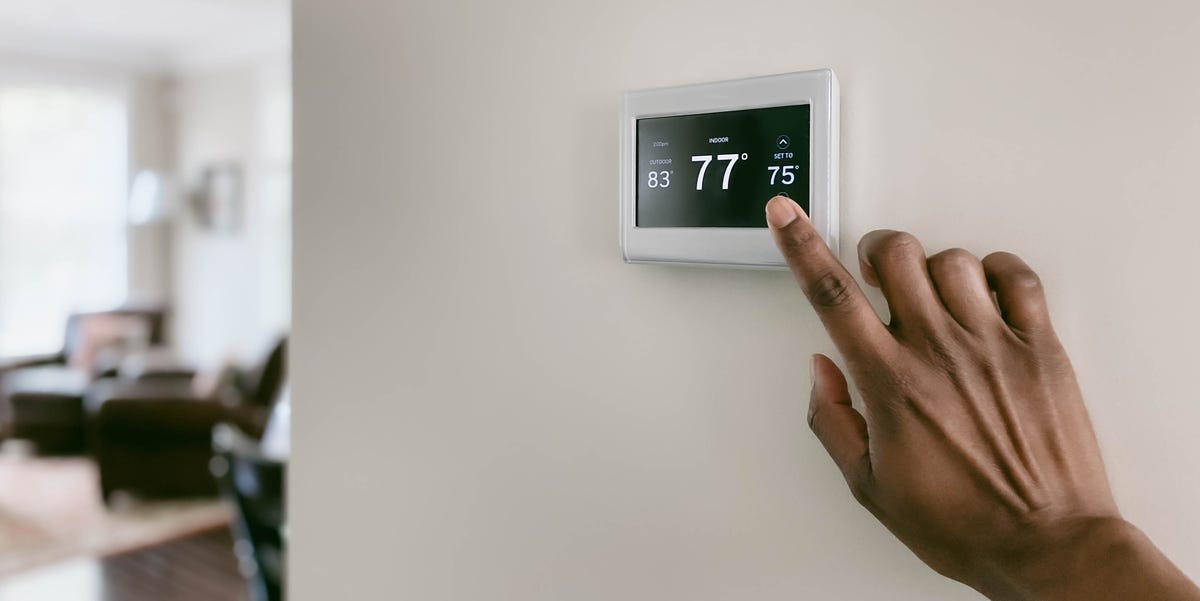
ENERGY STAR also notes that smart thermostats can save energy by automatically adjusting heating and cooling based on schedules, occupancy, and preferences. That matters because consistency is key. Your bedroom should be comfortable before you are already lying there, sweating and bargaining with the universe.
Humidity: The Sneaky Sleep Villain
Temperature gets all the attention, but humidity is the quiet troublemaker wearing socks on a hardwood floor. A room at 72 degrees with low humidity can feel comfortable. A room at 72 degrees with high humidity can feel like you are sleeping inside soup.
The EPA recommends keeping indoor humidity in a healthy range, often around 30 to 50 percent, to reduce moisture problems and mold risk. For sleep comfort, humidity matters because sweat evaporates less effectively when the air is too damp. That makes the body feel warmer, even when the thermostat number looks reasonable.
Best AC Setting for Humid Climates
If you live in a humid area, the best AC temperature for sleep may be slightly cooler than what works in a dry climate. But the bigger fix may be moisture control. Running the AC long enough to remove humidity, using a dehumidifier, sealing air leaks, and changing HVAC filters can all improve nighttime comfort.
A bedroom that is cool, dry, dark, and quiet is usually better than one that is simply cold. Your AC should not have to do all the work while your bedding, windows, and humidity quietly sabotage the mission.
Best AC Temperature for Different Sleepers
There is no single thermostat setting that works for everyone, but these ranges can help you start testing.
For Most Adults
Start around 65 to 70 degrees Fahrenheit. If you wake up sweaty or restless, lower the temperature by one or two degrees. If you wake up cold, stiff, or buried under blankets like a camping accident, raise it slightly.
For Hot Sleepers
Try 64 to 67 degrees Fahrenheit, plus breathable sheets, moisture-wicking sleepwear, and a fan. Hot sleepers often benefit from air movement as much as lower temperature. A ceiling fan can make the room feel cooler without forcing the AC to work as hard.
For Cold Sleepers
Try 68 to 72 degrees Fahrenheit with lighter layering options. Instead of overheating the whole room, use breathable blankets that can be adjusted easily. A warmer room with better bedding may beat a cold room with a blanket mountain.
For Older Adults
Try 68 to 74 degrees Fahrenheit as a starting range. Some older adults may sleep comfortably even warmer, but avoid letting the bedroom become hot or stuffy. Because medications and medical conditions can affect heat sensitivity, older adults should pay close attention to signs of overheating, dehydration, or cold stress.
For Babies and Young Children
Infants and young children need special caution because overheating is a safety concern. Many pediatric sleep recommendations focus less on a single thermostat number and more on safe sleep: avoid overdressing, keep the sleep surface clear, and check the baby’s neck or chest to see whether they feel sweaty or overheated. A slightly cool, comfortable room is usually better than a warm, bundled sleep environment.
How to Find Your Personal Sleep Temperature Sweet Spot
The best way to find your ideal AC temperature is to run a simple sleep experiment. Not a dramatic lab experiment with wires attached to your headjust a normal-person test that does not require a clipboard unless you enjoy feeling official.
Step 1: Pick a Starting Temperature
Start at 68 degrees Fahrenheit if you are unsure. It sits near the middle of common sleep advice and is practical for many homes. Keep your bedding and sleepwear the same for three nights so you are testing the temperature, not seventeen variables at once.
Step 2: Track How You Feel
Each morning, write down how long it seemed to take you to fall asleep, whether you woke up hot or cold, how many times you remember waking, and how rested you feel. You do not need a perfect sleep score. A simple “slept well,” “too hot,” or “woke up cold” is enough.
Step 3: Adjust Slowly
Move the thermostat by one or two degrees at a time. Sudden big changes can confuse the results. If 68 feels too warm, try 66. If 68 feels too cold, try 70. After a week or two, patterns usually appear.
Step 4: Factor in Bedding
Bedding can completely change your ideal temperature. Heavy comforters trap heat. Polyester sheets may feel warmer than cotton, bamboo, linen, or other breathable fabrics. Memory foam mattresses can also retain heat. Before blaming the AC, check whether your bed is secretly running a small tropical resort.
AC Tips for Better Sleep Without Freezing the House
You can improve sleep comfort without setting the thermostat dramatically lower. The goal is to create a cooler sleep environment around your body, not necessarily to refrigerate every square foot of your home.
Use a Fan Strategically
A fan helps circulate air and can create a cooling effect on the skin. It also provides steady background noise, which some sleepers find soothing. Just remember that fans are not a complete safety solution in extreme indoor heat. When indoor temperatures become dangerously high, air conditioning or a cooler location may be necessary.
Block Heat During the Day
Close blinds or curtains during hot afternoon hours, especially on sunny windows. Less daytime heat means your AC does not have to fight as hard at night. Blackout curtains can help with both temperature and light control, which is a nice two-for-one deal in the sleep department.
Pre-Cool the Bedroom
If you use a programmable or smart thermostat, schedule the bedroom to cool down before bedtime. This can help your body transition into sleep without forcing the AC to run aggressively all night. Pre-cooling is especially useful in upstairs bedrooms, which often collect heat like they are training for a summer marathon.
Keep HVAC Filters Clean
Dirty filters restrict airflow and can reduce cooling performance. Clean or replace filters according to your system’s instructions. Better airflow can improve temperature control, indoor air quality, and humidity management.
Do Not Set the AC Extra Low to Cool Faster
Setting the thermostat much colder than your target usually will not cool the room faster. It simply makes the system run longer and may waste energy. Pick the temperature you actually want. Your AC is not impressed by dramatic gestures.
So, What Is the Best AC Temperature for Sleep?
For most adults, the best AC temperature for sleep is usually somewhere between 65 and 70 degrees Fahrenheit. If you want one practical starting number, choose 68 degrees. Then adjust based on how you sleep, not based on what a stranger on the internet insists is “perfect.” Yes, including this stranger.
If you are a hot sleeper, try 64 to 67 degrees. If you are an older adult or someone who gets cold easily, try 68 to 74 degrees. If energy savings are a priority, use fans, breathable bedding, humidity control, and smart thermostat scheduling to stay comfortable at the warmest setting that still supports good sleep.
The real winner is not one magic number. It is the temperature that helps you fall asleep, stay asleep, and wake up without feeling like you wrestled your sheets all night.
Real-World Experiences: What Actually Happens When People Change Their AC at Night
In real homes, the best AC temperature for sleep is rarely discovered in one perfect evening. It usually appears after a few nights of trial, error, and mild thermostat diplomacy. One common experience is the “too hot at midnight, too cold at 4 a.m.” problem. A person sets the AC to 66 degrees because the bedroom feels warm at bedtime. It works beautifully for the first few hours. Then the outdoor temperature drops, the AC keeps cycling, and suddenly the same sleeper wakes up cold, annoyed, and wrapped in the edge of the comforter like a burrito with trust issues.
Another familiar situation happens in couples. One partner wants the room at 64 degrees and sleeps with one foot outside the blanket for advanced climate control. The other wants 72 degrees and considers socks a medical necessity. In that case, the answer is often not a single perfect thermostat setting. It is a bedding solution. Separate blankets, breathable layers, a fan aimed at one side of the bed, or cooling pillows can prevent the nightly thermostat debate from becoming a full domestic summit.
Parents often report a different challenge. They may want the nursery or child’s room comfortable, but they worry about overheating. The practical solution is to focus on the child’s body, not just the wall thermostat. A baby or toddler who is sweaty around the neck or chest may be too warm, even if the room temperature seems normal. A child with cool hands may still be comfortable, because hands and feet can feel cooler than the core. Lightweight sleepwear and a steady room temperature usually work better than heavy blankets or constant AC changes.
People in humid climates have another story entirely. Someone in Georgia, Florida, Louisiana, or coastal Texas might set the AC to 72 degrees and still feel sticky. Meanwhile, someone in a dry climate may sleep comfortably at 74 degrees with a fan. The difference is humidity. When the air is damp, sweat does not evaporate as well, and the body feels warmer. Many sleepers discover that a dehumidifier or longer AC runtime at a moderate setting works better than simply lowering the thermostat.
There is also the “new mattress surprise.” A person buys a memory foam mattress, keeps the same AC setting, and suddenly wakes up hot. The room did not change; the sleep surface did. Heat-retaining mattresses, thick mattress protectors, flannel sheets, and heavy comforters can all shift the ideal AC temperature downward. Switching to breathable cotton, linen, bamboo, or moisture-wicking bedding may make the same thermostat setting feel cooler and more comfortable.
Finally, many people find that the best sleep temperature changes by season. In summer, 68 degrees may feel perfect because the air is humid and the walls hold daytime heat. In winter, the same number may feel chilly because the air is drier and bedding is different. A flexible approach works best: choose a starting point, observe how your body responds, and adjust slowly. Your ideal AC temperature is not a moral achievement. It is just the number that helps you sleep like a person who has not been personally attacked by their pillow.
Conclusion: Experts Disagree Because Sleep Is Personal
The best AC temperature for sleep is not one-size-fits-all. Traditional sleep guidance often favors a cool bedroom around 60 to 67 degrees Fahrenheit, while newer research suggests older adults may do better in warmer nighttime environments. Energy guidance adds another layer, encouraging people to avoid unnecessarily low AC settings and use programmable thermostats, fans, humidity control, and better insulation to save money.
The smartest approach is simple: start around 68 degrees Fahrenheit, test for several nights, and adjust by one or two degrees until your sleep improves. Keep the room dark, quiet, and comfortably cool. Choose breathable bedding. Manage humidity. Pay attention to your body’s signals. When sleep science, expert advice, and real life disagree, your best answer is the setting that lets you wake up rested instead of resentful.
Note: This article is for general informational purposes only. People with medical conditions, heat sensitivity, circulation issues, sleep disorders, or concerns about infant sleep safety should consult a qualified healthcare professional for personalized guidance.