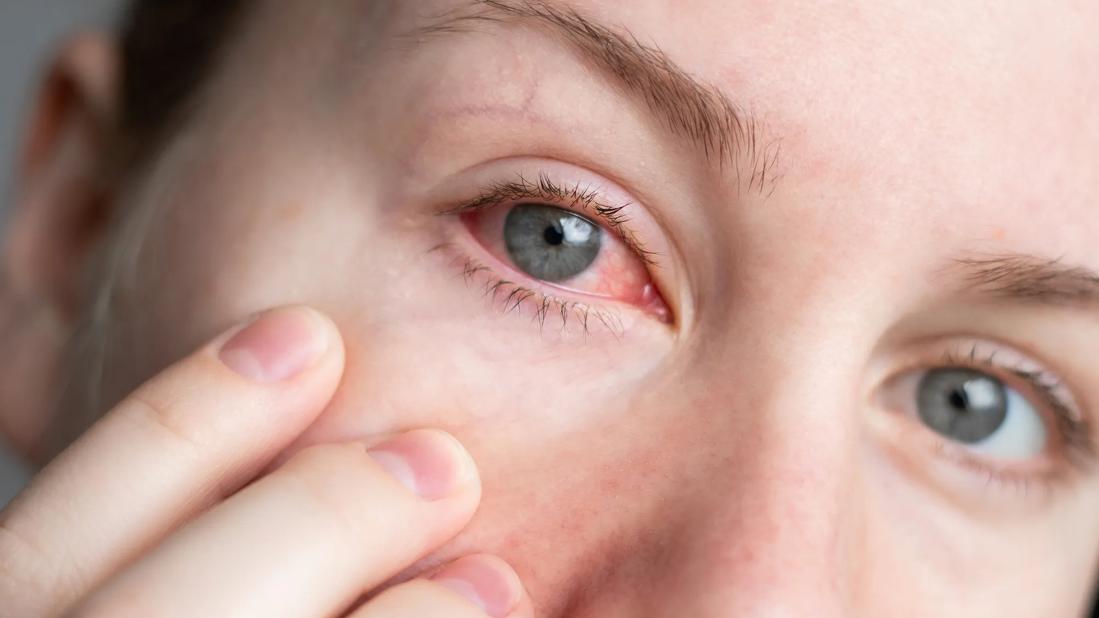
You open your eyes, reach for your phone, and there it is: a pair of bloodshot eyes staring back from the black mirror of your screen. Good morning! Apparently, your eyeballs hosted a tiny overnight protest.
Waking up with red eyes is common, and most of the time, it is not a five-alarm emergency. Redness usually means the tiny blood vessels on the surface of the eye have become irritated, inflamed, dry, or more visible. The tricky part is that red eyes when you wake up can come from many different causes: dry air, allergies, contact lenses, eyelid inflammation, pink eye, a late night, or even sleeping with your eyes slightly open. Yes, your eyes may be dramatic, but they are also excellent reporters when something is off.
This guide explains the most common reasons for bloodshot eyes in the morning, what you can do at home, and when red eyes deserve professional attention. Because while “I look like I fought a raccoon in my sleep” is funny, eye pain, vision changes, or light sensitivity are not the kind of plot twist anyone needs.
What Does It Mean When Your Eyes Are Red in the Morning?
Morning eye redness usually happens when the surface of your eye becomes irritated overnight. The white part of the eye, called the sclera, is covered by a thin clear layer called the conjunctiva. When that tissue becomes dry, inflamed, allergic, infected, or irritated, its tiny blood vessels widen. The result is redness.
Sometimes the redness is mild and evenly spread. Other times, one eye looks more red than the other. You may also notice burning, itching, tearing, crusting, blurry vision that improves after blinking, swollen eyelids, or a gritty feeling like a grain of sand moved in and signed a lease.
The pattern matters. Red, itchy eyes with sneezing point toward allergies. Red eyes with crusty lashes may suggest blepharitis or conjunctivitis. Redness with pain, cloudy vision, or sensitivity to light needs faster medical attention. Morning redness is a symptom, not a diagnosis, so the goal is to match the redness with the rest of the story.
Common Causes of Red Eyes When You Wake Up
1. Dry Eyes During Sleep
Dry eye is one of the most common reasons people wake up with red, irritated eyes. Tears are not just water; they are a carefully balanced film made of oil, water, and mucus. They protect the eye surface, keep vision clear, and help wash away irritants. When your eyes do not make enough tears, or the tears evaporate too quickly, the surface can become inflamed and red.
Dry eyes in the morning can happen because tear production naturally decreases during sleep. A dry bedroom, air conditioning, ceiling fans, heating systems, smoke, or low humidity can make evaporation worse. If you wake up feeling like your eyelids are dragging across sandpaper, dryness is a strong suspect.
Common dry eye symptoms include redness, burning, stinging, scratchiness, watery eyes, stringy mucus, and blurry vision that improves after blinking. That last part surprises many people: watery eyes can actually be a dry eye symptom because the eye may overproduce watery tears in response to irritation.
2. Sleeping With Your Eyes Slightly Open
Some people sleep with their eyelids partly open, a condition often called nocturnal lagophthalmos. You may not know it is happening unless a partner mentions it or you wake up with stubborn dryness, redness, and irritation. If the eyelids do not fully close, the eye surface is exposed to air all night. By morning, your eyes may look red and feel raw.
This can occur for several reasons, including eyelid anatomy, facial nerve issues, previous eyelid surgery, thyroid eye disease, or simply how the eyelids rest during sleep. It is worth discussing with an eye doctor if morning dryness is frequent, especially if artificial tears and humidity changes do not help.
3. Blepharitis: Eyelid Inflammation
Blepharitis is inflammation of the eyelids, especially along the lash line. It can make your eyelids red, swollen, itchy, greasy, crusty, or flaky. Many people notice it most in the morning because debris and oils build up around the eyelashes overnight.
Blepharitis can be linked to clogged oil glands, bacteria on the eyelid margins, dandruff, rosacea, or tiny eyelash mites called Demodex. Before you panic about mites, remember: microscopic organisms exist all over the human body. The problem is not that they exist; the problem is when the eyelid ecosystem gets out of balance and throws a tiny rave.
Warm compresses and gentle eyelid cleaning often help control blepharitis. Since it can be chronic, consistency matters. Think of eyelid hygiene like brushing your teeth: doing it once during a crisis is nice, but regular care works better.
4. Allergies
If your eyes are red, itchy, watery, and puffy when you wake up, allergies may be the culprit. Dust mites, pet dander, pollen, mold, and feathers in pillows or bedding can irritate the eyes overnight. Morning symptoms may be worse if allergens collect on pillowcases, blankets, hair, or eyelashes.
Allergic eye redness usually affects both eyes and comes with itching. That itch is the big clue. Dry eye may burn or feel gritty, but allergies often make you want to rub your eyes like you are trying to polish them. Unfortunately, rubbing can worsen redness and irritation, so your eyeballs vote no.
Helpful steps include washing pillowcases often, showering before bed during pollen season, keeping pets off pillows, using a HEPA filter, and talking with a clinician about antihistamine or allergy eye drops if symptoms are frequent.
5. Pink Eye or Conjunctivitis
Conjunctivitis, commonly called pink eye, is inflammation of the conjunctiva. It can be caused by viruses, bacteria, allergens, or irritants. Viral and bacterial pink eye can be contagious, which is why it has a reputation for sweeping through schools, offices, and families like an unwanted group project.
Pink eye symptoms may include redness, watery eyes, burning, itching, discharge, swollen eyelids, and crusting around the lashes. Some people wake up with eyelids stuck together because discharge dried overnight. Viral conjunctivitis often comes with watery discharge and may follow a cold. Bacterial conjunctivitis may cause thicker yellow or green discharge. Allergic conjunctivitis usually causes intense itching and affects both eyes.
Because different types of conjunctivitis need different care, avoid guessing if symptoms are severe, persistent, or worsening. Cold compresses and artificial tears can soothe irritation, but thick discharge, pain, light sensitivity, or vision changes should be evaluated.
6. Contact Lens Irritation or Infection
Contact lenses are convenient, but they are also medical devices that sit directly on the eye. Sleeping in contacts, wearing them too long, swimming or showering in them, reusing old solution, or not cleaning the case can increase the risk of irritation and infection.
If you wake up with red eyes after wearing contacts, remove the lenses and switch to glasses. Redness with pain, light sensitivity, blurred vision, or discharge can be a sign of keratitis or another contact lens-related infection. This needs prompt attention from an eye care professional because corneal infections can become serious quickly.
A simple rule: if contact lenses are involved and the eye is red, painful, or vision is not normal, do not try to tough it out. Your cornea does not give bonus points for bravery.
7. Alcohol, Dehydration, and Late Nights
A late night can show up in your eyes before it shows up in your personality. Alcohol can contribute to dehydration and may make blood vessels more noticeable. Poor sleep can also worsen dryness, inflammation, and eye strain. Add a smoky room, salty snacks, and three hours of scrolling under the covers, and your eyes may wake up looking like they filed a complaint with management.
Occasional redness after a long night usually improves with hydration, sleep, lubricating drops, and avoiding irritants. But if your eyes are red every morning even when you sleep well, another cause may be involved.
8. Irritants in the Bedroom
Your bedroom may look peaceful, but your eyes may disagree. Common overnight irritants include dust, pet hair, smoke residue, scented candles, essential oils, cleaning sprays, laundry fragrance, air fresheners, and dirty pillowcases. Even a fan blowing directly at your face can dry the tear film.
If morning redness started after changing detergent, buying new bedding, using a diffuser, or moving a fan, consider the timing. The culprit may not be mysterious; it may be lavender-scented and sitting on your nightstand.
9. Screen Time Before Bed
Screen use does not directly “turn eyes red” like a cartoon laser beam, but it can contribute to dryness. People blink less often when staring at screens, and fewer blinks mean the tear film does not spread as well. If you spend the evening on a laptop, phone, or gaming setup, your eyes may already be dry before you fall asleep.
Try the 20-20-20 rule during screen sessions: every 20 minutes, look at something about 20 feet away for 20 seconds. Also, blink intentionally. It sounds ridiculous until you realize your eyes have basically been holding their breath.
10. Subconjunctival Hemorrhage
Sometimes a person wakes up with a bright red patch on the white of one eye. This can be a subconjunctival hemorrhage, which happens when a tiny blood vessel breaks under the conjunctiva. It can occur after coughing, sneezing, straining, rubbing the eye, minor trauma, or sometimes for no obvious reason.
A subconjunctival hemorrhage often looks dramatic but is usually painless and does not affect vision. It typically fades like a bruise over days to weeks. However, if it follows an injury, happens repeatedly, comes with pain or vision changes, or you take blood thinners or have blood pressure concerns, get medical advice.
11. Floppy Eyelid Syndrome and Sleep Apnea
Floppy eyelid syndrome is a condition in which the upper eyelids are unusually loose and may turn outward during sleep. Symptoms are often worse in the morning and can include redness, irritation, tearing, discharge, and a gritty feeling. It is also associated with obstructive sleep apnea.
If you snore loudly, wake up gasping, feel unrefreshed after sleep, or have morning eye irritation that is worse on the side you sleep on, mention these details to your doctor or eye specialist. The eyes can sometimes provide clues about sleep health.
How to Get Rid of Red Eyes in the Morning
Use Artificial Tears
Preservative-free artificial tears can help soothe dryness and irritation. They are especially useful if your eyes feel gritty, dry, or tired. Avoid using redness-relief drops as your daily solution unless your doctor recommends them. Some whitening drops reduce redness by narrowing blood vessels, but overuse may lead to rebound redness or hide a problem that needs treatment.
Try a Warm or Cool Compress
Use a warm compress if your eyelids are crusty, oily, or irritated from blepharitis. Warmth can help loosen debris and soften clogged oils. Use a cool compress if itching and puffiness suggest allergies. Keep the compress clean, and do not press hard on the eye.
Clean Your Eyelids Gently
For crusty lashes or recurring eyelid irritation, eyelid hygiene may help. Wash your hands, use a clean warm cloth, and gently clean along the lash line with a lid cleanser recommended by an eye care professional. Do not scrub aggressively. Your eyelids need care, not a power-washing.
Improve Your Sleep Environment
Consider using a humidifier if your room is dry. Keep fans from blowing directly into your face. Wash pillowcases regularly, reduce dust, and avoid smoke or heavy fragrances in the bedroom. During allergy season, showering before bed can help remove pollen from hair and skin.
Take a Break From Contact Lenses
If you wake up with red eyes and wear contacts, switch to glasses until symptoms clear. Replace lenses and cases as directed. Never sleep in contacts unless your eye doctor specifically says your lenses are approved for overnight wear, and even then, report redness or discomfort promptly.
Protect Your Eyes From Irritants
Avoid rubbing your eyes, sharing towels, using old eye makeup, or applying products too close to the lash line. Replace mascara and eyeliner regularly, especially after an eye infection. If your eyes are irritated, skip makeup until they calm down.
When Should You See a Doctor for Red Eyes?
Many cases of morning red eyes improve with simple changes, but some symptoms need professional care. See an eye doctor or healthcare provider if redness lasts more than a few days, keeps coming back, or is getting worse.
Seek urgent medical care if you have eye pain, vision changes, severe light sensitivity, a feeling that something is stuck in your eye, a chemical exposure, an eye injury, nausea or headache with eye redness, thick discharge, swelling around the eye, or redness after contact lens use. These signs may point to problems that need prompt treatment, such as corneal infection, uveitis, acute glaucoma, or injury.
Also get checked if only one eye is repeatedly red in the morning, if your eyelids do not close fully, or if symptoms are paired with loud snoring and poor sleep. The cause may be treatable, but it needs the right diagnosis.
How to Prevent Waking Up With Red Eyes
Prevention depends on the cause, but a few habits can help most people. Keep your bedroom clean and comfortably humid. Wash bedding weekly. Avoid sleeping in eye makeup. Use lubricating drops before bed if your eye doctor says it is appropriate. Take screen breaks in the evening. Stay hydrated. Wear contacts exactly as prescribed. Manage allergies before they turn your eyes into tiny red weather balloons.
If dryness is the main issue, ask your eye doctor whether nighttime gel drops, ointment, moisture goggles, or evaluation for incomplete eyelid closure would help. If blepharitis is the problem, a daily eyelid routine may be more effective than occasional rescue missions. If allergies are the issue, controlling exposure is just as important as treating symptoms.
Real-Life Experiences: What Morning Red Eyes Can Feel Like
One common experience sounds like this: a person wakes up with red, scratchy eyes every winter. They assume they are getting pink eye again, but there is no discharge, no fever, and no one around them is sick. After paying closer attention, they realize the bedroom heater runs all night and the ceiling fan points directly toward the bed. A humidifier, repositioning the fan, and using preservative-free artificial tears make a big difference. The lesson? Sometimes the villain is not bacteria. Sometimes it is aggressively dry air with excellent aim.
Another familiar story involves allergies. Someone wakes up with red, itchy, watery eyes and immediately blames lack of sleep. Then they notice the symptoms are worse after the dog sleeps on the pillow or during high-pollen weeks. Washing pillowcases more often, keeping pets away from the face, showering before bed, and using allergy treatment recommended by a clinician can reduce the morning misery. The key clue is itching. When the eyes itch like they are trying to leave your face, allergies are high on the suspect list.
Contact lens wearers often have a different story. Maybe they “accidentally” nap in contacts, which is adult code for “I knew better but the couch was persuasive.” The next morning, one eye is red and irritated. If there is no pain and vision is normal, the eye may simply be dry or irritated. But if there is pain, light sensitivity, discharge, or blurry vision, that is not a wait-and-see situation. Contact lens-related infections can move quickly, so removing the lenses and calling an eye doctor is the safer move.
Then there is the blepharitis experience: crusty lashes, red eyelid edges, and eyes that feel worse on waking. People sometimes think they have repeated infections, but the root issue may be chronic eyelid inflammation. A warm compress and gentle lid cleaning routine can feel boring at first, but boring routines often win. Eyelids are tiny, but they have strong opinions when ignored.
Some people describe waking with one red eye again and again, especially on the side they sleep on. They may also snore, wake tired, or have dry mouth in the morning. In that situation, an eye doctor may look for eyelid laxity, incomplete closure, or signs linked with sleep apnea. This does not mean every red eye is a sleep disorder. It means repeated patterns are worth noticing. Your body often leaves breadcrumbs; it is polite to follow them.
A final experience is the scary-looking red patch. A person wakes up, sees a bright red spot on the white of the eye, and immediately assumes disaster. If there is no pain, no vision change, and no injury, it may be a subconjunctival hemorrhage. It can look like a tiny horror movie but often behaves like a bruise. Still, repeated episodes, trauma, blood thinner use, or other symptoms should be checked.
The big takeaway from real life is simple: morning red eyes are common, but the details matter. Dryness burns. Allergies itch. Infection may discharge. Contact lens problems deserve caution. Pain and vision changes deserve speed. Your eyes are not just being dramatic for fun, although they do have flair. They are giving you information.
Conclusion
So, why are your eyes red when you wake up? The most likely causes include dry eye, allergies, blepharitis, irritants, contact lens irritation, conjunctivitis, or sleep-related eyelid issues. Many mild cases improve with artificial tears, clean bedding, better humidity, eyelid hygiene, allergy control, and smarter contact lens habits.
But red eyes are not always harmless. If you have pain, vision changes, light sensitivity, thick discharge, injury, chemical exposure, or contact lens-related redness, get medical help promptly. Eyes are small, delicate, and extremely useful for things like reading menus, recognizing friends, and spotting when someone “just wants one bite” of your dessert. Treat them kindly.
Most morning redness is manageable once you identify the cause. Pay attention to patterns, avoid rubbing, keep your sleep environment eye-friendly, and talk with an eye care professional when symptoms persist. Your future self, and your less-bloodshot bathroom mirror reflection, will thank you.