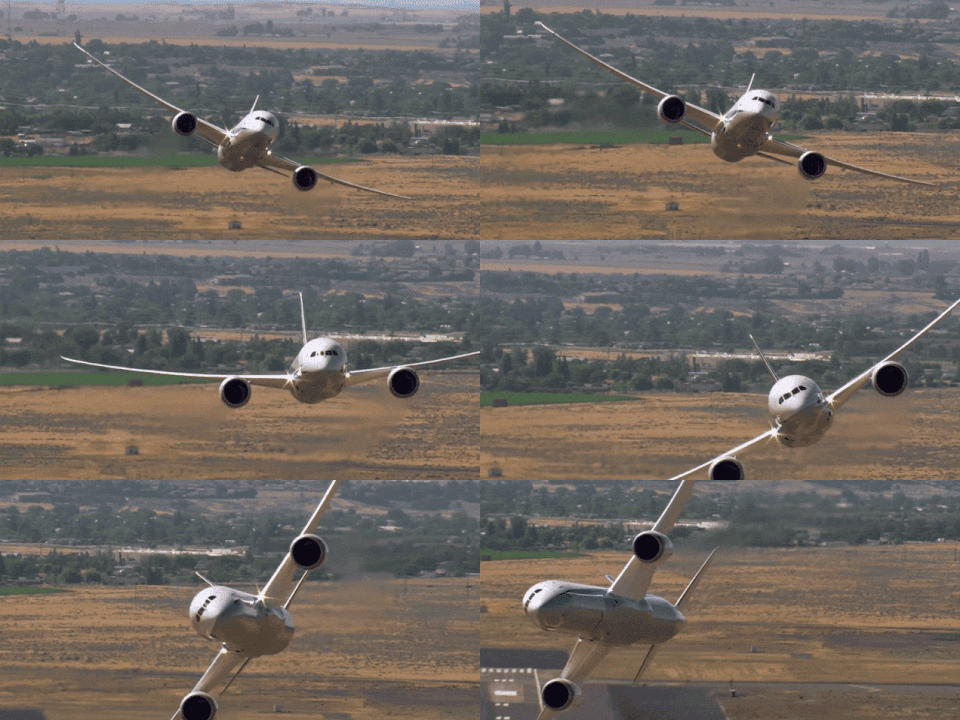
There are two kinds of travelers in this world: people who love non-stop flights and people who have not yet sprinted through an airport with one shoe untied, a coffee stain shaped like Nebraska on their shirt, and a boarding gate that somehow moved to another zip code. Non-stop flights are not just convenient. They are becoming the blueprint for the future of air travel because they match what modern passengers want most: time savings, fewer travel risks, better comfort, and a smoother journey from home to hotel.
As airlines modernize their fleets and global demand for air travel keeps growing, the old idea that travelers must connect through giant hubs for almost every long trip is changing. Non-stop routes, direct flights, and ultra-long-haul flights are now central to airline strategy. Newer aircraft can fly farther while using fuel more efficiently, airports are under pressure to reduce congestion, and passengers are increasingly willing to pay for itineraries that remove unnecessary layovers. In short, the future of air travel is starting to look less like “three airports and a mystery sandwich” and more like “board once, land once, done.”
The Big Shift: Travelers Want Time Back
The strongest argument for non-stop flights is also the simplest: time is the one travel upgrade nobody wants to downgrade. A one-stop itinerary may look cheaper at first glance, but the real cost includes connection time, re-screening stress, missed flight risk, extra airport food, and the emotional damage of hearing “final boarding call” while trapped behind a family reorganizing seventeen backpacks.
For business travelers, a non-stop flight can mean arriving rested enough to attend a meeting instead of looking like they were folded into an overhead bin. For families, it means fewer chances for a stroller to vanish into the luggage underworld. For older travelers or passengers with mobility needs, it reduces the physical burden of changing gates, terminals, or airports. For everyone else, it simply makes the trip feel less like an obstacle course.
Modern passengers are not only buying transportation. They are buying reliability. A non-stop flight removes the weakest link in many itineraries: the connection. When the first flight is late, the second flight does not care about your hopes, dreams, or carefully planned vacation spreadsheet. By eliminating the layover, airlines eliminate a major source of traveler anxiety.
Why Airlines Are Betting on Non-Stop Routes
Airlines love routes that attract strong demand, high load factors, and premium passengers. Non-stop flights check all three boxes when the market is right. Large U.S. carriers have been expanding international non-stop service from major hubs, adding seasonal routes to Europe, the Caribbean, Latin America, and Asia. These routes are not random acts of aviation optimism. They are calculated moves based on data, loyalty behavior, tourism trends, and aircraft availability.
United has continued to build long-haul networks from hubs such as Newark, San Francisco, Chicago, and Washington. Delta has promoted its largest transatlantic schedules, adding more non-stop access from cities such as New York, Atlanta, Boston, and Minneapolis-St. Paul. American Airlines has leaned into its Philadelphia, Dallas-Fort Worth, Charlotte, and New York gateways while preparing new Airbus A321XLR service for thinner international routes.
The airline logic is clear: when travelers can avoid a connection, the route becomes more attractive. A family in Philadelphia may be more likely to book a trip to Portugal if the flight is direct. A business traveler in New York may choose a nonstop to Edinburgh over a cheaper but clumsier connection. A vacationer going to a smaller European city may finally say yes when the route no longer requires a layover in a mega-hub where every moving walkway is somehow out of service.
New Aircraft Make Long Non-Stop Flights Possible
The future of non-stop air travel is being shaped in large part by aircraft technology. The Boeing 787 Dreamliner, Airbus A350, Airbus A321XLR, and other modern jets have changed the economics of route planning. In the past, airlines often needed very large aircraft to justify long international routes. That meant only the biggest city pairs could support non-stop service. Today, more efficient aircraft allow airlines to connect smaller markets directly.
The Boeing 787 helped popularize long, thinner routes by combining range with lower operating costs compared with older wide-body jets. The Airbus A350 has pushed ultra-long-haul comfort and efficiency even further. The Airbus A321XLR is especially interesting because it brings long-range capability to a single-aisle aircraft. That means airlines can test routes that might not fill a wide-body aircraft but can work beautifully with fewer seats and lower trip costs.
This is the quiet revolution behind many future non-stop flights. The goal is no longer only to connect New York to London or Los Angeles to Tokyo. It is to connect more secondary cities, more seasonal destinations, and more point-to-point markets that once required awkward detours. In aviation terms, it is like giving airlines a sharper tool instead of a bigger hammer.
Ultra-Long-Haul Flights Are Turning the Map Into a Suggestion
For decades, some city pairs seemed too far apart for regular commercial non-stop service. That wall is cracking. Singapore Airlines has already shown that ultra-long-haul routes can work for premium-heavy markets such as Singapore to New York. Qantas is pushing the concept even further with Project Sunrise, designed to connect Sydney non-stop with cities such as London and New York using specially configured Airbus A350 aircraft.
These flights are not for everyone. Twenty hours in the air is still twenty hours in the air, even if the cabin lighting is relaxing and the menu has words like “artisan” on it. But ultra-long-haul flights reveal where the industry is heading: passengers are willing to trade one longer flight for a simpler journey. Instead of breaking the trip into two or three exhausting segments, airlines can offer one carefully designed experience with better seats, wellness zones, improved lighting, and meal timing built around jet lag reduction.
That matters because the future of long-haul flying is not only about distance. It is about experience design. Airlines know that if passengers are going to spend nearly a day onboard, the cabin cannot feel like a flying waiting room. The best non-stop flights of the future will combine range, comfort, connectivity, entertainment, sleep support, and smarter service rhythms.
Non-Stop Flights Reduce Connection Chaos
Airport congestion remains one of the biggest headaches in travel. Busy hubs can be incredibly efficient when everything works, but they are also vulnerable to weather, staffing issues, runway limits, and cascading delays. A thunderstorm in one city can create a domino effect that turns a perfectly reasonable itinerary into a documentary about human patience.
Connections multiply risk. Every additional flight segment adds another chance for a delay, cancellation, aircraft swap, crew shortage, gate change, or baggage misadventure. A non-stop flight does not eliminate all problems, of course. Planes still encounter weather, maintenance issues, and operational disruptions. But it simplifies the chain. One departure. One arrival. One set of bags loaded. One chance to get it right.
This is why non-stop flights are especially valuable during peak travel periods such as summer holidays, Thanksgiving, Christmas, spring break, and major event seasons. When airports are packed and schedules are tight, fewer moving parts can make the difference between arriving on time and spending the night near Gate C27 with a $19 turkey wrap.
Passengers Are Paying for Convenience
Airlines have noticed a major post-pandemic trend: many travelers are willing to spend more for comfort, flexibility, and convenience. Premium economy, extra legroom seats, airport lounges, priority boarding, and better onboard amenities have become major revenue drivers. Non-stop flights fit directly into this trend because convenience itself has become a premium product.
Travelers do not always choose the absolute cheapest fare anymore. Many now compare total trip value. A flight with a layover may save money, but if it adds five hours, increases the risk of a missed connection, and lands after midnight, the “deal” starts to look suspiciously like unpaid labor. Non-stop flights often win because they protect the traveler’s most limited resource: time.
This does not mean budget travelers will disappear or that connecting flights are doomed. Connections will remain essential, especially for smaller communities and routes without enough demand for non-stop service. But when a route can support it, non-stop service has a powerful advantage. It is easier to sell, easier to understand, and easier for travelers to love.
The Environmental Case Is Complicated but Important
Non-stop flights can support more efficient travel when they reduce unnecessary detours and avoid extra takeoff and landing cycles. A route that flies directly from origin to destination may burn less total fuel than an itinerary that zigzags through a hub. However, the environmental picture is not as simple as saying “non-stop is always greener.” Aircraft type, passenger load, routing, winds, cabin density, and flight distance all matter.
For example, a full, modern aircraft flying a direct route can be more efficient per passenger than an older, half-empty aircraft. On the other hand, very long flights carry more fuel at departure, and fuel itself adds weight. That is why airlines must carefully match aircraft to routes. The future of sustainable air travel will depend on smarter scheduling, newer fleets, higher load factors, sustainable aviation fuel, improved air traffic management, and better route planning.
Still, non-stop flights have an environmental advantage when they remove waste from the journey. Avoiding unnecessary taxiing, takeoffs, landings, and detours is part of aviation efficiency. The best future is not simply more flying. It is better flying: cleaner aircraft, smarter networks, and routes that serve real demand without forcing passengers into inefficient loops.
Point-to-Point Travel Is Growing Beyond the Mega-Hub Model
The hub-and-spoke model will remain powerful because hubs help airlines gather passengers from many smaller cities and send them across the world. But point-to-point travel is growing because aircraft have become more capable and passengers have become less tolerant of needless complexity. This is especially true for leisure destinations, seasonal routes, and international cities with rising tourism demand.
Think of the difference between an old cable package and modern streaming. The old system bundled everything through a central structure. The new system gives people more direct access to what they actually want. Air travel is not becoming streaming, thankfully, because nobody wants a flight to buffer over the Atlantic. But the direction is similar: more direct choices, more personalized networks, and fewer mandatory middle steps.
Non-stop routes also help cities compete economically. A direct flight can boost tourism, business travel, university connections, medical travel, cargo opportunities, and convention traffic. For airports, landing a new non-stop route is not just a transportation win. It is a regional development tool.
Technology Will Make Non-Stop Flights Even Better
The next generation of non-stop flights will be improved not only by aircraft range but also by digital technology. Better booking tools already help travelers compare total trip time, emissions estimates, seat comfort, and reliability. Airline apps provide real-time updates, baggage tracking, rebooking options, and airport navigation. Onboard Wi-Fi is improving quickly, making long non-stop flights more productive and less isolating.
Inside the cabin, airlines are investing in better lighting, quieter interiors, upgraded air systems, premium economy cabins, privacy doors in business class, and improved entertainment screens. These upgrades matter most on non-stop flights because passengers spend longer continuous periods onboard. A great seat on a 14-hour flight is not a luxury; it is a small civilization.
Future non-stop flights may also benefit from more advanced air traffic management. Better routing can reduce delays, shorten flight paths, and improve fuel efficiency. When aircraft, airports, and air traffic systems share better data, the journey becomes smoother from pushback to touchdown.
Why Non-Stop Flights Are Not Replacing Every Connection
It would be unrealistic to claim that all future air travel will be non-stop. Some markets are too small. Some routes are too seasonal. Some aircraft are needed elsewhere. Some travelers will always choose a cheaper connecting itinerary. In many cases, hubs remain the only practical way to connect smaller communities to the world.
But the trend is clear: when technology, demand, and economics line up, airlines prefer routes that passengers prefer. Non-stop flights simplify operations, strengthen loyalty, attract premium revenue, and create a better travel experience. The future will not eliminate connections, but it will make unnecessary connections harder to justify.
Real-Life Travel Experiences: Why Non-Stop Flights Feel Like the Future
The value of a non-stop flight becomes obvious the moment something goes wrong on a connecting trip. Imagine flying from Boston to Rome with a connection in New York. On paper, the itinerary looks harmless. The layover is 65 minutes, which sounds reasonable until the first flight leaves 28 minutes late, lands at a remote gate, and your next departure is in another terminal that appears to have been designed by someone who deeply respects cardio.
Now compare that with boarding once in Boston and landing in Rome. There is no second boarding pass to guard like a sacred document. No frantic gate-check math. No wondering if your suitcase is enjoying an unscheduled vacation in Queens. The trip still requires patience, but it feels like one clean journey instead of a travel-themed escape room.
Families feel this difference even more. Anyone who has traveled with children knows that every extra airport is a new level in the game. First comes the snack negotiation. Then the bathroom emergency that appears precisely when boarding begins. Then the child who asks whether the next plane will also have clouds. A non-stop flight compresses the chaos into one manageable chapter. Parents still arrive tired, but they are less likely to arrive spiritually transformed.
For business travelers, non-stop flights can protect both schedule and sanity. A consultant flying to a morning meeting does not want to spend the night refreshing delay alerts in a hub airport. A sales team heading to a conference wants predictable arrival times, not an accidental tour of three terminals and a food court. Non-stop flights allow professionals to plan tighter trips, reduce hotel nights, and arrive with enough mental energy to speak in complete sentences.
Leisure travelers also gain something emotional: momentum. Vacations begin faster when the journey is direct. A non-stop flight to Hawaii, Paris, Tokyo, or Cancun feels like a bridge between normal life and adventure. A connecting itinerary can feel like the universe asking, “Are you sure you want this vacation?” Non-stop flights remove that hesitation.
There is also a quieter benefit: fewer decisions. Modern travel is full of micro-decisions. Which security lane? Which gate? Which meal? Which seat? Which app alert is real? Which airport tram goes where? A non-stop itinerary reduces the decision load. You board, settle in, watch a movie, answer emails, sleep if fortune smiles upon you, and land where you actually meant to go.
Of course, non-stop flights are not perfect. They can cost more. Long flights can be physically demanding. A delay on a non-stop flight still hurts. But the overall experience is usually cleaner, calmer, and easier to understand. That is exactly why they represent the future of air travel. The best technology often disappears into simplicity. The best flight is not the one with the most complicated routing trick. It is the one that gets you there with the fewest chances for disaster, the least wasted time, and the smallest number of airport sandwiches required for survival.
Conclusion: The Future Is Direct, Efficient, and Passenger-Friendly
Non-stop flights are the future of air travel because they align with the strongest forces shaping aviation: passenger demand for convenience, airline interest in premium revenue, aircraft technology that enables longer and thinner routes, and the need for simpler, more reliable journeys. As modern jets continue to improve and airlines refine their networks, more travelers will expect direct access to the places they want to go.
The future will still include hubs, connections, and the occasional heroic airport sprint. But the direction is unmistakable. Travelers want fewer interruptions. Airlines want stronger routes. Airports want smoother traffic flows. Businesses want faster access. Families want fewer meltdowns before boarding. Non-stop flights answer all of those needs with one elegant promise: get on here, get off there.
And honestly, after decades of layovers, gate changes, and mystery delays, that sounds less like a luxury and more like common sense with wings.