You can fool your friends with a poker face. You can fool your parents with suspiciously minty gum. You might even fool yourself with the classic line, “It’s just vapor.” But your mouth? Your mouth is basically the world’s least loyal secret keeper. When it comes to vaping, your teeth, gums, tongue, and breath may start dropping hints long before you say a word.
That is why this article takes a smarter route. Instead of focusing on how to hide vaping from a dentist, let’s talk about what actually matters: why dentists ask, what vaping can do to your mouth, and how being honest can help protect your teeth, gums, and wallet. Because surprise dental work is expensive, awkward, and much less fun than pretending your mint flavor counts as oral hygiene.
Why Dentists Ask About Vaping in the First Place
Dentists are not asking about vaping because they want to lecture you for sport. They ask because your habits affect your treatment, your healing, and the health of your mouth. Vaping can influence saliva production, gum health, irritation inside the mouth, inflammation, and how well tissues recover after dental procedures. If your dentist does not know what is going on, they are working with incomplete information.
Think of it this way: if a mechanic asks whether your car was making a weird noise before the engine light came on, you do not say, “Nope, all good,” while smoke pours out of the hood. You tell the truth because the truth helps fix the problem faster. Dental care works the same way.
Honesty also helps dentists choose the right advice. If you have gum irritation, frequent dry mouth, or slow healing after a tooth extraction, vaping may be part of the picture. Your dentist cannot connect the dots if you keep half the puzzle pieces in your pocket.
What Vaping Can Do to Your Mouth
Vaping is often marketed as cleaner, cooler, or less intense than smoking. That sales pitch sounds great in a commercial. Your gums, however, did not sign off on the campaign.
1. Dry Mouth Can Sneak Up on You
Saliva matters more than most people realize. It helps wash away food particles, neutralize acids, and protect enamel. When your mouth gets dry, bacteria get a more comfortable place to hang out. That can mean bad breath, a sticky feeling in the mouth, more plaque buildup, and a higher chance of cavities.
Many people who vape notice that their mouth feels dry more often, especially after frequent nicotine use. If you are constantly reaching for water, lip balm, or gum, your mouth may already be telling you something.
2. Your Gums May Not Be Thrilled
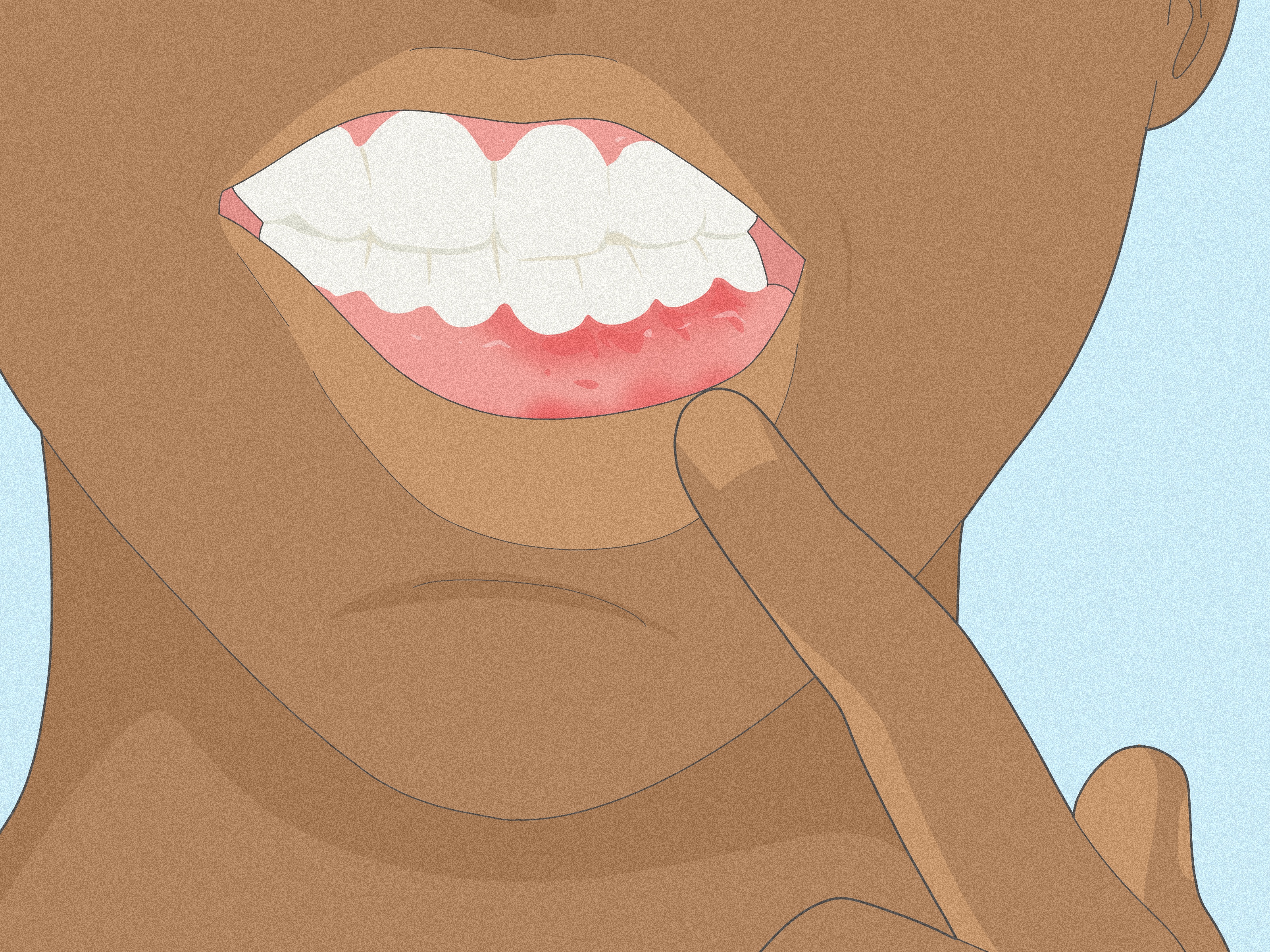
Healthy gums should look firm and feel calm, not irritated, tender, or puffy. Vaping may be associated with more gum inflammation and other changes in oral tissues. That matters because gum problems do not stay small forever. Mild irritation can gradually turn into larger issues involving bleeding, gum recession, and deeper periodontal trouble.
The tricky part is that gum disease can be sneaky. Sometimes it does not hurt much at first. People assume that no pain means no problem. Unfortunately, your gums do not always send dramatic warning emails before things get worse.
3. Healing After Dental Work May Be Slower
If you get a tooth pulled, have oral surgery, or need treatment for irritated gums, healing is a big deal. Dentists want healthy blood flow and stable tissues so your mouth can recover properly. Nicotine can complicate that process. That is one reason dentists care about whether you smoke or vape before procedures.
Imagine trying to grow fresh grass while someone keeps stepping on the lawn. That is not a perfect medical definition, but it gets the point across. Healing works best when your mouth gets the support it needs, not extra obstacles.
4. Breath, Staining, and General Mouth Drama
Not every vaping effect looks dramatic at first glance. Some are subtle and annoying: bad breath, a coated tongue, irritation, changes in taste, or a mouth that just never feels totally fresh. Even if a fruity flavor smells better than cigarettes, that does not make it invisible to a trained dental team. Dentists look at your whole oral environment, not just whether your breath smells like a gas station parking lot.
Can a Dentist Tell If You Vape?
Not always from one glance alone, but they may notice patterns. A dentist cannot read your mind, and they do not have a magical “vape detector” hidden in the ceiling. Still, they may spot signs that suggest irritation, dryness, unusual gum changes, or oral habits worth discussing.
More importantly, they do not need courtroom-level proof to ask questions. If your mouth is showing clues, they may ask whether you smoke, vape, use nicotine pouches, or use other products that affect oral health. That is not a trap. It is standard care.
Trying to outsmart that conversation usually backfires. If you say you do not vape but your symptoms tell a different story, your appointment can become less useful. Your dentist may recommend treatment without knowing an important factor that keeps the problem going.
Why Hiding It Is a Bad Strategy
It Can Lead to the Wrong Advice
If your dentist thinks your dry mouth is only from not drinking enough water, they may miss a nicotine-related piece of the puzzle. If they think your gum irritation is random, they may not give you the most relevant prevention advice. The result is simple: less accurate care.
It Can Make Procedures Riskier
Before extractions, implants, deep cleanings, or oral surgery, dentists often need a full picture of habits that affect healing. Leaving out vaping is like submitting a school project with half the instructions missing, then acting surprised when the grade is weird.
It Usually Creates More Stress Than It Saves
People who try to hide habits before appointments often go into panic mode. They chew five pieces of gum, rinse with mouthwash like they are prepping for a mint commercial, and spend the entire visit wondering whether the hygienist “knows.” That is a lot of stress for a plan that does not improve your health.
What to Say to Your Dentist Instead
If honesty makes you nervous, keep it short and simple. You do not need a dramatic speech. You do not need background music. You just need useful information.
Examples of Easy, Direct Language
Try one of these:
“I vape nicotine sometimes, and I want to know if it’s affecting my mouth.”
“I’ve been vaping pretty regularly. Is that part of why my gums feel irritated?”
“I don’t really want a lecture, but I do want honest advice about what this could be doing to my teeth.”
“I’m thinking about quitting, but I need help dealing with cravings and dry mouth.”
That kind of honesty gives your dentist something useful to work with. It also sets the tone for a practical conversation instead of a weird guessing game.
What Your Dentist Can Actually Do to Help
Your dentist is not just there to point at your gums and frown. They can help in specific ways.
They Can Watch for Early Signs of Trouble
Small changes in gum health, enamel wear, plaque buildup, and oral irritation are easier to manage early than later. Regular cleanings and exams matter even more when nicotine is part of the picture.
They Can Suggest Better Daily Care
You may be told to focus on fluoride toothpaste, better brushing technique, daily flossing, tongue cleaning, more hydration, or products designed for dry mouth. That advice sounds basic, but basic habits are often the difference between “a little irritation” and “why is this dental bill attacking me?”
They Can Talk About Quitting Without Making It Weird
Many dental professionals now include tobacco and nicotine cessation as part of routine care. That means they may offer guidance, recommend next steps, or point you toward quit resources. In other words, the conversation is not unusual. It is part of modern dental care.
If You Vape and Want to Protect Your Teeth Right Now
No, this is not a magic reset button. But if you vape, these habits can help lower your oral health risk:
Stay Hydrated
Drink water regularly, especially if your mouth feels dry. A hydrated mouth is generally better protected than one that feels like a deserted parking lot in July.
Brush Gently but Thoroughly
Brush twice a day with fluoride toothpaste. Do not scrub like you are removing graffiti from a brick wall. Gentle, consistent brushing wins.
Floss Daily
Plaque between teeth loves being ignored. Flossing helps remove debris and bacteria from areas your toothbrush misses.
Do Not Skip Cleanings
If you already vape, avoiding the dentist does not erase the effects. It just gives plaque and gum problems more time to settle in and unpack their bags.
Pay Attention to Symptoms
Watch for bleeding gums, bad breath that keeps returning, frequent dry mouth, mouth sores, tenderness, or changes in how your gums look. Those are all good reasons to speak up at your next visit.
Thinking About Quitting? That Is a Strong Move
Quitting vaping is not always easy, especially if nicotine has become part of your routine, stress relief, or social life. But it is still worth it. The sooner you reduce exposure, the better chance your mouth and body have to recover.
Start by paying attention to your triggers. Do you reach for a vape when you are bored, anxious, studying, gaming, or hanging out with certain people? Once you know your pattern, it becomes easier to build a plan around it.
You can also replace the hand-to-mouth habit with safer routines: water, sugar-free gum, a walk, music, texting a friend, or a quick change of environment. Tiny interruptions can be surprisingly powerful when a craving hits.
If you are a teen, getting support matters. A trusted doctor, dentist, school counselor, or parent can help you find resources that are actually designed for young people. This is not a weakness move. This is a smart move.
The Bottom Line
If you are wondering how to hide that you vape from a dentist, the better question is this: why try? Your dentist is not there to embarrass you. They are there to help you keep your teeth, gums, and mouth as healthy as possible.
Trying to hide vaping may save you one awkward sentence, but it can cost you better care, better advice, and better healing. Honesty is faster. Honesty is smarter. And honesty gives your dental team the information they need to actually help you.
Your mouth is not great at keeping secrets anyway. So let it retire from that job.
Real-Life Style Experiences Related to This Topic
One common experience goes like this: someone vapes regularly, books a cleaning, and decides they will simply “act normal.” On the morning of the appointment, they brush longer than usual, use mouthwash twice, chew strong mint gum, and promise themselves they will say as little as possible. Then the hygienist asks whether they use nicotine, and suddenly the room feels about twelve degrees warmer. That moment alone shows why hiding the habit creates more anxiety than it saves.
Another person notices their mouth feels dry all the time, but they blame school stress, not sleeping enough, and “probably just not drinking enough water.” They keep postponing the dentist because they do not want questions. When they finally go in, they learn that the dryness, bad breath, and irritated gums are exactly the kind of symptoms worth mentioning earlier. The appointment becomes more helpful the second they stop trying to edit the story.
Some people also assume that flavored vapor is basically invisible because it does not smell like cigarettes. But dental appointments are not smell tests. Dentists look at tissue condition, plaque patterns, gum response, and healing. A patient may think, “If I smell like watermelon ice, I’m in the clear,” while their gums are quietly submitting a formal complaint.
There is also the awkward post-procedure version of this problem. A patient gets a tooth removed, hears the instructions, nods seriously, and leaves without mentioning that they vape every day. Later, they worry about discomfort or delayed healing and wonder whether vaping had something to do with it. At that point, the problem is not just secrecy. It is missed information that could have helped before the procedure ever started.
Then there is the emotional side. A lot of people, especially teens and young adults, avoid honesty because they expect instant judgment. They picture a lecture, a disappointed look, or a long speech about life choices. But many dental professionals are much more practical than people expect. When patients speak honestly, the conversation is often calm: what symptoms are happening, how often the person vapes, what to watch for, and what steps might help next. That is a lot less dramatic than the version people rehearse in their heads.
Another familiar experience involves trying to quit. Someone tells their dentist the truth for the first time and expects criticism, but instead gets useful advice: hydrate more, keep up cleanings, watch for dry mouth, improve daily brushing and flossing, and talk to a healthcare professional about quitting support. That one honest conversation can turn an appointment from stressful to productive.
People also underestimate how much relief can come from simply not hiding anymore. Once the secret-keeping ends, the appointment gets easier. You are no longer trying to decode every question, overthink every glance, or wonder whether your mint gum fooled anyone. You can just focus on your health, which is what the visit was supposed to be about all along.
In the end, the most relatable experience may be the simplest one: the truth usually works better. Not because it is morally dramatic, but because it is practical. When your dentist knows what is actually going on, you get better guidance, better prevention, and a better chance of keeping your mouth healthy. That is a stronger plan than playing detective against your own dental chart.