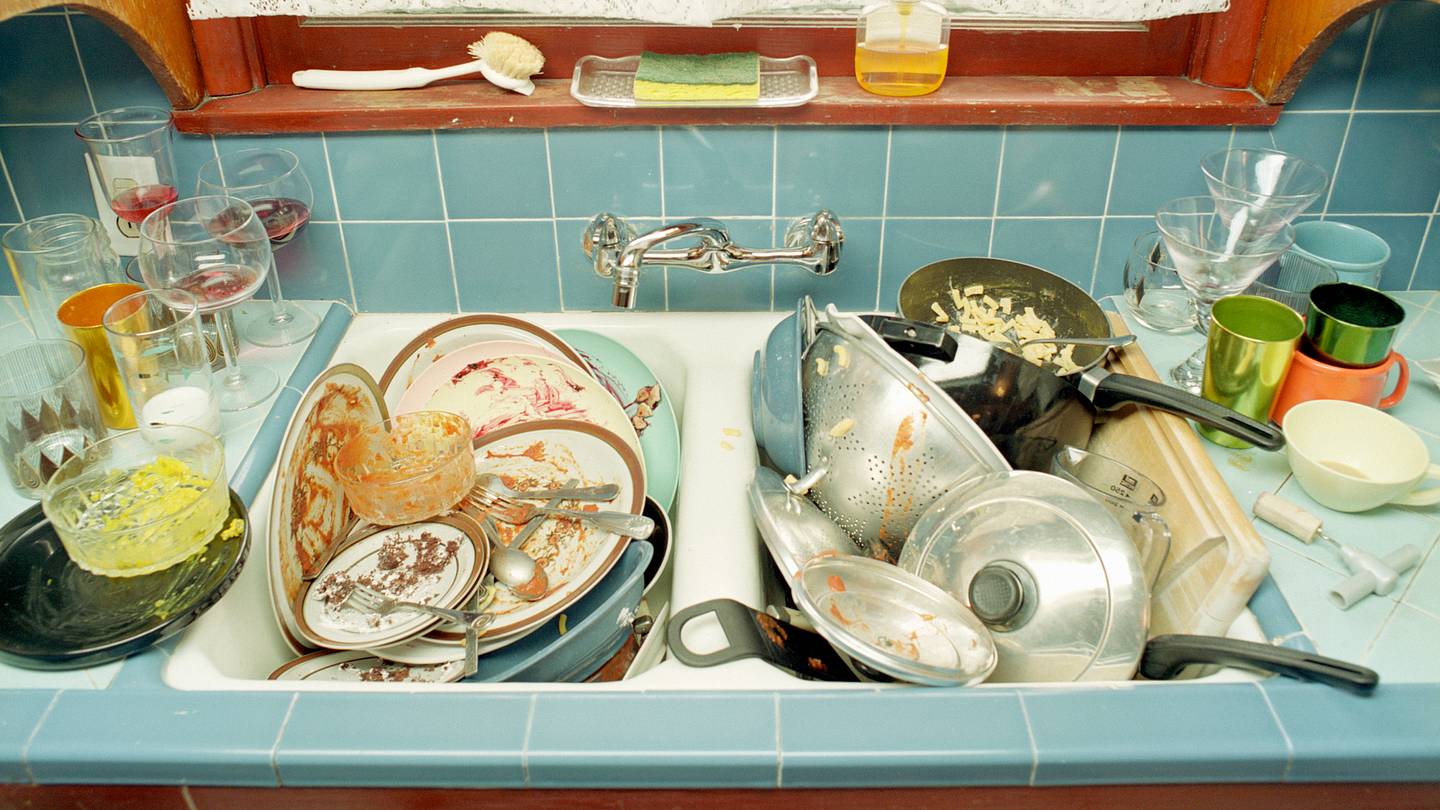
Let’s be honest: the phrase “I’ll wash it later” has carried more dirty plates into American sinks than any dishwasher ever could. After dinner, the couch calls, the sink becomes a temporary dish hotel, and those spaghetti-stained plates quietly begin their villain origin story. But while soaking dirty dishes may feel like a harmless shortcut, it can quickly turn your kitchen sink into a warm, wet buffet for bacteria, odors, pests, grease buildup, and regret.
The problem is not a quick soak to loosen oatmeal from a bowl or rice from the bottom of a pan. The real issue is letting dirty dishes sit for hoursor worse, overnightin cloudy water full of food scraps. That is not “pre-washing.” That is soup. Terrible soup. Nobody ordered it, and your kitchen does not need it.
In this guide, we will break down why you should never let dirty dishes soak in the sink for too long, what actually happens in that murky water, how it affects food safety, and what to do instead. Your dishes, your drain, your nose, and your future self will thank you.
The Hidden Problem With Soaking Dirty Dishes
At first glance, soaking seems practical. Water softens stuck-on food, soap loosens grease, and everything feels easier later. That part is truewhen the soak is short, controlled, and followed by proper washing. But when dishes sit in the sink for several hours, the sink stops being a cleaning zone and becomes a contamination zone.
Dirty plates carry more than crumbs. They may contain dairy residue, meat juices, egg, cooked rice, pasta starch, sauces, oils, and tiny bits of food you cannot see. Add lukewarm water, a sponge that has seen things, and a sink drain with its own ecosystem, and you have created a cozy environment for microbes to multiply.
Food safety guidance in the United States consistently emphasizes four basic principles: clean, separate, cook, and chill. Those rules are usually discussed in the context of preparing food, but they apply to dish cleanup too. Surfaces that touch food should be cleaned promptly, and leftovers should not be left at room temperature for long periods. A sink full of dirty dinnerware is essentially a collection of food-contact surfaces sitting in the temperature range where bacteria can grow quickly.
Dirty Dishwater Can Become a Bacteria Playground
Bacteria need moisture, food, and comfortable temperatures. A sink full of soaking dishes offers all three. Food particles provide nutrients. Water provides moisture. Room-temperature kitchens provide comfort. If bacteria had vacation brochures, your sink would be on the cover wearing sunglasses.
One major food safety concern is the “danger zone,” generally understood as the temperature range between 40°F and 140°F, where bacteria can multiply faster. When leftover food residue sits on dishes in room-temperature water, it may remain in that range for hours. That does not mean every sink instantly becomes dangerous, but it does mean the risk grows the longer food residue sits around.
Common foodborne germs such as Salmonella, E. coli, Campylobacter, and Listeria are not visible to the eye. You cannot look at a cloudy sink and say, “This water seems emotionally stable.” Smell is not a perfect warning system either. By the time dirty dishwater smells sour, funky, or swamp-adjacent, the problem has already had time to settle in.
Your Sink Is Not as Clean as It Looks
Many people assume the kitchen sink is clean because water and soap pass through it every day. Unfortunately, that is like assuming your shower drain is fresh because shampoo goes near it. Kitchen sinks regularly handle raw produce, meat packaging, coffee grounds, dirty utensils, pet bowls, and food scraps. Without regular cleaning and sanitizing, the sink can harbor grime and biofilm.
Household germ studies have repeatedly found that kitchen items such as sponges, dish rags, and sinks can be among the germiest areas in the home. That makes sense: they are damp, frequently touched, and often exposed to food residue. When dirty dishes soak in that environment, plates and utensils may come into contact with contaminated water and surfaces before they are properly cleaned.
Soaking Does Not Equal Sanitizing
This is the big myth. Many people believe that soaking dishes in soapy water makes them cleaner. In reality, soaking can loosen food, but it does not automatically sanitize anything. Soap helps remove grease and food debris. It is not magic armor.
For dishes to be truly clean, they need friction, fresh soapy water, thorough rinsing, and proper drying. In some situations, sanitizing may also be helpful, especially after contact with raw meat, raw eggs, or illness in the household. Food-contact surfaces should be cleaned first because sanitizers work best on surfaces that are already free of visible dirt and food residue.
Think of it this way: if you drop a muddy sneaker into a bucket of water, the water does not become clean. The sneaker becomes wet, the water becomes dirty, and everyone involved needs to rethink their choices. Dirty dishes behave the same way. If several plates, forks, pans, and cutting boards soak together, the water can spread food residue from one item to another.
Cross-Contamination Can Happen in the Sink
Cross-contamination happens when germs or food residue move from one surface to another. In the kitchen, it often involves raw meat juices spreading to cutting boards, countertops, hands, utensils, or ready-to-eat foods. But the sink can also be part of the chain.
Imagine a bowl with raw egg residue soaking beside a salad fork, a cutting board, and a child’s cup. Even if everything looks harmless, the water can carry residue between items. This is especially concerning when raw animal products, dairy, seafood, or cooked rice and pasta are involved. Starchy foods can leave a film that clings to dishes and helps create cloudy, unpleasant water.
Cross-contamination risk increases when the same sponge or cloth is used everywhere: dishes, counters, sink edges, faucet handles, and maybe the mysterious sticky spot near the coffee maker. A damp sponge that is not sanitized or replaced regularly can spread germs instead of removing them. That is not cleaning; that is networking.
Dirty Dishes Attract Pests
Food scraps in the sink can attract ants, fruit flies, drain flies, cockroaches, and rodents. Even tiny amounts of sauce, grease, crumbs, or sugary residue can act like a neon sign that says, “Open buffet, no reservation required.”
Standing water makes the situation worse. Pests are often drawn not only to food but also to moisture. A sink full of soaking dishes provides both. Fruit flies may gather around fermented food residue, drain flies may enjoy organic buildup near the drain, and ants can follow scent trails to sticky plates or cups.
Once pests discover a reliable food source, getting rid of them can be much harder than preventing them. Washing dishes promptly, wiping the sink, cleaning the drain area, and taking out food waste can reduce the chance of turning your kitchen into a tiny insect food court.
Soaking Can Create Bad Odors Fast
If you have ever walked into the kitchen the morning after leaving dishes in the sink, you already know this section does not need much explanation. The smell arrives before your coffee does.
Odors come from decomposing food particles, grease, bacteria, and stagnant water. Dairy residue can sour. Meat juices can smell unpleasant. Sauces can ferment. Cooked grains and pasta can become slimy. Even a small amount of food trapped under a plate or inside a cup can turn the sink into an aroma experiment nobody approved.
Bad smells also cling to sponges, dishcloths, sink strainers, and garbage disposals. Once that odor settles in, you may need more than a quick rinse to remove it. Preventing the smell is easier than fighting it with lemon-scented panic later.
Your Drain May Pay the Price
Another reason to stop soaking dirty dishes in the sink is plumbing. When dishes sit in water, food scraps break apart and drift toward the drain. Grease cools and clings to pipe walls. Coffee grounds, rice, pasta, eggshell bits, and vegetable peels can gather in the strainer or slip into the drain. Over time, that buildup can contribute to slow drainage and clogs.
Grease is especially sneaky. It may look liquid when hot, but it can harden as it cools. Pouring greasy dishwater down the sink can leave residue in your pipes, where it catches other debris. The result is a clog that seems to appear “suddenly,” even though it has been training for weeks like an Olympic athlete of inconvenience.
Garbage disposals are helpful, but they are not trash cans with blades. Large amounts of food, fibrous scraps, grease, and starchy leftovers can still cause problems. Scraping plates into the trash or compost before washing is a simple habit that protects the drain and makes dishwashing easier.
Some Dishes and Cookware Should Not Soak for Long
Not every item in your kitchen enjoys a long bath. Cast iron can rust and lose seasoning when soaked too long. Wooden cutting boards, wooden spoons, and bamboo utensils can absorb water, swell, warp, or crack. Good knives may suffer handle damage or dulling if left banging around under plates. Nonstick pans can also be damaged if they sit with harsh residues or are later scrubbed aggressively because food dried in place anyway.
Delicate glassware, ceramic pieces, and sharp tools are also risky in a crowded sink. When water is cloudy, you cannot easily see what is below the surface. That can lead to broken glass, accidental cuts, or chipped dishes. A sink should not become a mystery box where the prize is “maybe a knife.”
When Is Soaking Actually Okay?
Soaking is not evil. Long, lazy soaking is the problem. A short soak can be useful for stubborn foods such as oatmeal, baked cheese, dried sauce, or stuck-on rice. The key is to soak intentionally.
Use hot water and a small amount of dish soap. Keep the soak short, usually 10 to 20 minutes. Soak one pan or a small group of similar items instead of creating a full-sink swamp. Avoid soaking items that can rust, warp, or crack. After soaking, wash with fresh soapy water, rinse thoroughly, and let dishes air dry.
If food is badly stuck, try filling only that pot or pan instead of filling the entire sink. This keeps the mess contained and prevents other dishes from sitting in contaminated water. For baked-on food, a plastic scraper or soft brush can help without damaging surfaces.
The Better Way to Handle Dirty Dishes
A clean kitchen does not require perfection. It requires a system simple enough to follow when you are tired. The goal is not to become a dishwashing monk. The goal is to stop the sink from becoming a science project.
Step 1: Scrape First
Before anything goes into the sink, scrape leftover food into the trash, compost bin, or food waste container. This one step reduces odors, clogs, bacteria growth, and pest attraction. It also makes washing faster because you are cleaning plates, not rescuing them from lasagna archaeology.
Step 2: Rinse or Load Promptly
If you use a dishwasher, load dishes soon after meals. Modern dishwashers are generally designed to handle some food residue, but large scraps should still be removed. If you wash by hand, rinse dishes briefly if you cannot wash them immediately. Do not leave them soaking for hours.
Step 3: Use Fresh Hot, Soapy Water
For handwashing, use clean hot water and dish soap. Wash from least dirty to most dirty when possible: glasses first, then utensils, plates, bowls, and greasy pans last. This keeps the water cleaner longer and prevents grease from spreading onto items that only needed light washing.
Step 4: Rinse Thoroughly
Rinsing removes loosened food, soap, and residue. Cloudy rinse water is a sign you may need to refresh the water or wash again. Clean dishes should feel smooth, not slippery or gritty.
Step 5: Air Dry
Air drying is often better than using a questionable dish towel. A towel that has been used to wipe hands, counters, and mystery spills can re-contaminate clean dishes. Use a clean towel if needed, but a drying rack is a simple, low-drama solution.
Do Not Forget the Sponge, Brush, and Sink
Your dishwashing tools need cleaning too. A sponge or dishcloth that stays damp can become a germ magnet. Replace sponges regularly, rinse them well after use, squeeze out excess water, and store them where they can dry. Dish brushes are often easier to rinse and dry than sponges, making them a practical option for many kitchens.
Clean the sink after dishwashing, especially after handling raw meat, poultry, seafood, eggs, or heavily soiled dishes. Wash the basin with hot soapy water, rinse it, and sanitize when appropriate using a product labeled for food-contact surfaces. Always follow label directions. More cleaner is not automatically better; it is just more dramatic.
Pay attention to the faucet handle, sink strainer, drain area, and countertop around the sink. These spots are touched often and can collect splashes. Keeping them clean helps prevent germs from traveling from the sink to your hands, dishes, or food prep area.
Why Overnight Soaking Is the Worst Habit
Overnight soaking is popular because it feels like a gift to tomorrow’s self. In reality, tomorrow’s self wakes up to cold grease, cloudy water, swollen noodles, sour smells, and a suspicious fork hiding under a pan. That is not a gift. That is a chore with interest.
The longer dishes sit, the harder the cleanup can become. Grease forms a film. Food dries at the waterline. The sink smells worse. The sponge absorbs more odor. Pests get more time to investigate. What could have been a 10-minute cleanup after dinner becomes a 25-minute negotiation with regret.
There is also a mental side to it. A sink full of dirty dishes makes the whole kitchen feel messier, even if the counters are clean. It can make cooking breakfast less appealing, delay meal prep, and create a cycle where every dishwashing session starts with yesterday’s problem. Clean-as-you-go is not just a housekeeping cliché; it is a way to protect your future mood.
Specific Examples: What Happens With Common Foods
Oatmeal and cereal bowls: A short soak helps, but overnight soaking can create a sticky film and sour smell, especially with milk residue.
Pasta and rice: Starchy foods can turn water cloudy and gluey. Rice and pasta particles can also collect near the drain and contribute to clogs.
Egg dishes: Plates and pans with egg residue should be washed promptly because protein films can cling tightly and may carry food safety concerns.
Meat and poultry residue: Cutting boards, knives, and plates used for raw or cooked meat should not sit around. Wash them with hot, soapy water and clean the surrounding sink area.
Greasy pans: Wipe excess grease with a paper towel and discard it before washing. Do not pour greasy soak water straight down the drain if it contains a lot of fat.
A Realistic Dish Routine for Busy Homes
You do not need a spotless kitchen every minute of the day. Life happens. Homework happens. Long workdays happen. Someone uses six cups for water because apparently each sip requires fresh glassware. The solution is a realistic routine.
After meals, scrape plates immediately. Load the dishwasher or stack dishes neatly beside the sink if you must pause. Keep the sink itself clear whenever possible. Wash pans before food hardens. Give stubborn cookware a short soak inside the pan, not in a full sink of mixed dishes. Before bed, do a five-minute reset: run the dishwasher, wash the remaining essentials, wipe the sink, and set the sponge where it can dry.
This routine works because it reduces the number of decisions you have to make later. Instead of facing a mountain of dishes, you handle small steps while the mess is still manageable. The best cleaning system is not the most impressive one; it is the one you will actually use when you are tired and slightly annoyed.
Experience Section: What Dirty Dishes Teach You the Hard Way
Anyone who has lived with roommates, family, or a tiny apartment sink knows that dirty dishes have a personality. Leave one plate in the sink, and somehow it invites friends. A mug appears. Then a fork. Then a pan “just soaking.” By morning, the sink looks like it hosted a banquet for people who fled the scene.
One of the most common experiences is the breakfast problem. You wake up ready for coffee, but the sink is blocked by last night’s dishes. The mug you want is dirty. The pan you need has cold oily water inside it. The sponge smells like it has opinions. Suddenly breakfast feels harder than it should. A dirty sink does not just affect cleanliness; it interrupts the next part of your day.
Another familiar lesson is that soaking does not always save time. A pan left overnight may look easier to clean, but the water is now cold, greasy, and unpleasant. Food that was once soft may have formed a stubborn ring around the edge. Utensils are slippery. Plates are stacked in a way that traps dirty water between them. You spend the first few minutes just draining, sorting, and trying not to touch anything questionable. That is not efficiency. That is dishwashing with extra steps.
People also learn quickly that dirty dishes can affect the smell of the whole kitchen. It may start with a small odor near the sink, then spread into the room. The smell is usually not one dramatic thing; it is a combination of sauce, dairy, grease, wet sponge, and old water. Lighting a candle may cover it for a moment, but it does not solve the source. The real fix is simple: remove food scraps, wash the dishes, clean the sink, and let everything dry.
In family homes, the soaking habit can become a silent argument. One person believes they are “helping” by putting dishes in water. Another person sees a sink full of cold mystery liquid and feels personally attacked. The better compromise is to set a house rule: scrape dishes, rinse if needed, and either load them or leave them stacked beside the sinknot submerged for hours. If something needs soaking, it gets a short soak with a timer or gets filled individually.
Small kitchens make the lesson even clearer. When counter space is limited, the sink becomes prime real estate. If it is full of dirty dishes, you cannot rinse vegetables, fill a pot, wash your hands comfortably, or clean as you cook. A blocked sink slows everything down. Keeping it clear makes the whole kitchen feel bigger, calmer, and easier to use.
The best personal habit is the “two-minute rule.” If a dish takes less than two minutes to wash, do it now. A plate, cup, spoon, or small bowl is rarely worth delaying. For bigger messes, scrape first and give only the problem pan a short soak. This prevents the pile from growing and keeps the sink from turning into a storage unit for wet excuses.
Over time, you notice that the clean-sink habit has a surprisingly big emotional payoff. Walking into a kitchen with a clear sink feels peaceful. Cooking feels easier. Morning coffee feels less chaotic. You stop playing the game of “Is this fork clean or just wet?” Most importantly, you avoid the bacteria, odors, pests, and clogs that come from treating the sink like a waiting room for dirty dishes.
So, should you ever soak dishes? Yesbut briefly, intentionally, and only when it actually helps. The goal is not to ban water from touching a pan for more than twelve seconds. The goal is to stop pretending that a sink full of dirty water is part of the cleaning process. It is not. It is procrastination wearing bubbles.
Conclusion: A Clear Sink Is a Healthier Sink
Letting dirty dishes soak in the sink may feel convenient, but it creates more problems than it solves. Food residue, standing water, and room-temperature conditions can encourage bacterial growth, bad odors, pest activity, and drain buildup. Soaking also does not sanitize dishes, and it can damage certain cookware if left too long.
The smarter approach is simple: scrape food first, wash or load dishes promptly, use fresh hot soapy water, rinse well, air dry, and clean the sink afterward. Short soaking is fine for stubborn messes, but long soaking turns your sink into a questionable lagoon with silverware.
A clean sink is not about being perfect. It is about making your kitchen safer, fresher, and easier to live in. Plus, tomorrow morning’s version of you deserves better than cold noodle water.
Note: This article is based on real U.S. food safety and home hygiene guidance from reputable public health, food safety, environmental, and university extension sources. It is written as original web-publishing content and contains no copied source text.