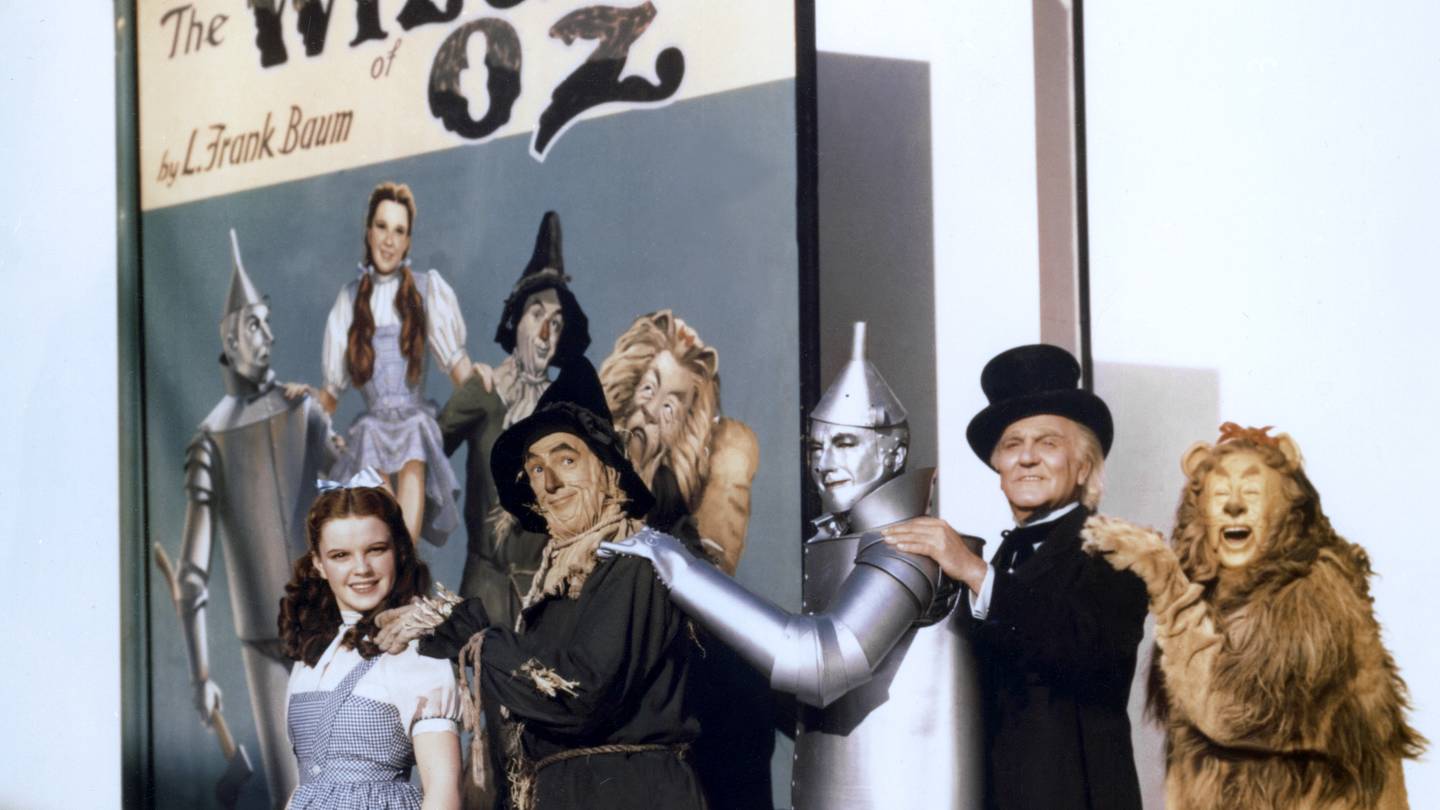
Few stories have traveled as far as The Wizard of Oz. L. Frank Baum’s 1900 children’s novel, The Wonderful Wizard of Oz, gave readers a strange, colorful American fairy tale filled with witches, magic shoes, talking animals, and one very practical Kansas girl. Nearly four decades later, MGM’s 1939 movie turned that story into one of the most beloved films ever made, complete with Judy Garland, Technicolor, unforgettable songs, and a pair of ruby slippers so famous they practically have their own publicist.
But here is the twist: the book and movie are not identical. In fact, the film changes a surprising amount. Some changes were made for pacing. Others were made for visual impact. A few were made because Hollywood looked at Baum’s sprawling adventure and said, “Wonderful, but can we add songs and make everything emotionally devastating in under two hours?”
Below are the 10 biggest differences between The Wizard of Oz book and movie, with examples that show how each version creates its own kind of magic.
1. Dorothy’s Shoes Are Silver in the Book, Not Ruby
The most famous difference is right there on Dorothy’s feet. In Baum’s original novel, Dorothy wears silver shoes. They belonged to the Wicked Witch of the East and become Dorothy’s after her farmhouse lands on the witch. The shoes are mysterious, powerful, and important to the story’s ending.
In the 1939 film, however, the silver shoes become ruby slippers. Why? Technicolor. MGM wanted something dazzling on-screen, and bright red shoes looked far more dramatic against the Yellow Brick Road than silver ones. It was a brilliant visual choice. The ruby slippers became one of the most iconic movie props in American film history, even though they never appear in Baum’s original book.
2. Oz Is Real in the Book, but the Movie Makes It Feel Like a Dream
In the novel, Dorothy’s journey to Oz is presented as a real adventure. She is physically carried there by a cyclone, meets real people and creatures, and returns home through magic. Oz is not treated as a dream, hallucination, or “maybe it was all in her head” situation.
The movie takes a different approach. Dorothy is knocked unconscious during the tornado, and when she wakes up in Oz, the characters resemble people from her Kansas life. The farmhands become the Scarecrow, Tin Man, and Cowardly Lion. Professor Marvel resembles the Wizard. Miss Gulch becomes the Wicked Witch. At the end, Dorothy wakes up in bed, surrounded by familiar faces.
This dream-frame gives the film a strong emotional lesson: Dorothy had to travel “over the rainbow” to understand that home mattered most. The book’s message is gentler and more adventurous. Dorothy wants to return to Kansas, but Oz itself is not dismissed as imaginary.
3. Glinda Does Not Meet Dorothy at the Beginning of the Book
Movie fans know Glinda the Good Witch as the glittering pink guardian who arrives in Munchkinland and gives Dorothy guidance. In the book, that role belongs to the Good Witch of the North, a separate character. She greets Dorothy after the house lands in Oz and gives her the silver shoes.
Glinda appears much later in Baum’s novel. She is the Good Witch of the South, and Dorothy does not meet her until near the end of the story. Glinda is the one who finally explains how Dorothy can use the silver shoes to return home.
The movie simplifies the story by combining these helpful-witch functions into one character. It is easier for viewers to remember one glamorous good witch than to keep track of a North-South magical management system. Oz has many wonders, but apparently even fairyland needs organizational charts.
4. The Book Has Many More Adventures
The film follows a tight path: Kansas, Munchkinland, the Yellow Brick Road, the Emerald City, the Wicked Witch’s castle, and home. It moves quickly because movies have time limits, and audiences can only sit with popcorn for so long before their knees file a complaint.
The book is much more episodic. Dorothy and her friends meet Kalidahs, dangerous beasts with tiger heads and bear bodies. They cross a deadly poppy field. They are helped by the Queen of the Field Mice. Later, they visit strange places such as the Dainty China Country, where delicate porcelain people live, and the land of the Hammer-Heads, who launch their heads at travelers.
These episodes give the novel a broader fantasy-world feeling. Baum’s Oz is not just a backdrop for Dorothy’s emotional growth; it is a fully imagined land filled with odd cultures, rules, dangers, and surprises.
5. The Wicked Witch of the West Is Different in Each Version
Margaret Hamilton’s Wicked Witch of the West is one of cinema’s greatest villains. In the movie, she is a constant threat. She appears in Munchkinland, spies on Dorothy, writes threats in the sky, sends flying monkeys, and generally behaves like the world’s most dramatic neighborhood menace.
In the book, the Wicked Witch is still dangerous, but she appears for a smaller portion of the story. Her power comes partly from the Golden Cap, which allows her to command the Winged Monkeys. She also sends wolves, crows, bees, and Winkie soldiers against Dorothy and her companions.
The movie gives the witch more screen presence and personality. The book gives her more magical tactics. Both versions make her terrifying, but the film turns her into an unforgettable pop-culture figure with a cackle that could curdle milk from three counties away.
6. The Tin Woodman Has a Darker Backstory in the Book
In the movie, the Tin Man explains that he once had a heart and now wants one again. His story is touching but brief. The film focuses more on his tenderness, dancing, and habit of rusting at deeply inconvenient moments.
The book gives him a much more detailed and surprisingly grim origin. He was once a human woodman in love with a Munchkin girl. The Wicked Witch of the East enchanted his axe, causing him to lose parts of his body one by one. Each part was replaced with tin until he became entirely metal. Unfortunately, the tinsmith forgot to give him a heart.
This darker backstory adds emotional depth. The Tin Woodman is not simply missing a heart as a metaphor. He has literally lost his human body and believes he has lost the ability to love. Baum’s version is strange, sad, and oddly mechanicallike a fairy tale written after someone had a very bad day at the hardware store.
7. The Scarecrow, Tin Woodman, and Lion Already Show Their Desired Qualities
Both the book and movie use a clever irony: Dorothy’s companions already possess the qualities they think they lack. The Scarecrow is smart, the Tin Woodman is compassionate, and the Cowardly Lion is brave when it counts.
The book makes this pattern especially clear through repeated adventures. The Scarecrow comes up with practical plans. The Tin Woodman cries over accidentally harming small creatures. The Lion faces danger to protect the group. By the time they meet the Wizard, readers can see the truth even if the characters cannot.
The movie keeps the same idea but presents it through songs, comedy, and emotional moments. The Wizard’s giftsa diploma, a heart-shaped testimonial, and a medalbecome theatrical symbols. In both versions, the message is powerful: sometimes people need recognition, not transformation.
8. The Movie Adds Kansas Counterparts for Oz Characters
One of the film’s smartest changes is giving many Oz characters a Kansas mirror. Hunk resembles the Scarecrow, Hickory resembles the Tin Man, Zeke resembles the Cowardly Lion, Professor Marvel resembles the Wizard, and Miss Gulch resembles the Wicked Witch.
This structure supports the movie’s dreamlike interpretation. Oz becomes a colorful reflection of Dorothy’s real-life fears, relationships, and desires. The fantasy world is not random; it grows from her Kansas experience.
The book does not use this device. Dorothy’s companions in Oz are separate beings, not fantasy versions of people she knows. This makes Baum’s novel feel more like a journey into an independent magical world, while the movie feels more like a psychological adventure wrapped in glitter, music, and one extremely judgmental apple tree.
9. The Movie Is a Musical; the Book Is Not
It is almost impossible to imagine The Wizard of Oz without “Over the Rainbow,” “Follow the Yellow Brick Road,” or “If I Only Had a Brain.” Yet none of those songs are in Baum’s book.
The novel has rhythm, humor, and whimsy, but it is not a musical. The movie uses songs to define character motivations quickly. Dorothy sings about longing. The Scarecrow, Tin Man, and Lion sing about what they believe they lack. The Munchkins sing because apparently when a witch gets flattened by architecture, the correct local response is choreography.
The songs make the film more emotionally immediate. They also helped turn the story into a cultural memory. Many people who have never read the book can still hum the movie’s music, which shows how powerfully adaptation can reshape a story’s legacy.
10. The Ending Is Much Longer in the Book
In the movie, after the Wicked Witch melts, Dorothy returns to the Emerald City. The Wizard tries to take her home in a balloon but leaves without her. Glinda appears and reveals that Dorothy had the power to return home all along. Three heel-clicks later, Dorothy wakes up in Kansas and declares, “There’s no place like home.”
The book’s ending takes more time. After the Witch is destroyed, Dorothy and her friends return to the Emerald City, but their journey is not over. The Wizard leaves by balloon, but Dorothy must still travel south to find Glinda. Along the way, she and her companions encounter more strange lands and obstacles. Only after reaching Glinda does Dorothy learn how to use the silver shoes.
The movie ending is tighter and more sentimental. The book ending is more adventurous and world-expanding. Both bring Dorothy home, but the routes feel different: one is a cinematic emotional circle; the other is a final leg of a fairy-tale expedition.
Why These Changes Matter
The differences between The Wizard of Oz book and movie are not just trivia. They show how storytelling changes across formats. A novel can wander, pause, and explore strange side roads. A film often needs sharper structure, stronger visual symbols, and emotional compression.
Baum’s book is a colorful American fairy tale about courage, loyalty, imagination, and the desire for home. The 1939 movie keeps those themes but reshapes them into a musical dream with unforgettable images. The ruby slippers, sepia Kansas, Technicolor Oz, and mirrored characters are not accidents. They are adaptation choices that made the movie easier to feel instantly.
At the same time, the book offers treasures the movie leaves behind. Readers get a bigger Oz, more creatures, stranger locations, and richer details about the companions. If the movie is a polished jewel box, the book is a magical attic: dustier, odder, and full of things you did not expect to find.
Personal Experience: Reading the Book After Watching the Movie
For many readers, the movie comes first. That is understandable. The 1939 film is practically stitched into American pop culture. Even if someone has never watched it from beginning to end, they probably know the ruby slippers, the Yellow Brick Road, the flying monkeys, and the Wicked Witch’s famous meltdown. The movie feels familiar before you even press play.
Reading Baum’s book afterward can be a surprising experience. At first, everything seems recognizable: Dorothy, Toto, the cyclone, the Munchkins, the magical shoes, and the road to the Emerald City. But then the story starts drifting into unfamiliar territory. Suddenly there are deadly Kalidahs, china people, fighting trees, and Hammer-Heads. The reader may pause and think, “Excuse me, was this always here?” Yes, it was. Hollywood simply packed a smaller suitcase.
One of the most enjoyable parts of comparing the two versions is noticing how each one changes your view of Dorothy. In the movie, Dorothy is emotionally expressive, lonely, and full of longing. Judy Garland gives her a tender vulnerability that makes “Over the Rainbow” feel like a small prayer from a girl who wants the world to be kinder. In the book, Dorothy is more direct and practical. She is frightened at times, but she often responds to danger with calm common sense. She does not spend the whole story waiting to be rescued. She keeps moving.
The book also makes the journey feel larger. The movie’s Oz is visually spectacular, but the novel’s Oz feels geographically wider. You sense that Dorothy has landed in a country with regions, customs, rulers, and strange populations. Some scenes are funny, some are eerie, and some are so odd they feel like Baum tossed imagination into a blender and forgot to put the lid on. That unpredictability is part of the charm.
The movie, however, wins when it comes to emotional memory. The songs act like shortcuts to the heart. The moment Dorothy steps from sepia Kansas into Technicolor Oz remains one of the most powerful visual transitions in film. The ruby slippers may not be book-accurate, but they are movie-perfect. They sparkle with purpose. They tell the audience, without a lecture, that Dorothy is carrying magic even before she understands it.
Experiencing both versions side by side is like hearing the same song played by two different musicians. The melody is familiar, but the mood changes. The book is stranger, broader, and more adventurous. The movie is warmer, tighter, and more emotionally focused. Neither cancels out the other. Instead, they make the world of Oz feel bigger.
That may be the real reason The Wizard of Oz continues to endure. It can survive reinvention. Silver shoes can become ruby slippers. A real magical country can become a dream. A wandering fairy tale can become a Hollywood musical. Yet at the center remains Dorothy, a girl trying to get home with the help of friends who are braver, smarter, and more loving than they realize. That is a story worth following down any road, yellow brick or otherwise.
Conclusion
The biggest differences between The Wizard of Oz book and movie reveal how adaptation can transform a story without destroying its heart. Baum’s novel gives readers silver shoes, a real Oz, a longer journey, separate good witches, and a parade of strange fantasy encounters. The 1939 movie gives audiences ruby slippers, unforgettable songs, Kansas character doubles, a dreamlike structure, and one of the most emotionally satisfying endings in film history.
Both versions deserve attention. The movie may be the more famous version, but the book offers a deeper look at the original Land of Oz. Together, they show why Dorothy’s journey remains timeless: everyone wants courage, wisdom, love, and a way back home. Preferably without flying monkeys, but we take the road we’re given.
Note: This article is written for web publishing and synthesizes reliable information from established literary, film-history, museum, and cultural references without inserting source links into the copy.