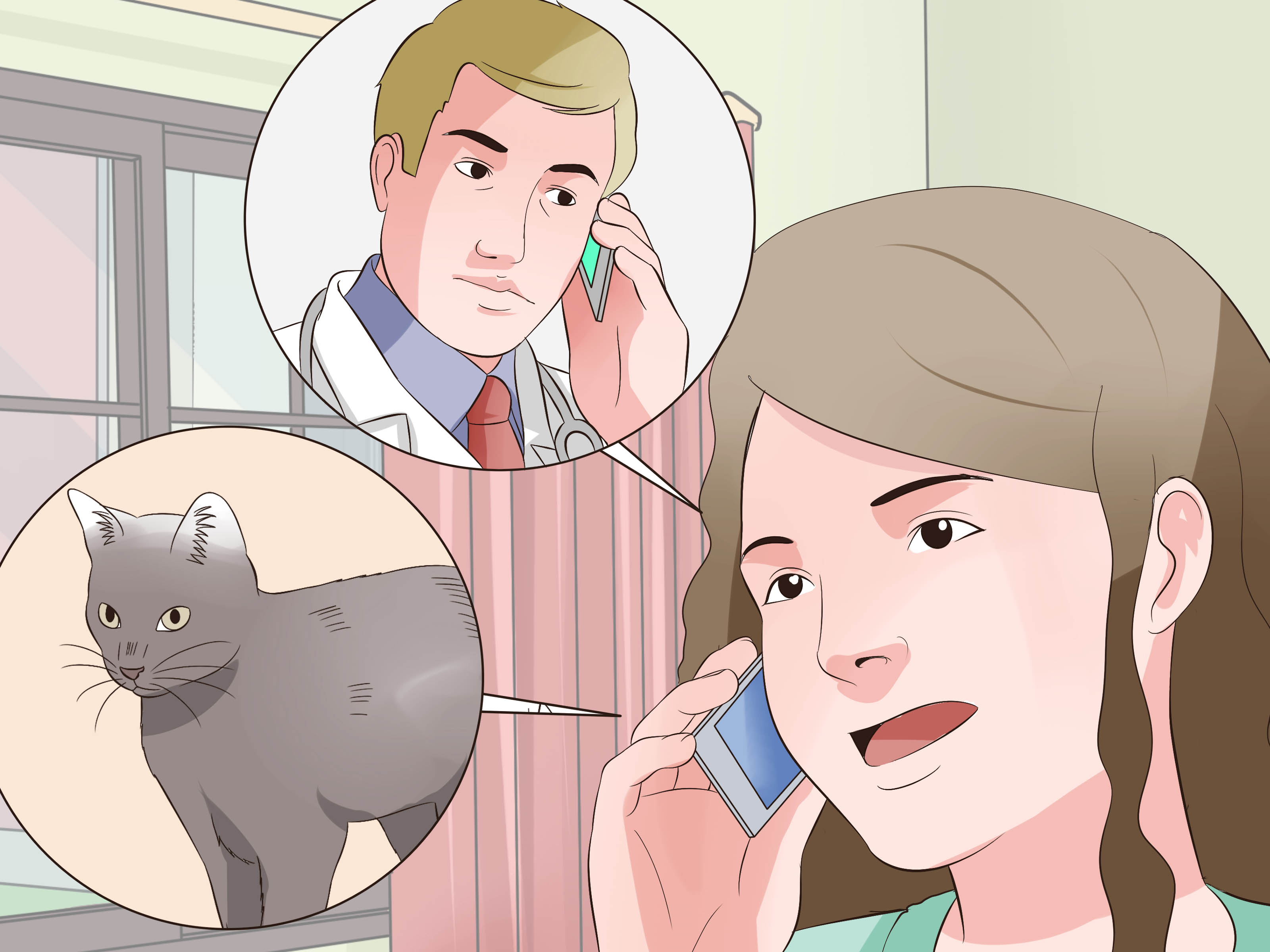
Note: Cat CPR is an emergency life-support technique, not a replacement for veterinary care. If a cat is unconscious, not breathing, or has no heartbeat, call an emergency veterinarian immediately and begin CPR only when it is truly needed. Do not practice CPR on a healthy cat. Cats are dramatic enough without being enrolled in surprise medical theater.
Why Every Cat Owner Should Know Cat CPR
Most cat parents know the familiar sounds of feline life: the 3 a.m. hallway sprint, the mysterious cupboard thump, the judgmental meow from the food bowl that was “empty” because the kibble had shifted one inch to the left. But few people are prepared for the terrifying silence of a cat who is unresponsive and not breathing.
Learning how to perform CPR on a cat can help you act during the critical minutes before veterinary professionals take over. Cardiopulmonary resuscitation, or CPR, is designed to keep blood and oxygen moving when a cat’s heart and breathing have stopped. It does not “fix” the underlying emergency, but it may buy precious time.
The most important thing to remember is simple: CPR is for cats who are unconscious, not breathing normally, and have no detectable heartbeat or pulse. A cat who is breathing, blinking, growling, moving, or trying to bite you does not need CPR. That cat needs urgent veterinary evaluation, careful handling, and possibly a written apology for bothering royalty.
Before You Begin: Know When CPR Is Needed
Cat CPR should only be attempted in a true life-threatening emergency. If your cat is collapsed but still breathing, rush to an emergency veterinarian. If your cat is choking, bleeding heavily, poisoned, having a seizure, or struggling to breathe with open-mouth breathing, those are also emergency situations, but CPR may not be the first step unless the cat becomes unconscious and stops breathing.
Signs that cat CPR may be needed include no response to voice or touch, no visible chest movement, no air felt from the nostrils, pale or blue gums, limp body posture, and no heartbeat or femoral pulse. The femoral pulse is located high inside the back leg near the groin. In cats, it can be difficult to feel, especially when panic is trying to play the drums in your chest.
If you are unsure whether your cat is breathing or has a heartbeat, do not spend a long time checking. A quick assessment is enough. Delaying CPR when it is truly needed lowers the chance of survival.
How to Perform CPR on a Cat: 14 Steps
Step 1: Stay as Calm as Possible
Take one deep breath before you touch your cat. Panic makes hands clumsy and decisions fuzzy. Speak softly, move quickly, and focus on the next action rather than the whole frightening situation. If another person is nearby, assign clear jobs: “Call the emergency vet,” “Get the carrier,” or “Drive.” Avoid vague instructions like “Do something!” which is technically a sentence but not a plan.
Step 2: Check for Responsiveness
Call your cat’s name, clap gently, or tap the body. Do not shake the cat violently. If the cat reacts, breathes, moves, vocalizes, or tries to escape, do not start chest compressions. Instead, keep the cat warm, quiet, and transported to veterinary care immediately.
Step 3: Call an Emergency Veterinarian
Before or while you begin CPR, contact your veterinarian or the nearest emergency animal hospital. If someone else is with you, have that person call while you assess the cat. Tell the clinic your cat is unconscious and not breathing so the team can prepare oxygen, emergency drugs, and resuscitation equipment before you arrive.
Step 4: Place the Cat on a Firm, Flat Surface
Lay your cat on one side on the floor, a sturdy table, or another firm surface. A soft couch absorbs compression force, which makes CPR less effective. Many veterinary first-aid instructions recommend placing cats on their right side, but the main goal is to position the cat safely and begin quickly.
Step 5: Open the Airway
Gently extend the head and neck so the airway is as straight as possible. Open the mouth and carefully pull the tongue forward. Look inside the mouth and throat for a visible object, such as food, a toy piece, string, or other blockage.
Only remove an object if you can see it clearly and reach it safely. Do not blindly sweep deep into the mouth because you may push an obstruction farther back or get bitten if the cat suddenly responds.
Step 6: Check for Breathing
Look at the chest for movement. Listen near the nose and mouth. Feel for air from the nostrils. Spend no more than a few seconds checking. Occasional gasping is not normal breathing and should be treated as an emergency.
Step 7: Check for a Heartbeat or Pulse
Place your hand on the lower left side of the chest, just behind the elbow, to feel for a heartbeat. You can also try to feel the femoral pulse inside the back leg near the groin. If there is no heartbeat or pulse and the cat is not breathing, start CPR.
Step 8: Find the Correct Hand Position
For most cats, use one hand to compress the chest. Place your thumb on one side of the chest and your fingers on the other, over the area where the elbow touches the rib cage when the front leg is bent. Your other hand can support the cat’s back and help stabilize the body.
Because cats are small, avoid using the same force you would use on a large dog or human adult. The goal is firm, controlled compression, not turning your cat into a pancake with whiskers.
Step 9: Begin Chest Compressions
Compress the chest at a rate of 100 to 120 compressions per minute. That is roughly two compressions per second. Many first-aid guides suggest using the rhythm of “Stayin’ Alive” to keep pace, which is both medically memorable and slightly ironic.
Compress the chest about one-third to one-half of its width, then allow the chest to return fully before the next compression. Full recoil matters because the heart needs to refill between compressions. Do not lean continuously on the chest.
Step 10: Give 30 Compressions
Count out 30 chest compressions. Keep your rhythm steady and minimize pauses. Quality matters more than panic-speed. If you lose count, restart at a reasonable point and keep going. In a real emergency, perfection is not the goal; action is.
Step 11: Give 2 Rescue Breaths
After 30 compressions, gently close your cat’s mouth and extend the neck. Place your mouth over the cat’s nose, creating a seal. Give one gentle breath for about one second, just enough to see the chest rise. Pause briefly, then give a second breath.
Do not blow too hard. Cats have small lungs. A rescue breath should raise the chest naturally, not inflate the cat like a parade balloon.
Step 12: Continue the 30:2 Cycle
Continue cycles of 30 chest compressions followed by 2 rescue breaths. Keep the rate at 100 to 120 compressions per minute. If two people are available, one person can do compressions while the other handles rescue breaths and transportation logistics.
Step 13: Recheck Every 2 Minutes
Every two minutes, pause briefly for less than 10 seconds to check for breathing, heartbeat, or movement. If the cat begins breathing normally, stop compressions and transport immediately to a veterinarian. Keep the cat warm and quiet. Even if your cat seems to recover, internal problems may still be present.
Step 14: Get to Veterinary Care Immediately
Continue CPR until your cat breathes on their own, a veterinarian takes over, you are physically unable to continue, or the situation becomes unsafe. If possible, have another person drive while you continue CPR in the vehicle. Do not attempt CPR while driving. Your cat needs a veterinarian, and you need to avoid creating a second emergency with airbags.
Common Mistakes to Avoid During Cat CPR
Starting CPR on a Cat Who Is Breathing
CPR can injure a cat if it is performed unnecessarily. If your cat is breathing, even poorly, focus on urgent transport and airway support rather than chest compressions unless breathing and heartbeat stop.
Pressing Too Softly or Too Hard
Weak compressions may not move enough blood. Excessive force can cause injury. Aim for one-third to one-half of the chest width and allow full recoil after each compression.
Taking Too Long to Check for a Pulse
Finding a pulse on a cat can be tricky, especially when you are scared. Check quickly. If the cat is unconscious, not breathing, and you cannot detect a heartbeat, begin CPR.
Forgetting the Emergency Vet
CPR is a bridge to professional care. It is not a home treatment plan. Veterinary teams can provide oxygen, intubation, medications, monitoring, and treatment for the underlying cause of collapse.
What Causes a Cat to Need CPR?
A cat may need CPR after severe trauma, electric shock, drowning, choking, poisoning, advanced heart disease, respiratory failure, heatstroke, or complications from another serious illness. Some emergencies happen suddenly, while others develop after warning signs such as weakness, open-mouth breathing, blue gums, collapse, or extreme lethargy.
Open-mouth breathing in cats is especially concerning. Unlike dogs, cats do not normally pant after mild activity. If your cat is breathing with an open mouth, extending the neck, hiding, drooling, or using the belly to breathe, treat it as an emergency even before CPR becomes necessary.
How to Prepare Before an Emergency Happens
The best time to learn cat CPR is before your cat needs it. Consider taking a pet first-aid course from a reputable organization or asking your veterinarian to demonstrate chest-compression hand placement. Practicing on a stuffed animal or pet CPR mannequin can build muscle memory without annoying your actual cat, who has already filed enough complaints about the vacuum cleaner.
Keep an emergency plan in a visible place. Include your regular veterinarian’s phone number, the nearest 24-hour emergency hospital, the ASPCA Animal Poison Control Center, the Pet Poison Helpline, your cat’s medications, medical conditions, and carrier location. In a crisis, your brain may temporarily become soup. Written information helps.
Cat First-Aid Kit Essentials
A cat first-aid kit cannot replace a veterinarian, but it can help you respond faster. Useful items include disposable gloves, clean towels, gauze, adhesive tape, a digital thermometer, saline eye rinse, tweezers, a small flashlight, a blanket, a carrier, and emergency contact numbers. Keep the kit where everyone in the household can find it.
If poisoning is possible, do not induce vomiting unless a veterinarian or poison-control expert tells you to do so. Some substances can cause more harm coming back up. When calling for help, have the product container, label, or plant sample available if possible.
After CPR: What Happens at the Veterinary Hospital?
Once you arrive, the veterinary team may continue CPR, give oxygen, place an airway tube, administer emergency medications, monitor heart rhythm, check blood pressure, run blood tests, take X-rays, or perform other lifesaving procedures. The goal is not only to restart breathing and circulation but also to identify why the arrest happened.
Survival after cardiac arrest in pets is unfortunately not guaranteed, even with excellent care. That truth is hard, but it is also why fast action matters. Early recognition, immediate CPR when appropriate, and rapid veterinary treatment give your cat the best possible chance.
Experience-Based Tips for Handling a Cat CPR Emergency
In real life, emergencies rarely unfold like a neat training poster. The phone is across the room. The carrier is in the closet behind holiday decorations. Your hands shake. Someone asks where the vet’s number is even though it has been on the fridge since 2019. This is why preparation matters almost as much as technique.
One practical experience many pet owners share is that the first few seconds feel unreal. You may stare at your cat and think, “This cannot be happening.” That pause is human. But after that first heartbeat of disbelief, move into a simple pattern: check, call, compress, breathe, transport. Repeating those words in your mind can keep you from freezing.
Another important lesson is to give people jobs. If three family members are standing nearby, do not assume they know what to do. Say, “You call the emergency vet.” Say, “You bring the carrier and a towel.” Say, “You drive.” Clear roles reduce chaos. Cats may be independent creatures, but saving one is often a team sport.
It also helps to know your route to the nearest emergency animal hospital before disaster strikes. Do not wait until midnight on a holiday weekend to discover that your regular clinic is closed and the nearest 24-hour hospital is 35 minutes away. Save the address in your phone. Write it near your first-aid kit. If your cat has heart disease, asthma, seizure history, or another serious condition, ask your veterinarian which emergency hospital they recommend.
During CPR, fatigue appears quickly. Cat chest compressions look small, but maintaining the correct pace and depth is physically demanding. If someone else is trained and available, switch every two minutes. If you are alone, keep going as steadily as you can and focus on getting to veterinary care.
Many cat owners also underestimate how emotional the aftermath can be. Even if the cat survives, you may replay the event in your head for days. That is normal. Talk with your veterinarian about what happened, what signs to watch for, and whether follow-up testing is needed. If the outcome is not what you hoped, remember that performing CPR is an act of courage and love, not a guarantee. You showed up for your cat in the hardest possible moment.
The most useful experience-based advice is this: make emergency readiness boring. Put the carrier where it is easy to reach. Keep the first-aid kit stocked. Save the vet numbers. Learn the hand position. Watch a reputable pet CPR demonstration before you need it. Boring preparation can become heroic later, even if the hero is wearing pajama pants and one sock.
Conclusion
Knowing how to perform CPR on a cat is one of those skills you hope never to use, but it can make a real difference in a life-threatening emergency. The key steps are to confirm your cat is unresponsive, not breathing, and without a detectable heartbeat; call an emergency veterinarian; open the airway; perform chest compressions at 100 to 120 per minute; give 2 gentle rescue breaths after every 30 compressions; and continue while getting your cat to professional care.
Cat CPR is not about being perfect. It is about acting quickly, safely, and with purpose. Your cat may never thank you out loud, because cats prefer to keep the household power dynamic intact, but being prepared is one of the most loving things you can do.