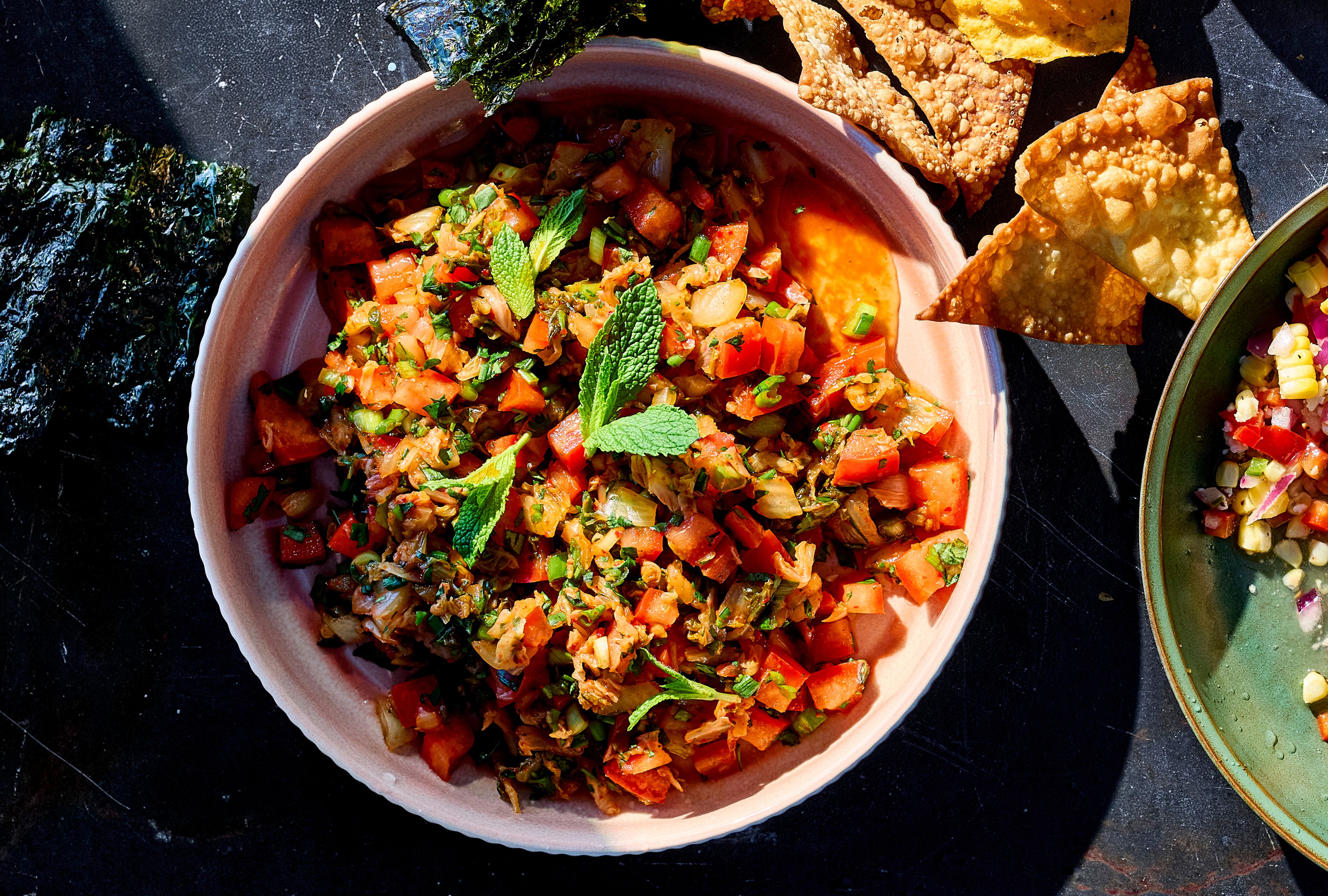
If regular salsa is the dependable friend who always brings chips to the party, kimchi salsa is the friend who arrives with a karaoke machine, a dramatic entrance, and somehow makes the whole room more interesting. This 15-minute kimchi salsa recipe blends the juicy freshness of tomato salsa with the spicy, tangy, savory punch of Korean kimchi. The result is fast, bright, crunchy, and just funky enough to make tacos, eggs, rice bowls, grilled chicken, tofu, and tortilla chips suddenly feel like they got a promotion.
This is not a fussy recipe. You do not need to roast peppers, simmer anything, ferment cabbage in your garage, or explain to your family why the kitchen smells “alive.” The heavy flavor lifting is already done by kimchi, which brings garlic, chile, acidity, salt, crunch, and umami in one convenient ingredient. Add ripe tomatoes, cilantro, lime, onion, and a little jalapeño, and you have a quick kimchi salsa that tastes layered even though it takes less time than finding the lid to your food processor.
Use this recipe as a dip, taco topping, burger condiment, rice bowl booster, or secret weapon for leftovers that need a little sparkle. It is bold without being complicated, flexible without being vague, and fast enough for weeknights when dinner is already looking at you with judgmental eyes.
What Is Kimchi Salsa?
Kimchi salsa is a Korean-Mexican fusion condiment that combines chopped kimchi with classic salsa ingredients such as tomatoes, cilantro, lime juice, onion, and chile pepper. It borrows the freshness of pico de gallo and adds the fermented tang of kimchi, creating a condiment that is spicy, acidic, savory, and lightly crunchy.
Traditional kimchi is a Korean fermented vegetable dish, most commonly made with napa cabbage, radish, garlic, ginger, chile flakes, salt, and sometimes fish sauce or salted seafood. Salsa, meanwhile, is a broad category of sauces and condiments in Mexican cooking. Put the two ideas together and you get a practical, flavor-packed topping that makes sense on tacos, nachos, breakfast eggs, grain bowls, grilled meats, and even sandwiches.
The key is balance. Kimchi is already salty and acidic, so this recipe uses fresh tomato for sweetness and juiciness, lime for brightness, cilantro for freshness, onion for crunch, and optional jalapeño for extra heat. The goal is not to bury the kimchi. The goal is to let it lead the band without stealing everyone’s instruments.
Why This 15-Minute Kimchi Salsa Recipe Works
This recipe works because it layers flavors that naturally get along. Kimchi brings deep fermented tang, chile warmth, garlic, and savory complexity. Tomatoes bring water, sweetness, and a mellow base. Lime juice sharpens the whole bowl. Cilantro adds a fresh herbal lift. Onion and jalapeño give the salsa a familiar pico-style crunch.
Because kimchi is already seasoned, you do not need a long ingredient list. In many salsa recipes, the cook has to build flavor from scratch. Here, the kimchi arrives with its own flavor résumé. That means the salsa can be mixed, tasted, adjusted, and served in about 15 minutes.
The texture is also part of the magic. Chopped kimchi is softer than raw cabbage but still has bite. Tomatoes make the salsa juicy. Onion keeps it crisp. If you chop everything finely, you get a spoonable salsa that clings to chips and tacos. If you leave it chunkier, it becomes more like a relish, perfect for grilled foods and rice bowls.
Ingredients
This recipe makes about 2 cups, enough for 4 to 6 servings as a dip or topping.
- 1 cup ripe tomatoes, finely diced Roma tomatoes, cherry tomatoes, or vine-ripened tomatoes all work well.
- 3/4 cup napa cabbage kimchi, drained and chopped Use well-fermented kimchi for a stronger tang.
- 1/4 cup red onion, finely diced Scallions also work if you want a milder bite.
- 1/4 cup fresh cilantro, chopped Add more if you are proudly Team Cilantro.
- 1 small jalapeño, seeded and minced Optional, depending on your heat tolerance.
- 1 tablespoon fresh lime juice Lemon juice works in a pinch.
- 1 to 2 teaspoons kimchi brine Optional, but excellent for extra tang.
- 1/2 teaspoon honey or sugar Optional, useful if your kimchi is very sour.
- 1/2 teaspoon toasted sesame oil Optional, for a nutty Korean-style finish.
- Salt, to taste Add only after tasting because kimchi is naturally salty.
How to Make Kimchi Salsa in 15 Minutes
Step 1: Prep the Fresh Ingredients
Wash and dry the tomatoes, cilantro, jalapeño, and lime. Dice the tomatoes into small pieces, mince the onion, chop the cilantro, and finely mince the jalapeño. If you want a milder salsa, remove the jalapeño seeds and white ribs. If you want heat with a small amount of drama, leave some seeds in.
Step 2: Drain and Chop the Kimchi
Remove the kimchi from the jar and let excess liquid drip off. Do not throw away the brine; it is liquid flavor. Chop the kimchi into small pieces so it blends evenly with the tomato mixture. Big kimchi pieces are delicious, but they can turn one tortilla chip into a structural engineering project.
Step 3: Mix Everything Together
In a medium bowl, combine the diced tomatoes, chopped kimchi, onion, cilantro, jalapeño, lime juice, and 1 teaspoon of kimchi brine. Stir gently until the ingredients are evenly mixed.
Step 4: Taste and Adjust
Taste the salsa before adding salt. If it needs more brightness, add another squeeze of lime. If it tastes too sharp, add a tiny pinch of sugar or honey. If it needs more depth, add a few drops of toasted sesame oil. If it needs more heat, add more jalapeño or a small pinch of gochugaru.
Step 5: Rest for Five Minutes
Let the salsa sit for 5 minutes before serving. This short rest helps the tomato juices, kimchi brine, lime, and aromatics mingle. It is not mandatory, but it makes the salsa taste more complete. Think of it as a tiny flavor meeting where everyone finally learns each other’s names.
Recipe Card: 15-Minute Kimchi Salsa
Prep time: 15 minutes
Cook time: 0 minutes
Total time: 15 minutes
Yield: About 2 cups
Best for: Chips, tacos, eggs, rice bowls, nachos, grilled chicken, tofu, burgers, and wraps
Best Kimchi to Use for Salsa
The best kimchi for salsa is napa cabbage kimchi with a noticeable tang and good crunch. Young kimchi tastes fresher and milder, while older kimchi is more sour and intense. Both can work, but they create different results.
If your kimchi is very young, the salsa will taste lighter and more cabbage-forward. Add extra lime juice to brighten it. If your kimchi is very fermented, the salsa will have a deeper sour flavor. Add a little tomato, mango, or honey to soften the edge.
For a vegan kimchi salsa, check the kimchi label. Some kimchi includes fish sauce, shrimp paste, anchovy sauce, or other seafood-based ingredients. Vegan kimchi is widely available and works beautifully in this recipe.
Flavor Tips for the Best Kimchi Salsa
Use Ripe Tomatoes
Ripe tomatoes make the salsa taste juicy and fresh. Roma tomatoes are firm and easy to dice, while cherry tomatoes add sweetness. If your tomatoes are watery, scoop out some seeds before mixing.
Do Not Over-Salt
Kimchi already contains salt, so taste first. Many homemade salsa mistakes begin with the innocent phrase, “Just a little more salt.” Then suddenly your salsa tastes like it went swimming in the ocean and brought back souvenirs.
Chop Everything Small
A fine chop gives you the best spoonable texture. The goal is to get tomato, kimchi, onion, and herbs in every bite. This matters especially if you plan to serve the salsa with tortilla chips.
Balance Sourness with Sweetness
If your kimchi is extra sour, a tiny amount of sugar, honey, or diced fruit can help. Mango, pineapple, or pear all pair well with kimchi because their sweetness balances the fermented tang.
Add Sesame Oil Carefully
Toasted sesame oil is optional and powerful. A little adds roundness; too much can make the salsa taste heavy. Start with a few drops, stir, and taste.
Serving Ideas
This homemade kimchi salsa is more versatile than it looks. It is fantastic with tortilla chips, especially sturdy chips that can handle a chunky scoop. It also makes an excellent topping for Korean BBQ tacos, bulgogi bowls, grilled shrimp, roast chicken, pork tacos, veggie burgers, and fried eggs.
For breakfast, spoon it over scrambled eggs or an omelet. For lunch, add it to a rice bowl with avocado, cucumbers, and leftover protein. For dinner, use it on tacos with grilled steak, chicken, mushrooms, tofu, or crispy fish. For snacks, serve it with chips, quesadillas, or nachos. For late-night fridge raids, eat it straight from the container while pretending you are “checking the seasoning.” No judgment. The spoon understands.
Easy Variations
Kimchi Mango Salsa
Add 1/2 cup diced mango for a sweet, spicy, tropical version. This is excellent with fish tacos, shrimp, grilled chicken, and pork.
Cucumber Kimchi Salsa
Add 1/2 cup diced cucumber for extra crunch and freshness. This version is especially good with rice bowls and lettuce wraps.
Avocado Kimchi Salsa
Fold in 1 diced avocado right before serving. The creamy avocado softens the acidity and makes the salsa feel richer. Do not add avocado too early, or it may brown and soften.
Roasted Tomato Kimchi Salsa
Use roasted tomatoes instead of fresh tomatoes for a deeper, smokier flavor. This version is great for grilled meats and nachos.
Extra-Spicy Gochugaru Salsa
Add 1/2 teaspoon Korean red pepper flakes, also called gochugaru, for more chile flavor without overwhelming the salsa with raw pepper heat.
Storage and Make-Ahead Tips
Kimchi salsa tastes best the day it is made, when the tomatoes are still fresh and the herbs are lively. You can store leftovers in an airtight container in the refrigerator for up to 2 to 3 days, though the texture will soften over time.
For the best make-ahead version, chop the kimchi, onion, and jalapeño in advance, then add the tomatoes, cilantro, and lime juice shortly before serving. This keeps the salsa brighter and less watery.
Do not leave kimchi salsa sitting at room temperature for long periods, especially during warm weather or parties. Keep it chilled until serving, and return leftovers to the refrigerator promptly. This recipe is designed as a fresh refrigerator salsa, not a canned salsa, so do not process it for shelf storage.
Common Mistakes to Avoid
Using Too Much Kimchi Brine
Kimchi brine is delicious, but too much can make the salsa watery and overly salty. Start with 1 teaspoon and add more only if needed.
Skipping the Taste Test
Every jar of kimchi is different. Some are mild, some are fiery, some are salty, and some are sour enough to make your eyebrows file a complaint. Taste and adjust instead of blindly following measurements.
Making the Salsa Too Far Ahead
The salsa will still taste good after resting, but tomatoes and cilantro are best fresh. If presentation matters, make it close to serving time.
Forgetting Texture
If the kimchi pieces are too large, the salsa can feel uneven. Chop the kimchi into small pieces so every bite tastes balanced.
Frequently Asked Questions
Is kimchi salsa spicy?
It can be mild, medium, or spicy depending on your kimchi and how much jalapeño you add. For a milder version, skip the jalapeño and use younger kimchi. For more heat, add jalapeño seeds, gochugaru, or a small amount of hot sauce.
Can I make kimchi salsa without cilantro?
Yes. Use scallions, parsley, mint, or a small amount of basil. Cilantro gives the salsa a classic fresh flavor, but the recipe still works without it.
Can I blend kimchi salsa?
Yes, but pulse lightly. A fully blended kimchi salsa can become watery if overprocessed. For the best texture, pulse half the mixture and stir it back into the chunky half.
Can I use store-bought kimchi?
Absolutely. Store-bought kimchi is the easiest option for a 15-minute recipe. Choose a kimchi you already enjoy eating because its flavor will shape the salsa.
Is kimchi salsa vegan?
It can be. The salsa ingredients are plant-based if you use vegan kimchi. Check labels because some kimchi contains fish sauce, anchovy, shrimp, or other seafood ingredients.
Personal Experience and Kitchen Notes
The first time I made kimchi salsa, it was not part of a grand culinary plan. It was more of a refrigerator negotiation. I had half a jar of kimchi, two tomatoes that were approaching their “use me or lose me” era, a tired bunch of cilantro, and a bag of tortilla chips that had already been opened with the confidence of someone who had no dinner plan. The result was supposed to be a snack. It became dinner’s main personality.
What surprised me most was how naturally kimchi fits into salsa. At first, it sounds like a fusion idea invented by someone standing too close to a food truck menu. But once you taste it, the logic is obvious. Salsa loves acidity. Kimchi brings acidity. Salsa loves chile. Kimchi brings chile. Salsa needs texture. Kimchi has crunch. Salsa often needs a little extra depth, and kimchi casually walks in carrying garlic, ginger, fermentation, and umami like it packed for a long weekend.
My favorite version uses cherry tomatoes because they are sweet and dependable even when larger tomatoes are out of season. I quarter them, chop the kimchi very finely, and use scallions instead of red onion when I want a softer flavor. If I am serving the salsa with tacos, I add extra lime. If I am putting it on rice bowls, I add a few drops of toasted sesame oil. If I am eating it with chips, I keep it chunky because scooping is a sport and I respect the rules.
One useful lesson: not all kimchi behaves the same. A fresh, crisp kimchi makes a lighter salsa that tastes almost like a spicy slaw. A deeply fermented kimchi makes a salsa with more attitude. Both are good, but they need different adjustments. Very sour kimchi likes sweet tomatoes or a little mango. Very salty kimchi needs more tomato and less added brine. Very spicy kimchi may not need jalapeño at all unless your taste buds enjoy extreme sports.
I have served this kimchi salsa with grilled chicken, mushroom tacos, scrambled eggs, and plain rice. The rice bowl version may be the most practical: warm rice, a fried egg, avocado, cucumbers, and a spoonful of kimchi salsa on top. It tastes like a meal that took planning, even when the plan was simply “please let there be something edible in the fridge.” It also wakes up leftovers beautifully. Roast pork, rotisserie chicken, tofu, and even simple quesadillas all benefit from the bright, spicy crunch.
The biggest compliment this salsa gets is silence. People take one bite, pause for a second, and then go back for another scoop before asking what is in it. That tiny pause is the good sign. It means the flavor is familiar enough to be comforting but different enough to be memorable. And really, that is the whole charm of a 15-minute kimchi salsa recipe: it feels adventurous without requiring a cooking degree, a specialty pantry, or a motivational speech.
Conclusion
This 15-minute kimchi salsa recipe is fast, flexible, and full of bold flavor. It combines the juicy freshness of tomato salsa with the fermented tang of kimchi, creating a condiment that can upgrade chips, tacos, eggs, rice bowls, grilled proteins, and weeknight leftovers. The recipe is easy to customize, simple to prepare, and lively enough to make familiar meals taste brand-new.
If you already love kimchi, this salsa gives you another reason to keep a jar in the fridge. If you are new to kimchi, this is a friendly place to start because the tomatoes, lime, cilantro, and onion make the flavor bright and approachable. In just 15 minutes, you get a homemade salsa that is spicy, tangy, crunchy, and funthe kind of recipe that makes your refrigerator look smarter than it really is.