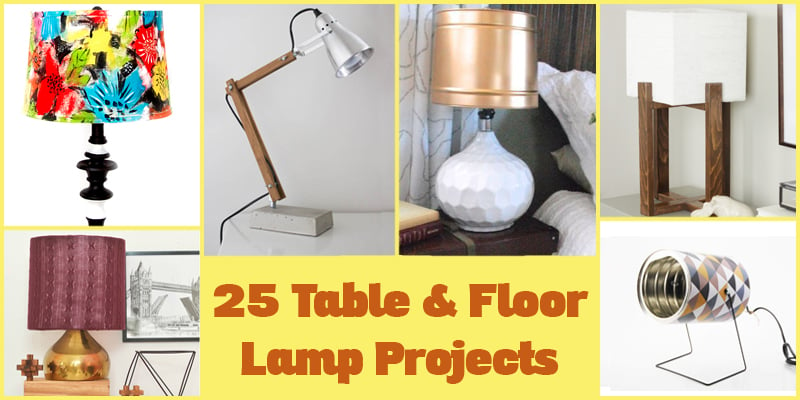
If your room feels flat, sleepy, or one bad throw pillow away from a full design identity crisis, a lamp project might be the fix. Table and floor lamps do more than brighten a corner. They add height, texture, warmth, and personality without demanding a full remodel or a second mortgage. That is why DIY lamp projects keep showing up in stylish homes: they are practical, customizable, and surprisingly fun once you realize a lamp kit is less scary than assembling mystery furniture from a box with 47 screws.
The beauty of these projects is range. Some ideas are true beginner wins, like slipping a rechargeable light into a ceramic vase or refreshing an old shade with paint or paper. Others involve basic rewiring, a new socket, or turning thrifted objects into functional lighting. The common thread is simple: you get a custom look for less money, and your room stops looking like it was furnished in one panicked online shopping session at 1:12 a.m.
Below, you will find 25 table and floor lamp projects that combine style, usefulness, and real-world DIY logic. Some lean classic, some lean quirky, and some are for people who look at a random planter and think, “That could absolutely become a lamp.” Those people are correct.
Why DIY Lamp Projects Work So Well
Lamp projects are satisfying because they sit at the sweet spot between craft and home improvement. You can change the entire mood of a room with one well-placed light source. A new shade can soften glare, a taller base can add drama, and a floor lamp can turn an awkward dead corner into a reading nook that looks intentional instead of forgotten. In design terms, lamps help layer light. In plain English, that means your house stops feeling like it is lit by either a hospital ceiling panel or pure darkness.
They are also ideal for upcycling. Old books, vases, figurines, wood offcuts, baskets, planters, and vintage parts can all become useful lighting with a little creativity. When you pair that flexibility with LEDs, better lamp kits, and easy-to-find hardware, these projects become far more approachable than they used to be.
25 Table and Floor Lamp Projects to Try
-
Turn a Ceramic Vase Into a Cordless Table Lamp
This is the easiest gateway project. Use a wide-mouth ceramic vase and place a rechargeable cordless lamp inside it. The result looks custom, expensive, and a little smug in the best way. It is perfect for renters, small shelves, and anyone who wants the lamp look without drilling or rewiring.
-
Make a Stacked-Books Table Lamp
Old hardcovers become sculptural when stacked, drilled, and fitted with a lamp kit. This project works especially well in a study, bedroom, or library corner. Use books with worn spines for character, or wrap thrifted books in matching paper for a cleaner, modern look.
-
Create a Figurine Lamp on a Wood Base
A porcelain animal, bust, or vintage figurine can become a lamp with a wood plaque, lamp neck, and basic kit. The trick is scale: choose a figurine with enough visual weight to hold its own under a shade. This project gives you that boutique-vintage feel without boutique-vintage prices.
-
Refresh a Drum Shade With Watercolor Fabric
If your lamp base is fine but the shade is boring, decoupage a plain drum shade with watercolor fabric. The light shines through softly, and the pattern gives the lamp a custom designer touch. It is a low-cost makeover with an oddly satisfying before-and-after.
-
Paint a Plain Lampshade With Geometric Shapes
A blank shade becomes a statement piece with painter’s tape, leftover interior paint, and a little patience. Try color blocking, arches, stripes, or tiny repeated motifs. This is a great project for tying a lamp into your room palette without repainting the entire space like a person avoiding smaller tasks.
-
Wrap a Shade in Marbled Paper
Decorative paper instantly upgrades a plain parchment shade. Marbled paper looks high-end, but floral wrapping paper, vintage maps, or subtle linen-texture paper also work beautifully. Finish the edges neatly with trim so the shade looks polished rather than “craft table at 4 p.m.”
-
Try the Naked Lampshade Look
Remove the fabric from an old shade frame and pair the exposed structure with an Edison-style LED bulb. This look suits industrial, farmhouse, and minimalist interiors. It also proves that sometimes the “unfinished” version is the actual finished look.
-
Make a Chalkboard Lamp for a Kid’s Room
Paint a lamp base or shade with chalkboard paint so kids can doodle, label, or change the look whenever inspiration hits. It is playful, interactive, and a nice way to make lighting feel personal. Keep the design simple and use LED bulbs to reduce heat.
-
Turn a Glass Bottle Into a Bedside Lamp
A lamp-making bottle adapter kit makes this project much easier than it sounds. Wine bottles, olive oil bottles, and vintage glass containers all work. Choose one with a shape or color you genuinely love, because once it glows, it becomes a focal point fast.
-
Use a Planter Pot as a Lamp Base
A decorative planter can disguise a slim lamp base or become the visible star of the piece. This is a great hack for adding texture like terracotta, ceramic, or ribbed stoneware. Just keep proportions in check so the shade and base still feel balanced.
-
Build a Wood Block Lamp for Modern Interiors
Cut a clean rectangular block from hardwood, drill a cord channel, add a socket, and finish it with oil or stain. This style looks especially good with linen shades, globe bulbs, and simple furniture. It is minimal, warm, and quietly confident.
-
Make a Concrete-Look Table Lamp
You do not need to pour a sidewalk in your kitchen. Use lightweight materials or a faux-concrete finish on an existing ceramic base for an industrial-modern effect. Pair it with a white drum shade to keep the final look crisp instead of cave-like.
-
Build a Brass-and-Wood Accent Lamp
Combine a stained wood base with brass hardware for a lamp that feels timeless and tailored. This is ideal for entry consoles and side tables where you want the light to feel decorative even when it is switched off.
-
Turn Lab Glassware Into a Quirky Lamp
Beakers, flasks, or chemistry-inspired vessels can become smart conversation pieces. This style suits eclectic spaces, teen rooms, and anyone who enjoys décor with a wink. Keep the shade simple so the base gets the attention.
-
Make a Cane-Wrapped Lamp Shade
Use cane webbing or woven material to wrap a simple shade or frame. The texture softens modern rooms and adds breezy warmth to coastal, Scandinavian, or boho spaces. It also creates beautiful shadow play when the light is on.
-
Upgrade a Thrifted Ceramic Lamp With New Paint
Sometimes the lamp is structurally fine and just cosmetically tragic. Sand, prime, and repaint the base in a matte neutral, glossy color, or textured finish. Swap in a fresh shade and suddenly the thrift-store orphan becomes the lamp everyone asks about.
-
Create a Rope-Wrapped Coastal Lamp
Wrap sisal or jute around a plain base for a casual coastal look. This project works best when the shape underneath is simple, like a cylinder or urn. It is an easy way to add texture to beachy or relaxed interiors without filling the room with seashell clichés.
-
Build a Tripod Floor Lamp From Dowels
Three sturdy wood legs, a center support, and a drum shade can create a handsome tripod floor lamp. It adds height, works well beside sofas, and feels more architectural than a typical store-bought lamp. The finished result looks especially strong in mid-century and contemporary rooms.
-
Make an Industrial Pipe Floor Lamp
Black pipe fittings and a wood or metal base create an industrial floor lamp with real presence. This works best in loft-like spaces, home offices, or reading corners with leather, wood, and darker finishes. Use LEDs to keep the look moody, not molten.
-
Repurpose a Vintage Spindle Into a Floor Lamp
Architectural salvage pieces like stair spindles or turned posts make fantastic lamp columns. Mount one securely to a weighted base, add hardware, and top it with a proportionate shade. It is rustic, character-rich, and ideal for cottage or farmhouse interiors.
-
Update a Pharmacy Lamp for a Reading Nook
Old adjustable lamps can be refreshed with new finish, wiring, and a better bulb. The beauty of a pharmacy-style lamp is function. It directs light exactly where you need it, which is excellent for reading, sewing, or pretending you are finally going to finish that giant book.
-
Create a Multi-Head Floor Lamp
If one bulb is good, three can be excellent. A multi-head floor lamp offers flexible task lighting and works well in family rooms or offices. Keep the finish consistent across the arms so the final piece feels intentional rather than like a small lighting rebellion.
-
Use a Basket as an Oversized Lamp Shade
Turn a woven basket upside down and adapt it as a shade for a table or floor lamp. The texture is rich, the silhouette is dramatic, and the look lands somewhere between earthy and elevated. This project works especially well in neutral rooms that need shape.
-
Make a Color-Drenched Statement Lamp
Paint the base and shade in variations of the same color for a bold, designer-inspired look. Think moss green, terracotta, navy, or buttery yellow. It is dramatic without being complicated, and it can make a basic side table vignette feel finished.
-
Build a Rustic Lantern-Style Floor Lamp
Use a lantern-inspired frame, wood base, and warm LED bulb to create a cozy floor lamp with cabin or farmhouse energy. This project works beautifully in den corners, guest rooms, and spaces that need a softer glow than a harsh overhead fixture can offer.
Smart DIY Rules Before You Start
The fun part is choosing a style. The important part is building something that does not wobble, overheat, or look like it might file a complaint. Always unplug a lamp before working on it. If you are modifying a hardwired fixture instead of a plug-in lamp, shut off the breaker and confirm the power is off before touching anything. Use a quality lamp kit that matches your cord type. On lamp sockets, the hot lead connects to the brass terminal and the neutral lead connects to the silver terminal. For shades, aim for proportions that suit the base; as a rule of thumb, the shade should visually relate to the lamp height instead of swallowing it whole.
LED bulbs are the best friend of modern DIY lighting. They run cooler, use less energy, and are kinder to paper, fabric, and enclosed designs than old high-heat bulbs. For floor lamps, prioritize a weighted base and stable footprint. For table lamps, test the final balance before you glue, stain, or celebrate too early.
What These Lamp Projects Teach You in Real Life
The most useful thing about working on table and floor lamps is that you start noticing how lighting actually changes a room, not just how it decorates one. A lamp project teaches you very quickly that style and function are not enemies. The prettiest lamp in the world is still annoying if it throws glare in your face, is too short beside a sofa, or tips over every time the dog sneezes in the hallway.
One of the first real lessons is scale. People tend to choose shades that are too small because tiny shades look cute on a workbench. Then the lamp goes into an actual room and suddenly looks like it borrowed a hat from a toy. A well-sized shade gives the whole project credibility. It helps the lamp cast better light, and it makes even a humble thrifted base look considered rather than accidental.
The second lesson is that materials matter more than you expect. Ceramic feels grounded and classic. Wood feels warm and relaxed. Brass adds polish. Woven shades soften a room immediately. Glass gives a lamp a lighter visual footprint, which is helpful in small spaces. Once you start building or updating lamps, you realize that the finish is not just decoration. It changes the mood of the light and the personality of the room around it.
Another experience that comes up again and again is the value of restraint. Not every lamp needs five clever ideas packed into one project. If you already have a dramatic base, keep the shade simple. If the shade is patterned, let the base calm down a little. The best lamp projects usually have one strong idea: the sculptural vase, the painted shade, the unusual material, the tall tripod form. When every part is shouting, the room hears chaos.
There is also a deeply practical lesson hidden inside these projects: good lighting solves daily problems. A floor lamp beside a reading chair can save a dark corner. A pair of small table lamps can make a living room feel warmer at night than a single overhead fixture ever could. A task lamp in a home office can reduce eye strain and make the room look more finished on video calls. That is the quiet magic of lamp projects. They are decorative, yes, but they also make your home easier to live in.
And then there is the confidence factor. Once you rewire one lamp successfully, a lot of other home projects start looking less intimidating. You become the kind of person who checks the base, studies the socket, and says, “I can fix that,” instead of sending the lamp to permanent exile in a closet. That is a satisfying shift. It turns decorating from something you buy into something you build.
In the end, lamp projects are memorable because they sit right at the intersection of creativity and usefulness. You can start small with a painted shade, move up to a vase lamp, and eventually tackle a custom floor lamp that looks like it came from a boutique showroom. And every time you switch it on, you get a little reminder that the room feels better because you made it that way. Frankly, that is brighter than the bulb.
Note: This HTML includes only the <body> section and is cleaned for web publishing without citation artifacts or placeholder references.