Some artists work with marble. Some paint with oils. Some sculpt clay, bronze, or digital pixels. And then there is the kind of artist who looks at a humble bowl of steamed rice and thinks, “You know what this needs? A tiny Shiba Inu face, anime-level emotional depth, and seaweed eyebrows.” That is the delightful magic behind the viral rice ball art that transformed 81 ordinary onigiri into adorable versions of popular characters, animals, and folklore figures.
These edible creations belong to the charming world of Japanese food art, especially onigiri characters and kyaraben, the character bento tradition where lunch becomes a miniature stage. The artist known as Onigiri Gekijō, often translated as “Rice Ball Theater,” has gained attention for turning Japanese rice balls into expressive sculptures that look almost too cute to eat. Almost. Hunger is still undefeated.
The collection features rice balls shaped like beloved pop-culture characters, animals, traditional figures, and imaginative little personalities that seem ready to jump out of the lunchbox and ask for their own social media account. From pandas and cats to anime-inspired designs and folklore references, these rice balls prove that food can be playful, emotional, and deeply creative without losing its delicious purpose.
What Makes These Adorable Rice Balls So Special?
At first glance, onigiri may look simple: rice shaped into a triangle, ball, or cylinder, often wrapped in nori seaweed and filled with something savory. But in the hands of a creative food artist, onigiri becomes a blank canvas. The soft white rice acts like sculpting material. Nori becomes hair, eyes, mouths, shadows, and dramatic eyebrows. Sesame seeds become pupils. Salmon, bonito flakes, soy sauce, pickled plum, and furikake become color, texture, and personality.
The best part is that the materials remain edible. This is not plastic decoration glued to lunch. It is art that can be eaten, which makes it both charming and tragic. You admire the tiny face. You appreciate the craftsmanship. Then you remember it is lunch. This emotional conflict is basically the plot of every great food-art experience.
The Japanese Art Behind Character Onigiri
To understand why these rice balls are so appealing, it helps to know a little about onigiri and character bento. Onigiri, also called omusubi, is one of Japan’s most familiar comfort foods. It is portable, practical, and endlessly customizable. People eat it for school lunches, work breaks, picnics, travel snacks, and quick meals. Traditional fillings include salted salmon, tuna mayonnaise, umeboshi, kombu, and bonito flakes.
Kyaraben, short for “character bento,” takes that everyday lunch format and adds imagination. Instead of simply packing rice, vegetables, eggs, and protein into a box, the maker arranges ingredients to resemble cute animals, anime heroes, cartoon icons, or seasonal scenes. A lunchbox might contain a sleeping bear made of rice, a smiling rabbit made with ham details, or a popular character recreated with seaweed cutouts and cheese slices.
Onigiri Gekijō’s work belongs to this tradition but pushes it into sculpture. These are not flat decorations. Many of the rice balls have three-dimensional faces, paws, ears, snouts, hair, clothing details, and expressive poses. Some appear to be peeking from a bento box. Some look sleepy. Some look deeply concerned about being eaten, which is fair.
From Simple Rice Ball To Tiny Character Sculpture
The process begins with properly cooked Japanese short-grain rice. This rice is sticky enough to hold its shape but soft enough to mold. Warm rice is easier to shape, and lightly salted, wet hands help prevent sticking. For traditional onigiri, that might be enough. For character rice balls, the real work begins after the basic form is made.
1. Shaping The Base
The artist first creates the main shape: a head, body, animal face, or character silhouette. A cat might require a round face and two tiny pointed ears. A bear needs a softer rounded form. A human figure may need hair volume, cheeks, and facial balance. The rice must be packed firmly enough to stay together but not so tightly that it becomes dense or unpleasant to eat.
2. Adding Features With Edible Details
Nori seaweed is the superstar of detail work. Cut into tiny shapes, it can create eyes, eyelashes, nostrils, mouths, eyebrows, hairlines, or costume accents. Sesame seeds work beautifully for small eyes or freckles. Soy sauce can tint rice brown. Salmon flakes can add warm orange color. Bonito flakes create fuzzy texture. Pickled plum can form blush, lips, or tiny red accessories.
3. Building Personality
The difference between a cute rice ball and a memorable character rice ball is expression. A slightly tilted eyebrow can make a panda look suspicious. Two round eyes can make a bunny look innocent. A tiny mouth can turn a cat into a drama queen. Onigiri Gekijō’s genius lies in giving each piece a personality, not just a shape.
Popular Characters, Animals, And Folklore In Rice Form
The viral collection includes a wide range of designs. Some are inspired by popular culture, including anime and film characters. Others draw from animals, historical figures, and Japanese folklore. That variety is part of the appeal. One moment you are looking at a rice ball that resembles a cuddly pet; the next, you are staring at a tiny edible tribute to a legendary figure. It is like walking through a museum where every exhibit is made of lunch.
Animals are especially effective in onigiri art because rice naturally lends itself to soft, rounded forms. Cats, dogs, pandas, koalas, seals, rabbits, owls, and bears all translate well into rice sculpture. Their features can be suggested with minimal ingredients, which makes them instantly recognizable. A black nori patch around the eyes, and suddenly a ball of rice becomes a panda. Add tiny paws, and the panda becomes a professional heart thief.
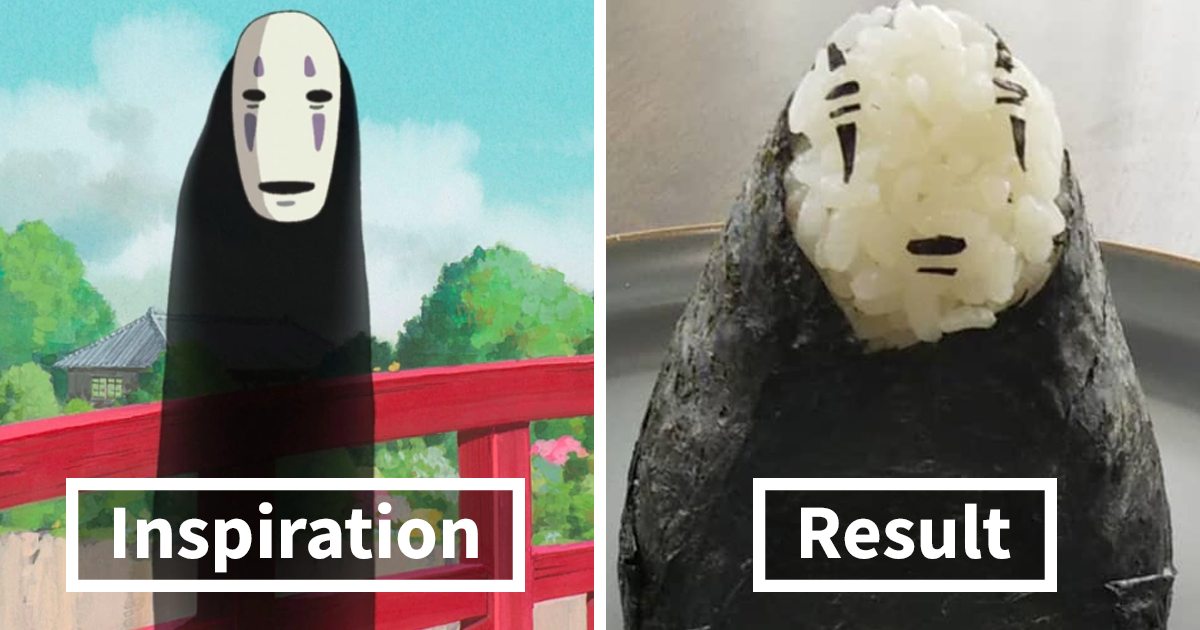
Character-inspired designs require more precision. Hair, costumes, facial expressions, and color patterns must be simplified without losing recognition. That is not easy. The artist has to capture the essence of a character using ingredients that were never designed for portraiture. Nori is not a marker. Rice is not clay. A sesame seed does not care about your artistic ambitions. Yet the finished pieces manage to feel alive.
Why People Love Kawaii Food Art
The appeal of these rice balls goes beyond “cute food.” They connect to kawaii culture, Japan’s famous aesthetic of cuteness, softness, charm, and emotional warmth. Kawaii design often uses rounded shapes, gentle expressions, small details, and a sense of vulnerability. Character onigiri fits perfectly into that language. A tiny rice bear with sleepy eyes does not merely look cute; it asks to be protected. Then eaten. Again, complicated.
Food art also gives people a feeling of care. A decorated lunchbox says, “Someone spent time on this.” Even when made for social media rather than a school lunch, character onigiri carries that same emotional message. It turns a basic meal into a small act of joy. In a fast world full of rushed lunches and sad desk sandwiches, a rice ball shaped like a smiling cat feels like a tiny rebellion.
The Internet Was Built For This Kind Of Food Art
It is no surprise that these adorable rice balls spread online. Social media loves food that creates an instant reaction, and character onigiri checks every box. It is visual. It is surprising. It is wholesome. It is technically impressive. It also produces the strongest comment-section emotion known to humanity: “I could never eat that.”
Photos of character rice balls work especially well because viewers can understand them immediately. You do not need a culinary degree to appreciate a tiny rice dog peeking out of a bento box. The humor and craft are visible in one glance. At the same time, the longer you look, the more details you notice: the careful placement of seaweed, the color shading, the paw shapes, the way the face is angled.
Can You Make Character Rice Balls At Home?
Yes, but start small unless you enjoy being personally defeated by a grain of rice. Beginners should try simple animal faces before attempting full character sculptures. A bear, panda, or cat is a good first project because the shapes are forgiving and the features are easy to cut from nori.
Basic Supplies For Beginner Onigiri Art
- Japanese short-grain rice
- Nori seaweed sheets
- Salt and water for shaping
- Small scissors or a craft punch for nori details
- Sesame seeds for eyes or accents
- Furikake, soy sauce, salmon flakes, or bonito flakes for color
- Plastic wrap for shaping cleanly
The easiest method is to shape a small rice ball, wrap it in plastic wrap, and gently press it into the desired form. Then cut nori for eyes and mouth. Use tweezers if you want precision. Use your fingers if you enjoy chaos. Either way, keep expectations realistic. Your first panda may look like it has seen the future, but that is part of the learning process.
Why Onigiri Is The Perfect Food For Character Art
Onigiri works beautifully for food art because it is simple, flexible, and structurally friendly. Rice can be shaped, tinted, filled, and decorated. It pairs well with many savory ingredients, so the design can still taste good. Unlike some food art that exists mainly for photos, character onigiri can remain a satisfying meal.
The format is also naturally portable. A decorated rice ball can sit in a bento box with vegetables, egg, fruit, or protein. This makes it both artistic and practical. It is not just a sculpture pretending to be food. It is food having a very dramatic artistic phase.
What These 81 Rice Balls Teach Us About Creativity
The most inspiring thing about this collection is not only the cuteness. It is the reminder that creativity does not require rare materials. The base ingredient is rice, one of the most ordinary foods in the world. The decorations are pantry items: seaweed, seeds, fish flakes, sauces, and pickles. Yet with patience and imagination, those ingredients become tiny characters with moods, stories, and fan clubs.
That is the secret power of food art. It changes how we see the everyday. A lunchbox becomes a gallery. A rice ball becomes a character. A snack becomes a conversation. And suddenly, the kitchen feels less like a place where chores happen and more like a tiny studio with better smells.
Experience Notes: Living With The Joy Of Character Rice Balls
There is something surprisingly emotional about seeing a tray of character rice balls in person, even if “in person” means leaning too close to your phone screen and whispering, “No, I cannot eat the little rabbit.” The first reaction is usually delight. The second is disbelief. The third is a strange protective instinct toward carbohydrates. That is the experience this kind of food art creates: it makes you pause before consuming.
Imagine opening a lunchbox and finding a tiny rice cat looking back at you with seaweed eyes. Normal lunch rules no longer apply. You do not simply pick it up and bite into it like any other snack. You admire it. You rotate the box. You show someone nearby. You take a photo from three angles, because apparently the cat has a good side. Then you face the moral puzzle: lunch or pet?
This is why character onigiri works so well for families, parties, themed meals, and creative food projects. It turns eating into an event. Children may become more curious about vegetables or rice when food looks playful. Adults get permission to enjoy cuteness without pretending to be serious for five minutes. Even people who do not usually care about cooking can appreciate the patience involved.
Trying to make these rice balls at home also teaches respect for the artist. A simple triangle onigiri is easy enough after a little practice. But once you try adding eyes, ears, paws, hair, cheeks, and expression, you realize how much control is required. Rice sticks to everything except the place you want it to stick. Nori curls. Sesame seeds disappear. A smile becomes a mustache. Your “adorable bear” begins to resemble a retired detective. Still, the process is fun because the imperfections are funny and edible.
The best approach is to treat character rice balls as a creative experience rather than a perfection test. Make one panda. Make one cat. Make one mysterious creature that began as a rabbit but found its own path. Use simple fillings so the rice ball still tastes good. Keep the shapes small. Work slowly. Laugh when the face looks dramatic. Food art is not only about the final photo; it is about the small moment of play before the meal.
That is the lasting charm of the 81 adorable rice balls. They are not just impressive because they resemble popular characters. They are impressive because they make food feel personal, temporary, and joyful. They remind us that beauty does not have to last forever to matter. Sometimes it only has to last long enough for one photo, one smile, and one very apologetic bite.
Conclusion
Artist Made 81 Adorable Rice Balls Of Popular Characters is more than a cute headline. It is a celebration of onigiri, Japanese food art, kyaraben culture, and the playful imagination that turns everyday ingredients into edible storytelling. Onigiri Gekijō’s rice ball creations show how a simple snack can become a tiny sculpture filled with humor, emotion, and craftsmanship.
Whether shaped like animals, anime-inspired characters, folklore figures, or expressive little creatures, these adorable rice balls remind us that food can be both practical and magical. They are proof that creativity does not always need expensive tools or permanent materials. Sometimes all it needs is warm rice, seaweed, patience, and the courage to give lunch a face.
Note: This article is written as original editorial content for web publication. Character names, franchises, and trademarks belong to their respective owners.