Writing faster sounds a little like one of those suspicious internet promises, right up there with “get abs by blinking” and “organize your garage in six spiritual breaths.” But unlike those miracles, writing faster is actually possible. The trick is that speed does not come from typing like a caffeinated woodpecker. It comes from removing the things that make writing slow in the first place: indecision, perfectionism, and constant backtracking.
Most people assume slow writing means they need more discipline. Sometimes, sure. But more often, slow writing happens because the brain is trying to do too many jobs at once. It is trying to think, organize, draft, revise, proofread, and panic about whether the sentence sounds smart enough. That is not a writing process. That is a traffic jam wearing glasses.
If you want to write faster without producing a flaming pile of nonsense, the goal is simple: separate the stages of writing, reduce friction, and keep momentum on your side. Below are three practical ways to do exactly that. They work whether you are writing blog posts, essays, emails, reports, or the kind of text message that somehow turns into a memoir.
Why Writing Feels Slow in the First Place
Before we get to the fixes, it helps to identify the usual suspects. Slow writers often start without a plan, edit every sentence while drafting, and wait for inspiration to arrive like a celebrity making a dramatic entrance. Inspiration, unfortunately, is rude. It shows up late and often forgets why it came.
Fast writers do not necessarily have more talent. They usually have a better system. They know what they want to say before they start, they allow rough drafts to be rough, and they use short bursts of focused attention instead of expecting four uninterrupted hours of literary enlightenment.
That means writing productivity is less about “becoming a genius” and more about using methods that make the work lighter. Good news: that is much cheaper than genius.
1. Outline First So the Draft Has Somewhere to Go
The fastest way to get stuck is to start writing before you know where the piece is headed. When you skip prewriting, the draft becomes a maze. You write a paragraph, doubt it, rewrite it, remember another point, jump backward, then spend fifteen minutes wondering whether the introduction should sound bold, warm, formal, or “casually brilliant.” Meanwhile, the blinking cursor is having the time of its life.
A simple outline solves that problem. It does not have to be fancy. This is not a marble statue for a museum. It is a working map. The best outlines are often short, messy, and functional. In other words, they look suspiciously like something useful.
What a Fast Outline Looks Like
At minimum, outline three things before you draft:
- Your main point
- Your two to five supporting points
- The order you want readers to follow
That is enough to move quickly. For example, if you are writing a post about remote work habits, your outline might look like this:
Main idea: Remote workers are more productive when they protect focus.
Point 1: Create a work start ritual
Point 2: Batch communication instead of checking nonstop
Point 3: Use breaks to avoid mental fade
Now the draft has a spine. You are no longer inventing structure sentence by sentence. You are expanding bullets into paragraphs. That is much faster than discovering your argument in public while the document stares at you.
Why Outlining Saves Time
Outlining reduces decision fatigue. When you know what comes next, you waste less energy on tiny choices. It also prevents repetition, because you can see when two sections are trying to say the same thing in different pants.
Better still, a decent outline makes the middle of your draft easier. The middle is where many writers slow down. The intro is exciting, the conclusion feels noble, but the middle can turn into a swamp full of vague transitions and mystery sentences. An outline gives each paragraph a job, so you do not have to improvise your way through the hardest section.
If you hate traditional outlines, use a looser version. Try writing one sentence for what each paragraph should accomplish. Or jot down questions the article needs to answer. Or build a bullet list of examples you want to include. The exact format matters less than the result: you should be able to see the path before you start running down it.
Quick Tip: Outline Backward When You Are Stuck
If you already have a messy draft, do a mini reverse outline. Look at each paragraph and summarize its point in a few words. This quickly reveals where the structure is solid, where it wanders, and where two paragraphs are basically twins pretending not to know each other. That kind of cleanup saves a ridiculous amount of revision time later.
2. Draft Ugly on Purpose Instead of Editing Every Line
If outlining is the first speed boost, this is the turbo button: stop editing while you draft.
Yes, really. Your first draft is not supposed to be polished. It is supposed to exist. That is a lower standard, and honestly, a more comforting one.
One of the biggest reasons people write slowly is that they keep interrupting themselves. They type a sentence, tweak it, delete half of it, rewrite the opening, change one word six times, look up a synonym that sounds smarter, then forget what the paragraph was about. Congratulations: you are no longer drafting. You are performing surgery on a patient who has not even been born yet.
Use Freewriting to Get Momentum
Freewriting is one of the simplest ways to draft faster. Set a timer for five or ten minutes and write continuously without stopping to fix grammar, wording, or structure. The goal is not elegance. The goal is motion.
This works because momentum creates clarity. People often believe they need clarity first. In reality, clarity usually shows up after you start moving. Once the ideas are on the page, you can shape them. But you cannot revise a blank screen. The blank screen offers terrible collaboration.
During a fast draft, give yourself permission to use placeholders. Write things like:
- [insert example here]
- [find better stat later]
- [this sentence needs help but keep going]
These little notes are magic. They let you preserve your flow instead of stopping every two minutes to research, polish, or mentally spiral. Faster drafting is often just better postponement.
Separate Drafting From Revising
Think of drafting and revising as two different jobs. Drafting is about getting ideas down. Revising is about making them clear, strong, and reader-friendly. When you force yourself to do both at once, each one gets worse. Drafting becomes timid. Revising becomes endless.
A smarter approach is to write the rough version quickly, then come back with fresh eyes. This is when you fix structure, tighten sentences, and cut filler. It is also when you notice that the sentence you loved at 10:14 a.m. was actually wearing clown shoes.
There is another bonus here: ugly drafting helps you sound more natural. When you over-edit every line in real time, the prose often turns stiff and self-conscious. But when you draft freely, your real voice shows up. Then revision can trim the chaos without removing the human underneath it.
How to Draft Faster Today
Try this rule for your next writing session: no backspacing for the first ten minutes except to fix obvious typos that truly distract you. Keep your hands moving. Stay with the paragraph. Let the sentence be average. Let it be weird. Let it be a little clunky. The important thing is that the draft gets longer instead of prettier.
Pretty can come later. Pretty usually loves an entrance.
3. Use Timed Writing Sprints and Save Revision for the End
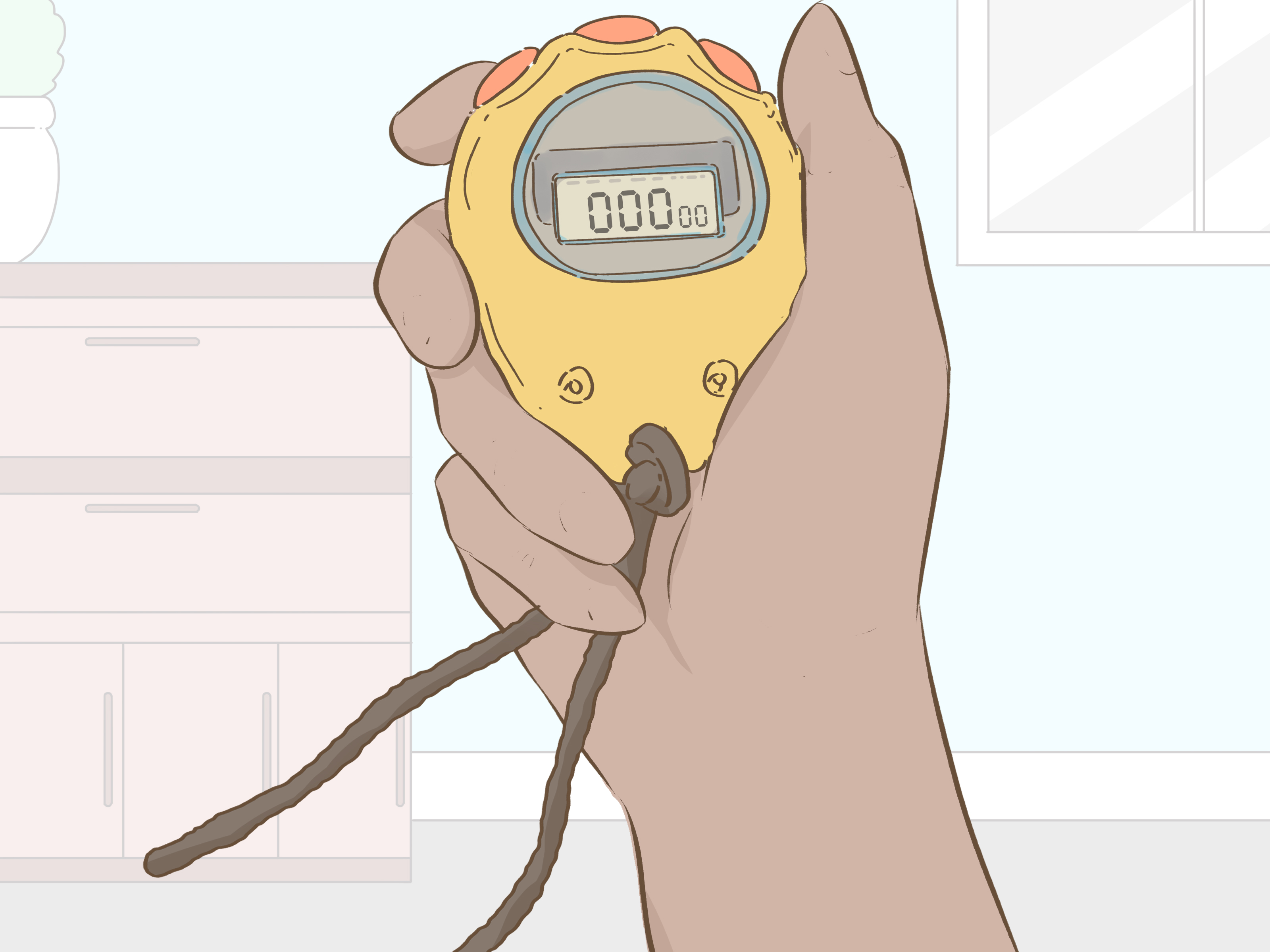
Even with a good outline and a rough-first-draft mindset, writing can still drag if your attention keeps wandering. This is where writing sprints help. A sprint is a short, focused block of writing time, often 25 to 30 minutes, followed by a brief break.
The beauty of timed writing is that it shrinks the emotional size of the task. “Write this whole article” feels heavy. “Write for 25 minutes” feels manageable. Brains like manageable. They complain less.
Why Timed Sessions Work
Short writing sessions create urgency without requiring heroics. You do not need perfect motivation. You just need a clear target and a timer. That structure keeps the work from dissolving into internet wandering, kitchen tourism, or those deeply necessary moments when you suddenly feel compelled to reorganize your desktop folders.
A strong sprint routine looks like this:
- Pick one specific task, such as drafting section two
- Set a timer for 25 minutes
- Silence alerts and remove obvious distractions
- Write until the timer ends
- Take a 5-minute break
- Repeat if needed
You can use one sprint for drafting and another for revision, but do not mix them inside the same session unless you absolutely must. One sprint, one job. That keeps your attention sharp and your expectations sane.
Revision Should Be Strategic, Not Random
Writers often say they are revising when they are actually just poking sentences with a stick. Real revision is more strategic. Start with the big-picture questions: Does the piece make sense? Is the argument clear? Are sections in the right order? Does each paragraph earn its rent?
Only after that should you move to line editing and proofreading. This order matters because there is no point polishing a paragraph that may get moved, cut, or merged later. That is like ironing a shirt you are about to donate.
When it is time to tighten the prose, look for wordiness. Strong, concise writing is usually faster to read and faster to revise. Cut throat-clearing phrases, vague filler, and overexplained points. If two sentences can become one, let them. If one adjective is trying to do the work of three, give it a promotion.
Create a Repeatable Writing Routine
The biggest speed gains come from consistency. Writers who move quickly usually have some kind of routine, even if it is simple. Maybe they write at the same time each morning. Maybe they do two sprints after lunch. Maybe they keep a notepad beside them so random thoughts do not hijack the draft. The exact routine can vary, but repeatability matters.
Writing gets faster when starting becomes normal. Once writing is a regular appointment instead of a dramatic event, you waste less time negotiating with yourself. And that negotiation, by the way, is often the slowest part of all.
Common Habits That Quietly Slow You Down
- Starting with the introduction only: If the intro stalls you, draft the body first.
- Researching while drafting: Gather what you need first, or leave placeholders.
- Trying to sound impressive: Clear beats complicated almost every time.
- Writing without a task goal: “Work on article” is vague. “Draft section two” is useful.
- Skipping breaks: Fatigue makes every sentence feel heavier than it is.
A Simple 30-Minute Plan to Write Faster
If you want something practical, here is a fast routine you can steal immediately:
- 5 minutes: Write a mini outline with your main point and three supporting ideas.
- 20 minutes: Draft without editing. Use placeholders instead of stopping.
- 5 minutes: Review only for big-picture clarity. Tighten one or two obvious weak spots.
That is enough to create serious progress. It will not produce a final masterpiece every time, but it will produce something real, and real drafts become real finished pieces.
Final Thoughts
If you want to write faster, do not focus on typing speed. Focus on process speed. Build a quick outline, draft without self-editing, and use timed sprints with separate revision passes. Those three changes remove a huge amount of friction from the writing process.
The best part is that faster writing does not have to mean sloppier writing. In many cases, it leads to better writing because your ideas arrive with more momentum and less fear. You stop strangling every sentence before it has a chance to breathe.
So the next time a blank page tries to intimidate you, remember this: you do not need to write perfectly, brilliantly, or elegantly right away. You just need to move. The rest can be fixed later, preferably after coffee.
Experience Notes: What Writing Faster Looks Like in Real Life
One of the strangest things about learning to write faster is realizing that the old “work harder” advice was never the whole story. Many writers have had the same experience: they spend hours at the keyboard, feel busy the entire time, and still end the day with one decent paragraph and a growing suspicion that the document hates them personally. Then they change the process, and suddenly the work moves.
A common turning point comes when writers start outlining before drafting. At first, it feels like extra work. Why plan when you could just write? But after a few sessions, the difference becomes obvious. The outline reduces all that mental wandering. Instead of asking, “What should I say next?” every three minutes, the writer already knows. That alone can make a writing session feel less like survival and more like progress.
Another familiar experience is the shock of ugly drafting. Writers who are used to polishing every sentence often resist this idea at first. It feels reckless. It feels irresponsible. It feels like showing up to a nice dinner wearing mismatched socks. But once they try a short freewriting session, many discover something important: their ideas are better than their perfectionism allowed them to believe. When they stop editing in real time, they often produce more original thoughts, stronger examples, and a more natural voice. The draft may look messy, but it finally exists, which is a pretty major upgrade from “still thinking about the first sentence.”
Timed writing sprints create another kind of relief. Instead of treating writing like a giant mountain that requires ideal weather and emotional readiness, writers begin to see it as a series of manageable climbs. Twenty-five minutes is short enough to start and long enough to get somewhere. That structure reduces procrastination because the commitment feels smaller. It also makes success easier to measure. Finishing one focused sprint feels concrete. “I wrote for 25 minutes and finished two sections” is satisfying in a way that “I kind of hovered near my document for half the afternoon” is not.
Many writers also notice that separating revision from drafting makes revision smarter. When they return with fresh eyes, they can see structural problems much more clearly. They stop fussing over commas in paragraphs that should be deleted anyway. They tighten language faster because they are no longer emotionally attached to every sentence they just typed five seconds earlier. Distance helps. So does humility. Both are excellent editors.
In the end, the experience of writing faster is not really about rushing. It is about reducing friction. The work feels cleaner, lighter, and more deliberate. There is less drama, less staring, less random scrolling, and far fewer moments of arguing with one adjective like it owes rent. And that may be the best result of all: faster writing often feels calmer. You are still doing serious work, but now the process finally acts like it wants to help.