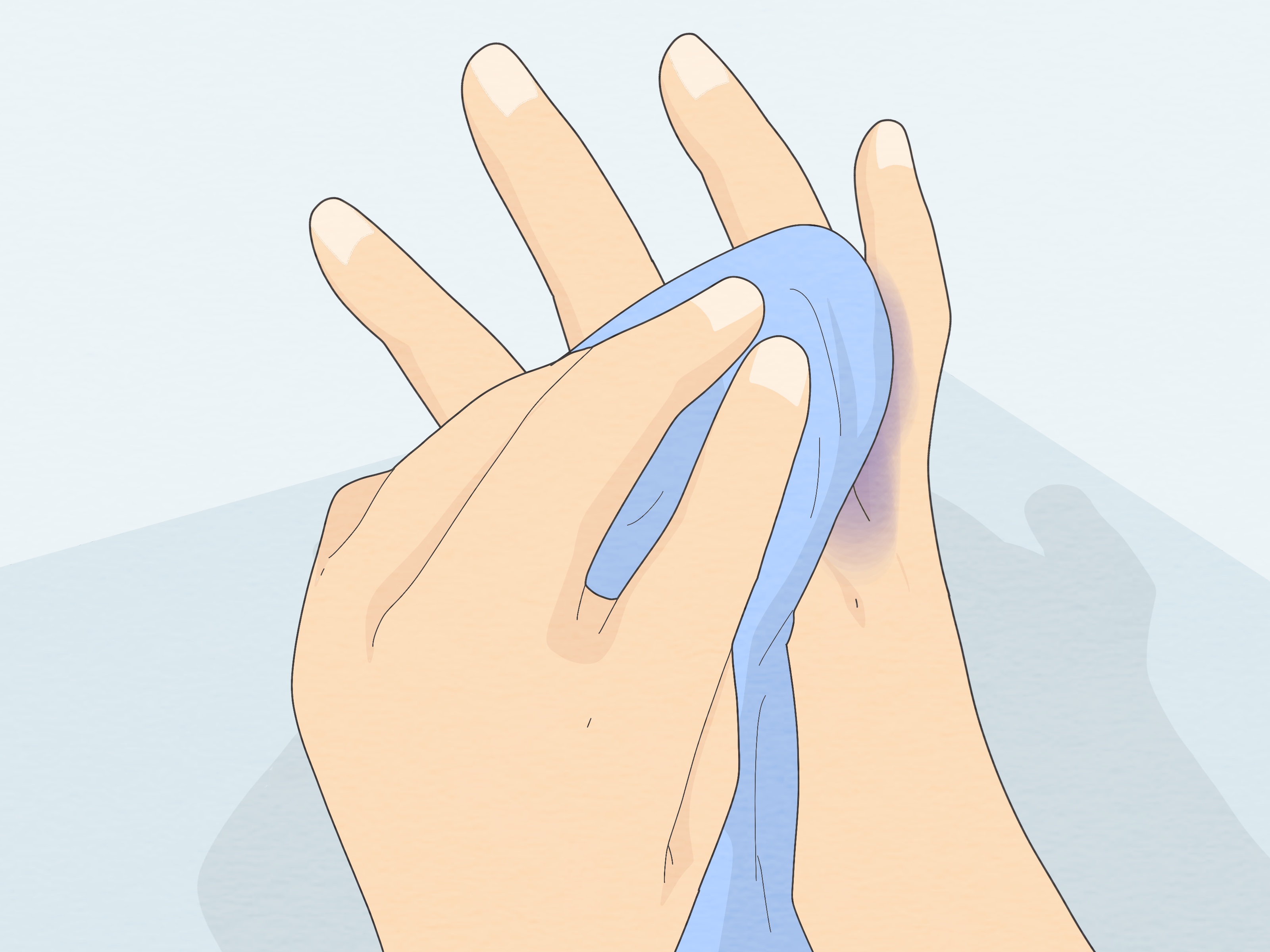
If you’ve ever finished a painting session and looked down at your hands only to discover that your skin now resembles a modern art experiment, welcome to the club. Acrylic paint has a sneaky little habit: while it’s wet, it behaves like a polite guest and usually comes off with little drama. Once it dries, though, it clings like it just signed a long-term lease on your knuckles.
The good news is that removing acrylic paint from skin is usually simple if you act quickly and avoid turning the process into a full-contact wrestling match. The even better news? You do not need to attack your hands with industrial-strength mystery chemicals that sound like they belong in a superhero origin story. In most cases, the safest approach is also the smartest one: start gentle, work in stages, and protect your skin barrier along the way.
In this guide, you’ll learn four effective ways to remove acrylic paint from skin, when each method works best, what to avoid, and how to keep your hands from feeling like sandpaper afterward. Whether you’re a hobby painter, parent of a tiny finger-painting genius, DIY crafter, or someone who got just a little too confident around a paint tray, this article will help you get clean without making your skin miserable.
Why Acrylic Paint Sticks to Skin in the First Place
Acrylic paint is water-based when it’s wet, which is why cleanup is so easy in the early stage. But as it dries, the water evaporates and the acrylic polymer forms a tougher film. That’s great for canvas, furniture accents, and craft projects. It’s less great when that same film decides your fingers are now part of the composition.
Your skin also has natural texture, tiny lines, and dry patches that can grab pigment. If the paint gets into the creases around your nails, cuticles, or knuckles, it can look far worse than it really is. In many cases, what seems like a permanent stain is just dried paint sitting on the outermost layer of skin.
That means patience matters. So does the order of attack. The best rule is simple: begin with the least aggressive method and only step up if needed. Your goal is to remove the paint, not remove your will to live along with it.
Method 1: Warm Water and Gentle Soap
Best for fresh or slightly tacky acrylic paint
If the paint is still wet or only partly dry, this is your best move by a mile. Soap and warm water are usually enough to break up fresh acrylic paint before it fully sets. This method is quick, affordable, and kind to your skin, which is why it should always be your first stop.
How to do it:
- Rinse the area under warm, not hot, running water.
- Apply a mild hand soap or gentle dish soap.
- Rub with your fingers for 20 to 30 seconds.
- If paint is trapped in creases, use a soft washcloth.
- Rinse and repeat as needed.
The trick here is speed. The sooner you wash acrylic paint off your skin, the easier your life becomes. Think of it as the paint equivalent of answering a text immediately instead of three days later and pretending you “just saw this.”
Use warm water rather than hot water. Super-hot water can dry your skin and make scrubbing more irritating. If you’re washing a child’s hands or your own skin is sensitive, go even gentler: more soaking, less rubbing.
When this works well: fresh splatters, finger painting, drips on hands and forearms, and paint that hasn’t fully formed a dry film.
When this may not be enough: if the paint has dried completely, especially around nails, knuckles, or dry skin patches.
Method 2: Use an Oil-Based Helper
Best for dried or stubborn paint patches
When acrylic paint dries, plain soap and water may stop being impressive. That’s when an oil-based helper can save the day. Baby oil, mineral oil, olive oil, coconut oil, and petroleum jelly are all popular options because they help loosen dried residue and reduce friction while you work the paint off.
This is often the most skin-friendly next step because it softens the dried paint and adds slip at the same time. Instead of scraping your skin raw, you’re encouraging the paint to let go with dignity.
How to do it:
- Apply a small amount of oil or petroleum jelly to the painted area.
- Let it sit for 1 to 3 minutes.
- Massage gently in circular motions.
- Use a soft washcloth or paper towel to wipe away loosened paint.
- Wash the area with soap and warm water to remove the oily residue.
If the paint is really hanging on, do two short rounds instead of one aggressive scrub session. Skin usually responds better to patience than force. That is true for breakups, Wi-Fi troubleshooting, and paint removal.
Petroleum jelly can be especially handy for dry patches around knuckles and cuticles because it softens both the paint and the skin. Oils are also useful if the pigment left behind looks more like a stain than a chunky layer of dried paint.
Good choices: baby oil, mineral oil, coconut oil, olive oil, or plain petroleum jelly.
Be careful: keep oils away from your eyes, and don’t combine this method with aggressive scrubbing. The oil is there to make the job easier, not to set the stage for a wrestling match.
Method 3: Gentle Exfoliation
Best for tiny leftovers after washing or oil treatment
Sometimes the paint is mostly gone, but a few colorful patches remain like stubborn guests after the party ended. In that case, gentle exfoliation can help lift what’s left from the surface of the skin.
The key word is gentle. You want to buff away residue, not sand down your hands like an old coffee table. Avoid harsh pumice blocks, stiff wire brushes, or anything that sounds like it belongs in a garage instead of a bathroom.
How to do it:
- Soak the area in warm water for a minute or two.
- Apply a mild soap, hand cleanser, or gentle scrub.
- Use a soft washcloth, loofah, or your fingertips to rub lightly.
- Rinse, inspect, and stop if your skin starts to feel sore.
You can also make a simple gentle scrub by mixing a little liquid soap with sugar. This works best on hands, not on delicate skin or irritated areas. Rub lightly, then rinse thoroughly.
Exfoliation works because most dried paint sits on the outer layer of skin. Once that top layer loosens, the remaining residue usually fades quickly. In fact, if a faint tint remains after cleanup, it often disappears on its own within a day or two as skin naturally sheds.
Use this method for: fingertips, palms, around nails, and small leftover spots after the paint has already mostly lifted.
Skip this method if: the skin is cracked, inflamed, freshly shaved, or already irritated.
Method 4: Rubbing Alcohol as a Last Resort
Best for tiny stubborn bits, not large areas
If soap, oil, and gentle exfoliation still leave behind a small patch of dried paint, rubbing alcohol can help dissolve stubborn residue. But this is the method to use carefully, not casually. Alcohol can dry the skin and irritate sensitive areas, so it’s best saved for small spots rather than your entire hand looking like a rainbow exploded.
How to do it:
- Dampen a cotton pad or cloth with a small amount of rubbing alcohol.
- Gently dab or rub the paint spot.
- Stop as soon as the residue lifts.
- Wash the area with mild soap and warm water.
- Apply moisturizer right away.
This method is most helpful for little leftover streaks near nails or in skin creases. It is not the right choice for broken skin, irritated skin, or large painted areas. If your skin starts to sting, burn, or feel tight, stop immediately and rinse.
And while we’re here: don’t jump from “rubbing alcohol” to “therefore paint thinner, acetone, or other harsh solvents must be even better.” That is how people end up removing the paint and also half their skin barrier. Acetone in particular can be very drying and irritating, so it’s not a smart first-line solution for acrylic paint on skin.
What Not to Do
When people panic about paint on skin, they tend to make cleanup harder than it needs to be. Here are the most common mistakes:
- Don’t use harsh solvents first. Paint thinner, turpentine, and strong removers are meant for surfaces and tools, not your skin.
- Don’t scrub like you’re polishing a cast-iron pan. Over-scrubbing can leave skin red, sore, and flaky.
- Don’t peel dried paint off aggressively. You may pull up healthy skin along with it.
- Don’t use very hot water. It can increase dryness and irritation.
- Don’t ignore symptoms. Burning, swelling, worsening redness, or a rash may mean irritation or a reaction.
If acrylic paint gets into your eyes, rinse with plenty of water right away. If the irritation continues or the exposure is significant, get medical advice promptly.
Aftercare: Help Your Skin Recover
Even if paint removal goes smoothly, your skin may feel dry afterward, especially if you washed repeatedly or used alcohol on a stubborn spot. This is where aftercare matters.
Once the paint is gone, pat the skin dry and apply a fragrance-free moisturizer, hand cream, or ointment. Thick creams and ointments usually do a better job than thin lotions when skin feels tight or irritated. If your hands are already prone to dryness, this step is not optional. It’s the difference between “all clean” and “why do my knuckles feel like parchment?”
If the area looks irritated, keep things simple for the rest of the day. Skip heavily fragranced products, avoid more scrubbing, and give your skin a break.
When to See a Doctor
Most acrylic paint on skin is more annoying than dangerous, especially if it’s a typical water-based craft or artist paint. Still, you should pay attention if something seems off.
Seek medical advice if you notice:
- persistent redness, burning, or itching
- swelling or blistering
- a rash that spreads or gets worse
- paint in the eyes with lingering discomfort
- signs of infection such as pus, increasing pain, or fever
People with eczema, very sensitive skin, allergies, or broken skin may react more strongly than others. Kids may also need a gentler approach because their skin barrier can be easier to irritate.
How to Prevent Acrylic Paint from Getting All Over You Next Time
Yes, this article is about removing acrylic paint from skin. But prevention is cheaper than cleanup and dramatically less annoying.
- Wear disposable or reusable gloves for big projects.
- Keep a damp cloth nearby and wipe paint off immediately.
- Apply a little barrier cream or petroleum jelly to hands before painting if you know you’re messy.
- Trim around nails and clean cuticles before you start, because paint loves tiny creases.
- Wash up as soon as you finish, before the paint fully dries.
Basically, give acrylic paint fewer opportunities to become emotionally attached to your skin.
Final Thoughts
If you need to remove acrylic paint from skin, the winning strategy is almost always the same: start with warm water and gentle soap, move to oil for dried paint, use soft exfoliation for leftovers, and reserve rubbing alcohol for tiny stubborn spots only. The best method depends on whether the paint is fresh or dry, how much of it is on your skin, and how sensitive your skin tends to be.
In other words, don’t go straight to the dramatic option. Your hands are not a paintbrush jar, and they deserve better than a chemical showdown in the sink. With the right method, a little patience, and a decent moisturizer, your skin should be back to normal long before your masterpiece is dry.
Real-Life Experiences With Removing Acrylic Paint from Skin
In real life, removing acrylic paint from skin is rarely some perfectly staged before-and-after moment. It usually starts with someone saying, “I’ll just be careful,” followed by discovering a bright stripe of blue across the wrist, a green thumb, and at least one mysterious dot of red near the elbow. The good news is that most people learn the same lesson fast: fresh paint is easy, dried paint is drama.
One of the most common experiences happens during quick craft sessions. You rinse your hands right away, use soap, and most of the paint disappears like it never happened. That’s the best-case scenario, and it’s common when you catch the mess early. Parents helping kids with school projects often say this is the difference between a two-minute cleanup and a 20-minute cleanup. If the paint is still damp, the whole situation feels very manageable.
Things get more interesting when people don’t notice the paint until later. Maybe you were painting a flower pot, rearranging supplies, answering the door, checking your phone, and suddenly realizing your palm now has a dry lavender patch with the commitment level of a tattoo. In that case, people often find that water alone barely makes a dent. That’s when oil tends to feel like a magic trick. A little baby oil, olive oil, or petroleum jelly loosens the dried film, and the paint starts rolling off in tiny bits. Not instantly, not heroically, but steadily.
Another very normal experience is the “everything is gone except the fingertips” problem. Paint loves fingerprints, cuticles, and the edges around nails because those areas have texture. Even after washing, the color can linger there like it’s making a point. Gentle exfoliation usually solves that issue better than brute force. People who try to scrub hard often end up with skin that feels worse than the paint looked. People who soak, rub lightly, and repeat usually win with less damage.
Then there’s the classic mistake: using something too harsh too soon. Plenty of people assume stronger equals better, reach for alcohol or acetone first, and end up with dry, irritated hands that still need a second round of cleanup. The experience teaches an important truth: the fastest-looking method is not always the smartest one. Skin has a long memory when it comes to irritation.
What many painters, crafters, and DIYers eventually discover is that cleanup gets easier once they stop treating it like an emergency. A calm, staged approach works best. Wash first. Oil second. Gentle buffing third. Moisturizer at the end. It’s not glamorous, but it’s effective. And after one or two messy afternoons, most people start keeping a rag, soap, and hand cream nearby like seasoned veterans of the acrylic battlefield.