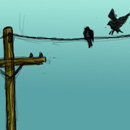
Note: No actual birds are harmed in this article. We are talking about the classic idiom: getting two useful results from one smart action.
Everyone loves the idea of “killing two birds with one stone.” It sounds efficient, clever, almost heroic. One move, two wins. Boom. Productivity confetti. The problem is that most people confuse this idea with multitasking, which is less like a brilliant life hack and more like trying to text, cook pasta, answer emails, and remember your cousin’s birthday while your brain quietly files a complaint with management.
The real way to get two results from one action is not to do two demanding things at once. It is to combine goals that naturally support each other. That is the secret. Not chaos. Not juggling flaming bowling pins. Not “I’ll listen to a finance podcast while writing a legal email and doing squats.” The only way to really kill two birds with one stone is to pair one primary task with one compatible secondary benefit.
In plain English: choose actions that work together instead of fighting for the same mental space. A walk with a friend can support fitness and relationships. Meal planning can save money and reduce food waste. A weekly review can lower stress and improve decision-making. A walking meeting can help you move your body while solving a light work problem. That is real efficiency. That is the stone.
What the Phrase Really Means in Modern Life
“Kill two birds with one stone” means accomplishing two goals with one effort. In today’s world, the phrase usually appears in conversations about productivity, time management, healthy habits, saving money, and simplifying life. The idea is attractive because almost everyone feels squeezed. Calendars are full. Notifications are noisy. Groceries cost money. Laundry continues to reproduce in the corner like it has a secret business plan.
But the phrase is often misused. People assume that if one task is good, two simultaneous tasks must be better. That is where the trouble starts. True efficiency does not mean cramming more activity into every second. It means designing your day so one action creates more than one meaningful result.
The Big Mistake: Multitasking Is Not the Same as Multiplying Results
Multitasking feels productive because it is busy. But busy is not the same as effective. When two tasks require attention, memory, judgment, or creativity, your brain has to switch between them. That switching creates friction. You lose focus, make more mistakes, and often take longer than if you had handled the tasks one at a time.
Think about replying to a serious email during a meeting. You are not truly doing both. You are half-listening, half-writing, and fully increasing the chance that your email says, “Per our conversation, I am attaching the soup.” Your brain is not a magical eight-core processor. It is powerful, but it works best when attention has a clear target.
Bad “Two Birds” Examples
Some combinations look efficient but are actually productivity traps:
- Writing an important report while checking messages every two minutes
- Studying while watching a fast-paced TV show
- Having a serious conversation while scrolling social media
- Driving while trying to solve work problems on the phone
- Cooking a new recipe while taking a tense business call
These combinations compete for the same mental resources. They are not two birds with one stone. They are two birds, seven stones, and one confused person standing in the middle wondering why nothing got finished.
The Real Formula: One Main Task + One Natural Bonus
The better approach is simple: make one activity the main event, then choose a second benefit that fits naturally. The second benefit should not demand the same level of attention as the first. It should support the action, not sabotage it.
Good Pairing #1: Walking + Conversation
A walk with a friend is one of the cleanest examples. The main task might be movement. The bonus is social connection. You are not forcing two incompatible tasks together. Walking is rhythmic and low-friction, and conversation often flows more easily when people are moving side by side instead of staring across a table like they are negotiating a peace treaty.
This works for casual check-ins, brainstorming, and light planning. It does not work as well for highly detailed work requiring spreadsheets, legal documents, or intense note-taking. The rule is compatibility.
Good Pairing #2: Meal Planning + Saving Money
Meal planning is another excellent “two birds” strategy. Planning meals before shopping helps you buy what you actually need, use what is already in your kitchen, and reduce random purchases. It also lowers the dreaded 6:14 p.m. refrigerator stare, when you open the door and hope dinner introduces itself.
With one planning session, you can support healthier eating, reduce food waste, save money, and make weeknights less dramatic. That is not multitasking. That is good design.
Good Pairing #3: Habit Stacking + Behavior Change
Habit stacking means attaching a new habit to something you already do. For example, after brushing your teeth, you stretch for one minute. After making coffee, you write your top three priorities. After putting on your shoes, you take a short walk around the block.
The existing habit acts like a trigger. You are not asking your brain to invent a brand-new routine out of thin air. You are piggybacking on something that already happens. This makes the new behavior easier to remember and repeat.
How to Choose the Right Two Goals
To really kill two birds with one stone, start by choosing goals that belong together. The best pairings share energy, location, tools, or timing. They make each other easier.
Ask These Four Questions
- Do these tasks use different kinds of attention? Walking and talking can pair well. Writing and texting usually do not.
- Does one task make the other easier? Meal planning makes grocery shopping easier. Random shopping makes dinner harder.
- Is there a natural cue? Morning coffee can cue planning. Bedtime can cue reading. Sunday evening can cue weekly review.
- Will this reduce stress later? If the action prevents future chaos, it is probably a smart pairing.
Practical Examples You Can Use Today
1. Turn Errands Into Movement
If a store, post office, or café is close enough, walk instead of driving. You complete the errand and add physical activity to your day. You also avoid the tiny parking-lot battle where everyone forgets how turn signals work.
2. Make Calls While Doing Light Chores
Phone calls with family or friends can pair well with folding laundry, wiping counters, or tidying a room. The key is keeping the chore simple. Do not pair an emotional conversation with assembling furniture unless you want both the relationship and the bookshelf to wobble.
3. Batch Cooking for Health and Time
Cooking extra portions of soup, rice, roasted vegetables, or protein can support several goals: better meals, fewer takeout decisions, lower grocery waste, and calmer evenings. Future you will be grateful. Future you may even send present you an imaginary thank-you card.
4. Use a Weekly Review to Reduce Mental Clutter
Spend 20 minutes once a week reviewing appointments, bills, deadlines, meals, and personal priorities. This one action improves planning, reduces stress, and prevents surprise problems from jumping out of the bushes on Wednesday afternoon.
5. Pair Learning With Low-Risk Routines
Listen to an educational podcast while walking, stretching, cleaning, or commuting by public transportation. This works because your body can handle the routine movement while your mind follows the audio. However, if the task requires safety or focus, skip the podcast and pay attention.
The “One Stone” Rule: Make the Action Simple
The best two-benefit actions are simple enough to repeat. If your plan requires a color-coded spreadsheet, three apps, a special candle, and a motivational speech from a retired Olympic coach, it may not survive Tuesday.
Simple wins because simple repeats. Repetition turns smart choices into routines. Routines reduce decision fatigue. When a good action becomes automatic, you stop negotiating with yourself every day. You just do it.
Why This Works for Productivity
Real productivity is not about squeezing every minute until it squeaks. It is about getting the right things done with less wasted motion. Pairing compatible goals helps you reduce setup time, lower friction, and create momentum.
For example, a walking meeting removes the need to schedule separate time for light exercise and a casual discussion. A meal plan reduces grocery decisions and weeknight cooking stress. A Sunday reset prevents dozens of tiny weekday emergencies. You are not adding more work. You are arranging work better.
Why This Works for Health
Healthy routines often fail because people treat them like extra assignments. Exercise becomes one more task. Better meals become one more task. Sleep hygiene becomes one more task. Eventually your schedule looks at you and says, “Absolutely not.”
Pairing health habits with existing routines makes them easier to keep. Stretch after brushing your teeth. Drink water before coffee. Walk after lunch. Prep vegetables while cooking dinner. These are small actions, but small actions repeated consistently can become powerful.
Why This Works for Money
Smart pairings can also protect your wallet. Meal planning reduces impulse grocery shopping. Batch cooking lowers takeout temptation. Walking short distances saves fuel. Repairing or reusing items can reduce waste and delay unnecessary purchases.
Money-saving habits work best when they do not feel like punishment. The goal is not to live like a medieval monk with better Wi-Fi. The goal is to create routines that make the cheaper choice easier, calmer, and more obvious.
Why This Works for Relationships
Many people say they do not have enough time for relationships. But connection does not always require a grand event. A walk, shared meal prep, weekly call, or errand together can create meaningful contact without requiring a dramatic calendar rescue mission.
The trick is to be present. If the relationship is the second “bird,” do not bury it under distractions. Put the phone away. Listen. Ask better questions. Laugh when something goes wrong. Especially laugh when the grocery cart has one bad wheel and decides to become a shopping mall rodeo.
The Hidden Benefit: Less Guilt
One underrated benefit of smart pairing is emotional relief. When your day supports multiple priorities naturally, you feel less behind. You are not constantly choosing between health and work, family and errands, money and convenience. You create overlap.
This does not mean every moment must be optimized. Rest is not laziness. Quiet is not wasted time. Sometimes the best “two birds” are recovery and sanity, and the stone is simply closing the laptop.
A Simple Framework for Your Own Two-Birds Strategy
Step 1: Pick One Area That Feels Messy
Choose one area of life: health, home, money, work, learning, or relationships. Do not redesign your entire existence before breakfast. That is how planners become decorative objects.
Step 2: Identify a Repeating Task
Look for something you already do regularly: brushing teeth, making coffee, commuting, cooking dinner, checking the calendar, walking the dog, or cleaning the kitchen.
Step 3: Add One Compatible Benefit
Attach one small action that fits. After coffee, review priorities. During a walk, call a friend. While cooking, prepare tomorrow’s lunch. After dinner, reset the kitchen for morning.
Step 4: Keep It Small for Two Weeks
Do not make the new action heroic. Make it repeatable. A five-minute routine that happens is better than a 90-minute routine that lives only in your imagination wearing a cape.
Step 5: Improve Only After It Feels Natural
Once the routine sticks, you can expand it. Add more walking time. Plan more meals. Review more projects. But earn complexity slowly. Simple first, fancy later.
Common Mistakes to Avoid
Mistake 1: Pairing Two Hard Tasks
Do not combine two tasks that both need deep attention. Writing, studying, budgeting, planning, negotiating, and problem-solving usually deserve focused time.
Mistake 2: Turning Everything Into a Productivity Project
Not every moment needs a second purpose. A hobby can just be a hobby. A nap can just be a nap. A sandwich can just be a sandwich, although a good sandwich does improve civilization.
Mistake 3: Ignoring Safety
Never pair tasks when attention matters for safety. Driving, handling sharp tools, crossing busy streets, or supervising children requires focus. Efficiency is not impressive if it creates risk.
Mistake 4: Making the Stack Too Big
A habit stack should feel like a small chain, not a parade. “After breakfast, I take my vitamins” is useful. “After breakfast, I meditate, journal, exercise, learn Spanish, reorganize the pantry, and become a new person” is a motivational poster having a panic attack.
Real-Life Experiences: What This Looks Like in Practice
The best way to understand this idea is to see how it feels in ordinary life. Imagine a busy weekday morning. You wake up, check the time, and immediately feel the small thundercloud of responsibilities gathering over your head. In the old version of the morning, you might rush through coffee, scroll your phone, forget breakfast, and leave the house already annoyed at humanity. In the better version, you use one reliable action as the anchor. While the coffee brews, you write down three priorities for the day. Not twenty-three. Three. The coffee still happens, but now your brain has a map. One stone: coffee time. Two birds: caffeine and clarity.
Another example comes from meal planning. A person who dislikes cooking may assume meal planning is only for people who own matching glass containers and say things like “I prepped quinoa three ways.” But the real experience can be much simpler. On Sunday, you check the fridge, notice leftover vegetables, choose two easy dinners, and make a short grocery list. During the week, you spend less time wondering what to eat and less money buying random ingredients that later become refrigerator fossils. One planning session creates calmer dinners, fewer wasted groceries, and fewer emergency takeout orders. That is the kind of boring magic adults secretly love.
Then there is the walking call. Many people want to exercise more and stay in touch with friends, but both goals keep getting pushed aside. So you schedule a 25-minute walk with a friend by phone. You move your body, get sunlight, laugh about life, and return with a better mood. The walk does not need to be intense. The conversation does not need to solve every problem. The value is in the overlap. It feels natural because walking and talking are compatible. You are not splitting your attention in a harmful way; you are creating a routine where two good things support each other.
At work, the same principle can help with planning. A weekly review might sound painfully corporate, like something invented by a person who alphabetizes their socks. But in practice, it can be freeing. You spend 20 minutes looking at deadlines, appointments, bills, and unfinished tasks. You decide what matters, what can wait, and what needs help. That single review can prevent forgotten meetings, rushed errands, and the special kind of panic that arrives when a deadline appears from nowhere wearing tap shoes. One short review creates organization and peace of mind.
The experience is not about becoming perfectly optimized. It is about reducing friction. When two goals fit together, life feels less scattered. You stop treating every good habit as a separate mountain to climb. You build small bridges between things you already do and things you want more of. That is the real version of killing two birds with one stone: not hustling harder, not multitasking wildly, but designing your routines so one wise action creates multiple useful results.
Conclusion: The Smartest Stone Is Strategy
The only way to really kill two birds with one stone is to stop worshiping multitasking and start practicing smart pairing. Choose one main action. Add one compatible benefit. Keep it simple enough to repeat. Protect your focus when focus matters. Use routines, cues, and natural overlap to make life easier instead of louder.
Real efficiency is not doing everything at once. It is doing the right things in combinations that make sense. Walk and talk. Plan and save. Cook and prep. Review and relax. Stack small habits onto reliable routines. That is how one action turns into two results without turning your brain into a browser with 97 tabs open.