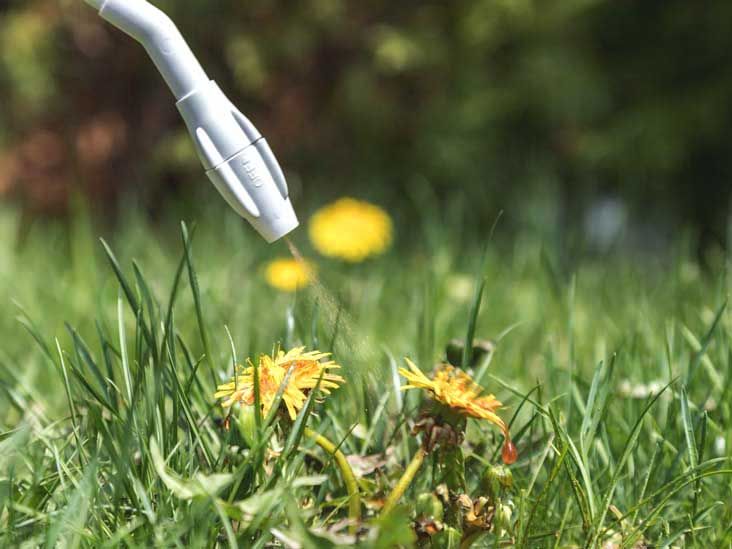
Roundup weed killer has been a garage-shelf regular for decades. It sits next to the potting soil, the rusty trowel, and that one mystery spray bottle nobody in the family wants to identify. Its active ingredient, glyphosate, is one of the most widely used herbicides in the United States, praised for knocking out stubborn weeds and criticized for possible health risks. So, is Roundup bad for you, or is the fear bigger than the bottle?
The honest answer is: it depends on the exposure, the product, the person, and how carefully it is used. Glyphosate itself is considered low in acute toxicity compared with many pesticides, but Roundup is not just glyphosate. Commercial weed killers often include other ingredients that help the chemical stick to leaves and penetrate plants. Those added ingredients can change how irritating or harmful the product may be. Meanwhile, the cancer debate remains complicated, with some health agencies concluding glyphosate is unlikely to cause cancer when used as directed, while other scientific groups have raised concerns, especially around heavy occupational exposure and non-Hodgkin lymphoma.
In other words, this is not a “pour it on everything” product, and it is not automatically a backyard villain wearing a tiny chemical cape. Let’s look at what glyphosate is, how Roundup exposure happens, what the science says, and how to reduce risk if you use weed killer at home.
What Is Glyphosate?
Glyphosate is a broad-spectrum herbicide, meaning it kills many types of plants rather than targeting only one weed species. It works by blocking an enzyme pathway plants need to grow. Humans and animals do not have that same plant pathway, which is one reason glyphosate has long been considered less acutely toxic than some older herbicides.
Roundup is the best-known glyphosate-based weed killer, but it is not the only one. Glyphosate appears in many agricultural, commercial, roadside, forestry, and residential herbicide products. Farmers use it to control weeds in fields, landscapers use it around sidewalks and fences, and homeowners use it when dandelions start acting like they signed a long-term lease.
Glyphosate vs. Roundup: They Are Not Exactly the Same
A common mistake is treating “glyphosate” and “Roundup” as identical. Glyphosate is the active ingredient. Roundup is a formulated product. That difference matters because a product may include surfactants and other “inert” ingredients that are not necessarily biologically inactive. These ingredients help the herbicide spread, stick, and enter plant tissue. They may also increase irritation to skin, eyes, or the respiratory tract.
So when people ask, “Is glyphosate bad for you?” they may really be asking two questions: Is glyphosate itself harmful, and are glyphosate-based herbicide products harmful? The second question is often more relevant for real-life exposure.
How Are People Exposed to Roundup?
Most homeowners are exposed while mixing, spraying, storing, or cleaning up a glyphosate-based product. Exposure may happen through skin contact, eye contact, inhaling spray mist, or accidentally swallowing residue after touching food, cigarettes, or your face with contaminated hands.
People can also be exposed indirectly. Glyphosate residues may appear in some foods when the herbicide is used in agriculture, though regulatory agencies set legal tolerance limits. Environmental monitoring has also detected glyphosate and its breakdown product, AMPA, in streams and rivers, especially near agricultural or developed land. Detection does not automatically mean danger, but it does show why the chemical receives so much attention: glyphosate use is widespread, and so are questions about long-term exposure.
Who Has the Highest Exposure?
The highest exposure is generally not from walking past a treated driveway once. It is more likely among people who handle glyphosate frequently, such as farm workers, pesticide applicators, landscapers, groundskeepers, and people who spray large areas without protective gear. Home users can also increase risk by spraying on windy days, wearing sandals, ignoring label directions, or storing products where children or pets can reach them.
Translation: your risk is not just about what is in the bottle. It is also about what you do with the bottle.
Short-Term Health Effects of Roundup Exposure
Brief exposure to glyphosate-based products can cause irritation. People who get spray on their skin may notice redness, itching, or burning. Eye contact may cause stinging and watering. Breathing spray mist can irritate the nose and throat. Swallowing concentrated product is much more serious and can cause mouth and throat burns, nausea, vomiting, diarrhea, excess saliva, and abdominal discomfort.
Intentional ingestion or large accidental ingestion is a medical emergency. The danger is not just glyphosate alone; formulated herbicides may contain other ingredients that increase toxicity. If someone swallows Roundup or another glyphosate weed killer, do not wait to “see what happens.” Contact Poison Control or emergency medical services immediately.
What About Pets?
Pets can be exposed by walking through wet spray, licking treated grass, or chewing plants before the product has dried. Dogs, cats, and other animals may drool, vomit, develop diarrhea, lose appetite, or seem unusually tired after exposure. The simplest rule is also the best: keep pets and children away from treated areas until the product has dried completely, and follow the label for re-entry instructions.
Does Roundup Cause Cancer?
This is the big question, and it does not have a simple one-sentence answer. The cancer debate around glyphosate centers mainly on non-Hodgkin lymphoma, a group of cancers that begin in white blood cells called lymphocytes.
Some studies and reviews have reported associations between glyphosate exposure and an increased risk of non-Hodgkin lymphoma, particularly among people with higher or repeated occupational exposure. The International Agency for Research on Cancer classified glyphosate as “probably carcinogenic to humans,” based on limited evidence in humans, sufficient evidence in experimental animals, and mechanistic evidence such as genotoxicity.
However, several regulatory agencies, including the U.S. Environmental Protection Agency, have concluded that glyphosate is not likely to be carcinogenic to humans when evaluated across a broader regulatory dataset and when used according to label directions. Some large cohort research among pesticide applicators has not found a clear overall association between glyphosate and cancer incidence, though researchers continue to debate exposure measurement, follow-up time, and whether certain subgroups may face higher risk.
Why Do Experts Disagree?
Scientific disagreement happens for several reasons. First, different groups may ask different questions. A hazard assessment asks whether a substance can cause harm under some conditions. A risk assessment asks whether real-world exposure levels are likely to cause harm. Those are related questions, but they are not identical.
Second, human studies are messy because people are not lab dishes. Farm workers may use multiple pesticides over many years. They may have different smoking histories, sun exposure, diets, genetics, protective habits, and medical histories. Trying to isolate one chemical from that swirl is like trying to identify one trumpet in a marching band during a thunderstorm.
Third, glyphosate-based products are mixtures. Some research suggests formulated herbicides can behave differently from glyphosate alone, possibly because surfactants or other ingredients influence biological effects. This is one reason many health experts recommend focusing on actual product exposure, not only the active ingredient.
Is Glyphosate in Food Dangerous?
Glyphosate residues can appear on certain crops, especially where glyphosate is used in agriculture. In the United States, the EPA sets pesticide tolerance limits, and the FDA monitors foods for pesticide residues. Recent FDA pesticide monitoring has generally found the U.S. food supply to be in compliance with federal pesticide residue rules.
For most consumers, dietary exposure is considered much lower than exposure among people who mix and spray herbicides for work. That said, consumers who want to reduce pesticide exposure can wash produce, peel when appropriate, vary their diet, and choose organic foods when budget allows. Organic farming restricts synthetic herbicides like glyphosate, though “organic” does not mean “zero pesticide exposure” or “magically grown by woodland elves.” It simply follows a different set of approved farming practices.
Should You Panic About Oatmeal, Beans, or Cereal?
No. Panic is rarely a good nutrition plan. Some reports have detected glyphosate residues in foods such as grains and legumes, but detection alone does not prove a harmful dose. Risk depends on the amount, frequency, and toxicological threshold. If you are concerned, focus on practical steps: diversify grains, rinse foods when useful, eat plenty of fruits and vegetables, and choose products from brands with transparent sourcing. A balanced diet generally does more for health than obsessing over one residue in one breakfast bowl.
Is Roundup Safe for Home Use?
Roundup and other glyphosate products are intended to be used according to label directions. Used carefully, occasional residential use is generally considered lower risk than repeated occupational exposure. But “lower risk” does not mean “risk-free.” The product can still irritate your skin, eyes, nose, and throat, and careless use can expose children, pets, pollinators, and nearby plants.
If you choose to use glyphosate weed killer, treat it with respect. Wear long sleeves, long pants, closed-toe shoes, chemical-resistant gloves, and eye protection. Spray only when the weather is calm. Do not spray near food, pet bowls, children’s toys, vegetable gardens, ponds, drains, or flowering plants visited by pollinators. Do not eat, drink, smoke, or touch your face while applying it. Wash your hands and exposed skin afterward, and wash contaminated clothing separately.
Read the Label Like It Owes You Money
The label is not decorative bottle poetry. It tells you how to mix, apply, store, and dispose of the product. It also explains how long to keep people and pets away from treated areas. More product is not better; it is just more exposure, more runoff, and more money spent on chemical overconfidence.
When You Should Avoid Using Roundup
There are times when using glyphosate is simply not worth it. Avoid spraying when it is windy, raining, or extremely hot. Avoid it near edible plants unless the label specifically allows that use. Do not use it where children play regularly unless you can fully control access until the area is safe to re-enter. People with asthma, chemical sensitivities, skin conditions, or immune concerns may prefer nonchemical weed control methods.
Pregnant people, families with small children, and households with pets may also choose to limit use out of caution. That does not mean one accidental whiff is a catastrophe, but reducing avoidable exposure is a reasonable public-health habit. Think of it like wearing sunscreen or not storing gasoline next to the birthday candles.
Safer Alternatives to Roundup Weed Killer
If weeds are taking over your yard, glyphosate is not your only tool. Many weeds can be controlled with hand pulling, mulching, boiling water on sidewalk cracks, landscape fabric, flame weeding where legal and safe, or targeted digging. A thick, healthy lawn also crowds out weeds naturally. Mow at the proper height, water deeply but less frequently, and reseed bare patches before weeds move in like tiny green squatters.
Natural Does Not Always Mean Harmless
Vinegar-based herbicides, salt solutions, and essential-oil weed killers are often marketed as safer choices, but they can still burn skin, damage eyes, kill desirable plants, and harm soil health if overused. Strong vinegar can be especially irritating. Salt can make soil unfriendly to future plant growth. The safest weed strategy is usually targeted, minimal, and matched to the problem.
How to Reduce Glyphosate Exposure
You do not need to live in a bubble or declare war on every lawn-care aisle. You can reduce exposure with common-sense habits:
- Use nonchemical weed control first when practical.
- Choose spot treatment instead of blanket spraying.
- Wear gloves, eye protection, long sleeves, long pants, socks, and closed shoes.
- Spray only on calm, dry days.
- Keep children and pets away until treated areas are fully dry.
- Wash hands, tools, and exposed skin after use.
- Store herbicides in original containers, away from food, pets, and children.
- Never mix products unless the label specifically says to do so.
- Dispose of leftover product according to local hazardous-waste guidance.
These steps reduce the most likely exposure routes: skin contact, inhaled mist, accidental ingestion, and tracking residue into the home.
So, Is Roundup Bad for You?
Roundup can be bad for you if you are exposed improperly, repeatedly, or at high levels. It can irritate skin, eyes, and airways, and swallowing concentrated product can be dangerous. The cancer question remains debated. Some scientific reviews and cancer-focused organizations point to possible links with non-Hodgkin lymphoma, especially in high-exposure occupational settings. U.S. regulators have generally concluded that glyphosate is not likely to cause cancer when used according to label directions.
For the average homeowner, the smartest position is not panic or shrugging. It is caution. Use less when possible, protect yourself when you use it, keep children and pets away, and consider nonchemical methods for routine weed control. The best weed killer is the one that solves the problem without creating a new one.
Real-Life Experiences: What People Often Learn After Using Roundup
Many homeowners start using Roundup because weeds make yard work feel like a never-ending subscription service. You spray the cracks in the driveway, feel victorious for a week, and then a new batch of green invaders appears with the confidence of a teenager using your Wi-Fi. The convenience is real. A glyphosate weed killer can be fast, targeted, and effective, especially on weeds growing through pavement, fence lines, gravel paths, and areas where pulling roots is difficult.
But real-life experience also teaches that convenience has trade-offs. One common lesson is that overspray happens easily. A light breeze can carry mist onto flowers, vegetables, shrubs, or grass you did not intend to damage. Many gardeners have learned this the tragic way: one minute they are aiming at a weed, and the next week their favorite ornamental plant looks like it read a sad poem and gave up. Using cardboard as a spray shield, applying with a small targeted sprayer, and checking wind conditions can prevent those “oops” moments.
Another experience people report is underestimating protective gear. A quick spray session may seem too minor for gloves and eye protection. Then the product splashes on the wrist, a gust pushes mist toward the face, or the applicator rubs an itchy eye without thinking. The result may be irritation that could have been avoided with five extra minutes of preparation. Yard work has a way of making people casual; chemical products reward the opposite approach.
Storage is another practical issue. Many families keep lawn chemicals in garages, sheds, or laundry rooms. Over time, labels peel, caps loosen, and bottles get moved around. A safe habit is to keep glyphosate products in their original containers, tightly closed, upright, and away from children, pets, food, animal feed, and gardening gloves. Never pour weed killer into a drink bottle or unlabeled sprayer. That sounds obvious until you remember that garages are where common sense sometimes goes to nap.
People who switch away from Roundup often discover that weed control becomes more about prevention than attack. Mulch reduces sunlight reaching weed seeds. Dense ground covers leave less open soil. Healthy lawns crowd out opportunistic weeds. Pulling weeds after rain is easier because roots release from moist soil. A hori-hori knife, weeding fork, or long-handled crack weeder can become surprisingly satisfying tools. There is a strange joy in removing a taproot intact, like defeating a tiny underground dragon.
Some homeowners use a hybrid approach: nonchemical methods for garden beds and lawns, and occasional targeted herbicide use for tough spots like gravel drives or invasive weeds. This balanced method lowers overall exposure without requiring perfection. The goal is not to become a lawn-care monk. The goal is to be thoughtful: use the least risky method that works, reserve chemicals for situations where they genuinely make sense, and avoid turning every dandelion into a hazardous-materials event.
The biggest takeaway from real-life use is that Roundup is not a casual household cleaner. It is a pesticide product. Whether someone believes glyphosate risk is low or concerning, the handling advice stays almost the same: read the label, wear protection, avoid drift, keep people and pets away, store it safely, and do not use more than needed. Respecting the product is the middle ground between fear and carelessness.
Conclusion
Roundup weed killer and glyphosate are surrounded by strong opinions because they sit at the intersection of gardening, agriculture, food safety, toxicology, cancer research, and lawsuits. The most balanced answer is that glyphosate-based products are not harmless, but risk depends heavily on exposure. Occasional careful use by a homeowner is very different from years of frequent occupational spraying. The cancer evidence remains contested, with some authorities warning of a possible cancer hazard and others concluding that glyphosate is unlikely to cause cancer under approved uses.
If you use Roundup, use it sparingly and carefully. If you would rather avoid it, plenty of weed-control alternatives exist. Either way, the healthiest strategy is informed caution. Your yard can look good without treating a weed sprayer like a magic wand.