Leaving home for a vacation, business trip, long weekend, or even a suspiciously long grocery run should feel excitingnot like you’re starring in the opening scene of a burglary documentary. The good news? You don’t need a mansion-sized security budget to make your house look lived-in while you’re away. A few smart habits, a couple of affordable devices, and a helpful neighbor can make your home appear active, watched, and wonderfully inconvenient to anyone with bad intentions.
The goal is simple: create normal-looking activity. Burglars often look for clues that a house is empty: dark rooms night after night, overflowing mailboxes, packages on the porch, trash cans left at the curb, motionless curtains, and a driveway that looks like it entered witness protection. When your home looks unpredictable and cared for, it becomes a less attractive target.
Below are eight practical, homeowner-friendly ways to make it look like you’re home when you’re not, inspired by timeless Bob Vila-style common sense: practical, affordable, and not overly dramatic. No moat required.
1. Use Smart Lights or Timers to Create Realistic Activity
Lighting is one of the easiest ways to make a house look occupied. But here’s the catch: leaving one lamp on 24 hours a day does not fool anyone. It says, “Hello, I am a lonely lamp on vacation duty.” A better approach is to make lights turn on and off in a pattern that resembles daily life.
Choose varied lighting zones
Set lamps in different areas of the home, such as the living room, bedroom, hallway, and kitchen. Instead of lighting the whole house like a department store, use a natural schedule. For example, the living room lamp might turn on around sunset, the kitchen light could come on later, and a bedroom lamp could glow for an hour before bedtime.
Use smart bulbs, smart plugs, or classic timers
Smart bulbs and plugs allow you to control lighting from your phone and create schedules that change from day to day. Many systems also have randomized “away mode” settings, which are helpful because real people do not turn lights on at exactly 7:03 p.m. every night. If you prefer old-school tools, plug-in timers still work well, especially for lamps near windows.
For the most convincing effect, avoid making your house brighter than usual. The goal is not to host a pretend awards show in your living room. The goal is to make your home look quietly occupied.
2. Manage Mail, Packages, and Deliveries Before They Pile Up
Nothing announces “Nobody is home!” quite like a mailbox stuffed with envelopes or three delivery boxes stacked on the porch like a cardboard monument. Managing mail and packages is one of the most important vacation home security tips because it removes one of the most obvious signs of absence.
Pause mail delivery
If you’ll be gone for several days, request a mail hold through the postal service. This keeps letters, catalogs, and other mail from collecting. When you return, you can pick everything up or have delivery resume. It’s simple, free in many cases, and far better than letting your mailbox do its best impression of an accordion.
Redirect or delay packages
Online shopping has made porch packages a normal part of life, but unattended deliveries can attract both burglars and porch pirates. Before leaving, pause subscriptions, delay shipments, use package lockers, or ask a trusted neighbor to collect deliveries. For high-value items, require a signature or have packages sent to your workplace if appropriate.
A clean porch sends the message that someone is checking the property. That message matters.
3. Ask a Trusted Neighbor, Friend, or Family Member to Check In
Technology is great, but a real human being is still one of the best home security tools around. A trusted neighbor or friend can do things that cameras and smart plugs cannot: move a trash bin, pick up a flyer, notice a broken window, or tell you that a tree branch has decided to audition as a roof ornament.
Give them simple, specific tasks
Ask someone reliable to stop by occasionally and make small changes around the property. They might collect mail, water plants, park in the driveway, rotate lights, or move outdoor items after a storm. These small signs of life help your home look cared for.
Share only what they need
If you give someone access to your home, provide only necessary information. That may include a temporary smart lock code, alarm instructions, emergency contacts, and the dates you’ll be away. Avoid leaving a spare key under a mat, planter, fake rock, or any other hiding place that burglars discovered sometime around the invention of doors.
A dependable house checker can also respond quickly if an alarm goes off or if something looks unusual. That peace of mind is hard to beat.
4. Keep the Yard Looking Normal and Maintained
An uncut lawn, snow-covered walkway, or trash cans sitting at the curb for days can signal that no one is home. Outdoor neglect is like a neon sign, except instead of saying “Open,” it says “Please notice my absence.”
Schedule lawn care or snow removal
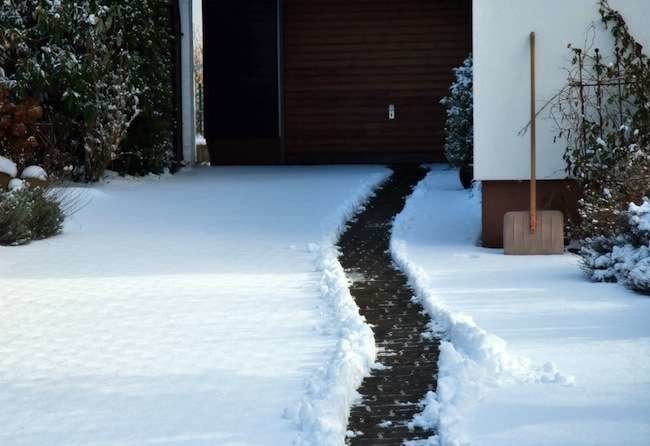
If you’ll be away long enough for the lawn to grow noticeably, arrange for mowing. In winter, schedule snow removal for driveways, sidewalks, and steps. Fresh tire tracks or footprints can also help make a property look active, so ask a neighbor to walk up the driveway or park there if possible.
Handle trash and recycling carefully
Trash cans can be tricky. If you leave them out too long, they reveal you’re gone. If you never put them out when everyone else does, that can also look unusual. Ask a neighbor to roll bins out and back on collection day, or skip putting them out if they’re nearly empty.
The best strategy is to make your home look exactly as it usually does. Security is not about creating a stage set; it is about preserving normal routines.
5. Use Curtains, Blinds, and Shades Strategically
Many homeowners close every curtain before leaving town, which seems logical. Unfortunately, it can also look odd if your windows are normally open during the day. On the other hand, leaving everything wide open can expose valuables, electronics, and the fact that nobody has moved inside for days.
Keep window coverings natural
Before you leave, think about what your home usually looks like. If your front blinds are typically halfway open, keep them halfway open. If bedroom curtains are usually closed, leave them closed. The more normal your home looks, the less attention it attracts.
Hide valuables from view
Even if you leave some blinds open, make sure valuables are not visible from outside. Move laptops, jewelry, tablets, cash, car keys, and expensive tools away from windows. A passerby should not be able to window-shop your living room.
Smart shades can also be useful because they can open and close on a schedule. Used with smart lighting, they create a more realistic impression of daily movement inside the home.
6. Make Your Driveway Look Active
An empty driveway can be a clue, especially if your car is normally parked there. While not every home has a driveway, those that do can use it as part of a simple “someone is around” strategy.
Leave a car in the driveway if possible
If you have more than one vehicle, consider leaving one parked outside instead of tucked away in the garage. Make sure the car is locked, empty of valuables, and not blocking anything important. A visible vehicle can make your home appear occupied, especially during shorter trips.
Ask someone to park there occasionally
If you’re taking your only car, ask a neighbor, friend, or relative to park in your driveway from time to time. This small change creates the impression that people are coming and going. It is especially useful when paired with changing lights and collected mail.
Just avoid telling the whole internet that your driveway is empty because you’re “finally off to Cancun for 10 days!” Which brings us to the next tip.
7. Avoid Broadcasting Your Absence Online
Posting vacation updates in real time is tempting. The beach is sparkling, the tacos are photogenic, and your suitcase somehow made it to the same airport you did. But public posts can let strangers know your home is empty.
Save travel photos for after you return
One of the simplest ways to protect your home while traveling is to wait until you’re back before posting vacation pictures. This is especially important if your social media profiles are public or if your posts reveal your location.
Check privacy settings
Review who can see your posts, stories, location tags, and check-ins. Even with private accounts, information can spread farther than expected. A harmless “See you next week!” comment can provide more detail than you intended.
You do not have to disappear from the digital world. Just avoid creating a public schedule of when your house is empty. Your vacation memories will still be adorable next week.
8. Install Visible Security Devices and Use Them Wisely
Security cameras, video doorbells, motion lights, smart locks, and alarm systems can all help protect your home while you’re away. Even visible signs of security can make a potential intruder think twice. The key is to set everything up before your trip and test it, not discover from an airport lounge that your doorbell camera has been offline since Tuesday.
Use outdoor motion lighting
Motion-activated lights near entry points, garages, side yards, and back doors can discourage unwanted visitors. Good lighting removes hiding spots and makes suspicious activity more noticeable to neighbors and cameras.
Check cameras and alerts
Before leaving, confirm that cameras are charged, connected to Wi-Fi, and positioned correctly. Turn on motion alerts for important areas, but adjust sensitivity so you do not receive 400 notifications because a heroic leaf is crossing the driveway.
Secure doors, windows, and the garage
Devices are helpful, but they do not replace basic security. Lock every exterior door, window, basement entrance, gate, and garage door. Use deadbolts where possible. Secure sliding doors with a bar or track lock. Disconnect or secure garage door openers if needed, and never leave tools, ladders, or spare keys outside.
The best home security plan combines visible deterrents, strong locks, and believable signs of occupancy. One device is helpful; a layered strategy is stronger.
Bonus Checklist: What to Do Before You Leave
Before heading out, walk through your home and property with fresh eyes. Pretend you are a very nosy raccoon with a clipboard. What would make the house look empty? What would make it look normal?
- Set smart lights or timers in multiple rooms.
- Pause mail and package deliveries.
- Ask a trusted person to check the property.
- Lock doors, windows, gates, and garage doors.
- Move valuables away from windows.
- Keep curtains and blinds looking normal.
- Arrange lawn care, snow removal, or trash help.
- Test cameras, alarms, smart locks, and motion lights.
- Avoid real-time travel posts on social media.
- Unplug unnecessary electronics and appliances for safety.
Common Mistakes That Make a Home Look Empty
Sometimes homeowners accidentally make their absence obvious. The most common mistake is leaving lights on all day and all night. Real people turn lights off. Another mistake is closing every curtain tightly when the home usually looks open and bright. Sudden changes can stand out.
Other giveaways include a porch full of packages, newspapers in the driveway, a dead lawn in summer, untouched snow in winter, trash bins left out, and no vehicle activity. Even small details matter. A door hanger advertisement, a storm-blown branch, or a delivery notice can tell people that nobody has been around.
The fix is not complicated. Keep the home’s appearance consistent, create small signs of movement, and make sure someone can respond if something changes.
Smart Home Tools That Help Create the Illusion of Occupancy
You do not need to turn your house into a sci-fi command center, but a few smart tools can make away-from-home security easier. Smart plugs are inexpensive and useful for lamps, radios, and small devices. Smart bulbs allow flexible lighting schedules. Video doorbells let you see visitors and communicate with delivery drivers. Smart locks allow temporary access for trusted people without hiding keys.
Smart speakers can also play music or talk radio on a schedule, though volume matters. You want “someone might be home,” not “a mysterious podcast is shouting at the curtains.” Smart shades can open and close at selected times, while motion sensors can trigger lights when movement is detected.
Before relying on any smart device, test it for several days. Check batteries, Wi-Fi strength, app settings, and notification rules. A smart system is only smart if it works when you need it.
Real-Life Experience: What Actually Works When You’re Away
In real life, the best “make it look like you’re home” strategy is rarely one dramatic trick. It is a collection of boring little details that quietly add up. A lamp turns on in the living room. A neighbor collects the package. The blinds look the way they always do. The trash bin disappears after pickup. A car appears in the driveway one evening. Nothing screams security theater; everything simply looks normal.
One useful experience many homeowners discover is that neighbors are often more helpful than gadgets. A camera can show you that a package arrived, but it cannot pick it up and hide it behind the side door. A smart light can turn on, but it cannot notice that a flyer has been stuck to your front door for three days. A trusted person nearby can handle the small, human tasks that make a home look genuinely cared for.
Another lesson is that predictability is the enemy. Basic timers are helpful, but if the same lamp turns on at the same second every night, the pattern may look artificial. Smart plugs or bulbs with randomized schedules are better. If you use manual timers, set different rooms to different times and avoid lighting rooms no one would realistically use at that hour. A bathroom light glowing from 6 p.m. to midnight every night is less convincing than a living room lamp in the evening and a bedroom lamp later.
Homeowners also learn that “more” is not always better. Leaving every light on, blasting music, and closing all curtains can make a house look strange. A secure home should still look like itself. If your porch is usually tidy, keep it tidy. If your driveway usually has a car, try to keep a car there. If your blinds are normally partly open, do not suddenly seal the house like a secret government archive.
One practical trick is to take photos of your home’s normal setup before preparing for a trip. Photograph the front windows, porch, driveway, side gate, and backyard. Then compare those photos with how the house looks after you have set timers, moved valuables, and adjusted blinds. If the “vacation version” looks dramatically different, soften it. Security works best when it blends in.
It is also smart to do a trial run. A few nights before leaving, activate your light schedules, camera alerts, and smart locks. Walk outside after dark and see what the house looks like from the street. Can people see valuables? Do the lights look natural? Are motion lights aimed correctly, or are they lighting up your neighbor’s bedroom like a UFO landing? Small adjustments before departure can prevent headaches later.
Finally, good preparation reduces anxiety. When you know the mail is paused, the doors are locked, the lights are scheduled, the cameras are working, and a neighbor has your contact information, you can actually enjoy your trip. That is the real win. Home security is not just about discouraging burglars; it is about giving yourself permission to relax without checking your phone every nine minutes like a nervous squirrel.
Conclusion: Make Your Home Look Lived-In, Not Locked-Down
Making it look like you’re home when you’re not is about creating believable signs of everyday life. Use smart lighting or timers, manage mail and packages, keep the yard maintained, ask a trusted person to check in, avoid oversharing travel plans, and secure every entry point. Add cameras, motion lights, and smart locks where they make sense, but do not forget the basics.
The best home security strategy is layered, realistic, and easy to maintain. Your house does not need to look like a fortress. It just needs to look occupied, cared for, and not worth the trouble. Give your home a little “someone’s probably inside” energy, and you can leave with more confidenceand fewer vacation thoughts about whether you remembered to lock the back door.