Diabetes already has a long résumé of complications. It can affect the eyes, kidneys, nerves, heart, and feet. Annoyingly, it may also put your hearing on the guest list. That connection surprises a lot of people. After all, when someone says “diabetes complications,” most of us think about blood sugar meters and foot checks, not asking the TV to please stop mumbling.
But the connection between diabetes and hearing loss is real, and it deserves more attention than it usually gets. Research suggests that people with diabetes are more likely to experience hearing loss than those without it, and experts believe the reason has a lot to do with the tiny blood vessels and nerves that help your ears do their job. In other words, the same condition that can strain other delicate parts of the body may also interfere with the inner ear.
This article breaks down what the link looks like, why it may happen, the symptoms to watch for, how hearing changes are diagnosed, and what you can do to protect both your blood sugar and your ability to hear the world clearly. Because life is hard enough without pretending every restaurant conversation is an improv exercise.
The Diabetes and Hearing Loss Connection
Hearing loss is common in the general population, especially as people get older. Diabetes is also common. So yes, sometimes the two show up together simply because both are widespread. But this is not just a coincidence. Medical experts have been looking at the relationship for years, and the evidence points to a meaningful association.
People with diabetes appear to have a higher risk of developing hearing problems, particularly sensorineural hearing loss. That is the type caused by damage in the inner ear or along the nerve pathways that carry sound signals to the brain. It often develops gradually, which means many people do not notice it right away. They simply begin asking, “Can you repeat that?” a little more often, especially in noisy places.
Prediabetes may matter too. That detail is important because it suggests hearing health may be affected before someone even gets a full diabetes diagnosis. So this is not only a story about advanced disease. It may also be a story about long-term metabolic stress, blood vessel strain, and nerve vulnerability that starts early and builds quietly over time.
Not everyone with diabetes will develop hearing loss, of course. Plenty of people never do. But the risk appears high enough that hearing should be part of the broader diabetes conversation, right alongside eye exams, dental care, and nerve checks.
Why Diabetes May Affect Hearing
The exact mechanism is still being studied, but experts keep circling back to a few likely suspects. Unfortunately, all of them are believable troublemakers.
1. Damage to small blood vessels
Your inner ear depends on a healthy, steady blood supply. Tiny blood vessels help nourish the cochlea, which is the spiral-shaped structure that turns sound vibrations into electrical signals. High blood sugar over time can damage small blood vessels throughout the body. When that happens in the inner ear, the hearing system may not get the oxygen and nutrients it needs to work properly.
Think of it like watering a very fussy houseplant through a cocktail straw. When the flow is compromised, delicate tissues suffer first. The inner ear is one of those delicate tissues.
2. Nerve damage
Diabetes is well known for causing neuropathy, or nerve damage. Most people associate neuropathy with tingling or numbness in the feet, but nerves are everywhere, and hearing depends on them. If diabetes affects the auditory nerve pathways, sound may not travel cleanly from the ear to the brain. A person may technically “hear” sound but still struggle to understand speech, especially in crowded rooms or places with background noise.
3. Blood sugar swings
Chronic high blood sugar is the headline problem, but low blood sugar may also interfere with how nerve signals travel. That does not mean every brief glucose dip causes hearing damage. It means the ear and brain communication system may be sensitive to metabolic instability. Over time, repeated swings may add extra stress to a system that already prefers consistency.
4. Inflammation and oxidative stress
Diabetes is associated with chronic inflammation and oxidative stress, which can wear down tissues over time. Researchers suspect that this may contribute to damage in the inner ear as well. While the science is still evolving, the theory fits what is already known about diabetes and other parts of the body: when blood sugar stays out of range for too long, delicate tissues tend to pay the price.
5. Shared risk factors
Sometimes hearing loss in a person with diabetes is not caused by diabetes alone. Age, smoking, high blood pressure, high cholesterol, cardiovascular disease, kidney disease, and noise exposure can all raise the risk too. In real life, these factors often pile on top of one another like they are competing in a very unhelpful team-building exercise.
Symptoms to Watch For
One tricky thing about hearing loss is that it often creeps in slowly. There is no dramatic soundtrack. No warning siren. Just more effort, more guessing, and more moments where people start sounding like they are speaking through a pillow.
Common signs include:
- Trouble following conversations in restaurants, meetings, or group settings
- Frequently asking people to repeat themselves
- Thinking others are mumbling
- Turning the TV, phone, or music volume higher than everyone else prefers
- Difficulty hearing high-pitched voices or consonants clearly
- Ringing, buzzing, or humming in the ears, also known as tinnitus
- Listening fatigue after long conversations
- Feeling more withdrawn socially because hearing has become work
Some people also notice dizziness, ear fullness, or a sudden drop in hearing. Those symptoms deserve prompt medical attention, especially if the change happens quickly or affects only one ear. Sudden hearing loss is not something to “keep an eye on for a few weeks.” It is something to get checked right away.
Who May Be at Higher Risk?
While any person with diabetes can develop hearing changes, the risk may be higher in people with long-standing diabetes, poor glucose control, or other vascular risk factors. Older adults are also more likely to develop hearing loss, whether they have diabetes or not, so the overlap becomes more noticeable with age.
Someone with diabetes may be more vulnerable if they also:
- Have high blood pressure
- Have high cholesterol or cardiovascular disease
- Smoke
- Have kidney disease
- Work in loud environments or spend years around loud noise
- Take medications that may affect hearing
This does not mean hearing loss is inevitable. It means the more risk factors present, the less wise it is to ignore subtle changes.
How Hearing Loss Is Diagnosed
If you have diabetes and suspect hearing changes, the best next step is usually a hearing evaluation. That may begin with your primary care clinician, but an audiologist is the specialist who measures hearing and identifies the type and degree of loss.
A hearing assessment may include:
- A discussion of your symptoms, health history, diabetes history, and noise exposure
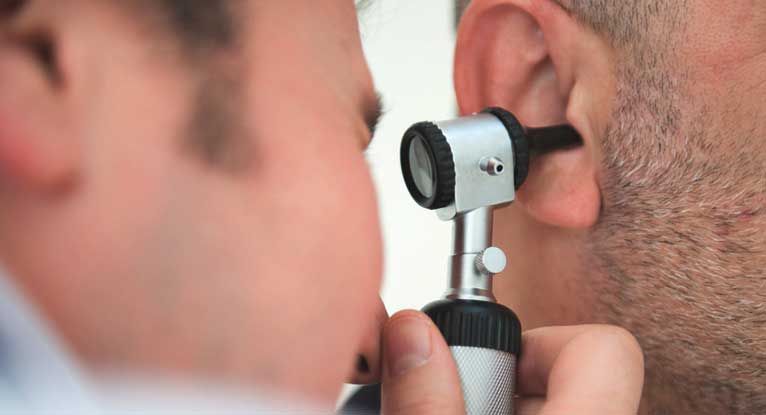
- An exam of the ear canal and eardrum
- Pure-tone testing to see which sounds you can hear
- Speech testing to measure how well you understand words
- Additional tests if balance problems, tinnitus, or sudden hearing changes are involved
If hearing loss appears suddenly, is worse in one ear, or comes with dizziness or ear pain, you may also need an ear, nose, and throat specialist. That is because not every hearing problem in a person with diabetes is caused by diabetes. Wax buildup, infection, Ménière’s disease, medication side effects, autoimmune ear disease, and other conditions can also play a role.
Can Diabetes-Related Hearing Loss Be Prevented?
There is no magic shield, but there are smart habits that may lower risk or at least reduce the odds of making things worse.
Manage blood sugar consistently
This is the big one. The better your glucose is managed over time, the less strain on blood vessels and nerves throughout the body. Perfect numbers are not the goal. Steadier numbers are. Hearing health may be one more reason your diabetes care plan matters beyond the usual headlines.
Protect your ears from noise
If you already have a condition that may stress the inner ear, adding chronic loud noise is like pouring hot sauce on a sunburn. Use ear protection around machinery, concerts, firearms, and other loud environments. Turn down personal audio devices when possible. Your future ears would like to file a formal thank-you.
Address blood pressure and cholesterol
Healthy circulation matters to hearing. Managing blood pressure and cholesterol supports blood vessel health, which may also benefit the inner ear.
Do not smoke
Smoking damages blood vessels and reduces circulation. If diabetes is already pushing your vascular system in the wrong direction, smoking is basically that one friend who always makes the bad plan worse.
Pay attention to early symptoms
The sooner hearing changes are identified, the easier they are to address. Waiting until every conversation feels like decoding a bad phone connection usually makes the experience more frustrating than it needs to be.
Treatment and Management Options
Once hearing loss is identified, treatment depends on the cause and severity. Some conditions are medically treatable. Others are managed rather than reversed. Either way, help is available, and suffering through every family dinner is not a personality trait.
Hearing aids
For many adults with mild to moderate hearing loss, hearing aids can improve communication, reduce listening strain, and make daily life a lot less exhausting. Some adults may be candidates for over-the-counter hearing aids, while others benefit more from prescription devices fitted by an audiologist.
Assistive listening devices
Phones, TV listening systems, captioning tools, and microphone-based assistive devices can make a major difference, especially in challenging sound environments.
Communication strategies
Small habits help. Face the person speaking. Reduce background noise when possible. Choose quieter restaurants. Ask people not to shout, but to speak clearly. Hearing loss often improves more with smart communication than with sheer stubbornness.
Medical treatment when needed
If hearing loss is sudden or tied to another condition, treatment may include medication, urgent evaluation, or more specialized care. The key point is not to assume every hearing change is “just part of diabetes” or “just getting older.” Sometimes it is, and sometimes it really is not.
When to Talk to a Doctor
Bring up hearing concerns if you have diabetes and notice any change that lingers. Also speak with a clinician if family members keep commenting on your volume settings, because family members are many things, but they are rarely united unless the TV is actually too loud.
Seek medical care sooner rather than later if you have:
- Sudden hearing loss
- Hearing loss in one ear
- Ringing in the ears that is new or worsening
- Dizziness or balance problems
- Ear pain, drainage, or pressure
- A rapid drop in hearing over days or weeks
People with diabetes already do a lot of preventive health maintenance. Adding hearing to the checklist is not overreacting. It is smart care.
Real-Life Experiences: What This Connection Can Feel Like
One of the hardest parts about diabetes-related hearing loss is that it does not always announce itself dramatically. Many people describe the experience as a slow increase in effort. At first, they notice that restaurants have become weirdly difficult. Then they start missing parts of phone calls. Then someone at home says, “Why is the TV trying to wake up the neighbors?” and the person realizes this may not just be bad acoustics or everyone else speaking like sleepy pirates.
A common experience is confusion rather than obvious deafness. A person may hear sound just fine but have trouble sorting words from background noise. Imagine sitting in a busy coffee shop and hearing the espresso machine, clinking cups, nearby laughter, and your friend’s voice all at once. For someone with subtle hearing loss, the brain has to work overtime to separate the useful sounds from the chaos. By the end of the conversation, they are exhausted, even though they technically “heard” most of it.
Another common experience is social withdrawal. Not because the person wants to isolate, but because conversation becomes tiring and a little embarrassing. When you ask people to repeat themselves five times, nod at the wrong moment, or answer a question nobody asked, group settings can start to feel like a pop quiz you did not study for. Some people begin declining invitations, avoiding crowded places, or pretending they caught what was said just to keep the moment moving.
People living with both diabetes and hearing loss also talk about the mental load. Diabetes already asks for planning, monitoring, and decision-making every day. Add hearing challenges to that, and ordinary routines can become more complicated. Medical appointments are harder when you miss details. Phone calls with pharmacies feel like audio escape rooms. Even something as basic as understanding instructions in a noisy clinic can become stressful.
Family dynamics often shift too. Loved ones may think the person is distracted, irritable, or not paying attention, when the real problem is that speech sounds are no longer coming through clearly. This misunderstanding can create tension. The person with hearing changes may feel frustrated or ashamed, while relatives may feel ignored. Once the hearing issue is recognized, many families feel oddly relieved. It is not stubbornness. It is not selective listening. It is a health issue.
There is also the emotional side. Some people feel old before their time when hearing loss enters the picture, especially if they are managing diabetes in midlife rather than old age. Others worry that needing hearing aids means something is seriously wrong. In reality, many people find that getting evaluated is the turning point. Understanding the cause, getting the right device or strategy, and making a few communication adjustments can dramatically reduce stress.
In the best-case stories, people say the same thing: they wish they had addressed it sooner. Once hearing support is in place, conversations feel easier, energy improves, relationships feel less strained, and daily life becomes less like trying to decode a mystery podcast recorded underwater.
Final Thoughts
The connection between diabetes and hearing loss is not a random medical footnote. It is a meaningful reminder that diabetes affects far more than blood sugar. Because the inner ear depends on healthy blood vessels and nerves, it makes sense that metabolic damage may show up there too.
The good news is that hearing changes do not have to stay invisible. If you live with diabetes, paying attention to subtle signs, protecting your ears, managing your glucose, and getting checked when something feels off can go a long way. Hearing loss may be common, but struggling in silence should not be.
So if conversations have started sounding muddy, crowded rooms feel impossible, or your remote control has become your closest emotional support device, take that as your cue. Your ears may be asking for the same thing the rest of your body wants: a little attention, a little care, and much less chaos.