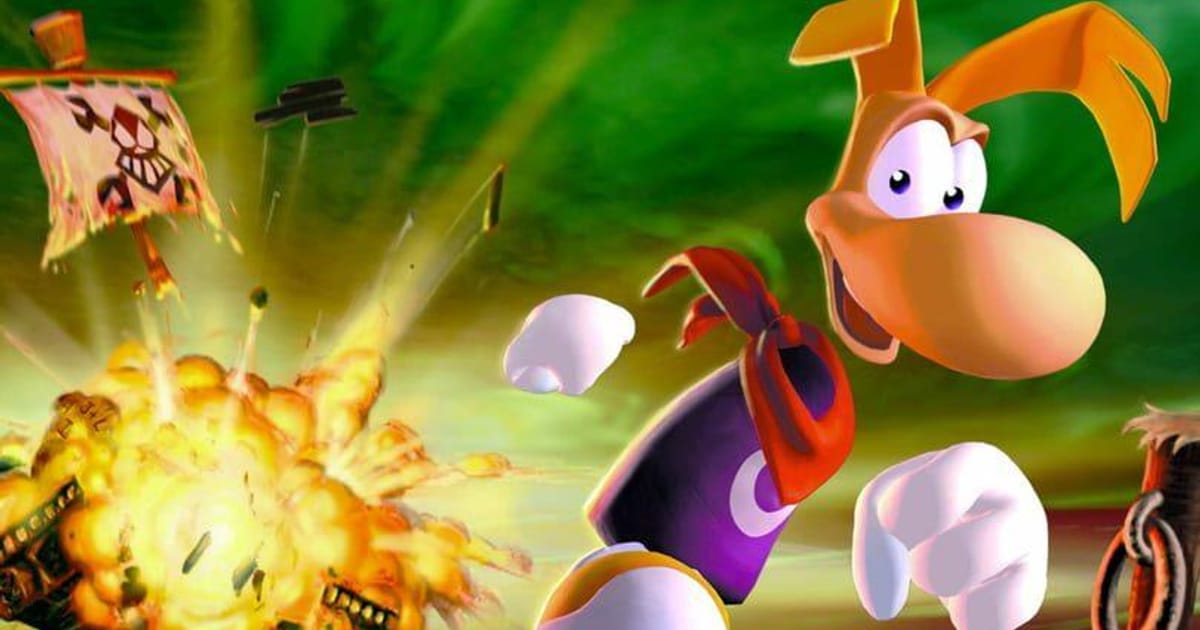
Note: This article is written in original American English and is based on real, widely documented information about Rayman 2: The Great Escape, its versions, critical reputation, gameplay, and long-term fan discussion.
Introduction: Why Rayman 2 Still Has LegsEven Without Limbs
Rayman 2: The Great Escape is one of those rare 3D platformers that escaped the late-1990s mascot game jungle with its dignity, charm, and weird floating hands fully intact. Released by Ubisoft in 1999, the game marked Rayman’s leap from colorful 2D platforming into a full 3D adventure. That transition could have gone terribly wrong. Many franchises tripped over the camera, fell into foggy draw distance, and never recovered. Rayman, somehow, floated over the problem with his helicopter hair.
Today, Rayman 2: The Great Escape remains a favorite among retro gaming fans, platformer collectors, and players who believe a game can be whimsical without being shallow. It has appeared on Nintendo 64, PC, Dreamcast, PlayStation, PlayStation 2 as Rayman Revolution, Nintendo DS, Nintendo 3DS, mobile platforms, and modern digital storefronts in various forms. Because every version has its own quirks, ranking Rayman 2 is not as simple as saying “the newest one wins.” In fact, the newest one often does not win. Retro gaming is funny like that.
This article breaks down Rayman 2: The Great Escape rankings and opinions from a modern perspective: best versions, strongest gameplay features, weakest elements, and why the game still earns respect decades later. Spoiler: robot pirates are involved, and they are still rude.
What Is Rayman 2: The Great Escape About?
Rayman 2: The Great Escape takes place in the Glade of Dreams, a magical world invaded by Robo-Pirates led by Admiral Razorbeard. These mechanical troublemakers capture Rayman’s friends, break the world’s core into pieces, and generally behave like the sort of villains who would steal your lunch and then charge you rent for the lunchbox.
Rayman must rescue his friends, collect Yellow Lums, recover four magical masks, and awaken Polokus, a powerful spirit who can help defeat the pirate army. Along the way, players meet memorable allies such as Globox, Ly the Fairy, the Teensies, Clark, and Murfy. The story is simple, but it works because the atmosphere does so much heavy lifting. Rayman 2 feels like a fairy tale told through a slightly strange dream after eating too much cereal before bed.
Overall Ranking: Where Rayman 2 Stands Among 3D Platformers
Among classic 3D platformers, Rayman 2: The Great Escape deserves a high ranking. It may not have the cultural dominance of Super Mario 64 or the collectathon fame of Banjo-Kazooie, but it offers something different: focused level design, elegant movement, rich atmosphere, and a sense of adventure that rarely feels bloated.
Modern Overall Score: 9/10
As a complete experience, Rayman 2 earns a strong 9 out of 10. Its best qualities are level variety, world design, mood, music, and movement. Its weaker points are occasional camera awkwardness, basic combat, and version-specific technical issues. Still, compared with many early 3D platformers, it has aged shockingly well. Some games from the era feel like archaeology homework. Rayman 2 still feels like an adventure.
Best Versions of Rayman 2 Ranked
One of the most interesting things about Rayman 2: The Great Escape is that there is no universally perfect version. Each port brings advantages and compromises. Some look better. Some sound better. Some include extra content. Some make you wonder whether the camera operator went on vacation.
1. Dreamcast Version: The Fan-Favorite Champion
The Dreamcast version is often considered the best version of Rayman 2. It offers crisp visuals, smooth performance, strong color, improved presentation, and a fuller soundtrack experience than cartridge-based versions. The Dreamcast hardware gives the Glade of Dreams a cleaner, brighter, more polished look. It also includes bonus mini-games and small adjustments that make the adventure feel premium.
For players who want the classic game in a form that feels closest to a definitive edition, the Dreamcast release usually sits at the top of the ranking. It preserves the original structure while making the world feel more alive. In short, it is the version that shows up to the party wearing a tailored jacket.
2. PC Version: Sharp, Accessible, and Still Playable
The PC version ranks near the top because it delivers strong visuals, good music quality, and wide availability through digital platforms. It does not always have the plug-and-play convenience of a console release, and controller setup can vary depending on the modern system, but it remains one of the easiest ways to experience Rayman 2 today.
For players who want the original adventure without hunting down old hardware, the PC version is a practical and enjoyable choice. It is not always the flashiest version, but it is reliable enough to recommend. Think of it as the dependable friend who brings snacks and actually reads the instructions.
3. Nintendo 64 Version: The Original Classic With Real Charm
The Nintendo 64 version deserves major respect because it introduced many players to Rayman 2. It has impressive design for the hardware and remains very playable. However, the N64 cartridge format means audio and presentation differ from CD-based versions. The music is still charming, but it does not have the same richness as the Dreamcast or PC versions.
Even so, the N64 version has a special place in the game’s history. It is slightly rougher, but it is also authentic, focused, and full of personality. For nostalgia, it ranks very high. For pure technical quality, it falls just below Dreamcast and PC.
4. Rayman Revolution on PlayStation 2: Ambitious but Divisive
Rayman Revolution for PlayStation 2 is not a straight port. It expands the game with hub worlds, additional dialogue, new areas, extra bosses, and more story presentation. Some fans love it because it feels like a director’s cut. Others prefer the cleaner pacing of the original structure.
The biggest issue is that the extra content can slow the experience. The original Rayman 2 moves with wonderful momentum; Rayman Revolution sometimes asks you to wander around hubs before getting to the good stuff. Still, for fans who want more Rayman, more world-building, and more content, it is absolutely worth playing.
5. Nintendo 3DS Version: Good Game, Uneven Port
Rayman 3D on Nintendo 3DS is based on the Dreamcast version, which sounds promising. Unfortunately, its performance and polish do not always match the quality of the source material. Frame rate dips, visual compromises, and awkward moments keep it from ranking higher.
That said, the underlying game is still excellent. If someone’s only option is the 3DS version, they can still enjoy the adventure. It is just not the ideal way to experience Rayman’s finest 3D outing.
6. Nintendo DS and Mobile Versions: For Curiosity More Than Comfort
The DS and mobile versions are interesting from a preservation standpoint, but they are not the best way to play Rayman 2. Touch controls, technical limitations, camera issues, and reduced presentation make these versions feel compromised. They are not disasters in concept, but they struggle to capture the smoothness and magic of the better releases.
Gameplay Ranking: What Rayman 2 Does Best
1. Level Design: Excellent
The greatest strength of Rayman 2: The Great Escape is its level design. The game is not a massive collectathon where players vacuum up hundreds of objects while wondering whether they are having fun or doing chores. Instead, it uses linear and semi-linear stages that feel guided but not cramped.
Levels such as the Fairy Glade, the Cave of Bad Dreams, the Sanctuary stages, and the Precipice show how well Ubisoft balanced exploration, platforming, and spectacle. The game constantly introduces new ideas: sliding, swimming, riding rockets, floating through air currents, water-skiing behind Sssssam, and dodging pirate ships. It rarely lets one gimmick overstay its welcome. That is a lesson many modern games could still learn.
2. Atmosphere: Outstanding
Rayman 2 has a dreamlike tone that separates it from other platformers of its era. It is colorful, but not sugary. It is dark in places, but not grim. The Robo-Pirates add menace, while characters like Globox and the Teensies keep the world playful. This balance gives the game a strong identity.
The environments feel mysterious and theatrical. Forests glow. Caves hum with danger. Sanctuaries feel ancient. Pirate bases feel industrial and hostile. Even when the polygons show their age, the art direction still works. Good art direction ages better than raw graphics, and Rayman 2 is proof.
3. Controls: Smooth but Not Perfect
Rayman’s movement is one of the reasons the game remains enjoyable. His jump, hover, climbing, swimming, and shooting abilities are easy to understand. The helicopter hover is especially important because it softens the difficulty of 3D platforming without making the game too easy.
However, the controls are not flawless. Combat can feel simple, and some ledge grabs or tight jumps can be fussy. The camera is generally better than many games from the same era, but it can still become stubborn in narrow spaces. In other words, it is good enough to praise, old enough to forgive, and occasionally annoying enough to make you talk to your controller like it betrayed you personally.
4. Music and Sound: Memorable and Magical
The soundtrack is one of the game’s secret weapons. It shifts between playful, mysterious, tense, and triumphant themes without losing the Rayman identity. CD-based versions especially benefit from stronger audio quality, while the Nintendo 64 version has its own distinctive charm due to hardware limitations.
Sound effects also help sell the world. Rayman’s attacks, pirate machinery, magical creatures, and environmental cues all contribute to the game’s personality. The voice-like gibberish used by characters is silly, but it fits. Actual full voice acting might have made the game less charming. Sometimes nonsense is the correct language.
Opinion: Why Rayman 2 Aged Better Than Many 3D Platformers
The main reason Rayman 2: The Great Escape aged well is restraint. Ubisoft did not try to make every level an enormous playground stuffed with collectibles. Instead, the game focuses on pacing and variety. You are always moving toward something: a mask, a friend, a new ability, a strange machine, or a dramatic escape.
Another reason is clarity. The game usually communicates where to go and what to do without drowning players in tutorials. Modern games sometimes behave as if players cannot open a door without a 12-step onboarding process. Rayman 2 trusts the player more. It teaches through design, not lectures.
Finally, Rayman himself is a great platforming character. His lack of limbs is visually funny, but it also makes his animations clean and readable. You always know what he is doing, even with old graphics. His silhouette is strong, his moves are distinct, and his hover ability gives players a satisfying sense of control.
Common Criticisms of Rayman 2
The Combat Is Basic
Rayman can shoot energy projectiles, charge attacks, and strafe around enemies in some versions, but combat is rarely the highlight. Pirate battles are serviceable rather than thrilling. The game is much stronger when it focuses on movement, exploration, and environmental challenges.
Some Versions Are Clearly Better Than Others
Because Rayman 2 has been ported many times, players can have very different experiences. Someone playing the Dreamcast version may walk away calling it a masterpiece. Someone playing a weaker handheld port may wonder what all the fuss is about. Version matters a lot.
The Camera Still Shows Its Age
For a late-1990s 3D platformer, the camera is respectable. For a modern player used to smooth dual-stick camera control, it can feel limited. This does not ruin the game, but it is one of the clearest reminders that Rayman 2 comes from an earlier design era.
Rayman 2 Rankings by Category
Visual Design: 9/10
The graphics are old, but the art direction is strong. The world still feels imaginative and distinct.
Gameplay Variety: 9.5/10
Few platformers from the era offer such a steady flow of new mechanics without becoming messy.
Story and Characters: 8/10
The story is simple, but the characters and world-building make it memorable.
Music and Sound: 9/10
The soundtrack adds atmosphere, emotion, and adventure. It is one of the game’s most underrated strengths.
Replay Value: 8/10
Collecting every Lum and revisiting favorite stages gives the game good replay value, though it is not endless.
Modern Accessibility: 7.5/10
The PC version is available, but the best versions are not always easy to access legally on modern hardware.
500-Word Experience Section: Playing Rayman 2 Today
Playing Rayman 2: The Great Escape today feels like opening a storybook that somehow has a controller port. The first thing that stands out is not the polygon count or the age of the textures. It is the mood. The game has a strange, confident magic. It does not beg you to like it. It simply drops you into the Glade of Dreams, surrounds you with glowing forests, weird creatures, and pirate machinery, and says, “Well, go save everyone.” That confidence is refreshing.
The early levels are especially strong because they introduce the world without overcomplicating it. Rayman starts with limited abilities, then gradually regains powers that make movement more expressive. The hover ability is still satisfying because it gives every jump a tiny moment of drama. You leap, you drift, you hope the ledge is close enough, and sometimes you land like a hero. Other times you fall into the abyss like a very colorful potato. Both outcomes feel fair most of the time.
The best experience comes from treating Rayman 2 as an adventure rather than a checklist. Yes, collecting Lums matters. Yes, completionists will want to search every corner. But the heart of the game is movement through imaginative spaces. Riding shells like rockets, escaping collapsing structures, swimming through mysterious waters, and sliding through dangerous paths all create moments that feel handcrafted. Many modern games are larger, but not all of them are this carefully paced.
There is also something charming about the game’s silence and nonsense speech. Characters do not deliver long speeches explaining their trauma, their destiny, or their five-year plan. They squeak, mumble, gesture, panic, and cheer. Somehow, that makes them more memorable. Globox is lovable because he is a big blue goofball, not because he has a dramatic monologue about personal growth. The Teensies are funny because they behave like tiny magical bureaucrats who lost the office keys.
Of course, a modern playthrough also reveals the rough edges. The camera occasionally refuses to cooperate. Combat can feel repetitive. Some jumps require more precision than the visuals clearly communicate. A few sections may cause players to mutter words not approved by the Glade of Dreams tourism board. But these flaws are rarely enough to sink the experience. The game’s creativity keeps pulling the player forward.
The most impressive thing about Rayman 2 today is how little it relies on nostalgia to be enjoyable. Nostalgia helps, certainly. Players who grew up with the game may feel instantly transported. But even newcomers can understand why it matters. It is elegant, varied, atmospheric, and surprisingly modern in its respect for pacing. It does not waste much time. It does not bury the player under systems. It wants to be a great platforming adventure, and most of the time, that is exactly what it is.
Conclusion: Is Rayman 2 Still Worth Playing?
Rayman 2: The Great Escape is absolutely still worth playing, especially for fans of classic 3D platformers. The Dreamcast and PC versions are the easiest to recommend, while the Nintendo 64 version remains historically important and charming. Rayman Revolution is worth exploring for players who want expanded content, though its pacing will not please everyone.
In the grand ranking of 3D platformers, Rayman 2 belongs near the top. It may not be the loudest classic, but it is one of the most graceful. Its world is memorable, its levels are smart, and its personality remains wonderfully strange. More than two decades later, Rayman’s great escape still feels great.