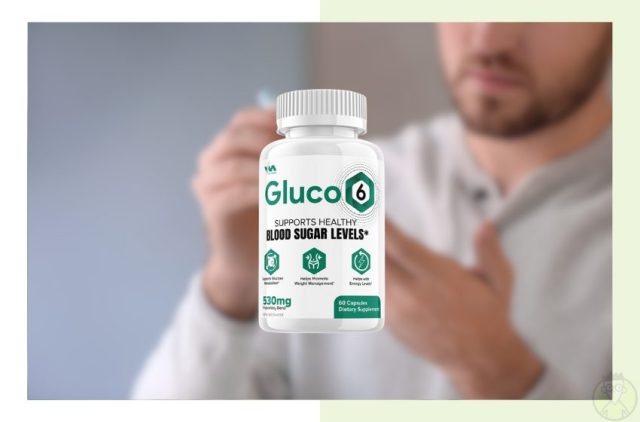
Blood sugar supplements are having a very loud moment in 2025. Open your phone for five minutes and you may see a dramatic video, a glowing testimonial, or a “doctor-approved” headline promising smoother glucose levels, fewer cravings, better energy, and maybe a smaller waistline before your coffee cools. Gluco6 is one of the names riding that wave.
But is Gluco6 legit, or is it another overhyped blood sugar supplement wrapped in slick marketing? The answer is more interesting than a simple yes or no. Gluco6 appears to be a real dietary supplement marketed for blood sugar support, glucose metabolism, cravings, energy, and weight-management support. However, “real product” does not automatically mean “clinically proven diabetes solution.” That distinction matters, especially for anyone taking metformin, insulin, GLP-1 medications, sulfonylureas, blood pressure medication, or any other long-term treatment.
This in-depth Gluco6 review looks at the formula, marketing claims, ingredient logic, customer complaints, safety concerns, and realistic expectations. Think of it as the friend who reads the fine print before everyone else clicks “Buy Now.” Less hype, more helpful.
What Is Gluco6?
Gluco6 is marketed as a plant-based dietary supplement designed to support healthy blood sugar levels and metabolic balance. Promotional materials commonly describe it as a daily capsule formula built around ingredients such as Sukre, TeaCrine, Gymnema sylvestre, chromium, cinnamon, and green tea extract. Some newer promotional pages may describe the formula slightly differently, so buyers should always check the actual Supplement Facts label before purchasing.
The central marketing idea behind Gluco6 is that the body needs better glucose transport and improved metabolic efficiency. In simple terms, the pitch is this: help the body use sugar more efficiently, reduce dramatic energy crashes, support insulin sensitivity, and make cravings less bossy. That sounds appealing, especially if your afternoon snack drawer has started acting like a tiny carbohydrate casino.
Still, Gluco6 is not an FDA-approved medication. It is sold as a dietary supplement. That means it cannot legally claim to diagnose, treat, cure, or prevent diabetes. Any product implying that it can replace medical care, lower A1C dramatically on its own, or “fix” diabetes should be treated with caution.
Is Gluco6 Legit or a Scam?
Gluco6 looks legitimate in the basic sense that it is a marketed supplement with a defined product concept, public sales pages, ingredient claims, and customer feedback online. The bigger question is whether its benefits are proven to the level suggested by the most enthusiastic promotions. That is where the answer becomes more cautious.
Many Gluco6 reviews online are promotional, affiliate-driven, or written in a style that feels more like advertising than independent testing. That does not automatically make the product fake, but it does make the review ecosystem noisy. Independent public review volume appears limited, and some customer complaints mention disappointment with results, pricing, long sales videos, refund frustrations, or expectations that were set too high.
So, is Gluco6 a scam? Based on available information, it is better described as a real supplement with overhyped marketing risk. It may be useful for some people as a wellness add-on, especially when paired with better food choices, walking after meals, sleep improvement, and medical monitoring. But it should not be viewed as a stand-alone treatment for diabetes, prediabetes, insulin resistance, or high A1C.
How Gluco6 Claims to Work
Gluco6 marketing often centers on glucose metabolism and GLUT-4 activity. GLUT-4 is a glucose transporter involved in moving glucose into muscle and fat cells in response to insulin. Supporting healthy insulin sensitivity is a legitimate metabolic goal. The question is whether a supplement blend can meaningfully improve this process in real-world users at the dose provided.
The formula’s general logic is not random. Chromium has been studied for glucose metabolism. Cinnamon has been studied for fasting blood sugar, though results are mixed. Gymnema has a long history of use in traditional systems and may influence sugar cravings. Green tea extract contains catechins that may support antioxidant status and metabolism. TeaCrine is more associated with energy and focus than direct glucose control. Sukre is promoted as a prebiotic sweetener or rare-sugar-style ingredient with low glycemic impact, though product-specific clinical evidence should be carefully verified.
In other words, the ingredient story is plausible, but plausibility is not proof. A supplement can contain interesting ingredients and still fall short if the doses are small, the formula is proprietary, the clinical evidence is based on individual ingredients rather than the finished product, or the customer expects medication-level results.
Gluco6 Ingredients: What the Formula Gets Right and Where Questions Remain
1. Sukre
Sukre is often presented as Gluco6’s signature ingredient. It is described in marketing as a natural prebiotic sugar or sweetener that supports glucose metabolism without spiking blood sugar like regular sugar. That sounds attractive, especially for people trying to reduce sugar swings.
The cautious view: prebiotic fibers and low-glycemic sweeteners can be useful tools, but consumers should look for clear dosage, ingredient identity, and product-specific human research. If a sales page makes big promises about A1C or fat loss without showing strong clinical evidence on the finished Gluco6 formula, keep your eyebrows raised.
2. Gymnema Sylvestre
Gymnema sylvestre is one of the more interesting ingredients in the blood sugar supplement world. It has been studied for possible effects on sugar cravings and glucose metabolism. Some people use it because it may temporarily reduce the appeal of sweet taste. That could help someone walk past the office donut box with slightly more dignity.
The caution: Gymnema may interact with diabetes medications and could contribute to low blood sugar if combined with other glucose-lowering treatments. People taking insulin, metformin, sulfonylureas, or other diabetes drugs should speak with a healthcare professional before using Gluco6.
3. Chromium
Chromium is an essential trace mineral involved in carbohydrate and lipid metabolism. It is commonly included in blood sugar support supplements because some research suggests it may help insulin function in certain people.
The caution: research is mixed. Major diabetes guidance does not recommend routine chromium supplementation for everyone with diabetes because clear, consistent benefit has not been proven. More is not better, either. High-dose mineral supplementation can create problems, particularly for people with kidney issues or multiple medications.
4. Cinnamon
Cinnamon is probably the celebrity spice of blood sugar conversations. It has appeared in many studies, some showing modest improvements in fasting glucose and others showing little or no meaningful benefit. The mixed results may depend on cinnamon type, dose, duration, baseline health, diet, and whether the extract is standardized.
The caution: sprinkling cinnamon on oatmeal is not the same as taking concentrated cinnamon extract daily. Cassia cinnamon can contain coumarin, a compound that may be a concern at high intake. Anyone with liver disease or medication concerns should be careful.
5. Green Tea Extract
Green tea extract is often included for antioxidant and metabolism support. It contains catechins, including EGCG, and may have modest effects on weight-related markers in some studies.
The caution: green tea as a beverage is generally considered safe for most adults, but concentrated green tea extract in capsules has been linked to digestive upset, blood pressure changes, medication interactions, and rare liver injury. If Gluco6 contains green tea extract, users should avoid stacking it with multiple other green tea or fat-burning supplements.
6. TeaCrine
TeaCrine is a branded form of theacrine, a compound often used in energy and focus supplements. It is usually promoted as smoother than caffeine and less likely to cause jitters.
The caution: TeaCrine is not the main reason someone should expect improved blood sugar. Its role is more likely related to perceived energy, mood, motivation, or workout consistency. That can still matter because people who feel more energetic may move more, but the effect is indirect.
Gluco6 Reviews 2025: What Real Customers Seem to Say
Real Gluco6 reviews are mixed. Promotional testimonials often describe better energy, fewer cravings, easier weight management, and improved confidence around meals. Independent review platforms and complaint pages, however, show a more cautious picture. Some users say they noticed little or no benefit. Others complain about price, refund difficulty, long-form marketing videos, shipping delays, or disappointment after buying several bottles.
This pattern is common in supplement reviews. People who combine a supplement with diet changes, walking, better sleep, and glucose tracking may see improvements and credit the capsule. People who change nothing else may see very little. Both experiences can be honest. The problem starts when marketing presents best-case stories as typical results.
A fair reading of Gluco6 customer feedback is this: some users may like it as part of a broader wellness routine, but the product is not consistently praised across independent review spaces. The “real review” picture is not a parade of miracles. It is a mixed bag with a few promising notes, several red flags, and a strong need for realistic expectations.
Pros and Cons of Gluco6
Potential Pros
- Contains ingredients commonly associated with glucose metabolism support.
- May help some users think more intentionally about blood sugar habits.
- Capsule format is simple and convenient.
- May pair well with diet, exercise, and glucose tracking for wellness support.
- Some ingredients, such as cinnamon, chromium, gymnema, and green tea, have been studied individually.
Potential Cons
- Finished-product clinical evidence appears limited or unclear.
- Marketing may create expectations that are too high.
- Independent customer reviews appear limited and mixed.
- Possible interactions with diabetes medications or blood pressure medications.
- Green tea extract and concentrated botanicals may not be suitable for everyone.
- Price may feel high compared with basic single-ingredient supplements.
- Proprietary blends can make it harder to judge meaningful dosing.
Who Might Consider Gluco6?
Gluco6 may appeal to adults who are already working on healthier habits and want an additional supplement for general metabolic support. The best candidate is not someone looking for a magic cure. The best candidate is someone who is willing to track meals, walk after eating, improve protein and fiber intake, sleep more consistently, and discuss supplements with a clinician.
It may be especially interesting to people who struggle with afternoon crashes or sugar cravings, though those symptoms can have many causes. Skipping breakfast, poor sleep, dehydration, stress, high-carb meals, and inconsistent medication timing can all create the same “why am I suddenly a cookie-seeking missile?” feeling.
Who Should Avoid Gluco6 or Ask a Doctor First?
Anyone with diabetes, prediabetes, kidney disease, liver disease, pregnancy, breastfeeding, a history of hypoglycemia, or prescription medication use should ask a healthcare professional before using Gluco6. This is not just the usual boring disclaimer wearing sensible shoes. It matters.
Blood sugar supplements can interact with glucose-lowering medications. If a supplement works even modestly, it could increase the risk of low blood sugar when combined with medication. If it does not work, relying on it instead of medical treatment could allow blood sugar to remain high. Both situations are bad. Your glucose meter, lab work, and clinician are more reliable than a sales video with dramatic music.
Does Gluco6 Really Work?
Gluco6 might work for some users in a modest support role, but there is not enough strong public evidence to say it reliably lowers blood sugar, reduces A1C, or produces weight loss for most people. The ingredients have varying levels of research behind them, but ingredient research does not automatically prove the finished product works.
The most honest verdict is this: Gluco6 is not nonsense, but it is not a proven miracle. It sits in the middle category many supplements occupy. The formula has reasonable ingredient logic, but the marketing may outrun the evidence. If you try it, treat it like an experiment, not a rescue plan. Track fasting glucose, post-meal glucose, energy, cravings, digestive comfort, sleep, and any medication changes with professional guidance.
How to Use Gluco6 More Safely
Always follow the product label rather than random online dosage advice. Avoid doubling up because “one capsule was fine, so two must be heroic.” Supplements do not work like video game power-ups.
For safer use, consider these steps:
- Ask your healthcare provider before starting, especially if you take medication.
- Check the Supplement Facts label for exact ingredients and amounts.
- Do not stop prescribed diabetes medication unless your clinician tells you to.
- Monitor fasting and post-meal blood sugar if you already track glucose.
- Stop use and seek help if you notice dizziness, shaking, sweating, unusual fatigue, stomach pain, dark urine, yellowing skin, or other concerning symptoms.
- Avoid combining Gluco6 with multiple other blood sugar or weight-loss supplements.
What to Look for Before Buying Gluco6
Before purchasing Gluco6, check whether the seller provides a full Supplement Facts label, clear company contact information, refund terms, shipping policies, and third-party quality testing. Claims such as “FDA-registered facility” or “GMP-certified” can sound reassuring, but they do not mean the FDA has approved the product as effective.
Also watch for fake urgency. “Only a few bottles left” may be true, or it may be a sales tactic older than dial-up internet. Be cautious with websites that use fake countdown timers, exaggerated before-and-after stories, celebrity-style claims, or statements suggesting you can eat anything while your blood sugar magically behaves.
Gluco6 vs. Lifestyle Changes: Which Matters More?
Lifestyle changes matter more. That may not be as exciting as discovering a secret capsule, but it is the truth. Regular movement, balanced meals, fiber-rich foods, lean protein, weight management, sleep, stress control, and medical monitoring have far stronger evidence than most supplements.
A simple after-meal walk can reduce post-meal glucose spikes for many people. Building meals around protein, vegetables, legumes, whole grains, nuts, and unsweetened beverages can also help. If Gluco6 encourages someone to take their health more seriously, that is useful. If it becomes an excuse to ignore proven habits, that is a problem.
Final Verdict: Legit or Overhyped?
Gluco6 is likely a legitimate supplement, but the marketing around it can be overhyped. The formula includes ingredients with some scientific interest, but it should not be treated as a proven diabetes treatment or guaranteed A1C-lowering solution. Real reviews are mixed, independent feedback is limited, and some complaints suggest buyers should be careful about expectations, pricing, and refund policies.
The smartest way to view Gluco6 is as a possible support tool, not a medical shortcut. It may be worth discussing with your healthcare provider if you are interested in glucose metabolism support and you understand the limits. It is not worth buying if you expect dramatic results without changing diet, movement, sleep, or medical follow-up.
Bottom line: Gluco6 is not automatically a scam, but it is definitely not a miracle. Approach it with curiosity, caution, and a glucose meternot blind faith and a credit card doing cardio.
Experience Notes: What Using a Blood Sugar Supplement Like Gluco6 May Feel Like
Because Gluco6 reviews online range from glowing to grumpy, it helps to imagine the real-world experience more practically. The first week with a supplement like Gluco6 is usually not dramatic. Most people do not wake up on day three feeling like their pancreas hired a personal assistant. A more realistic first impression might be simple: the capsules are easy to take, there may be no obvious side effects, and the user starts paying closer attention to meals because buying the supplement makes blood sugar feel more “real.”
That awareness can be surprisingly powerful. Someone who starts Gluco6 may also begin reading labels, cutting back on sweet drinks, or walking after dinner. Then, after two or three weeks, they may notice fewer afternoon crashes. Is that the capsule, the walking, the extra protein at breakfast, or the fact that they stopped treating soda like hydration? It can be difficult to separate. This is why tracking matters.
A careful user might write down fasting glucose every morning, check post-meal numbers after higher-carb meals, and note energy from 1 to 10. After 30 days, useful patterns may appear. Maybe pasta still causes a spike, but adding chicken and vegetables helps. Maybe late-night snacks make morning glucose worse. Maybe stress and poor sleep affect readings more than expected. In that situation, Gluco6 becomes part of a broader learning process rather than the star of the show.
On the negative side, some people may feel disappointed quickly. If marketing led them to expect fast weight loss, lower A1C, and total freedom around carbs, reality may feel underwhelming. Supplements rarely compete with consistent lifestyle changes, and they should not compete with prescribed medication. A user who takes Gluco6 while continuing large sugary breakfasts, low activity, poor sleep, and skipped doctor visits will probably be frustrated. The capsule cannot do all the adulting by itself.
Digestive changes are another possible experience. Ingredients like prebiotic fibers, botanicals, cinnamon, and green tea extract can feel fine for one person and annoying for another. Mild bloating, nausea, or stomach discomfort may happen with many supplements. More serious symptoms, especially signs of low blood sugar or liver stress, should never be ignored.
The best Gluco6 experience is likely to come from realistic use: one supplement, one clear routine, honest tracking, and medical guidance. The worst experience is impulse-buying six bottles after a long sales video, expecting a cure, and never reading the refund policy. In 2025, the smartest supplement shopper is not the most hopeful one. It is the one who combines hope with receipts, lab results, and a healthy suspicion of any product that sounds too easy.