Note: This publish-ready article is provided in HTML body format only. SEO tags are included at the end in JSON format as requested.
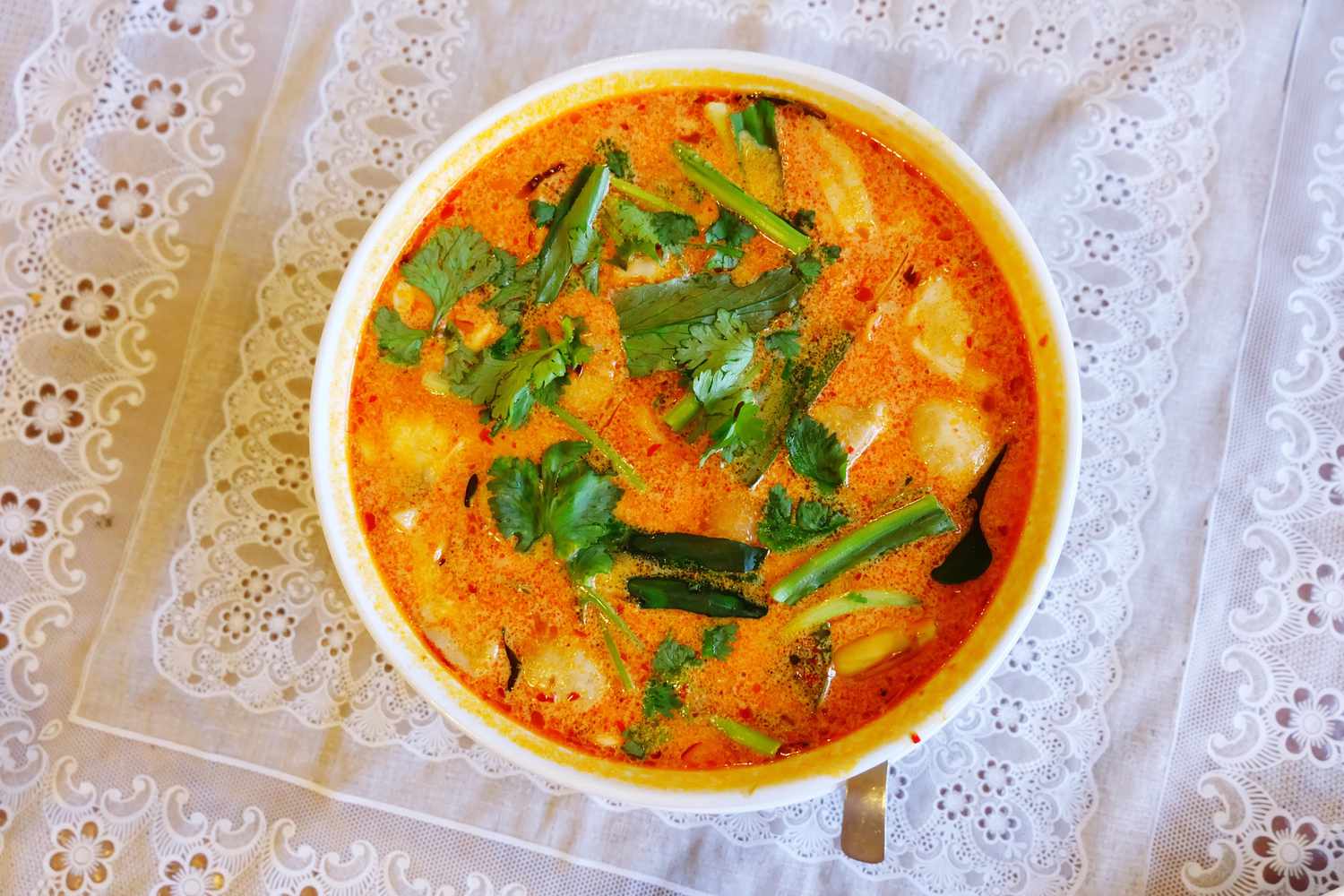
Vegetarian Thai Tom Yum Soup is the kind of dish that walks into the room wearing sunglasses, carrying a bouquet of lemongrass, and somehow makes your kitchen smell like a tiny Bangkok street stall with excellent lighting. It is hot, sour, fragrant, refreshing, and surprisingly easy to make at home. Better yet, this vegetarian version delivers the bold personality of classic tom yum without shrimp, chicken stock, or fish sauce.
Known as a Thai hot and sour soup, tom yum is famous for its bright broth, citrusy herbs, fiery chile heat, and that wonderful “wake up, taste buds!” finish. Traditional versions often use shrimp, but a vegetarian tom yum soup can be just as satisfying when you build flavor carefully. The secret is not complicated: use aromatic herbs, good vegetable broth, mushrooms for umami, tofu for protein, fresh lime juice for sparkle, and just enough chile to make your spoon feel slightly adventurous.
This recipe is designed for home cooks in the United States who want real Thai-inspired flavor using ingredients that are increasingly easy to find at Asian markets, international grocery aisles, and online. You will learn what each ingredient does, how to make the broth taste layered instead of flat, how to adjust the soup to your spice level, and how to serve it as a light appetizer or a cozy main meal.
What Is Vegetarian Thai Tom Yum Soup?
Tom yum is a Thai soup known for its hot and sour flavor profile. “Tom” refers to boiling, while “yum” points to a spicy-sour Thai salad-style flavor balance. Put together, the name gives you a pretty accurate job description: a boiled soup with bold sour, spicy, aromatic notes.
The classic flavor usually comes from a trio of Thai aromatics: lemongrass, galangal, and makrut lime leaves. These ingredients are not just decorative soup jewelry. They are the backbone of the broth. Lemongrass gives a lemony, grassy brightness. Galangal adds a peppery, pine-like sharpness that ginger cannot fully copy, though ginger can help in a pinch. Makrut lime leaves bring an unmistakable citrus perfume that makes the soup smell like it knows exactly what it is doing.
In a vegetarian version, we replace meat-based stock and seafood ingredients with vegetable broth, mushrooms, tofu, soy sauce or tamari, and optional vegan fish sauce. The result is a vegetarian Thai soup that tastes lively, savory, and deeply comforting without losing the famous tom yum attitude.
Why You’ll Love This Vegetarian Tom Yum Recipe
This vegetarian Thai tom yum soup recipe is light but not boring, spicy but adjustable, and fast enough for a weeknight dinner. It is also naturally dairy-free and can be made vegan and gluten-free with a few easy swaps.
It Has Big Flavor Without Heavy Ingredients
Some soups rely on cream, butter, or long simmering to taste rich. Tom yum takes a different route. It uses fresh herbs, lime juice, chile, and umami-packed mushrooms to create a broth that feels clean but still satisfying. It is the soup equivalent of opening a window after a rainy afternoon.
It Is Flexible
You can make it clear and brothy, or add coconut milk for a creamier version. You can use button mushrooms, cremini mushrooms, oyster mushrooms, shiitake mushrooms, or a mix. You can keep it simple with tofu or add baby corn, tomatoes, bok choy, zucchini, carrots, or rice noodles.
It Is Perfect for Meal Prep
The broth can be made ahead and refrigerated. For the freshest texture, add tofu, mushrooms, tomatoes, and lime juice when reheating. That way, your vegetables stay lively instead of drifting into “forgotten cafeteria soup” territory.
Ingredients for Vegetarian Thai Tom Yum Soup
The following ingredients make about 4 servings. The recipe is easy to double if you are feeding a group or want leftovers for the next few days.
For the Broth
- 6 cups vegetable broth
- 2 stalks lemongrass, trimmed and smashed
- 6 slices fresh galangal, or fresh ginger if galangal is unavailable
- 5 makrut lime leaves, torn slightly to release aroma
- 2 to 4 Thai bird chiles, lightly crushed
- 3 cloves garlic, smashed
- 1 small shallot, sliced
For the Soup
- 8 ounces mushrooms, sliced or torn
- 8 ounces firm or extra-firm tofu, cubed
- 1 cup cherry tomatoes, halved
- 1 cup baby corn, sliced, optional
- 1 to 2 tablespoons soy sauce, tamari, or vegan fish sauce
- 1 to 2 teaspoons sugar, maple syrup, or palm sugar
- 3 tablespoons fresh lime juice, plus more to taste
- 1 to 2 teaspoons Thai chile paste, optional
- Fresh cilantro, for garnish
- Thai basil or green onions, optional
- Lime wedges, for serving
Ingredient Notes and Smart Substitutions
Lemongrass
Use the lower pale part of the stalk, which contains the most aroma. Trim the dry top and root end, then smash the stalk with the back of a knife before simmering. This helps release the oils into the broth. Do not worry if it looks like you are being rude to a vegetable. Lemongrass can take it.
Galangal
Galangal is firmer, sharper, and more citrusy than ginger. It is one of the signature flavors of tom yum soup. If you cannot find it, use ginger, but understand that the flavor will be slightly warmer and less distinctly Thai. The soup will still be delicious; it will just be wearing a slightly different hat.
Makrut Lime Leaves
Makrut lime leaves add a floral citrus fragrance that regular lime zest cannot fully replace. If you cannot find them, use a few strips of lime zest, added near the end of simmering. Avoid the bitter white pith.
Mushrooms
Mushrooms are the vegetarian cook’s secret handshake. They bring savory depth and a meaty texture without actual meat. Shiitake mushrooms add bold umami, oyster mushrooms give a tender bite, and cremini mushrooms are affordable and easy to find. A mushroom mix is ideal because it makes the soup taste more complex.
Tofu
Firm tofu works best because it holds its shape in hot broth. If you like a softer, silkier soup, use medium tofu and stir gently. For a chewier texture, pan-sear the tofu before adding it to the soup.
Soy Sauce, Tamari, or Vegan Fish Sauce
Traditional tom yum often uses fish sauce for salty umami flavor. For vegetarian tom yum, soy sauce or tamari works well. Vegan fish sauce can add a more ocean-like complexity if you have it. Start with less and add more at the end because salty soup is much harder to fix than shy soup.
How to Make Vegetarian Thai Tom Yum Soup
Step 1: Prepare the Aromatics
Trim the lemongrass and cut it into 3-inch pieces. Smash each piece lightly. Slice the galangal. Tear the makrut lime leaves. Crush the chiles just enough to open them. If you want a milder soup, leave the chiles whole and remove them before serving.
Step 2: Build the Broth
Add vegetable broth, lemongrass, galangal, makrut lime leaves, garlic, shallot, and chiles to a large pot. Bring everything to a gentle boil, then reduce the heat and simmer for 12 to 15 minutes. The broth should smell bright, citrusy, and slightly spicy.
Step 3: Add Mushrooms and Vegetables
Add the mushrooms, tomatoes, and baby corn if using. Simmer for 4 to 6 minutes, or until the mushrooms are tender. Avoid overcooking the tomatoes; they should soften slightly while still adding a juicy pop.
Step 4: Add Tofu
Gently stir in the tofu and simmer for 2 to 3 minutes. Tofu does not need long cooking here. It only needs to warm through and absorb some of the broth’s flavor.
Step 5: Season the Soup
Turn off the heat before adding lime juice. This keeps the lime flavor fresh and sharp. Stir in soy sauce or vegan fish sauce, sugar, Thai chile paste if using, and fresh lime juice. Taste and adjust. If it needs more brightness, add lime. If it tastes flat, add a little more soy sauce. If it is too sharp, add a tiny pinch of sugar.
Step 6: Garnish and Serve
Ladle the soup into bowls and garnish with cilantro, Thai basil, green onions, and extra chile slices if desired. Serve with lime wedges on the side. If you want a fuller meal, add cooked jasmine rice or rice noodles.
Vegetarian Thai Tom Yum Soup Recipe Card
Prep Time, Cook Time, and Servings
- Prep time: 15 minutes
- Cook time: 20 minutes
- Total time: 35 minutes
- Servings: 4
- Difficulty: Easy to moderate
Instructions Summary
- Smash lemongrass, slice galangal, tear makrut lime leaves, and crush chiles.
- Simmer vegetable broth with aromatics for 12 to 15 minutes.
- Add mushrooms, tomatoes, and baby corn; cook until tender.
- Add tofu and warm gently.
- Turn off heat and season with lime juice, soy sauce, sugar, and optional chile paste.
- Garnish with cilantro, Thai basil, and lime wedges before serving.
How to Balance Hot, Sour, Salty, and Sweet Flavors
The magic of tom yum is balance. The soup should not taste only spicy or only sour. It should move across your tongue in layers: first aromatic, then savory, then sour, then spicy, with a tiny sweetness smoothing the edges.
If your vegetarian tom yum soup tastes too sour, add a little more broth and a pinch of sugar. If it tastes too salty, add broth or water and a squeeze of lime to refresh it. If it tastes dull, add more lime juice, soy sauce, or a small spoonful of chile paste. If it is too spicy, add more mushrooms, tofu, or a splash of coconut milk.
A good rule is to season gradually. Thai soups are often adjusted at the end, not locked into place at the beginning. Think of yourself as a flavor DJ. Taste, adjust, taste again, and try not to drop the lime.
Clear Tom Yum vs. Creamy Tom Yum
This recipe makes a clear vegetarian tom yum soup, which is light, aromatic, and refreshing. However, you can turn it into a creamy version by adding coconut milk or evaporated-style plant milk near the end of cooking.
For creamy vegetarian tom yum, stir in 1/2 to 1 cup full-fat coconut milk after the mushrooms are tender. Do not boil hard after adding coconut milk, as it may separate. The creamy version tastes richer and slightly sweeter, while the clear version feels brighter and more herbal. Both are excellent. Choosing one is not a moral dilemma; it is dinner.
Best Vegetables to Add
Vegetarian Thai tom yum soup is flexible, but not every vegetable behaves well in a quick, aromatic broth. Choose vegetables that cook quickly or can be sliced thin.
- Baby corn: Sweet, crisp, and classic in many Thai-style soups.
- Bok choy: Adds greens without overpowering the broth.
- Zucchini: Mild and quick-cooking.
- Carrots: Best when thinly sliced so they soften quickly.
- Snow peas: Add near the end for crunch.
- Spinach: Stir in just before serving.
Avoid heavy vegetables that need long cooking unless you pre-cook them. Potatoes and winter squash can be delicious, but they push the soup away from its light, zippy character.
Serving Ideas
Serve vegetarian tom yum soup as a starter before a Thai-inspired meal, or turn it into a main dish with rice, rice noodles, or extra tofu. It pairs beautifully with jasmine rice, vegetable spring rolls, papaya salad, Thai basil fried rice, or a simple cucumber salad.
For a cozy dinner, place a scoop of cooked jasmine rice in a bowl and ladle the soup over it. For a noodle version, add cooked rice noodles just before serving. Keep the noodles separate until mealtime if you are storing leftovers, because noodles love to absorb broth like tiny edible sponges with no boundaries.
Storage and Reheating Tips
Store leftover vegetarian tom yum soup in an airtight container in the refrigerator for up to 3 to 4 days. For best results, remove large pieces of lemongrass, galangal, and lime leaves before storing. They continue to infuse the broth and can become bitter if left too long.
Reheat gently on the stovetop over medium heat. Add fresh lime juice after reheating, not before, to bring the flavor back to life. If the soup tastes stronger the next day, add a splash of water or vegetable broth. If freezing, freeze the broth without tofu and fresh vegetables when possible, then add them after thawing and reheating.
Common Mistakes to Avoid
Boiling the Lime Juice
Lime juice tastes freshest when added off the heat. Boiling it can dull the brightness and make the soup taste slightly harsh.
Using Too Little Aromatic Flavor
Tom yum depends on its aromatics. If you use only broth and lime juice, you may get sour soup, but not tom yum. Lemongrass, galangal, and makrut lime leaves make the difference.
Skipping Umami
Vegetarian soups need savory depth. Mushrooms, tofu, soy sauce, tamari, vegan fish sauce, and chile paste help create that satisfying backbone.
Overloading the Pot
This soup should feel lively, not crowded. Too many vegetables can turn the broth muddy and heavy. Choose a few good add-ins and let the aromatics shine.
Nutrition Highlights
Vegetarian Thai tom yum soup is generally light, hydrating, and full of vegetables. Mushrooms add savory flavor and useful nutrients, while tofu contributes plant-based protein. The broth is lower in heaviness than cream-based soups, especially if you make the clear version.
Sodium can vary depending on your broth and soy sauce, so choose low-sodium vegetable broth if needed. If you are sensitive to spice, reduce the Thai chiles or remove the seeds. If you are gluten-free, use tamari instead of regular soy sauce and check labels on chile paste or vegan fish sauce.
Personal Experience: Cooking Vegetarian Tom Yum at Home
The first time I made vegetarian Thai tom yum soup at home, I made the classic beginner mistake: I treated the aromatics like optional decorations. I tossed in a sad piece of lemongrass, waved a lime over the pot like a magic wand, and expected restaurant-level flavor. The soup was fine, but it was not exciting. It tasted like vegetable broth had booked a vacation to Thailand but missed the flight.
The big turning point came when I learned to treat the broth as the main event. Instead of rushing, I smashed the lemongrass properly, used enough galangal, tore the makrut lime leaves, and let everything simmer until the kitchen smelled bright and citrusy. That small change made the soup taste deeper and more intentional. The mushrooms also mattered more than I expected. A mix of shiitake and oyster mushrooms gave the broth a savory quality that made me forget there was no seafood or chicken stock involved.
Another useful experience: lime juice is powerful, but timing matters. When I added it too early, the soup lost some of its fresh sparkle. Adding lime juice after turning off the heat made the flavor sharper and cleaner. It is a tiny step, but it changes the whole bowl. The same goes for herbs. Cilantro and Thai basil taste best when they are fresh, green, and added at the end, not boiled into submission.
I also learned that vegetarian tom yum is a great “clean out the fridge” soup, but only if you show restraint. A few mushrooms, tomatoes, tofu cubes, and baby corn work beautifully. Add every vegetable you own, and suddenly the soup becomes a crowded produce meeting. Delicious? Maybe. Tom yum? Not quite. The broth needs room to breathe.
For weeknight cooking, I like making the aromatic broth ahead of time. I simmer the lemongrass, galangal, lime leaves, garlic, shallot, and chiles, then strain and refrigerate the broth. The next day, dinner is almost too easy: heat the broth, add mushrooms and tofu, season with lime juice and soy sauce, and garnish. It tastes fresh, but half the work is already done. That is the kind of kitchen trick that makes you feel organized even if your utensil drawer says otherwise.
My favorite version is clear, spicy, and very lime-forward, served with jasmine rice on the side. On colder evenings, I add coconut milk for a creamy vegetarian tom yum soup that feels more comforting. When serving guests, I keep the chile level moderate and put extra sliced chiles, lime wedges, and soy sauce on the table. People love customizing their bowls, and it prevents the classic dinner-party problem of accidentally turning everyone’s lips into tiny campfires.
The best part of this recipe is that it teaches balance. You taste, adjust, and listen to the soup. More lime for brightness. More soy sauce for depth. More sugar to soften the edges. More chile if the room is too quiet. Once you understand that rhythm, vegetarian Thai tom yum soup becomes less of a strict recipe and more of a reliable kitchen friend: bold, flexible, fragrant, and always ready to make dinner more interesting.
Conclusion
Vegetarian Thai Tom Yum Soup proves that plant-based cooking can be bold, layered, and deeply satisfying. With lemongrass, galangal, makrut lime leaves, mushrooms, tofu, lime juice, and chile, you can create a hot and sour soup that tastes fresh, aromatic, and restaurant-worthy without relying on meat or seafood. The key is balance: sour but not harsh, spicy but not punishing, savory but not heavy, and fragrant from the first spoonful to the last.
Whether you serve it as a starter, a light lunch, or a cozy dinner with rice noodles, this vegetarian tom yum recipe is easy to adapt and fun to make. Keep the aromatics strong, season at the end, and let fresh lime do its bright little dance. Your soup pot will thank you. Your taste buds may send flowers.