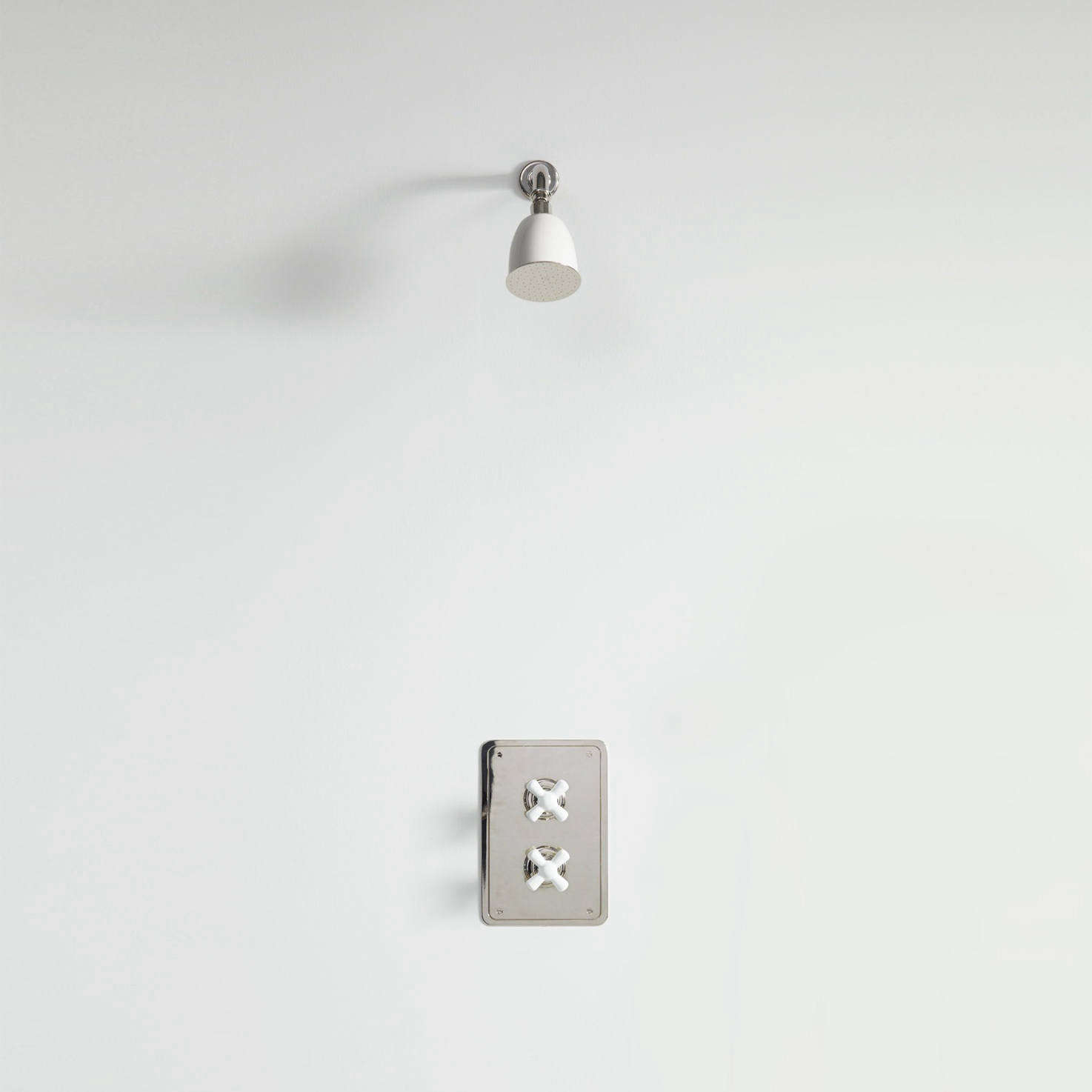
The Rockwell Concealed Shower Type A is what happens when classic bathroom design puts on a tailored jacket, combs its hair, and politely refuses to let ugly plumbing ruin the room. It is a wall-mounted shower fixture with a concealed thermostatic control, a shower arm, a shower rose, and the sort of vintage-inspired personality that makes a bathroom feel designed rather than merely assembled.
In a world full of chrome rectangles and “builder-grade mystery knobs,” the Rockwell Concealed Shower Type A stands out because it does two things at once: it hides the mechanical clutter inside the wall while showing off the charming parts you actually want to see. Think clean wall, elegant shower rose, distinctive crossheads, and a look that says, “Yes, I read design magazines, but I still know where the plunger is.”
This guide explores the design, features, installation considerations, style options, maintenance needs, and real-life experience of choosing a concealed shower like Rockwell Type A for a refined bathroom remodel.
What Is the Rockwell Concealed Shower Type A?
The Rockwell Concealed Shower Type A is a wall-mounted concealed shower fixture associated with The Water Monopoly’s Rockwell collection. Its core setup includes a wall-mounted shower arm, a shower rose, a concealed thermostatic control, and a shut-off valve mounted on a rectangular plate. The visible look is traditional, slightly nostalgic, and highly polished, while the working parts are designed to stay quietly behind the wall like a well-trained stage crew.
The word “concealed” is important. In a concealed shower system, the valve body and pipework are hidden inside the wall cavity. Only the functional trim, handles, plate, shower arm, and shower rose remain visible. This creates a cleaner finish compared with exposed pipe showers. If exposed showers are charming in a workshop-apartment kind of way, concealed showers are the calm, composed cousin who labels the spice jars.
Why Rockwell Type A Appeals to Design-Focused Bathrooms
The Rockwell Concealed Shower Type A is not trying to look futuristic. That is part of its appeal. It leans into a classic bathroom language: rounded forms, crosshead details, ceramic or metal accents, and a balanced wall-mounted silhouette. This makes it especially suitable for traditional homes, boutique hotel-style bathrooms, period restorations, and modern bathrooms that need warmth instead of another cold slab of minimalism.
Its strongest design advantage is restraint. The shower rose and arm provide a focal point, but the controls do not dominate the wall. Because much of the hardware is concealed, the bathroom feels more open and less visually busy. This matters in small bathrooms, where every visible pipe, bracket, and bulky fitting can make the space feel like it is wearing too many accessories.
Main Features of the Rockwell Concealed Shower Type A
Wall-Mounted Shower Arm and Shower Rose
The wall-mounted shower arm gives the fixture a clean, architectural placement. The shower rose provides the traditional overhead spray experience. Unlike handheld-heavy systems, Type A is more focused and straightforward. It is a good choice for people who want a handsome daily shower without turning the bathroom wall into a spaceship dashboard.
Concealed Thermostatic Control
A thermostatic shower valve helps maintain a steadier water temperature by blending hot and cold water. In practical terms, that means fewer unpleasant surprises when someone uses water elsewhere in the home. Nobody wants a shower that suddenly becomes a polar plunge or a soup kettle. A thermostatic setup is especially useful in family homes, guest bathrooms, and upscale remodels where comfort is part of the brief.
Rectangular Plate and Shut-Off Valve
The rectangular plate gives the control area a tidy, intentional appearance. It frames the visible hardware and contributes to the vintage-meets-tailored character of the fixture. The shut-off function adds practical control, helping users manage water flow without compromising the clean wall design.
Color and Finish Personality
One of the most charming parts of the Rockwell line is its use of color. Crossheads and shower roses may be available in metal or colored ceramic finishes, including playful shades such as white, black, green, blue, yellow, pink, red, gray, orange, and lilac-inspired tones depending on the configuration. This gives homeowners a rare opportunity to coordinate the shower with a basin, bath, wall tile, or even a single dramatic design accent.
Style Analysis: Classic, Colorful, and Surprisingly Flexible
The Rockwell Concealed Shower Type A works beautifully in bathrooms that celebrate traditional design, but it is not limited to old houses. In a modern bathroom, it can act as the “human” detail that softens sharp tile lines, floating vanities, and frameless glass. In a period bathroom, it looks right at home beside a pedestal sink, checkerboard floor, or freestanding tub. In a colorful bathroom, it can become the detail that ties the palette together.
For example, a white subway tile shower with dark grout can feel crisp but predictable. Add a Rockwell shower in a colored ceramic accent, and suddenly the space has a point of view. A powder blue shower rose can echo painted cabinetry. A green crosshead can connect with botanical wallpaper outside the shower. A black or chrome finish can keep the look restrained and elegant. The fixture is flexible because its form is classic, while its finish options allow personality.
Concealed Shower vs. Exposed Shower
Choosing between a concealed and exposed shower is partly about design and partly about construction. A concealed shower like Rockwell Type A hides the valve and pipework inside the wall. This gives a sleeker appearance and reduces visual clutter. It is often preferred in high-end renovations and design-led bathrooms.
An exposed shower keeps more pipework visible. That can be easier to install in some situations, especially where opening the wall is difficult or expensive. Exposed showers can also look fantastic in industrial, country, or heritage spaces. But if the goal is a clean wall, a boutique-hotel feel, and a more integrated finish, concealed usually wins the beauty contest. It is the difference between hiding the laundry before guests arrive and proudly displaying the entire laundry basket in the living room.
Installation Considerations Before You Buy
Wall Depth and Plumbing Access
Because this is a concealed system, wall depth matters. The valve and pipework need adequate space behind the finished wall. A professional installer should confirm whether the wall can accommodate the rough-in components, especially in masonry walls, older homes, or bathrooms where plumbing routes are already tight.
Water Pressure and Flow
Before selecting any shower system, confirm water pressure and flow rate. A beautiful shower rose still needs suitable plumbing behind it. Homes with low pressure may not deliver the luxurious spray users expect, while multi-outlet systems may demand more from the water supply. Rockwell Type A is comparatively straightforward because it centers on one shower rose, but pressure checks are still essential.
Thermostatic Valve Compatibility
Thermostatic systems are valued for comfort and temperature stability, but they should be matched properly with the home’s hot and cold supply. Installation should follow the manufacturer’s specifications and local plumbing code. In the United States, remodelers should also consider anti-scald requirements, water heater settings, and whether the showerhead or rose meets applicable flow standards.
Finish Coordination
The finish should not be chosen in isolation. Match or intentionally contrast it with towel bars, vanity hardware, lighting, mirror frames, and faucet finishes. Chrome is bright and classic. Polished nickel feels warmer and more traditional. Brushed nickel is softer and practical. Brass can look rich and old-world. A colored ceramic option adds charm, but it should connect with something else in the room so it feels deliberate rather than accidentally whimsical.
Water Efficiency and Daily Performance
Water efficiency is a major consideration in modern bathroom design. In the U.S., WaterSense-labeled showerheads are designed to use no more than 2.0 gallons per minute while still meeting performance expectations. Standard showerheads have historically used 2.5 gallons per minute, so choosing an efficient showerhead can reduce water and energy use over time.
When evaluating the Rockwell Concealed Shower Type A, homeowners should check the specific shower rose flow rate, local code requirements, and whether the chosen configuration aligns with their efficiency goals. The fixture may be chosen for style, but the best bathroom upgrades combine beauty with responsible performance. A gorgeous shower that wastes water like a broken garden hose is not luxury; it is a utility bill with decorative trim.
Best Bathroom Styles for Rockwell Concealed Shower Type A
Traditional Bathrooms
This is the natural home for Rockwell Type A. Pair it with marble tile, pedestal basins, framed mirrors, and classic wall sconces. The result feels timeless without becoming stuffy.
Vintage-Inspired Renovations
For homeowners restoring a period property, the fixture’s crosshead detailing and classic shower rose can support the original character of the home while still offering modern thermostatic comfort.
Colorful Boutique Bathrooms
If the bathroom includes colorful tile, painted trim, or patterned wallpaper, a colored Rockwell detail can make the shower feel custom. This works especially well in guest bathrooms and powder-room-adjacent shower spaces where personality is welcome.
Modern Classic Bathrooms
Rockwell Type A can also shine in a modern classic layout: clean stone, simple glass, restrained cabinetry, and one or two heritage-inspired fixtures. It adds softness without making the space feel themed.
Pros and Cons of Rockwell Concealed Shower Type A
Pros
The biggest advantages are visual elegance, classic styling, concealed plumbing, finish flexibility, and thermostatic comfort. It creates a more refined shower wall and can become a signature design feature. It is especially appealing for homeowners who dislike generic fixtures and want something with personality.
Cons
The main drawbacks are installation complexity, higher upfront cost, and the need for careful planning. Concealed systems are easiest to install during a remodel or new build, not after the tile is already finished. Access for future servicing should also be considered. In short, this is not the fixture you casually install on a Saturday between lunch and a hardware-store hot dog.
Maintenance Tips for Long-Term Beauty
To keep the Rockwell Concealed Shower Type A looking its best, wipe visible metal and ceramic parts regularly with a soft cloth. Avoid harsh abrasive cleaners that can damage finishes. If the shower rose develops mineral buildup, use a finish-safe cleaning method recommended by the manufacturer. In areas with hard water, routine cleaning is especially important because minerals love beautiful fixtures the way toddlers love white sofas.
Thermostatic valves may also need periodic servicing depending on water quality and usage. If temperature control becomes inconsistent, the cartridge or internal components may need inspection. Always use compatible replacement parts and qualified service professionals when working with concealed valves.
Buying Advice: Who Should Choose This Shower?
The Rockwell Concealed Shower Type A is best for homeowners, designers, and remodelers who care deeply about visual detail. It is not the cheapest route to a functioning shower, and it is not meant to be. It is a design-led fixture for bathrooms where the shower hardware contributes to the overall atmosphere.
Choose it if you want a classic wall-mounted shower with hidden plumbing, a traditional shower rose, and the option for charming color accents. Consider another configuration if you need a hand shower, multiple outlets, body sprays, or a simpler retrofit installation. Type A is elegant because it is focused. It does not try to do everything; it tries to do one thing beautifully.
Experience Notes: Living With a Rockwell Concealed Shower Type A
From a user-experience point of view, the Rockwell Concealed Shower Type A feels like a fixture chosen by someone who thinks the morning routine deserves a little ceremony. The first thing most people notice is the uncluttered wall. Because the valve is concealed, the shower area feels calmer and more spacious. This is especially noticeable in compact bathrooms where bulky exposed fittings can visually shrink the room.
The second experience is tactile. Crosshead controls have a very different emotional quality from flat modern levers. They feel deliberate. You turn them with the small satisfaction of operating something mechanical and well-considered. It is a tiny moment, but bathrooms are made of tiny moments: the towel hook in the right place, the mirror that does not fog instantly, the shower that does not punish you because someone started the dishwasher.
In daily use, the thermostatic control is the practical hero. A stable temperature makes the shower feel more premium, particularly in busy households. If children, guests, or older family members use the bathroom, predictable temperature control is not just a luxury detail; it is a comfort and safety consideration. The fixture’s classic shower rose also encourages a simple overhead shower experience. It is not overly complicated, which can be refreshing. Not every bathroom needs six spray modes, Bluetooth, and a control panel that looks prepared to launch a satellite.
Design-wise, the Rockwell Type A rewards careful planning. In one example, imagine a bathroom with white glazed tile, warm brass lighting, and a pale green vanity. Choosing green ceramic accents on the shower could make the whole room feel intentional. In another bathroom with black-and-white flooring, a chrome or black-accented Rockwell shower could keep the design crisp and graphic. The key is repetition: repeat the chosen color or finish at least once elsewhere so the shower does not look like it wandered in from a different renovation.
The main lesson from living with a concealed shower is that the decisions made before installation matter more than the ones made after. Valve placement, shower rose height, wall depth, tile thickness, and access planning should be settled early. A good installer will ask practical questions: Who uses the shower? How tall are they? Is the water pressure adequate? Where will the controls be easiest to reach without standing directly under cold water? These questions sound small, but they shape the daily experience.
Maintenance is straightforward if handled consistently. Wiping the rose and trim after use helps preserve the finish. In hard-water areas, mineral deposits can build up around spray holes and edges, so gentle cleaning becomes part of the routine. The reward is a shower that continues to look refined rather than tired. A Rockwell Concealed Shower Type A is not merely a plumbing choice; it is a long-term design commitment. Treat it well, and it can make an ordinary shower feel like the most civilized five minutes of the day.
Conclusion
The Rockwell Concealed Shower Type A is a strong choice for anyone who wants a bathroom fixture with classic charm, concealed functionality, and a refined wall-mounted presence. It combines vintage-inspired design with the everyday comfort of thermostatic shower control. Its appeal lies not in gadget overload, but in proportion, detail, and atmosphere.
For traditional bathrooms, boutique-inspired remodels, and modern classic spaces, Rockwell Type A can serve as the quiet centerpiece of the shower area. It hides the plumbing, shows the pretty parts, and brings a level of character that standard fixtures often lack. Just plan carefully, hire a skilled installer, confirm water pressure and code requirements, and coordinate finishes with the rest of the room. Do that, and this concealed shower can turn a daily rinse into a small design victory.