Note: This article discusses an anonymous online claim and should not be read as proof that any specific trade group, company, or individual engaged in wrongdoing. It also does not provide medical advice. Obsessive-compulsive disorder is a serious mental health condition, and anyone experiencing intrusive thoughts, compulsions, anxiety, or distress should speak with a qualified health professional.
The Internet Loves a Scandal, Especially When It Comes With Tofu
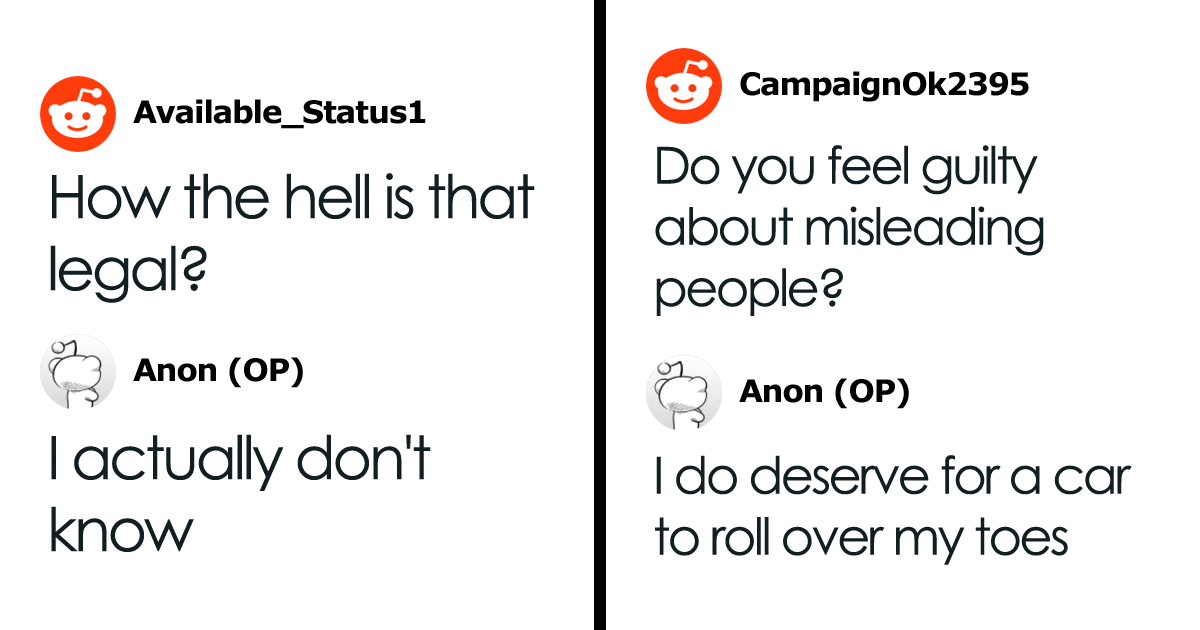
Every so often, the internet delivers a story so spicy that even the comment section pauses mid-argument to say, “Wait, what?” The claim behind the viral headline “Veganism caused him to have OCD” is one of those stories. According to an anonymous person online, they were allegedly hired to discredit veganism by pretending to be former vegans, exaggerating negative health stories, and stirring up conflict in vegan communities. In other words, the job description sounded less like marketing and more like “professional chaos goblin with Wi-Fi.”
The story spread because it taps into something many people already suspect: online food debates are rarely just about food. Veganism, meat eating, climate change, health, masculinity, animal welfare, personal freedom, and identity all get tossed into one digital blender. The result is a smoothie nobody ordered, but everyone is somehow arguing about.
At the center of this conversation is a dangerous claim: that veganism caused someone to develop OCD. That statement deserves careful handling. Vegan diets can be poorly planned, just like omnivorous diets can be poorly planned. Nutrient deficiencies can affect energy, mood, and overall health. But OCD is not caused by eating lentils, skipping steak, or choosing oat milk in your coffee. Obsessive-compulsive disorder is a recognized mental health condition involving recurring intrusive thoughts and repetitive behaviors or mental rituals that can cause major distress. Reducing it to “veganism did it” is not only scientifically sloppy; it is also unfair to people living with OCD.
What the Anonymous “Discredit Veganism” Claim Actually Says
The viral anonymous account claimed that a U.S.-based meat industry trade group paid people to post online in ways that made veganism look harmful, extreme, or ridiculous. The alleged tactics included creating multiple accounts, pretending to be vegans with dramatic health problems, posing as extreme activists, and planting stories that would be easy for anti-vegan audiences to mock.
One of the most eye-catching examples involved a supposed claim that veganism caused OCD. It is easy to see why such a line would travel fast. It is emotional, medical-sounding, and alarming. It also places the blame on a lifestyle choice that already triggers strong opinions. That is exactly how viral misinformation often works: it does not need to be carefully proven; it only needs to be memorable enough for people to repeat it before they check it.
To be clear, the anonymous post itself should be treated with caution. Anonymous confessions can be revealing, exaggerated, fabricated, or somewhere in the messy middle. But whether every detail is true or not, the story opens a useful conversation about how easily health fears can be weaponized in online debates about veganism and plant-based diets.
Why “Veganism Caused OCD” Is a Red Flag Claim
OCD is not a punchline, a personality quirk, or a synonym for liking a clean kitchen. It is a mental health condition involving obsessions, compulsions, or both. A person might experience intrusive fears about contamination, harm, morality, relationships, religion, or order. Compulsions may include checking, washing, counting, reassurance-seeking, mental reviewing, or avoidance. These behaviors are not simple preferences; they can take hours and interfere with daily life.
That is why the phrase “veganism caused him to have OCD” should immediately make readers slow down. A diet may influence general well-being. Poor nutrition can contribute to fatigue, irritability, brain fog, and mood changes. But a single diet choice should not be casually blamed for a complex psychiatric disorder. OCD is associated with multiple possible factors, including genetics, brain biology, stress, life events, and co-occurring mental health conditions. Claiming that veganism “caused” OCD skips the science and jumps straight into clickbait wearing a lab coat.
The Difference Between a Trigger and a Cause
Sometimes people confuse “this happened around the same time” with “this caused it.” Someone might become vegan during college, develop anxiety that year, and later assume the diet was responsible. But college also includes stress, sleep deprivation, identity changes, caffeine abuse, deadlines, social pressure, and the occasional breakfast that is just cold pizza eaten over a sink. Timing alone is not proof.
A lifestyle change can also become tangled with existing anxiety. For example, a person with obsessive fears about purity, contamination, harm, or moral responsibility might become highly rigid around food rules. In that case, veganism may not be the cause of OCD; the person’s OCD may be shaping how they practice veganism. That distinction matters.
Can a Vegan Diet Be Healthy?
Yes, a vegan diet can be healthy when it is well planned. A balanced vegan eating pattern may include legumes, tofu, tempeh, whole grains, nuts, seeds, fruits, vegetables, fortified foods, and appropriate supplements. Many people choose veganism for animal welfare, environmental concerns, health reasons, religious values, or simple personal preference. Some feel better after shifting toward more whole plant foods because they eat more fiber, less saturated fat, and more nutrient-dense meals.
However, “vegan” does not automatically mean healthy. French fries can be vegan. Soda can be vegan. A dinner made entirely of crackers, pickles, and panic can also be vegan, though it should not be nominated for a wellness award. Like any diet, vegan eating can be balanced or chaotic depending on food choices, access, knowledge, budget, and individual needs.
Nutrients Vegans Should Pay Attention To
The biggest nutrition concern for vegans is vitamin B12 because it is naturally found mainly in animal-derived foods. Vegans generally need reliable B12 sources such as fortified foods or supplements. Other nutrients that may require attention include vitamin D, iodine, calcium, iron, zinc, protein, and omega-3 fatty acids, especially DHA and EPA. None of this means veganism is dangerous by default. It means veganism works best when it is planned like an adult grocery list, not improvised like a midnight snack raid.
A practical vegan plate often includes beans or soy foods for protein, whole grains for energy, colorful vegetables for micronutrients, nuts or seeds for healthy fats, and fortified plant milks or supplements for nutrients that may be harder to get. People with medical conditions, pregnancy, eating disorder history, digestive issues, or restrictive eating patterns should consider working with a registered dietitian or clinician.
How Anti-Vegan Narratives Spread Online
Anti-vegan content often follows familiar patterns. The first is the “ex-vegan horror story,” where one person’s negative experience is presented as proof that veganism fails everyone. The second is the “extreme activist” stereotype, where the loudest or strangest example is used to represent millions of people. The third is the “mystery illness” claim, where vague symptoms are blamed on plants without discussing medical testing, diet quality, supplements, lifestyle, stress, or pre-existing conditions.
These narratives are effective because they are emotionally simple. “This diet needs planning” is boring. “A salad ruined his brain” is much more shareable, even if it belongs in the same evidence category as your uncle’s Facebook post about onions absorbing flu germs.
Food Identity Makes People Defensive
Food is personal. It is family, culture, budget, memory, comfort, religion, politics, health, and sometimes just the thing you eat while standing in front of the refrigerator at 11:42 p.m. When someone criticizes a diet, people often hear criticism of who they are. That is why vegan debates get heated quickly. A post about tofu can somehow become a referendum on masculinity, morality, capitalism, climate policy, and whether almond milk deserves rights.
This emotional charge makes food communities vulnerable to manipulation. A fake story does not need to convince everyone. It only needs to inflame the people already looking for proof that the other side is foolish, unhealthy, hypocritical, or secretly miserable.
What Readers Should Ask Before Believing a Viral Health Story
When a post claims that veganism caused OCD, depression, infertility, hair loss, or any other major health issue, ask a few basic questions. Is the person anonymous? Are there medical records or expert input? Did they mention what they actually ate? Were they supplementing B12? Were there other stressors? Did symptoms exist before the diet change? Is the story being shared by an account that regularly attacks one side of a culture-war issue?
These questions do not automatically prove the story false. They simply move the reader out of reaction mode and into thinking mode. The internet desperately needs more thinking mode. Reaction mode has already had too much coffee.
Look for Specifics, Not Drama
A credible health account usually includes context. For example, “I followed a restrictive vegan diet with very few calories, did not supplement B12, and later developed fatigue and numbness” is more useful than “veganism destroyed me.” Specifics help identify what may have gone wrong. Was it veganism itself, under-eating, nutrient deficiency, disordered eating, unrelated illness, stress, or a combination?
Likewise, positive vegan stories also need nuance. “I went vegan and cured everything” is not much better than “I went vegan and everything broke.” Human bodies are not vending machines where you insert kale and receive guaranteed enlightenment.
Balanced Veganism vs. Online Vegan Theater
One reason anti-vegan campaigns work is that online vegan spaces can sometimes become intense. Some communities encourage thoughtful meal planning, ethical discussion, and recipe sharing. Others reward purity tests, public shaming, and increasingly strict rules. The same is true of many diet communities, including keto, carnivore, raw food, fasting, and “clean eating” circles.
When food becomes a moral scoreboard, people can become anxious, isolated, or ashamed. That does not mean vegan ethics are bad. It means people need room to practice values without turning every meal into a courtroom drama. A sustainable vegan lifestyle should support health, compassion, and consistency, not produce fear every time someone discovers whey powder hiding in a cracker.
When Veganism Becomes Too Restrictive
Some people use veganism as a socially acceptable cover for restrictive eating. This is not the norm for all vegans, but it can happen. If someone’s diet becomes narrower and narrower, if they fear entire categories of food, if eating in public becomes impossible, or if they feel intense guilt after minor mistakes, the issue may go beyond ordinary vegan practice. In that situation, support from a dietitian, therapist, or physician can be important.
The healthiest version of veganism is not about being perfect. It is about making intentional choices while still living a full life. That includes eating enough calories, getting key nutrients, maintaining social connection, and not letting the comment section become your primary healthcare provider.
Why the Anonymous Story Still Matters
Even if the anonymous “paid to discredit veganism” story remains unverified, it matters because it reflects a larger reality: food industries, advocacy groups, influencers, and media outlets all compete to shape public opinion. Plant-based foods are a business. Meat is a business. Dairy is a business. Supplements are a business. Wellness content is definitely a business, and sometimes it wears linen pants while selling fear in a glass jar.
Consumers need media literacy because food marketing often borrows the language of science. Words like “natural,” “toxic,” “chemical,” “ancestral,” “clean,” and “processed” can be used honestly or manipulatively. A veggie burger may be processed. So is cheese, bread, yogurt, protein powder, deli meat, and the cereal that somehow turns milk neon. The real question is not whether a food has a label; it is what the food contributes to the overall diet.
How to Talk About Veganism Without Losing the Plot
A better conversation about veganism starts with honesty. Vegan diets can be nutritionally adequate and beneficial for many people. They can also be poorly planned. Some people thrive on them. Some people struggle. Some people leave veganism for health, cultural, financial, social, or personal reasons. None of these realities require fake horror stories or cartoon villains.
For vegans, the best response to anti-vegan misinformation is not rage-posting a 47-comment thread at 2 a.m. It is calm clarity. Acknowledge that B12 matters. Admit that planning helps. Share accessible recipes. Avoid shaming people who are curious but imperfect. For non-vegans, the best response is to avoid treating every vegan as a walking debate prompt. Sometimes a person eating chickpea curry is just eating lunch, not launching a congressional hearing.
Real-Life Experiences and Lessons From the Veganism Disinformation Debate
To understand why this topic hits such a nerve, imagine a few common online experiences. A young adult decides to try veganism after watching documentaries about animal agriculture. At first, they feel excited. They discover lentil soup, oat milk, tofu scramble, and the magic trick of making cashew cream taste suspiciously like something that should require a cow. Then they join an online vegan group hoping for recipes and support. Instead, they find arguments over whether honey is evil, whether secondhand leather is allowed, and whether accidentally eating a non-vegan cookie requires a public apology. Suddenly, a lifestyle rooted in compassion feels like a final exam with no answer key.
Now picture another person reading anti-vegan content. They have no interest in giving up meat, but they keep seeing dramatic stories: “My hair fell out,” “My anxiety exploded,” “My hormones crashed,” “Veganism caused OCD.” Some stories may come from real people who had real problems. Others may be exaggerated, missing context, or possibly invented. But the emotional effect is the same. The reader starts to associate veganism with danger, fragility, and extremism. They do not need a scientific review; they have a handful of scary anecdotes and a comment section cheering them on.
There is also the experience of the quiet, normal vegan who rarely appears in viral debates. This person takes a B12 supplement, eats enough food, gets bloodwork when needed, brings a decent dish to family gatherings, and does not scream at strangers in grocery stores. They may care deeply about animals and climate, but they also understand that persuasion works better with patience than with moral flamethrowers. Unfortunately, “local person eats balanced dinner and minds own business” is not a headline built for clicks.
Another common experience belongs to people with anxiety or OCD symptoms who become trapped in food fears. They may start with ethical veganism but gradually become consumed by checking labels, researching ingredients for hours, avoiding restaurants, or feeling intense guilt over accidental exposure to animal-derived ingredients. In such cases, the problem is not simply veganism. The problem may be untreated anxiety, OCD, perfectionism, social pressure, or a community that rewards rigidity. Compassionate support matters more than online blame.
Finally, there is the experience of readers trying to make sense of it all. They see one side saying veganism is the future and another saying it is a nutritional disaster. The truth is less dramatic and more useful: a vegan diet can work well when planned carefully, but it is not magic. Meat eating can be part of a healthy diet, but it is not automatically superior. Mental health conditions deserve evidence-based care, not culture-war explanations. And anonymous viral claims should be treated like hot tea: interesting, possibly revealing, but best handled carefully unless you enjoy getting burned.
Conclusion: Don’t Let Viral Claims Do Your Thinking for You
The story of a person allegedly hired to discredit veganism is fascinating because it exposes how fragile online trust has become. Whether or not every detail is accurate, the broader lesson is clear: health claims spread fast when they are emotional, identity-based, and easy to weaponize. “Veganism caused OCD” is exactly the kind of claim that deserves skepticism, nuance, and a deep breath.
Veganism is not a guaranteed path to perfect health, and it is not a guaranteed ticket to disaster. It is a dietary and ethical choice that requires planning, especially around nutrients like vitamin B12, vitamin D, iodine, iron, calcium, zinc, and omega-3 fatty acids. OCD, meanwhile, is a serious mental health condition that should not be reduced to a meme, a smear tactic, or a convenient argument against someone’s lunch.
The smartest position is not blind pro-vegan cheerleading or anti-vegan panic. It is informed curiosity. Ask for evidence. Watch for manipulation. Respect mental health. Plan your meals. And when an anonymous internet confession sounds too perfectly designed to confirm your existing beliefs, maybe pause before sharing it. The algorithm may be hungry, but you do not have to feed it junk.