Every so often, the internet produces a story that sounds like it escaped from a college dorm, wandered through a maker lab, and got approved by a committee made entirely of caffeine. “Hacker straightens own teeth” is one of those stories. It has everything: a broke student, a 3D printer, a stubborn smile, a dash of engineering bravery, and enough dental anxiety to make every orthodontist in America sit up straighter than a freshly aligned incisor.
The real-life headline centers on Amos Dudley, a digital design student at the New Jersey Institute of Technology who became internet-famous after creating his own clear plastic dental aligners. Instead of paying thousands of dollars for another round of orthodontic care, he used digital scanning, 3D modeling, printed dental molds, and vacuum-formed plastic trays to move his teeth over several months. The result looked impressive. The reaction from professionals? Somewhere between “that is clever” and “please, for the love of enamel, do not try this at home.”
This article explores the viral DIY orthodontics story, why it fascinated the tech world, what it says about 3D printing and health care costs, and why “hacker straightens own teeth” should be read as a cautionary innovation talenot a weekend project next to fixing your router.
The Viral Story: When a Smile Became a Maker Project
Amos Dudley had worn braces earlier in life, but like many former braces wearers, he did not keep up perfectly with his retainer. Teeth, being tiny bone-mounted troublemakers, slowly shifted. The movement was not extreme, but it bothered him enough that he found himself avoiding smiles. For many people, that feeling is painfully familiar. A small dental issue can become a big confidence issue, especially when the mirror starts acting like a rude group chat.
Professional orthodontic treatment can cost thousands of dollars in the United States, depending on the case, provider, treatment type, and region. Dudley did not have that kind of spare cash sitting around. What he did have was access to high-end digital fabrication tools through his university, experience with 3D design, and enough curiosity to ask a dangerous-sounding question: could he make his own clear aligners?
His project was not “printing braces” in the traditional metal-bracket sense. He did not glue wires to his teeth or twist hardware around like a villain in a dental horror movie. Instead, he studied how clear aligner systems work. These systems gradually guide teeth using a sequence of transparent trays, each one shaped slightly differently. Dudley created a set of dental models representing small tooth movements, then formed plastic aligners over those models.
How the DIY Aligners WorkedAt a High Level
To be clear, this is not a how-to guide. Teeth movement is a medical procedure, not a craft night. Still, understanding the general concept helps explain why the story went viral.
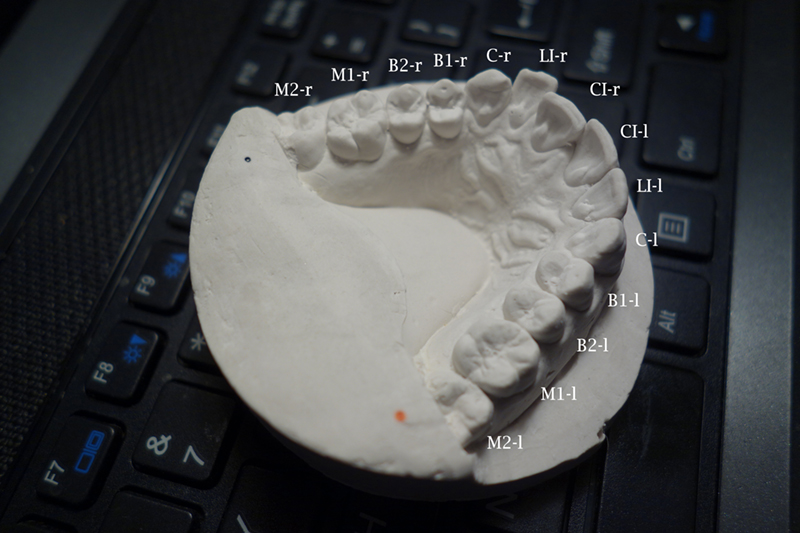
Dudley began by making a physical impression of his teeth, then created a dental cast. He scanned that model and used digital design software to plan a gradual shift in tooth position. After that, he produced a series of physical models and used thin plastic to make clear aligners. Each tray was designed to apply pressure to specific teeth, nudging them over time.
That may sound simple when summarized in a paragraph, the same way “flying an airplane is just steering with extra sky” sounds simple. In reality, orthodontic treatment involves biology, bone remodeling, gum health, bite mechanics, root positioning, and patient-specific risk factors. Professionals take X-rays, check periodontal health, evaluate jaw alignment, diagnose bite problems, and monitor progress. Dudley had technical skill and access to equipment, but he also admitted his success depended heavily on luck and favorable starting conditions.
Why the Internet Loved the Story
The story landed at the perfect cultural intersection: rising health care costs, 3D printing hype, maker culture, and the eternal human desire to beat an expensive system with a clever workaround. It felt like the dental version of hacking your old laptop into a space station. People admired the creativity. Tech publications praised the ingenuity. Readers saw a young designer turning frustration into a working prototype.
There is also something deeply satisfying about a person solving a personal problem with skill instead of surrender. Dudley saw a problem, studied it, built a solution, tested it, and got a visible result. In a world where many people feel trapped between high prices and limited access, that kind of story feels empowering.
But admiration should not become imitation. The line between “impressive engineering experiment” and “bad idea with dental consequences” is thinthinner than a discount aligner tray bought from a sketchy corner of the internet.
The Big Catch: Teeth Are Not Lego Bricks
The phrase “hacker straightens own teeth” makes the process sound like a software tweak. Move tooth A two millimeters, rotate tooth B, upload smile version 2.0. Unfortunately, the human mouth does not run on clean code. Teeth are connected to living tissue. They sit in bone. They have roots. They respond to pressure through biological remodeling. Move them too quickly, in the wrong direction, or without understanding the bite, and the damage can be serious.
Orthodontists warn that unsupervised teeth straightening can lead to gum recession, bone loss, bite problems, tooth looseness, root damage, pain, sensitivity, and in severe cases, tooth loss. The American Association of Orthodontists has repeatedly emphasized that moving teeth is a medical procedure, not simply a cosmetic tweak. The American Dental Association has also warned consumers about do-it-yourself orthodontic practices and the risks of moving teeth without proper diagnosis and supervision.
One of the scariest parts is that damage may not be obvious right away. A smile can look straighter while the bite becomes worse. A gap can close while gum tissue or bone support suffers. The front teeth can appear improved while molars no longer meet properly. In dentistry, “looks good in a selfie” is not the same as “healthy, stable, and functional.”
DIY Orthodontics vs. Professional Clear Aligners
Clear aligners are not inherently risky when used properly. In professional care, they can be effective for many mild to moderate orthodontic cases. Brands and systems vary, but the core idea is familiar: a patient wears a series of custom trays for most of the day, changing them on a schedule while a dentist or orthodontist monitors progress.
The important word is “monitors.” A professional does not simply look at crooked teeth and declare, “Tray time!” They check whether the patient is a good candidate. They look for cavities, gum disease, bone loss, impacted teeth, jaw issues, grinding habits, and bite complications. They may use X-rays, scans, photos, and exams to build a safe plan. During treatment, they can make adjustments if teeth do not move as expected.
That supervision matters because teeth are famously bad at following PowerPoint presentations. A digital plan may say a tooth should move neatly into position, but real mouths have roots, ligaments, habits, inflammation, and biology. Professional care gives the plan a human referee.
The Role of 3D Printing in Modern Dentistry
Dudley’s project also highlighted something genuinely exciting: 3D printing has transformed dentistry. Dental labs and clinics now use digital workflows for models, surgical guides, dentures, crowns, retainers, aligners, and treatment planning. Intraoral scanners can replace messy impressions in many offices. Software can simulate tooth movement. Resin printers can produce highly detailed dental models. The technology is real, powerful, and increasingly mainstream.
The lesson, however, is not that everyone should become their own orthodontist. The lesson is that digital fabrication can make professional dental care more efficient, precise, and accessible when used by trained providers. A 3D printer is a tool. So is a scalpel. Owning one does not automatically make you the person who should use it on your face.
In that sense, Dudley’s story was ahead of its time. It foreshadowed the rise of digital dentistry and the public’s hunger for lower-cost orthodontic solutions. It also foreshadowed the debate around mail-order aligners, remote dental monitoring, and consumer health tech that promises convenience but may reduce clinical oversight.
Why Cost Makes DIY Dentistry Tempting
It is easy to tell people not to DIY their teeth. It is harder to ignore why they consider it. Orthodontic care in the United States can be expensive, and dental insurance often provides limited coverage, especially for adults. For families, students, freelancers, and uninsured patients, the price of braces or aligners can feel less like a bill and more like a ransom note from the tooth fairy.
That financial pressure creates a market for shortcuts. Some people try rubber bands, online kits, fake braces, mail-order aligners, or social media “hacks.” Others delay care until minor issues become major ones. The demand is real because the affordability problem is real.
Still, the answer is not unsafe DIY orthodontics. A better path is to look for licensed dental schools, orthodontic residency programs, payment plans, community clinics, flexible financing, employer benefits, or consultations with multiple providers. Many orthodontic offices offer payment options, and some cases may not require the most expensive treatment plan. The safest bargain is still one that includes a real exam.
What Professionals Found So Concerning
Orthodontists were not upset because a student was clever. Many were impressed by the design work. The concern was that viral stories can flatten nuance. A headline that says “student makes braces for $60” may inspire someone else to grab rubber bands, craft wire, or cheap online materials without understanding the risks.
Dudley’s case had unusual conditions: technical expertise, access to university equipment, careful research, a limited movement goal, and likely favorable dental health. Even then, he was not conducting a full professional diagnosis on himself. The average person watching a short video online does not have those conditions. They may not know whether they have gum disease, short roots, bone loss, cavities, jaw problems, or a bite that could be made worse.
That is why experts keep repeating the same unglamorous advice: see a dentist or orthodontist before trying to move teeth. It is not as viral as a 3D printer montage, but it is much better for keeping your teeth attached to your head, which remains a popular lifestyle choice.
The Difference Between Innovation and Imitation
The smartest way to read this story is not as a tutorial but as a case study in innovation. Dudley identified a problem, researched existing systems, used available tools creatively, and documented the outcome. That is the spirit of hacking in its best sense: curiosity plus problem-solving.
But innovation becomes dangerous when people copy the surface without understanding the depth. Watching someone perform a backflip does not mean the sidewalk has certified you as a gymnast. Seeing one successful DIY aligner experiment does not mean homemade orthodontics is safe.
The better takeaway is that patients want affordability, transparency, and control. Dentistry and orthodontics can learn from that. People appreciate clear explanations, digital tools, visible progress tracking, flexible pricing, and treatment options that fit real life. The hacker story went viral because it exposed a gap between what people need and what many can afford.
What This Story Means for the Future of Dental Care
In the future, dental care will likely become more digital, more personalized, and more convenient. Intraoral scans may become routine. Artificial intelligence may help flag treatment risks. 3D printing may reduce lab delays. Remote monitoring may support some patients between visits. Clear aligners may become more precise. The future smile may come with fewer goopy impressions and more software updates.
But the best future is not one where patients are abandoned with plastic trays and optimism. The best future combines technology with professional care. A trained orthodontist using advanced tools can do what a motivated hobbyist cannot: diagnose the whole mouth, understand the biology, anticipate complications, and protect long-term oral health.
Dudley’s experiment showed what tools can do. Professional orthodontics shows what judgment can do. You need both if the goal is not just straighter teeth, but a healthy smile that lasts.
Practical Lessons From the “Hacker Straightens Own Teeth” Story
1. A straight smile is not only cosmetic
Teeth alignment affects bite, chewing, speech, cleaning, jaw comfort, and long-term oral health. A smile is visible, but the bite is the hidden machinery. Ignore it, and the machinery can protest.
2. Clear aligners require diagnosis
Aligners may look like simple plastic trays, but the treatment plan behind them is complex. The tray is only the final object. The real value is in diagnosis, planning, monitoring, and adjustment.
3. Cheap can become expensive
DIY orthodontics may look affordable at first, but complications can cost far more than proper treatment. Retreatment, gum therapy, restorations, and tooth replacement are not exactly budget-friendly souvenirs.
4. Technology is not a substitute for biology
Scanners, printers, and software are powerful, but teeth move through living tissue. Biology sets the rules. Technology can help, but it cannot cancel the rules like an unwanted subscription.
5. The best first step is a professional exam
If you are unhappy with your teeth, start with a licensed dentist or orthodontist. Ask about options, costs, risks, timelines, payment plans, and whether you are a candidate for aligners. A consultation is much safer than a mystery tray from the internet.
Additional Experience-Based Reflections on Hacker Straightens Own Teeth
The most interesting part of the “hacker straightens own teeth” story is not that a student made clear aligners. It is that the story makes people think, “I understand why he tried.” That emotional reaction matters. Many adults carry embarrassment about their teeth. They may cover their mouth when laughing, avoid photos, or smile with the careful restraint of someone trying not to reveal state secrets. Dental insecurity is not vanity. It can shape confidence, dating, job interviews, public speaking, and everyday social comfort.
Anyone who has gone through braces or aligners knows the process is not just clinical. It is personal. You become aware of your mouth in a way that feels almost ridiculous. You learn which foods betray you. Popcorn becomes suspicious. Coffee becomes a timing problem. You brush your teeth in office bathrooms and hope nobody enters during the foamy raccoon phase. You discover that retainers have a magical ability to disappear in napkins, hotel rooms, backpacks, and occasionally the jaws of pets who apparently prefer orthodontic plastic as a luxury snack.
That is why Dudley’s motivation feels relatable. He was not chasing some cartoon-perfect celebrity smile. He wanted to feel comfortable smiling again. That small phrase carries weight. A person who avoids smiling is not just avoiding a facial expression; they are editing themselves in real time. The promise of fixing that problem cheaply and privately is powerful.
But personal experience also teaches another lesson: teeth are humbling. They do not care about your confidence, your budget, or your spreadsheet. A tray that feels tight might be doing useful work, or it might be applying force in a risky way. Pain might be normal pressure, or it might be a warning. A tooth that looks straighter might have moved into a position that creates bite problems later. Without professional evaluation, the patient is guessingand the mouth is a terrible place to gamble.
A safe experience with orthodontics usually involves patience. There are scans, photos, exams, attachments, refinements, retainer checks, and moments when progress feels slower than a printer jam on deadline day. That process can be annoying, but it exists because controlled tooth movement takes time. Healthy alignment is not only about reaching the finish line; it is about reaching it without damaging the road.
The best “experience” lesson from this topic is therefore balanced. Be inspired by the creativity. Appreciate the engineering. Laugh at the wildness of a college student turning his mouth into a design project. But do not confuse inspiration with instruction. The smart move is to take that same curiosity into a professional consultation. Ask questions. Request explanations. Compare options. Understand the treatment plan. Use technology as a partner, not a substitute for care.
In the end, the hacker straightens own teeth story is less about dentistry rebellion and more about a larger truth: people want health care that is understandable, affordable, and responsive. When systems feel out of reach, people improvise. Sometimes the improvisation is brilliant. Sometimes it is dangerous. The future of orthodontics should learn from both sides of that equationmore access, more transparency, better technology, and no expectation that patients should become their own dental lab just to feel comfortable smiling.
Conclusion: A Brilliant Hack, Not a Blueprint
“Hacker Straightens Own Teeth” remains a fascinating internet story because it captures modern innovation in one unforgettable image: a student using 3D printing to solve a problem that traditional care made expensive. Amos Dudley’s experiment was creative, bold, and visually successful. It also came with risks that should not be ignored.
The real lesson is not “print your own aligners.” The lesson is that technology can reshape dentistry, but safe orthodontic care still depends on trained professionals. Clear aligners, digital scans, 3D printing, and smarter treatment planning are exciting tools. Used correctly, they can improve access and results. Used carelessly, they can turn a smile project into a medical problem.
So admire the hack. Respect the science. And if your teeth are staging a slow rebellion, do not fight them with rubber bands, random plastic, or internet courage alone. Talk to a dentist or orthodontist. Your future smileand your gums, roots, bite, and bank accountwill thank you.