Everyone has a fandom, even the person who says, “I’m not really into fandoms,” while owning three limited-edition vinyl records, a team jersey, and a mug shaped like a dragon egg. A fandom is not just something you like. It is something you return to, quote accidentally, defend passionately, and occasionally explain to confused relatives at dinner.
So, what do your fandoms reveal about you? More than you might think. Your favorite books, bands, sports teams, games, movies, anime, celebrities, creators, and fictional universes can hint at your values, personality, humor, emotional needs, creativity, social style, and even the kind of hope you carry around like a secret snack in your pocket.
This does not mean liking superheroes automatically makes you brave, or loving cozy fantasy means you are legally required to own a cardigan. Fandom is not a personality test with a cape. But it is a mirror. Sometimes it reflects who you are. Sometimes it reflects who you want to become. And sometimes it simply says, “This person would absolutely survive on fan theories, iced coffee, and dramatic season finales.”
What Is a Fandom, Really?
A fandom is a community built around shared enthusiasm. It may center on a TV show, sports team, musician, book series, video game, comic universe, podcast, celebrity, hobby, or cultural movement. The key word is shared. You can enjoy something alone, but fandom usually adds connection, conversation, creativity, and a sense of belonging.
Modern fandoms are also highly participatory. Fans do not just consume content; they remix it, analyze it, celebrate it, meme it, debate it, cosplay it, rank it, review it, and sometimes create emotional PowerPoint presentations about why a side character deserved better. Fandom turns entertainment into interaction.
Your Fandoms Reveal What You Value
The stories and communities you love often point toward the values that matter to you. A person drawn to superhero fandoms may admire justice, sacrifice, resilience, and the idea that ordinary people can do extraordinary things. A fan of mystery novels may value curiosity, logic, patience, and the deep satisfaction of saying, “I knew it,” three chapters before the detective did.
Fans of sports teams often reveal loyalty, tradition, shared identity, and emotional endurance. Let’s be honest: supporting some teams is less a hobby and more a character-building exercise with nachos. Music fandoms can reveal emotional depth, nostalgia, aesthetic identity, and a desire to feel understood by lyrics that somehow know your entire life despite being written by a stranger with better hair.
Your fandom choices are not random. They often connect to the themes that make you feel alive: friendship, rebellion, romance, transformation, humor, justice, survival, ambition, comfort, wonder, or belonging. In other words, the fandom you love may be the emotional neighborhood where your values feel most at home.
Fandoms Show How You Connect With People
Some fans are loud and social. They join forums, attend conventions, run group chats, create reaction videos, and treat comment sections like a second living room. Others are quieter. They read theories, save fan art, collect merch, or enjoy the community from a comfortable distance. Both styles count.
Your fandom behavior can reveal your social rhythm. Are you the organizer who gets everyone tickets? The researcher who knows every timeline inconsistency since 1998? The meme-maker? The emotional support fan who says, “No, your theory is valid, even if the writers are cowards”? These roles show how you participate in groups beyond fandom too.
The Community Builder
If you love creating spaces where fans can gather, you may be someone who values inclusion, conversation, and shared joy. You probably know how to make strangers feel welcome and how to turn a casual interest into a group activity.
The Deep Diver
If you read lore, interviews, production notes, stats, timelines, and fan theories, your fandom may reveal a love of mastery. You enjoy understanding systems. You are not satisfied with “because the plot said so.” You want evidence, context, and possibly a corkboard with string.
The Creative Fan
If you write fan fiction, draw fan art, make edits, cosplay, craft, or compose playlists, your fandom reveals imagination and emotional translation. You do not just watch the story; you continue it. You build a little extra room in the universe and put your own lamp there.
Your Favorite Characters Reveal Your Inner Compass
Favorite characters can be especially revealing. People often gravitate toward characters who represent something they admire, desire, fear, or recognize in themselves. The character you defend online at 1:13 a.m. may be carrying a small but important piece of your inner life.
If you love morally complicated characters, you may be drawn to nuance and redemption. You may believe people are more than their worst choices. If you love comic relief characters, humor may be one of your survival tools. If you love the quiet strategist, you might value intelligence over noise. If you love the chaotic gremlin character, congratulations: your soul has fireworks and questionable impulse control.
Fandom also gives people a safe way to explore identity. A character’s courage, style, vulnerability, independence, or outsider status may help fans name something in themselves. Sometimes the line “I just really relate to them” is doing the emotional labor of a small therapy session.
Fandoms Reveal How You Handle Emotion
Entertainment is not just entertainment. It can be comfort, escape, motivation, memory, and emotional rehearsal. People turn to fandoms when they need joy, structure, nostalgia, or a place to put feelings that are too big for ordinary Tuesday afternoon life.
Comfort fandoms reveal what soothes you. Maybe you rewatch a sitcom because the characters feel predictable and safe. Maybe you return to a fantasy world because real life has too many emails and not enough dragons. Maybe you follow a sports team because shared hope makes uncertainty easier to bear.
On the other hand, intense fandoms can reveal how strongly you attach to stories and communities. Feeling sad when a series ends, when a band breaks up, when a player is traded, or when a beloved creator retires is not silly. It means the fandom occupied a real emotional place in your routine. The feelings are real because the experience was real, even if the dragon was not.
The Type of Fandom You Love Says Something Too
Fantasy and Sci-Fi Fandoms
If you love fantasy or science fiction, you may be drawn to possibility. These fandoms often attract people who enjoy big questions: What makes a hero? What is freedom? Could society be different? Would I survive in space? Why does every chosen one have terrible work-life balance?
Sports Fandoms
Sports fandom often reveals loyalty, ritual, regional pride, and emotional stamina. Fans build identity around teams, traditions, rivalries, family memories, and the drama of live uncertainty. It is one of the few places where adults can yell at a screen and call it “community engagement.”
Music Fandoms
Music fandoms often reveal emotional sensitivity, aesthetic identity, and the need for connection through sound and lyrics. The artist you love may become part of your personal timeline: the album that got you through heartbreak, the concert that changed your summer, the song that still makes you stare dramatically out of a car window.
Anime, Gaming, and Comic Fandoms
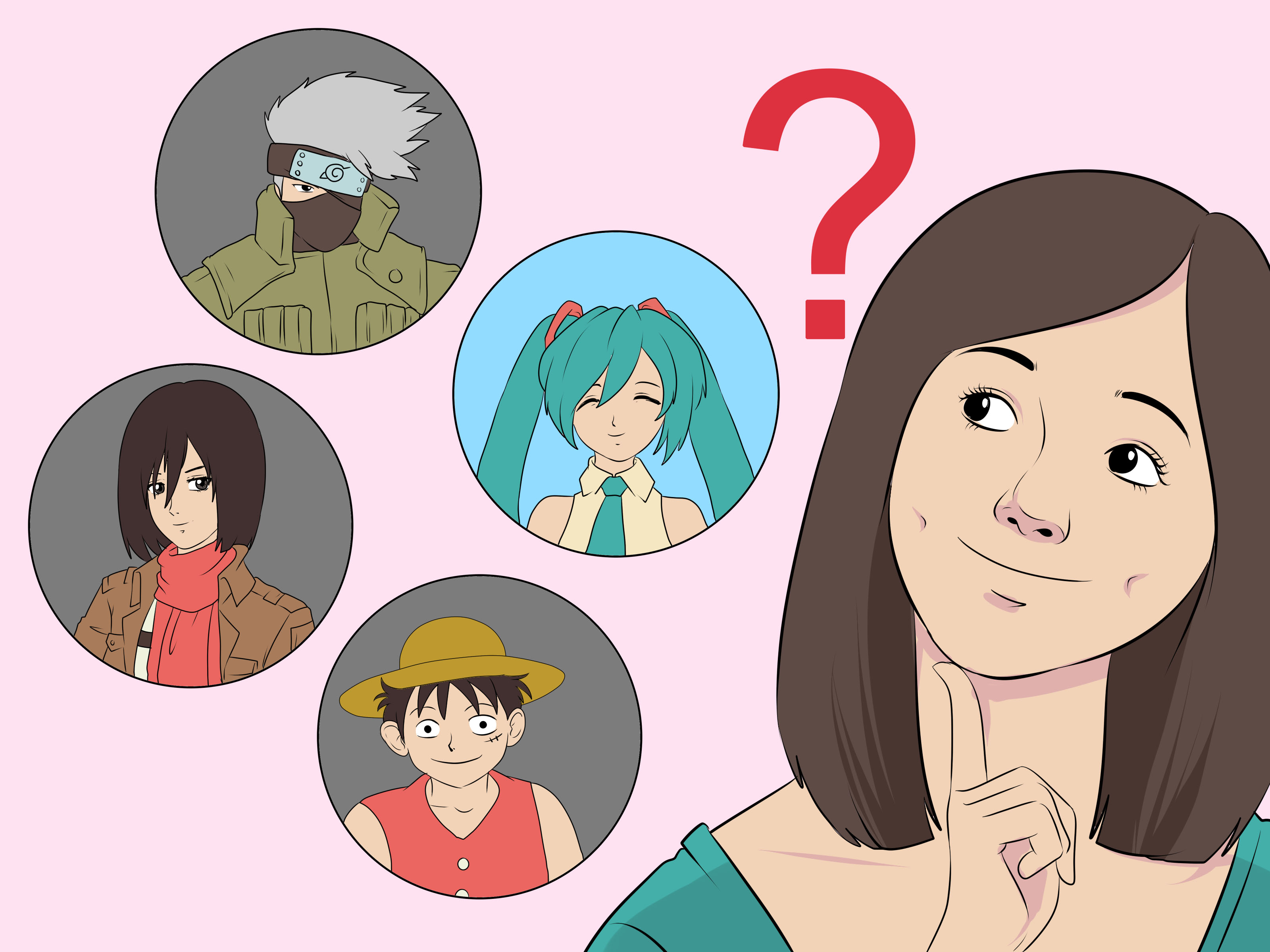
These fandoms often reveal imagination, visual creativity, problem-solving, humor, and a love of worlds with rules different from everyday life. Gamers may value agency and challenge. Anime fans may gravitate toward intense character arcs and emotional storytelling. Comic fans may love mythology wearing sneakers.
Reality TV and Celebrity Fandoms
Reality TV and celebrity fandoms can reveal curiosity about personality, status, relationships, fashion, conflict, and public performance. They are often less about “gossip” than people admit. They are miniature social laboratories with better lighting and suspiciously perfect cheekbones.
Fandom Can Reveal Your Need for Belonging
One of the biggest things fandom reveals is the human desire to belong. A fandom says, “You are not the only one who noticed that detail.” That sentence may sound small, but it is powerful. Shared enthusiasm makes people feel seen.
For many fans, especially people who feel isolated, misunderstood, shy, neurodivergent, queer, culturally displaced, or simply a little too enthusiastic for their immediate surroundings, fandom can become a place of recognition. It offers a shared language. Inside jokes become passwords. Memes become emotional shorthand. A favorite quote becomes a tiny flag that says, “My people are nearby.”
Fandom Also Reveals Your Boundaries
Not every fandom habit is healthy, and that matters too. Your fandom can reveal whether you know how to balance passion with perspective. Loving something deeply is wonderful. Treating every disagreement like a medieval siege is less charming.
Healthy fandom allows room for different opinions, respectful criticism, and real-life priorities. Unhealthy fandom may involve harassment, gatekeeping, obsessive comparison, spending beyond your means, or feeling personally attacked when someone dislikes your favorite character’s haircut. The goal is not to love less. The goal is to love with a functioning emotional steering wheel.
What Your Fandoms Do Not Reveal
Your fandoms do not reveal your entire personality. They do not define your intelligence, maturity, morality, or worth. A person can love horror movies and still be gentle. Someone can adore romance novels and still be practical. A fan of villains is not automatically suspicious, although their playlist may contain thunder.
Fandoms are clues, not verdicts. They show patterns of attention, affection, imagination, and identity. They are part of the story, not the whole biography.
How to Read Your Own Fandoms Like a Personality Map
To understand what your fandoms reveal about you, ask a few simple questions. What themes keep pulling you back? Which characters do you defend? What scenes make you emotional? Do you prefer underdogs, masterminds, rebels, caretakers, romantics, survivors, comedians, or world-builders? What kind of fan spaces make you feel safe?
Then look for patterns. If nearly every story you love involves found family, maybe belonging matters deeply to you. If you keep choosing ambitious antiheroes, maybe you are fascinated by power, confidence, and consequences. If your favorite fandoms are cozy, nostalgic, and low-conflict, maybe you use media as a nervous-system blanket. Respectable. Honestly, very efficient.
Experiences Related to “What Do Your Fandoms Say Reveal You?”
One of the most common fandom experiences is realizing that your “little hobby” has quietly become part of your identity. At first, you watch one episode, listen to one song, read one chapter, or catch one game. Then suddenly you know release dates, character birthdays, tour rumors, player stats, lore theories, and the emotional history of a fictional kingdom that does not appear on any known map. This is usually the moment a person discovers that fandom is not just entertainment. It is a relationship with meaning.
Many fans describe fandom as a confidence builder. Someone who is shy in daily life may become surprisingly bold when explaining a theory, performing cosplay, posting art, or cheering in a stadium. The fandom gives them a role to step into. It says, “Here is a place where your excitement is not too much.” That matters. In ordinary life, enthusiasm can be treated like an embarrassing volume problem. In fandom, enthusiasm is the electricity that keeps the lights on.
Another powerful experience is finding friends through fandom. Two people may have nothing obvious in common until one quotes a line, wears a pin, mentions a ship, or names a favorite album. Suddenly, the social door opens. Fandom creates shortcuts to connection because it provides shared language. You do not have to begin with small talk about the weather. You can begin with, “So, how emotionally damaged were you by the finale?” Much more efficient.
Fandom can also teach people about creativity. A fan who never thought of themselves as artistic may start editing videos, drawing characters, writing stories, making costumes, designing websites, building playlists, or analyzing themes. The original work becomes a spark, but the fan supplies the flame. This is one reason fandom can feel so personal. You are not only admiring a world; you are participating in it.
Of course, fandom can also reveal uncomfortable things. It may show how easily people compare themselves to others, how strongly they crave approval, or how quickly online groups can become intense. A person may learn that they need better boundaries after spending too many hours arguing with strangers about canon. Another may realize they are using fandom to avoid stress rather than recover from it. These are not failures. They are information.
Perhaps the best experience fandom offers is self-recognition. You may love a character because they are brave in the way you want to be brave. You may love a band because their lyrics give language to feelings you never explained. You may love a game because it rewards patience and strategy. You may love a sports team because it connects you to family, city, memory, and ritual. Fandom often reveals the parts of us that are waiting for a story big enough to hold them.
Conclusion: Your Fandoms Are Tiny Windows Into You
So, what do your fandoms reveal about you? They reveal what moves you, what comforts you, what makes you curious, what makes you laugh, what kind of people you admire, and where you go when you want to feel part of something bigger. They reveal your values, your imagination, your emotional patterns, your social style, and your favorite way to turn passion into connection.
Your fandoms do not trap you inside a label. They simply offer clues. They say, “Here are the stories, teams, artists, worlds, and communities that make this person light up.” And honestly, in a noisy world, knowing what makes you light up is not a small thing. It is a compass. Possibly a glittery one. Maybe limited edition.
Note: This article is original, rewritten in a natural editorial style, and designed for web publication without embedded source links or citation markers.