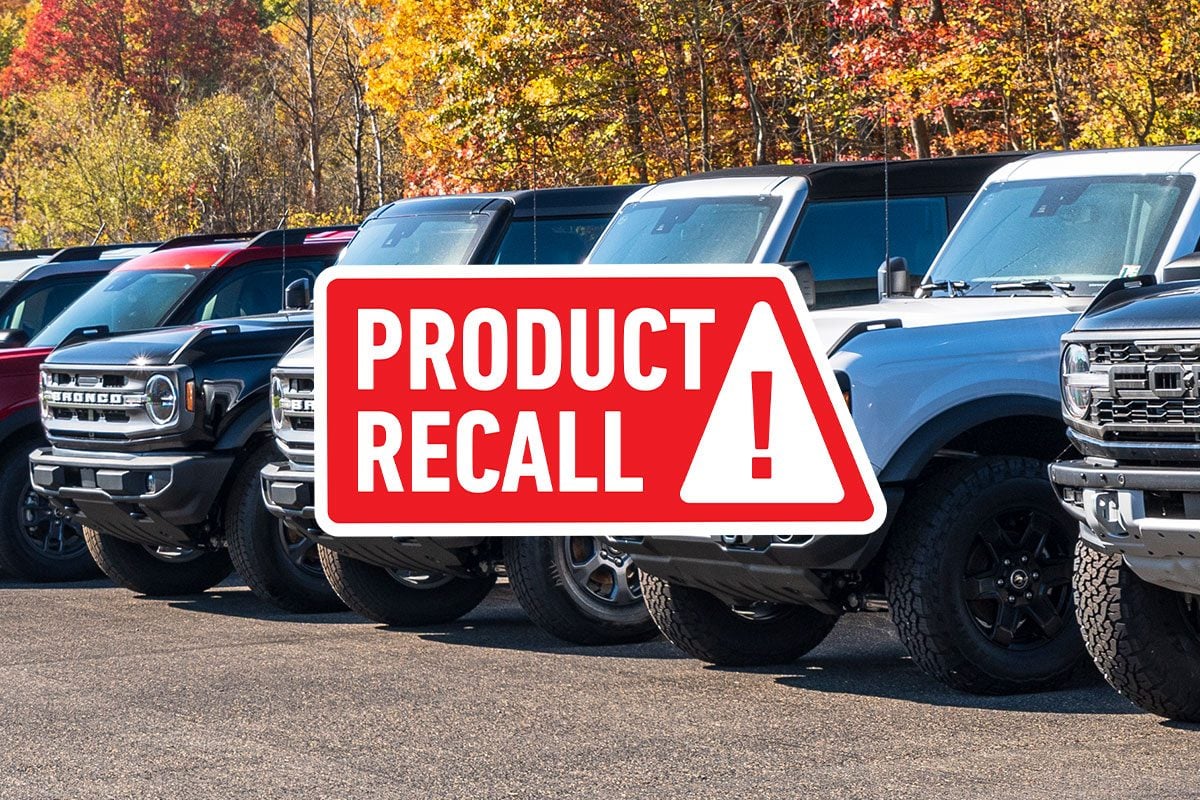
Big recall headlines have a habit of sounding like action-movie trailers, and this one is no exception. Ford has recalled 850,318 vehicles over a low-pressure fuel pump defect that can cause engine stalling while driving. That official number is not quite a million, but it is close enough that “nearly a million” has become the phrase doing donuts in the news cycle.
Under the splashy headline, though, this is a very real safety problem with very real consequences. When a fuel pump stops doing its one jobmoving fuel where it needs to gothe engine can sputter, lose power, or simply quit. And while nobody wants surprise drama on the highway, surprise drama caused by a failing fuel system is especially unwelcome.
This recall matters not only because of the size of the affected population, but because it reaches into some of Ford’s most recognizable nameplates. We are talking about F-150s, Broncos, Explorers, Mustangs, Super Duty trucks, Expeditions, and Lincoln models like the Aviator and Navigator. In other words, this is not some obscure model nobody has seen since 2G flip phones ruled the earth. These are high-volume vehicles that many Americans drive every day.
In this article, we will break down what the defect is, why Ford is recalling so many vehicles, which models are affected, what warning signs drivers should watch for, and what this latest recall says about quality control, consumer trust, and the headache-inducing reality of modern car ownership.
What the Ford Fuel Pump Recall Is Actually About
According to the recall information, the affected vehicles may lose fuel pressure and flow because the low-pressure fuel pump can fail. If that happens, the engine may not receive enough fuel, which can lead to poor performance and, in the worst-case scenario, an engine stall while driving.
That is the part that turns this from “annoying mechanical issue” into “serious safety concern.” A stalled engine in a driveway is frustrating. A stalled engine in moving traffic is a whole different story. It can reduce driver control, create sudden speed differences between vehicles, and increase the risk of a crash.
Ford has indicated that the defect appears to involve two related issues. One is internal contamination of the jet pump, especially in low-fuel conditions. The other is reduced internal clearances inside the fuel pump that can increase friction and sensitivity to vapor lock. That is a technical way of saying the component may not handle heat, fuel conditions, and internal tolerances as well as it should. And in the automotive world, “not as well as it should” is usually code for “you may want to avoid testing your luck on a 98-degree afternoon with the fuel gauge flirting with empty.”
Why This Recall Is So Large
Size is what makes this story impossible to ignore. The official recall total is 850,318 vehicles, and Ford estimates that roughly 10% of them may actually have the defect. Even so, when a recall covers that many vehicles, the issue becomes a major consumer story, a brand-management story, and a manufacturing story all at once.
The biggest chunk of the recall appears to involve the Ford F-150, which makes sense given how many of those trucks are on the road. The Ford Bronco is also a major part of the affected population. When a defect touches best-selling trucks and lifestyle vehicles with huge fan bases, it tends to travel fast through news outlets, dealership service departments, owner forums, and family group chats where somebody always types, “Wait… do we have that one?”
Ford’s internal investigation into the issue reportedly began back in September 2022 after the company saw increasing warranty claims and part returns related to fuel delivery modules. Ford later closed that investigation after supplier corrective actions seemed to reduce failure rates. But the concern did not stay buried. The National Highway Traffic Safety Administration opened a preliminary evaluation in 2024 after consumer complaints, and Ford revisited the issue in 2025 as claims rose again, especially in summer months and warm-weather states.
That timeline is important. It shows this was not a defect that appeared out of thin air on a random Tuesday. It developed over time, was studied, appeared to calm down, then returned loudly enough to force a large-scale recall. That is the kind of pattern that makes consumers uneasy, because it suggests a problem that was more stubborn than anyone wanted it to be.
Affected Ford and Lincoln Models
The recall spans several model years and vehicle categories. Affected vehicles include:
- 2021–2023 Ford Bronco
- 2021–2023 Ford Explorer
- 2021–2023 Lincoln Aviator
- 2021–2023 Ford F-250 Super Duty
- 2021–2023 Ford F-350 Super Duty
- 2021–2023 Ford F-450 Super Duty
- 2021–2023 Ford F-550 Super Duty
- 2021–2022 Lincoln Navigator
- 2021–2022 Ford Mustang
- 2021–2022 Ford F-150
- 2022 Ford Expedition
That list covers SUVs, pickups, performance cars, and luxury models. So this is not a recall aimed at one niche audience. It affects families, contractors, commuters, road-trippers, fleet users, and drivers who just wanted a Mustang because life is short and V8 therapy is real.
Warning Signs Drivers Should Not Ignore
Ford and federal safety documents say drivers may notice several symptoms before a full fuel pump failure occurs. These include rough running, misfiring, reduced engine power, and an illuminated check engine light. In plain English, your vehicle may start acting like it woke up on the wrong side of the bed.
Another key detail is that the problem may be more likely in low-fuel conditions or warm weather with hot fuel conditions in the tank. That does not mean every summer road trip is doomed. It does mean drivers of affected vehicles should stop treating the low-fuel warning like a casual suggestion from a friend who worries too much.
If the engine begins running poorly, hesitation appears under acceleration, or the check engine light turns on in an affected model, it is smart to take that seriously. Modern vehicles are good at pretending everything is fineuntil they are not. A rough idle today can become a no-start tomorrow.
The Most Frustrating Part: There Was No Fix Ready at First
One of the most maddening aspects of this story is that Ford launched the recall while the remedy was still under development. That is not unheard of, but it is not exactly soothing. Drivers received notice of a safety risk before the company had a finished repair plan ready to roll out.
From a safety perspective, that approach makes sense. If there is a known risk of engine stall, drivers deserve to know as soon as possible. From an owner perspective, however, it can feel like getting a weather alert that says a storm is coming, but the umbrella store is temporarily closed.
Owners were told they would receive an initial notification letter about the safety risk, followed by another letter once the remedy became available. The eventual repair is expected to be free, as recalls generally are. Still, the waiting period is the part that tends to aggravate people most. Nobody enjoys being told, “Yes, there may be a safety issue with your vehicle, and no, we cannot completely solve it for you this week.”
What Ford Owners Should Do Right Now
1. Check whether your vehicle is included
The first move is simple: confirm whether your exact vehicle is part of the recall population. Model year alone is not always enough, so a VIN lookup is the safest path.
2. Pay attention to symptoms
If your vehicle shows signs like rough running, reduced power, misfiring, or a check engine light, do not brush it off. Those are among the warning signs associated with the defect.
3. Avoid running the tank too low
Because the failure appears more likely in low-fuel conditions, keeping more fuel in the tank is a reasonable short-term precaution.
4. Stay in touch with your dealer
Once the remedy is ready, dealerships will be the front line for the repair process. Service departments may get busy quickly, especially in markets with a heavy concentration of F-150s and Broncos.
5. Do not assume silence means safety
Some recalled vehicles may never show symptoms. Others might. The point of a recall is not that every single vehicle will fail; it is that enough risk exists to justify action.
What This Recall Says About Ford’s Bigger Quality Problem
One recall does not define an automaker forever. But repeated large recalls absolutely shape public perception. Ford has spent the past few years dealing with a steady stream of recall headlines, and that matters because trust in the auto business is built less on commercials and more on whether people feel confident starting the ignition every morning.
This fuel pump recall also arrived during a period when Ford had already been issuing major recall actions in 2025. That broader context is hard to ignore. Consumers may forgive one defect. They are less forgiving when the headlines start to sound like an ongoing series.
To be fair, recalls are not proof that a company is uniquely reckless. In some cases, they show the system working. Problems get investigated, defects get documented, and repairs get ordered. That is better than denial, delay, or corporate shrugging. Still, from the owner’s perspective, the nuance is cold comfort. A recall handled responsibly is still a recall. Nobody frames the notice on the living room wall.
Why Fuel Pump Defects Feel Especially Serious
There is something uniquely unsettling about a fuel-related defect because it touches the basic promise of a vehicle: press the pedal, and the machine goes. When that promise becomes unreliable, trust erodes quickly. Drivers can tolerate a glitchy infotainment system. They can grumble through a camera issue. But a component that may cause sudden power loss is in a much more serious category.
Fuel pump problems are also tricky because they may not fail the same way every time. Sometimes the first signs are subtle. Sometimes they get worse in heat. Sometimes they surface after the tank gets lower than usual. That unpredictability makes the problem harder for drivers to dismiss and harder for service departments to explain without sounding like they are reading a weather forecast for your engine bay.
Conclusion
Ford’s recall of 850,318 vehicles over a low-pressure fuel pump defect is a major automotive safety story, and not just because the number is huge. It matters because the defect can cause engine stalls, because it affects some of Ford’s best-known vehicles, and because it lands in a broader environment where recall fatigue is becoming a real part of the ownership experience.
The silver liningif we can call it that with a straight faceis that the issue has been formally identified, reported, and pushed into the recall system. That gives owners a path forward, even if the process is inconvenient. The less cheerful truth is that this recall is another reminder that in today’s vehicles, tiny component problems can become giant headlines, giant service campaigns, and giant stress tests for consumer trust.
If you own one of the affected Ford or Lincoln models, this is not the moment for denial, procrastination, or the classic “I’ll deal with it after the weekend” strategy. Check the VIN, watch for symptoms, stay informed, and treat the recall like what it is: a safety issue, not a suggestion.
Owner Experience: What a Recall Like This Feels Like in Real Life
For many drivers, a recall like this does not begin with a dramatic breakdown on the side of the road. It starts with small, annoying signs that are easy to explain away. Maybe the engine feels slightly rough at idle. Maybe acceleration feels a little lazy one afternoon. Maybe the check engine light flickers on just as the driver is convincing themselves they definitely did not need one more thing on the to-do list this week.
That is part of what makes fuel pump recalls so frustrating. The experience can feel vague before it feels serious. A driver may wonder whether the issue is bad gas, hot weather, normal wear, or just a one-time hiccup. Then the recall notice arrives and suddenly all those weird little moments start to line up like suspects in a detective show.
There is also the emotional side of it. People buy vehicles with a simple expectation: they should start, run, and get the job done. When a recall involves engine stalling, the concern goes beyond inconvenience. Parents think about children in the back seat. Commuters think about freeway traffic. Small-business owners think about missed jobs, lost time, and the cost of having a truck that is supposed to work for a living but is now earning a side hustle as a source of anxiety.
The dealership experience can be another chapter in the story. Owners usually begin with a VIN check, then a phone call, then a conversation that often includes some version of, “Yes, your vehicle is affected, but the remedy is still pending.” That is rarely the answer anyone wants. It can leave drivers feeling stuck in an uncomfortable in-between stage: aware of the risk, but not yet able to fully resolve it.
In warm-weather states, the concern may feel even more personal because the recall documents specifically mention higher risk in hot conditions and low-fuel situations. That means some owners may start changing habits right away. They may top off the tank sooner, avoid long drives in peak heat, or watch the dashboard with the kind of intensity usually reserved for playoff games and suspicious text messages.
Then there is the trust issue. Recalls do not just affect the machine; they affect the relationship between driver and brand. Owners who love their Broncos, F-150s, Mustangs, or Explorers may still feel disappointed. They may still defend the vehicle while privately wondering why such a basic component turned into such a large problem. That mix of loyalty and irritation is common in recall situations. People can love what they drive and still be completely tired of hearing the phrase “under development.”
In the end, the real-life experience of this recall is not just about parts and paperwork. It is about uncertainty. It is about wondering whether a rough idle is nothing or something. It is about waiting for the second letter, the dealer appointment, and the all-clear. And most of all, it is about wanting the same thing every driver wants: a vehicle that does its job quietly, reliably, and without becoming the star of a recall headline.