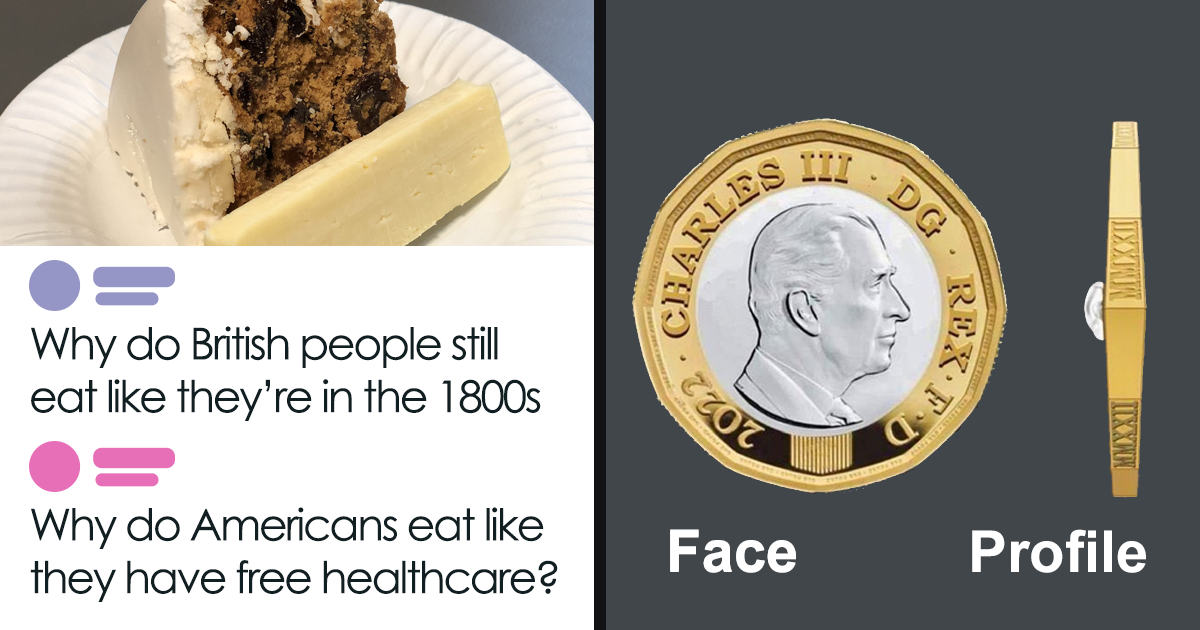
There are many ways to understand Britain. You could study its history, learn the rules of cricket, read Shakespeare, watch a royal ceremony, or attempt to decode why a grown adult can become emotionally attached to a particular brand of tea. Or, far more efficiently, you could scroll through out-of-context British pictures and let the confusion wash over you like rain at a bus stop in February.
The internet account known as No Context Brits has become a wonderfully chaotic window into everyday British life. Its formula is simple: collect strange, funny, painfully relatable, and aggressively British posts, pictures, signs, screenshots, and moments, then share them with little or no explanation. The result is a digital gallery where a supermarket notice, a train complaint, a weather joke, or a deeply unserious street scene can become comedy gold.
Why does it work so well? Because British humor often lives in the gap between what is said and what is meant. A straight face can hide a full emotional breakdown. A polite sentence can carry the force of a medieval cannon. A picture of a sad sandwich under fluorescent lighting can somehow explain an entire national mood. No Context Brits understands this language fluently.
What Is No Context Brits?
No Context Brits is a social media project built around British memes, viral screenshots, odd public notices, nostalgic references, dry jokes, and the kind of everyday absurdity that makes viewers laugh before asking, “Wait, is this real?” The account is best known for posting images and jokes without lengthy explanations, allowing the audience to supply the missing contextor to enjoy the fact that there may be no context at all.
That lack of explanation is the secret sauce. When a post is stripped of background information, it becomes funnier, stranger, and more universal. A picture of a queue forming for something nobody understands. A brutally honest sign in a corner shop. A rainy street scene that looks like it was filmed by a sad kettle. These things do not need a lecture. They need a caption, a raised eyebrow, and perhaps a biscuit.
The account’s popularity also says something bigger about the internet. Modern meme culture rewards speed, recognition, and shared emotion. People do not always want a polished essay; sometimes they want a screenshot that says, “Yes, that is exactly how my week feels.” No Context Brits delivers that feeling with a distinctly British flavor: self-deprecating, dry, slightly exhausted, and somehow cheerful about the disaster.
Why Out-Of-Context British Pictures Are So Funny
1. They Turn Ordinary Life Into Comedy
The best out-of-context British pictures rarely rely on glamorous settings. In fact, glamour would ruin the joke. The comedy often comes from the ordinary: a faded pub carpet, a chaotic train platform, a handwritten note in a shop window, a food item that looks both comforting and legally questionable. These images are funny because they are not trying too hard.
British humor has a long tradition of finding absurdity in everyday situations. The comedy is not always loud. It often sits quietly in the corner wearing a raincoat. A tiny inconvenience becomes a national tragedy. A poorly designed sign becomes a philosophical text. A person waiting for a bus in heroic silence becomes a symbol of civilization itself.
2. The Humor Is Dry Enough To Dehydrate You
American humor often explains the joke more directly. British humor, by contrast, may simply place the joke on the table, say nothing, and leave you to discover that the table is also part of the joke. This is why out-of-context British pictures travel well online. The humor is compact, deadpan, and highly shareable.
A funny British picture does not need to shout. It can whisper, “Well, that’s unfortunate,” while standing next to a flaming bin. The understatement makes the absurdity stronger. The less dramatic the reaction, the funnier the situation becomes.
3. Self-Deprecation Is Practically A National Sport
One reason these pictures feel so charming is that they rarely present Britain as perfect. Quite the opposite. They lovingly showcase the weird, shabby, awkward, rainy, and occasionally unhinged details of daily life. That self-deprecating tone is essential. The joke is not “look how ridiculous they are.” It is more like “look how ridiculous we all are, and please pass the crisps.”
This makes the content feel warm rather than cruel. The best posts do not punch down. They invite everyone into the same messy joke. Whether the subject is bad weather, confusing slang, public transport, chip-shop loyalty, or the emotional importance of a proper cup of tea, the humor works because it feels affectionate.
The Cultural Ingredients Behind The Laughs
Tea, Weather, Queues, And Emotional Restraint
British culture has several recurring comedy ingredients, and No Context Brits uses them beautifully. Tea is never just tea; it is a coping mechanism, a peace treaty, a personality trait, and sometimes a substitute for professional help. Weather is not just weather; it is a shared enemy and a conversational safety blanket. Queues are not merely lines; they are a sacred social contract.
Then there is emotional restraint, perhaps the most meme-friendly ingredient of all. A British person may experience intense inconvenience and respond with, “Bit annoying, that.” Online, that tiny phrase can carry the emotional weight of a three-act drama. Out-of-context pictures capture this tension perfectly: chaos in the frame, calm in the tone.
Public Signs With Unintentional Comic Timing
Public signs are among the finest raw materials for British internet humor. A stern warning on a village noticeboard. A passive-aggressive message taped to a workplace fridge. A shop sign with wording so specific it suggests a long and terrible backstory. These signs are funny because they sound official while revealing very human frustration.
Out of context, a sign becomes even better. Viewers do not know what happened before the note was written, which means the imagination gets to run wild. Who caused the problem? How many times did it happen? Why does the sign sound like it was written by someone one spilled tea away from becoming a supervillain?
Food That Tells A Story
British food is another reliable source of internet comedy, partly because it is often misunderstood and partly because it can look extremely dramatic under bad lighting. A full English breakfast, a sausage roll, a jacket potato, beans on toast, or a suspiciously beige plate can trigger fierce debate. Is it delicious? Is it beautiful? Is it both? Is it neither? The answer depends on who you ask and how hungry they are.
In out-of-context British pictures, food often becomes a character. A lonely sandwich on a train. A heroic portion of chips. A meal that seems designed to comfort someone after a minor administrative disaster. These images are funny because they combine pride, nostalgia, and visual chaos.
Why The “No Context” Format Works So Well Online
The “no context” format is one of the internet’s most efficient comedy machines. It removes setup and lets the audience do the work. Instead of explaining why something is funny, it presents an image or sentence so oddly specific that the brain rushes to fill in the missing story. That mental jump is where the laugh happens.
It also makes the content easy to share. A good out-of-context post can cross borders because the basic feeling is universal. You may not understand every British reference, but you can understand public embarrassment, bad weather, awkward politeness, petty rules, confusing signs, and the desperate need for a snack. The cultural details make it British; the emotional core makes it global.
This is especially important in today’s social media environment, where people scroll quickly and decide within seconds whether to engage. A strange picture with a sharp caption can stop the scroll faster than a long explanation. It gives users a tiny puzzle, a joke, and a cultural postcard all at once.
How No Context Brits Became A Social Media Comfort Scroll
Part of the appeal of No Context Brits is that it feels like comfort content for people who enjoy chaos at a safe distance. The posts are usually bite-sized, familiar, and easy to understand emotionally, even when the details are deeply British. You do not need to know every reference to enjoy the mood.
For British audiences, the account can feel like a mirror. Not a polished mirror in a luxury hotel, but a slightly foggy mirror above a pub sink that somehow tells the truth. It reflects the details people recognize: the local shop, the tired train, the suspicious weather, the strange joke from school, the snack nobody can properly explain but everyone defends with passion.
For American audiences, the account works almost like cultural tourism. It offers a glimpse into Britain without requiring a passport, a plug adapter, or the courage to drive on the left. The posts can make the UK feel both familiar and delightfully alien. You recognize the human behavior, but the packaging is different enough to be funny.
Examples Of The Kind Of Humor That Makes These Pictures Work
The account’s style often includes several recognizable types of posts. One classic category is the absurd public notice: a sign that appears to solve a problem nobody outside the situation can imagine. Another is the weather-based emotional report, where rain, wind, or gray skies become the punchline. Then there are nostalgia posts, which turn old snacks, school memories, television moments, or high-street references into instant community bonding.
There are also posts that thrive on linguistic confusion. British slang can sound musical, threatening, affectionate, or completely invented depending on the phrase. Words and expressions that are ordinary in the UK can look wildly theatrical to American readers. That difference gives the jokes extra energy.
Finally, there is the great British art of polite hostility. A message may look calm, but beneath it lies thunder. A note saying “Please refrain from doing this again” can feel more intense than a courtroom verdict. Out-of-context pages love this tone because it is both civilized and feral, like a fox wearing reading glasses.
The Bigger Meaning Behind The Memes
It would be easy to dismiss these posts as simple internet nonsense. To be fair, some of them absolutely are nonsense, and that is part of their beauty. But meme pages also reveal how people build identity online. Shared jokes create tiny communities. When thousands of people laugh at the same strange image, they are also agreeing on a shared feeling: “This is us,” or “This is how life is,” or “I cannot explain why this is funny, but it has improved my day.”
No Context Brits succeeds because it curates a mood, not just a list of jokes. The mood is nostalgic, sarcastic, tired, affectionate, chaotic, and resilient. It captures a version of Britain that is not polished for tourism brochures. There are no sweeping drone shots of castles here. Instead, there may be a suspicious pigeon, a damp pavement, and a sign that sounds like it has given up on humanity.
That honesty is refreshing. In a digital world crowded with perfect travel photos and highly edited lifestyles, out-of-context British pictures feel oddly real. They remind viewers that ordinary life is already funny if someone frames it the right way.
Why Americans Love This Kind Of British Humor
American audiences have long enjoyed British comedy, from classic sketch shows to modern panel-show clips and viral social media posts. The appeal often comes from contrast. British humor can feel more understated, more sarcastic, and more comfortable with awkwardness than mainstream American comedy. It does not always chase a punchline; sometimes it lets discomfort simmer until everyone starts laughing.
For U.S. readers, No Context Brits offers an easy entry point into that style. You do not need to understand every local reference. You can still enjoy the rhythm: the understatement, the wordplay, the deeply serious treatment of minor inconveniences, and the refusal to pretend life is more glamorous than it is.
There is also a cozy absurdity to it. British pictures often combine old and new, formal and ridiculous, polite and chaotic. A centuries-old cultural tradition may collide with a modern meme format. A grand phrase may describe a tiny problem. A person may treat a broken vending machine with the seriousness of a national emergency. That contrast is irresistible online.
Experience Section: What It Feels Like To Scroll Through Out-Of-Context British Pictures
Scrolling through out-of-context British pictures feels less like browsing memes and more like wandering into a town you have never visited, overhearing half a conversation, and somehow understanding the emotional stakes. At first, you may feel confused. Why is everyone laughing at a sign about bins? Why is a sandwich being treated like a tragic hero? Why does a sentence containing the word “mate” suddenly sound like both a greeting and a threat?
Then the rhythm clicks. You begin to notice the patterns. The humor is not random; it is observational. The pictures take small, ordinary details and frame them as evidence of a larger national personality. A rainy window becomes a mood. A queue becomes a moral system. A cup of tea becomes emergency infrastructure. A badly worded announcement becomes poetry, if poetry wore a high-visibility vest.
One of the most enjoyable experiences is realizing how much comedy lives in restraint. Many cultures respond to chaos with big emotion. British humor often does the opposite. The bigger the disaster, the smaller the reaction. That contrast creates a delicious comic tension. A scene may look completely absurd, while the implied response is simply, “Not ideal.” Those two words can carry more comedy than a paragraph of shouting.
Another pleasure is the feeling of cultural discovery. For American readers, these posts can introduce small details of UK life that travel guides rarely cover. You may learn that snack loyalty can be intense, that public transport complaints are practically literature, and that a handwritten sign can contain more drama than a streaming-service finale. The images are funny, but they are also tiny lessons in everyday culture.
For British readers, the experience is different but just as satisfying. Instead of discovery, there is recognition. The joke is funny because it feels familiar. You have seen that kind of sign. You have stood in that kind of weather. You have encountered that exact level of polite annoyance in a shop, a school, a workplace, or a group chat. The account turns ordinary shared experience into a public laugh.
The best part is that the humor is low-pressure. You can enjoy one post in three seconds or fall into a long scroll and emerge twenty minutes later with no clear memory of how you got there. It is comfort scrolling with a sarcastic accent. It does not demand deep analysis, but it rewards it. Beneath the jokes, there is a warm sense that life is ridiculous for everyone, so we might as well laugh before the kettle boils.
That is why out-of-context British pictures keep working. They are quick, weird, human, and oddly generous. They let people laugh at inconvenience without pretending inconvenience is the end of the world. They celebrate the tiny failures and strange rituals that make daily life memorable. And in a world where everyone is trying very hard to look perfect online, there is something genuinely refreshing about a meme account that says, “Here is a bizarre sign, a gray sky, and a suspicious plate of food. Enjoy.”
Conclusion: The Bloody Funny Power Of Context-Free Britain
No Context Brits proves that comedy does not always need a setup, a stage, or a perfectly polished punchline. Sometimes all it needs is a strange picture, a dry tone, and a shared understanding that life is deeply silly. The account captures British humor at its most internet-friendly: sarcastic, self-aware, nostalgic, and proudly weird.
Out-of-context British pictures are funny because they make everyday life feel theatrical. A shop sign becomes a monologue. A rainy street becomes a national symbol. A snack becomes a personality test. A tiny inconvenience becomes a community event. Whether you are British, American, or simply someone who appreciates a well-timed bit of absurdity, these posts offer a reminder that humor is everywhere if you know how to look.
And if you do not know how to look, do not worry. The internet has kindly collected the pictures for you. Very considerate, really. Almost suspiciously polite.