There was a time when getting a package felt rare and slightly ceremonial. Someone had to remember your birthday, a catalog had to tempt you, and a delivery had to cross town without getting lost in a paper shuffle. Now a parcel can appear at your door because you bought dish soap at 11:48 p.m., panicked about your skin barrier at 12:07 a.m., and decided you absolutely needed a cable organizer before sunrise. Modern life has turned parcels and packages into tiny events, and apparently, we have all agreed to be emotionally available for them.
That is what makes this current obsession so interesting. Packages are not just cardboard boxes with suspicious amounts of tape. They are proof of convenience, symbols of taste, little dopamine cubes with tracking numbers. They represent speed, choice, anticipation, and occasionally the humbling realization that you did not need another beige storage basket no matter how “life-changing” the product photos looked.
In the age of online shopping, parcels have become part of our daily rhythm. We check for shipping confirmations the way previous generations checked the weather. We watch tracking updates move from “label created” to “out for delivery” as if the package itself were a contestant in a reality show. We celebrate arrival, complain about delays, and then recycle the box while pretending this entire emotional arc was perfectly normal behavior.
Why Parcels and Packages Became a Lifestyle, Not Just a Delivery
The obsession starts with convenience, but it does not end there. A package is useful, yes, but it is also theatrical. It comes with suspense. It comes with timing. It comes with a story. You clicked a button, and now a real object is crossing warehouses, trucks, routes, and front porches to get to you. That journey gives shopping a second act.
In many ways, parcels have become the visible side of digital life. Online shopping is invisible until a box lands on your doorstep. That box is the physical proof that your late-night browsing was not just scrolling. It became a thing. A tangible thing. A thing in your hallway, your entryway, your recycling bin, and occasionally your conscience.
Tracking Turned Waiting Into Entertainment
One reason packages feel so compelling is that carriers and retailers no longer treat delivery as a mystery. They treat it as a live feed. Customers can preview incoming mail, monitor shipment progress, reroute deliveries, request holds, and receive delivery notifications on their phones. Waiting used to be dead time. Now it is a dashboard.
That changes the psychology of shopping. Once you can track a package in real time, waiting stops feeling passive. It becomes participation. You are no longer just hoping your order arrives sometime next week. You are watching it move, speculating about the delay in Ohio, reading far too much into the phrase “arriving today by 9 p.m.,” and acting surprised when 8:57 p.m. suddenly feels dramatic.
Unboxing Became a Form of Content
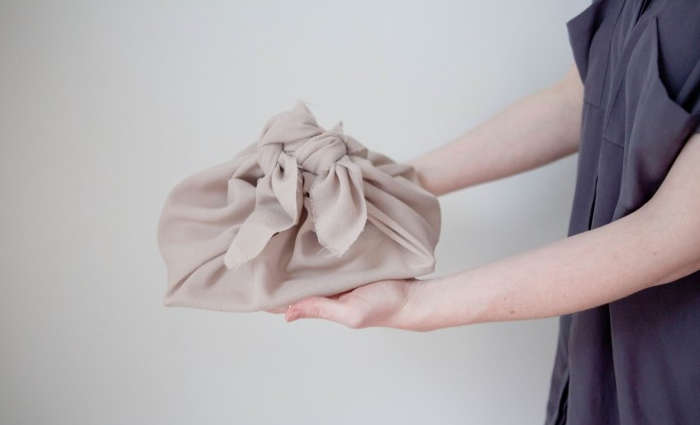
Packages also benefited from the internet’s favorite hobby: making ordinary things look cinematic. Unboxing videos trained us to see packaging as part of the product. Tissue paper, brand stickers, custom inserts, magnetic flaps, neat folds, and tiny thank-you cards all started doing emotional labor. The box was no longer just protection. It was stage design.
Even now, when consumers claim they care only about value, speed, and quality, presentation still matters. A well-packed order feels competent. A thoughtfully packed order feels personal. A badly packed order feels like someone lost a fight with bubble wrap and sent the evidence to your house.
The Emotional Life of a Package
Every parcel carries more than a product. It carries expectation. That is why one small delivery can generate a ridiculous amount of emotion for something that, in many cases, turns out to be socks.
Phase One: Checkout Optimism
At checkout, every purchase feels like a smart purchase. This candle will improve the mood of the entire apartment. This pantry bin will finally organize your life. This one oddly specific kitchen gadget will absolutely become part of your personality. The parcel begins as a promise.
What makes online shopping powerful is not just access to products. It is access to imagined futures. We do not only buy items; we buy better mornings, cleaner counters, calmer closets, shinier hair, more productive desks, and neater cable situations. The package becomes a delivery vehicle for a slightly improved version of ourselves.
Phase Two: Tracking Obsession
Then comes the middle chapter, which is less glamorous and much more revealing. This is when people pretend not to care while checking the tracking page six times before lunch. Tracking updates are tiny emotional weather reports. “Shipment received” is hope. “Delayed in transit” is betrayal. “Out for delivery” is a productivity killer.
There is something almost comical about how quickly a person can become deeply invested in the location of an item they forgot they ordered three days ago. But that is the genius of parcel culture. Packages insert anticipation into ordinary life. A Tuesday becomes a little more exciting when your order is somewhere between a sorting facility and your driveway.
Phase Three: Arrival and Judgment
Once the package arrives, the ritual shifts again. You inspect the condition of the box. You open it with the seriousness of an archaeologist. You evaluate whether the product looks like the photos. Then, within minutes, you place the item into one of three categories: immediate success, instant return, or “let me sit with this.”
That last category is where a surprising amount of modern shopping lives. Not terrible. Not amazing. Just emotionally undecided and leaning toward the return label.
What Packages Reveal About Modern Shopping Habits
If you want to understand consumer behavior, do not just look at what people buy. Look at how they expect it to arrive. Delivery has become part of the product. Speed matters, but so do visibility, flexibility, and the ability to fix things when plans change.
Today’s shoppers do not simply want a package. They want updates, options, predictable windows, photo confirmation, easy rerouting, and simple returns. A smooth delivery can make a brand feel trustworthy. A messy one can make a great purchase feel annoying by association. That is why the last mile has become one of the most important moments in the customer experience.
Packages also reveal how blurred the line is between practical shopping and recreational shopping. Some parcels are necessities. Others are aspirational impulses wearing responsible shoes. A shipment of printer ink and vitamins says one thing about modern life. A shipment containing a ceramic mushroom lamp, a skincare headband, and a drawer divider set says something much more entertaining.
Returns Are Part of the Package Story
Any honest conversation about parcels and packages has to include returns. Easy returns have trained consumers to treat checkout as less final than it used to be. In many categories, especially apparel, home goods, and beauty, the package arriving at your home is no longer the end of the purchase. It is the fitting room, the test drive, the audition.
This is convenient for consumers, but it also creates a strange loop. The same parcel that delivered delight may soon become a reverse shipment stuffed with regret, resealed with too little tape, and dropped off with a sigh. In other words, modern package culture includes both excitement and exit strategies.
The Less Charming Side of Parcel Obsession
Of course, not everything about this package-driven lifestyle is adorable. For every satisfying unboxing, there is a tower of cardboard in the corner, a stolen delivery, an overcrowded porch, or a hallway that looks like it belongs to a very disorganized shipping manager.
Porch Piracy Is the Villain Nobody Asked For
When deliveries become constant, security becomes part of the conversation. A package on a doorstep is convenient for the buyer, but it is also an invitation for trouble if the drop-off area is exposed. That is why consumers increasingly think about delivery boxes, smart doorbells, hold-for-pickup options, lockers, and location changes. Package obsession has, in a very unglamorous twist, made the front porch a logistics zone.
Nothing ruins the joy of delivery faster than the sentence, “It says it was delivered.” That phrase has become the modern equivalent of a suspense soundtrack. Suddenly you are checking side doors, peeking behind planters, texting roommates, and developing a detective’s relationship with your front step.
Cardboard Multiplies With Terrifying Confidence
Then there is the packaging itself. Cardboard is useful, protective, and widely recyclable, but frequent ordering still creates visible waste. Boxes arrive with packing paper, padded mailers, plastic film, product inserts, labels, and air pillows that seem to reproduce when left unsupervised. The more package-heavy your household becomes, the more your home starts auditioning for a role as a temporary recycling center.
That does not mean parcels are inherently bad. It means convenience has a footprint. Smart consumers are getting more attentive about consolidating orders, reusing boxes, flattening cardboard quickly, and noticing when fancy packaging crosses the line from charming to excessive. A package should make you feel delighted, not like you have adopted an entire bin day by yourself.
Entryways Are Quietly Losing the War
There is also the domestic side effect nobody talks about enough: packages are clutter. They gather by the door, on the bench, under the console, beside the shoe rack, and in that one corner you swear is temporary. Then the temporary corner develops roots.
That is why organized homes increasingly treat incoming parcels like incoming mail: they need a system. A drop zone, a basket for small deliveries, a tool for opening boxes, a staging area for returns, and a rule for breaking down cardboard the same day can save your entryway from looking like a distribution hub with better lighting.
How to Enjoy Packages Without Letting Them Run Your Life
You do not need to become a package minimalist monk who orders one pair of socks per fiscal quarter. You just need better habits. The goal is not to eliminate the joy of parcels. The goal is to enjoy the convenience without turning your home, budget, and attention span into collateral damage.
Create a Package Routine
Bring deliveries in, open them promptly, recycle or flatten boxes quickly, and decide immediately whether an item stays, goes, or needs testing. This sounds boring, which is exactly why it works. Packages become messy when they remain emotionally unfinished.
Use Delivery Tools Intentionally
Tracking alerts, hold options, delivery instructions, and pickup locations are useful when they reduce stress. They are less useful when they encourage you to refresh a shipment page like it owes you rent. Use the tools, but do not let the tools turn you into a part-time parcel analyst.
Buy More Deliberately
The easiest way to reduce package chaos is to order fewer things you feel unsure about. That does not mean never shopping online. It means noticing whether you are solving a problem, replacing a staple, or simply trying to make Tuesday feel exciting. One of these reasons tends to create less clutter than the others.
Respect the Return Window
If something is going back, send it back fast. Return piles are sneaky. They begin as one box and end as a guilt exhibit. Keeping tape, labels, and receipts in one place makes the process less painful and protects your money from becoming décor.
Why We Are Still So Into Parcels and Packages
At the center of this obsession is a simple truth: packages feel personal. They are addressed to us. They are chosen by us. They arrive in the middle of ordinary life and interrupt routine with possibility. Even when the contents are practical, the arrival still feels like a small event.
That is why parcels and packages continue to fascinate people. They sit at the intersection of commerce, design, convenience, emotion, and home life. They are part retail, part ritual, part logistics, and part entertainment. They can represent self-care, impulse, planning, overconsumption, preparedness, or simply the desire to make life easier one box at a time.
In other words, our obsession with packages is not really about cardboard. It is about what cardboard promises. A package says something is on the way. Something useful. Something fun. Something overdue. Something you forgot you ordered but are suddenly thrilled to see. And in a world that often feels abstract and digital, that small, physical arrival still has surprising power.
Experiences: Living With the Parcel Era
If you want to understand the parcel era on a personal level, spend a week paying attention to how deliveries shape your mood. The experience is almost embarrassingly cinematic. A shipping confirmation lands in your inbox and suddenly the future looks organized. You imagine the item arriving, sliding neatly into your routine, and transforming some tiny area of your life. It might be a set of glass food containers, a lamp for a dark corner, or a plain white T-shirt you are convinced will finally be the plain white T-shirt. Before the box even ships, the product has already done emotional work.
Then comes the waiting. Not the old-fashioned waiting where you simply accept uncertainty like a sturdy pioneer. This is modern waiting, which means checking updates during coffee breaks, while answering emails, and once more before bed for absolutely no good reason. The package becomes a side plot in your day. You find yourself weirdly attached to a stranger’s van route. You start mentally calculating whether “out for delivery” means noon, 4 p.m., or that slightly rude 8:53 p.m. arrival that technically counts as on time.
When the parcel finally appears, there is often a tiny burst of triumph out of proportion to the item itself. It does not matter whether the box contains a luxury throw blanket or replacement toothbrush heads. The feeling is the same. Something made it through the maze and found you. That tiny moment of success is part of what makes parcels so sticky in our culture. They create manageable joy. Not life-changing joy. Not dramatic joy. Just a small, dependable pop of “oh, nice.”
But the experience has a second side, and it is much less glamorous. Packages also create chores. The box needs opening. The inserts need sorting. The item needs testing. The cardboard needs breaking down. If the purchase misses the mark, the return countdown begins. Suddenly the charming parcel has become paperwork with tape. It is hard to feel romantic about package culture when you are kneeling on the floor trying to re-create the original packing arrangement with the desperation of someone diffusing a bomb.
There is also the visual effect. One or two deliveries feel efficient. Five or six start to change the atmosphere of a room. A stack of unopened parcels by the door sends a very specific message, and that message is usually, “A person lives here who has excellent intentions and no immediate plan.” Many people now manage packages the same way they manage laundry or dishes: not because the activity is meaningful, but because ignoring it too long has obvious consequences.
And still, despite the clutter, the delays, the returns, and the mountain of flattened boxes, people remain fond of parcels. That is the funniest part. We complain about delivery windows, but we also love the anticipation. We roll our eyes at excessive packaging, but we still appreciate a well-packed order. We promise to buy less, then get unreasonably excited when the next notification says our package is only three stops away. Parcels and packages are modern life in miniature: convenient, excessive, helpful, messy, and somehow still delightful.