Getting free stuff from Amazon sounds like the kind of internet promise that usually ends with a suspicious pop-up, three browser extensions, and your inbox asking if you still want “exclusive miracle socks.” But Amazon product testing is realjust not in the magical, one-click way many viral posts make it seem.
The most legitimate path is Amazon Vine, an invitation-only program where trusted Amazon reviewers, called Vine Voices, receive free products from participating brands and write honest reviews. There are also related ways to test products through consumer sampling platforms, influencer programs, and brand campaigns. The trick is knowing which opportunities are legitimate, which ones are wishful thinking, and which ones should be dragged into your spam folder wearing tiny handcuffs.
This guide explains how to become an Amazon product tester, how to improve your chances of getting invited to Amazon Vine, how to get free products safely, and how to avoid scams that can damage your Amazon account.
What Is an Amazon Product Tester?
An Amazon product tester is usually someone who receives a product, uses it, and shares honest feedback. In casual online language, people use the phrase to describe Amazon Vine reviewers, Amazon influencers, product reviewers, and members of free sample communities. However, not all of these are the same thing.
The official Amazon product testing opportunity most people are chasing is Amazon Vine. Amazon selects trusted reviewers based on the quality, usefulness, and insightfulness of their previous reviews. Vine members can request selected free products and publish reviews that are labeled as reviews of free products.
That label matters. It tells shoppers that the reviewer received the product for free, but the review should still reflect the reviewer’s honest experience. A good product tester is not a human confetti cannon spraying five-star ratings everywhere. A good tester notices details, explains pros and cons, and helps another shopper make a smarter decision.
Is There an Amazon Product Tester Application?
Here is the slightly annoying but very important truth: there is no standard public application where you can simply sign up and become an Amazon Vine reviewer. Amazon Vine is invitation-only. You cannot buy your way in, bribe an algorithm with dramatic keyboard typing, or send Amazon a fruit basket labeled “Please notice my reviews.”
Amazon chooses reviewers based on the trust they have earned in the Amazon community. That means your best strategy is to become the kind of reviewer Amazon would want in the program: consistent, helpful, honest, specific, and useful to real shoppers.
Many websites claim they can “guarantee” your Amazon product tester approval. Be careful. If a site asks for payment, promises instant Vine access, or tells you to write positive reviews in exchange for refunds, walk away. Actually, jog away. Maybe stretch first, but leave.
How Amazon Vine Works
Amazon Vine connects participating sellers with selected reviewers. Sellers provide products at no cost, Amazon makes those products available to Vine Voices, and Vine Voices choose items they want to test. After using the product, they write an honest review.
Vine reviewers are not supposed to be controlled by sellers. Sellers do not get to tell reviewers what rating to leave, what words to use, or whether to smile while typing. The purpose of the program is to generate useful, authentic feedback for shoppers, especially for newer products that do not yet have many reviews.
What Kind of Free Stuff Can Vine Reviewers Get?
Vine products can include household items, beauty products, electronics accessories, pet supplies, kitchen gadgets, office products, toys, health and personal care items, and more. The selection changes often. Sometimes the products are exciting. Sometimes they are deeply random. One day it might be a cordless vacuum; another day it might be a silicone spoon rest shaped like a confused frog. The internet contains multitudes.
Not every item is glamorous, and not every item is worth requesting. Smart product testers choose items they can actually use, evaluate carefully, and review responsibly.
How to Increase Your Chances of Becoming an Amazon Vine Reviewer
Because Vine is invitation-only, there is no guaranteed formula. Still, you can improve your odds by building a strong reviewer profile and writing the kind of reviews that help shoppers.
1. Write Reviews for Products You Actually Bought
Start with products you already own or recently purchased on Amazon. Review items you can discuss from real experience. A useful review explains what the product does well, where it falls short, who it is best for, and what surprised you.
Instead of writing, “Great product, loved it,” try something like: “This desk lamp is bright enough for evening reading, the touch controls respond quickly, and the base feels stable. The only drawback is that the lowest brightness setting may still be too bright for a bedside table.” That kind of review gives shoppers actual information, not just emotional glitter.
2. Be Honest, Even When the Product Is Disappointing
Helpful reviewers are not cheerleaders for cardboard boxes. If a product has flaws, say so clearly and fairly. Maybe the blender is powerful but loud enough to make your dog question its life choices. Maybe the phone case looks beautiful but becomes slippery in warm weather. Honest criticism builds trust.
Balanced reviews often perform better than extreme reviews because they feel real. A thoughtful three-star review can be more useful than a vague five-star review wearing sunglasses and pretending to be helpful.
3. Add Specific Details
Specificity is your secret weapon. Mention dimensions, materials, setup time, comfort, durability, packaging, compatibility, cleaning, smell, battery life, fit, texture, and real-world use cases when relevant.
For example, if you review a backpack, discuss whether a laptop fits securely, whether the straps are comfortable after a long walk, how the zippers feel, and whether the water bottle pocket can hold a larger bottle. These details separate a valuable review from a digital shrug.
4. Use Photos or Videos When Helpful
Photos and short videos can make reviews more useful. They show scale, color, packaging, texture, and real-life appearance. Product images from sellers are often polished; customer photos show what arrives at the door after the shipping box has survived its tiny cardboard adventure.
Only add media when it helps. A blurry photo of your thumb next to a toaster is not a public service. Show the product in use, show important features, and highlight anything shoppers may not understand from the listing.
5. Review a Variety of Product Categories
You do not need to review every object that crosses your path, but variety can help show that you are an active, thoughtful customer. Review household goods, electronics accessories, books, beauty items, tools, kitchen products, pet supplies, or whatever fits your real life.
Do not force reviews for things you cannot evaluate properly. If you know nothing about mountain climbing, maybe do not become the internet’s newest authority on carabiners. The goal is usefulness, not volume for volume’s sake.
6. Keep Your Reviews Clear and Easy to Read
Use short paragraphs. Add quick pros and cons when appropriate. Avoid yelling in all caps unless the product is literally on fire, in which case stop reviewing and handle that first.
A strong review might include: who the product is for, how you used it, what worked, what did not, whether the listing was accurate, and whether you would buy it again. Think like a helpful neighbor, not a courtroom witness trapped in a toaster trial.
7. Follow Amazon’s Review Rules
This is the big one. Amazon does not allow customers to create, edit, or remove reviews in exchange for compensation, including free products or discounts, unless it happens through an approved program such as Amazon Vine. That means you should avoid review clubs that tell you to buy a product, leave a glowing review, and receive a refund through PayPal.
Those schemes can risk your Amazon account, remove your reviews, and harm shoppers who rely on honest feedback. Free stuff is fun. Losing trust over a discounted garlic press is not.
Other Legit Ways to Get Free Products to Test
Amazon Vine is not the only way to test products, though it is the most direct Amazon-run option. If your goal is to receive free products and share honest feedback, consider legitimate sampling platforms and creator programs.
Influenster
Influenster connects members with brands that send free products, often called VoxBoxes, in exchange for honest opinions and social engagement. Beauty, personal care, food, pet, home, and lifestyle products are common. A complete profile and active reviewing can improve your chances of being matched with campaigns.
Home Tester Club
Home Tester Club offers free product tests to members who match campaign requirements. Members test items at home and provide honest reviews. It is often focused on everyday consumer products such as cleaning supplies, food, personal care, household goods, and family products.
BzzAgent
BzzAgent is another long-running product sampling community. Members complete profiles and may receive campaign invitations based on demographics, interests, and shopping habits. If selected, you test the product and share feedback.
PINCHme and SampleSource
PINCHme and SampleSource focus on free samples. These may be smaller than full-size product testing campaigns, but they can be a fun way to try new products without spending money. Legitimate sample platforms should not require a credit card for basic free samples.
Amazon Influencer Program
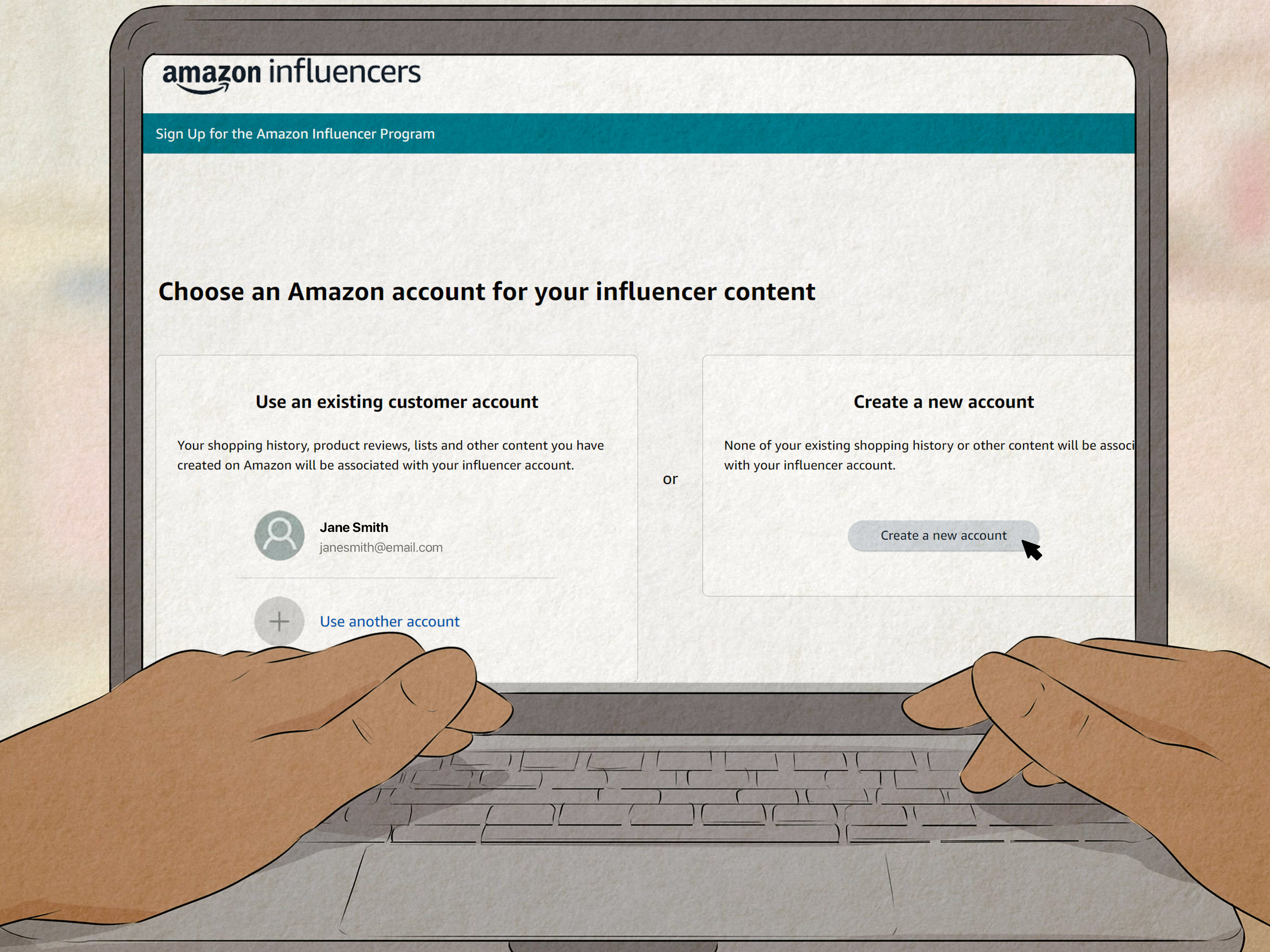
The Amazon Influencer Program is different from Amazon Vine. Influencers create storefronts, lists, photos, videos, and recommendations. They may earn commissions from qualifying purchases, but joining the program does not automatically mean Amazon sends free products. Some creators receive brand offers separately, but those relationships require proper disclosure.
How to Avoid Amazon Product Tester Scams
Where there is free stuff, there are scammers wearing fake mustaches and holding clipboards. Use common sense before signing up for any “Amazon tester” opportunity.
Red Flags to Watch For
- Someone guarantees Amazon Vine approval.
- A site asks you to pay a fee to become a tester.
- A seller asks you to buy a product and promises a refund after a five-star review.
- You are told to hide that you received a product for free.
- The opportunity requires your Amazon password.
- The message comes from a random social media account with poor grammar and urgent pressure.
- You are asked to review a product you never used.
Legitimate testing programs want honest feedback. Scammy programs want controlled praise. If the deal depends on a positive review, it is not honest product testing; it is review manipulation with a coupon hat.
FTC Disclosure: Why Honesty Matters
If you receive a free product, discount, commission, payment, or any other benefit connected to a review or recommendation, you may need to disclose that relationship clearly. The Federal Trade Commission expects endorsements to reflect honest opinions and requires material connections to be clear and conspicuous.
Plain English version: if the free product could affect how people judge your review, tell them. Use simple language such as “I received this product for free in exchange for my honest review” or “This post contains affiliate links.” Do not bury the disclosure under twenty hashtags, a motivational quote, and a dancing avocado GIF.
Do Amazon Product Testers Really Get Free Stuff?
Yes, but “free” deserves a little asterisk wearing reading glasses. Vine reviewers may receive products without paying the retail price, but there can be responsibilities. They are expected to review many of the items they request. In the United States, some free products may also have tax implications depending on the program, the value of the items, and how the platform reports them.
For non-Amazon platforms, free products may come with surveys, deadlines, social sharing tasks, or review requirements. Always read the terms before joining a campaign. Free is great, but free plus confusion is how you end up with twelve protein powders and a spreadsheet named “What Have I Done.”
What Makes a Great Product Tester?
Great product testers are curious, patient, observant, and fair. They do not rush to review something five minutes after opening the package unless the product is extremely simple. They test features, compare expectations with reality, and explain results in language regular shoppers understand.
For example, if you test a coffee grinder, do not stop at “works great.” Try different grind sizes. Notice the noise level. Check whether grounds spill out. See how easy it is to clean. Mention whether it suits espresso, drip coffee, or French press. Congratulations, you are now emotionally invested in bean dust.
Step-by-Step Plan to Become an Amazon Product Tester
Step 1: Clean Up Your Amazon Profile
Make sure your public profile looks trustworthy. Use a reasonable display name, avoid spammy behavior, and remove reviews that are vague, copied, or outdated if they do not represent your current quality standards.
Step 2: Write Helpful Reviews Consistently
Review products you truly own and understand. Aim for quality over quantity. A handful of excellent reviews is better than dozens of one-line reviews that say, “Nice item.” That phrase has the nutritional value of packing peanuts.
Step 3: Focus on Usefulness
Ask yourself: would this review help a stranger decide whether to buy? If yes, you are on the right track. If no, add details, examples, and context.
Step 4: Add Original Photos or Videos
When visuals help, include them. Show the item in a normal home setting. Demonstrate size, function, packaging, or flaws. Keep it honest and clear.
Step 5: Stay Away From Fake Review Deals
Do not accept offers that require a positive Amazon review in exchange for money, refunds, or free products. Protect your account and your credibility.
Step 6: Join Legit Product Testing Sites
While waiting for a possible Vine invitation, sign up for trusted sampling communities. Complete your profiles accurately, respond to surveys, and provide thoughtful feedback when selected.
Step 7: Build a Review Habit
Product testing rewards consistency. Keep notes while using products. Record what you liked, what failed, and who would benefit most. The best reviews often come from small observations.
Common Mistakes Beginners Make
The first mistake is chasing free products instead of building trust. If your only goal is free stuff, your reviews may become rushed and shallow. The second mistake is joining shady review groups. The third is writing reviews that sound like product descriptions copied from the listing.
A review should add something new. If the listing says the water bottle is stainless steel, do not simply repeat that. Explain whether it keeps drinks cold, whether it leaks in a backpack, whether it fits in a car cup holder, and whether the lid is easy to clean.
Another mistake is requesting products you do not need. Free clutter is still clutter. A garage full of unused gadgets is not a side hustle; it is a small museum of poor decisions.
Conclusion
Becoming an Amazon product tester is possible, but the legitimate path takes patience. Amazon Vine is invitation-only, and the best way to improve your chances is to become a genuinely helpful Amazon reviewer. Write honest reviews, include specific details, add useful photos or videos, and follow Amazon’s rules.
At the same time, explore reputable product testing platforms such as Influenster, Home Tester Club, BzzAgent, PINCHme, and SampleSource. These can help you gain experience testing products and writing feedback, even if an Amazon Vine invitation never appears.
The golden rule is simple: honest reviews beat free stuff. When you help shoppers make better decisions, you build the kind of credibility that legitimate product testing programs value. And if a free gadget shows up along the way? Wonderful. Just remember to review it before it disappears into that mysterious kitchen drawer where charging cables go to retire.
Experience Notes: What Product Testing Feels Like in Real Life
People often imagine product testing as a glamorous routine: packages arrive daily, every item is exciting, and the reviewer sits in a sunlit room whispering, “Ah yes, another luxury espresso machine.” Real life is more mixed, and honestly, much funnier.
A realistic product testing experience starts with curiosity. You receive a product, open the package, and immediately notice things regular shoppers care about. Was the packaging secure? Were instructions included? Did the product smell strange? Did the color match the listing? Did setup take three minutes or did it require a screwdriver, two prayers, and a snack break?
The best testers slow down. For example, if you test a set of food storage containers, you might wash them, fill them with leftovers, check for leaks, microwave them if allowed, stack them in the fridge, and see whether the lids warp. A lazy review says, “Good containers.” A useful review says, “The lids seal tightly, the containers stack well, and tomato sauce did not stain after one wash, but the smallest size is better for snacks than meal prep.” That second review helps someone decide.
Testing also teaches you that free products are not automatically valuable. Sometimes the item is excellent and becomes part of your daily routine. Sometimes it is fine but forgettable. Sometimes it arrives with the emotional energy of a product that was invented during a meeting nobody wanted to attend. That is why honesty matters. A product tester’s job is not to be impressed. The job is to observe.
Another real experience: deadlines can sneak up on you. If you receive several products at once, keep a simple spreadsheet or notes app with the product name, arrival date, main features tested, pros, cons, and review status. This sounds nerdy because it is, but nerdy organization saves you from staring at a mystery cable three weeks later and wondering whether it belonged to a lamp, a humidifier, or your neighbor’s robot vacuum.
Photos are also more useful than many beginners realize. A product may look premium in a listing but ordinary in a real kitchen. A backpack may claim to fit a laptop, but your photo can show how snugly it fits. A rug may look beige online but appear more gray in daylight. These details are gold for shoppers.
Over time, product testing changes how you shop. You become better at spotting vague listings, inflated claims, suspicious reviews, and missing details. You learn to ask practical questions before buying: Will this fit? Can I clean it easily? Is the material durable? Does the seller show real dimensions? Is this solving a problem or creating a new one with prettier packaging?
The biggest lesson is that credibility compounds. A thoughtful reviewer becomes more useful with every honest review. Whether or not Amazon Vine ever sends an invitation, building that skill can help you become a better shopper, a better content creator, and a more trusted voice online. Free stuff is the fun part. Trust is the valuable part.