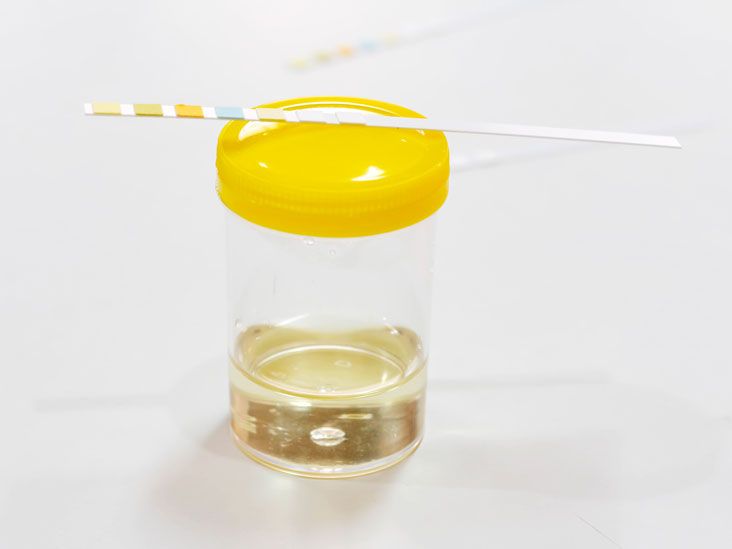
A urine urea nitrogen test may not have the name recognition of a cholesterol panel or blood sugar test, but it can reveal valuable information about protein metabolism, nutritional status, and kidney function. It measures how much nitrogen from urea leaves the body in urine, usually during a carefully timed 24-hour collection.
That sounds simple until someone hands you a large collection jug and asks you not to miss a single bathroom trip for an entire day. Fortunately, the test is painless, preparation is generally minimal, and a little planning can prevent most collection mistakes.
Healthcare professionals commonly use urine urea nitrogen results to estimate nitrogen balance in hospitalized or critically ill patients. The test may help determine whether a person is receiving enough protein, breaking down excessive amounts of body protein, or excreting urea normally. It can also support certain kidney assessments, although it is not usually the main screening test for chronic kidney disease.
What Is a Urine Urea Nitrogen Test?
A urine urea nitrogen test, often abbreviated as UUN, measures the amount of urea nitrogen in urine. Urea is a waste product created when the body processes protein.
When dietary protein and proteins in body tissue are broken down, their amino acids release nitrogen. Because free ammonia is toxic, the liver converts much of this nitrogen into urea. The bloodstream carries the urea to the kidneys, which filter it and release most of it into urine.
Under normal conditions, urea accounts for most of the nitrogen eliminated in urine. That makes urinary urea nitrogen a useful indirect marker of protein intake and protein breakdown.
Urea versus urea nitrogen
Laboratory terminology can be confusing because some reports describe total urea while others report only the nitrogen portion of the urea molecule. These measurements are related, but their numbers are not interchangeable.
Always check the exact test name, units, and reference interval printed on the laboratory report. Comparing a result labeled “urea” with a range intended for “urea nitrogen” is a reliable way to produce unnecessary panic before breakfast.
Why Is the Urine Urea Nitrogen Test Performed?
The test is most useful when a clinician needs to understand how the body is using and losing protein. It is not ordered routinely for every physical examination.
1. Estimating nitrogen balance
Nitrogen balance compares the amount of nitrogen entering the body with the amount leaving it. Because most dietary nitrogen comes from protein, nitrogen balance helps clinicians estimate whether protein intake is meeting the body’s needs.
- Positive nitrogen balance means nitrogen intake is greater than estimated nitrogen loss.
- Neutral nitrogen balance means intake and loss are approximately equal.
- Negative nitrogen balance means the body is losing more nitrogen than it receives.
Negative nitrogen balance can occur during severe infection, major surgery, trauma, burns, prolonged fasting, or other highly catabolic conditions. In these situations, the body may break down muscle and other tissues faster than they can be rebuilt.
2. Adjusting nutritional support
Dietitians and medical teams may order a 24-hour urine urea nitrogen test for patients receiving tube feeding or intravenous nutrition. Serial results can help them judge whether the prescribed protein amount is adequate or needs adjustment.
This is especially relevant in intensive care, where protein requirements may change quickly. A critically ill patient is not metabolically lounging on a sofa. Infection, inflammation, wounds, surgery, and mechanical ventilation can all alter protein needs.
3. Estimating dietary protein intake
When kidney function and metabolic conditions are reasonably stable, urinary urea nitrogen may help estimate how much protein a person has recently consumed. However, the result is not a perfect dietary diary. Illness, hydration, medications, liver function, kidney function, and collection errors can all affect it.
4. Supporting kidney evaluation
The kidneys filter urea, and changes in renal function can influence how much urea appears in urine. Urine urea may occasionally be combined with a blood urea nitrogen test and urine volume to estimate urea clearance.
However, a UUN result alone does not diagnose kidney disease. Standard kidney evaluation more often relies on serum creatinine, estimated glomerular filtration rate, urinalysis, and the urine albumin-to-creatinine ratio.
Urine Urea Nitrogen Test Versus BUN Test
Urine urea nitrogen and blood urea nitrogen measure related substances in different samples.
| Feature | Urine Urea Nitrogen | Blood Urea Nitrogen |
|---|---|---|
| Sample | Urine, often collected for 24 hours | Blood drawn from a vein |
| Main focus | Urea excretion, protein intake, protein breakdown, and nitrogen balance | Urea circulating in the blood and general kidney-related assessment |
| Common units | Grams per 24 hours or milligrams per deciliter | Milligrams per deciliter |
| Collection challenge | Every urination must be collected during the timed period | Requires a routine blood draw |
A clinician may interpret the tests together, but they answer different questions. A high BUN does not automatically mean urine urea nitrogen will also be high.
How to Prepare for the Test
Most people do not need to fast or follow a special diet before a urine urea nitrogen test. The provider may want the patient to maintain a normal diet and usual fluid intake so the result reflects typical protein metabolism.
Before beginning the collection, tell the healthcare team about:
- Prescription and nonprescription medicines
- Protein powders, amino acid products, creatine, and other supplements
- Diuretics or medicines that alter urine output
- Corticosteroid use
- Recent fever, infection, surgery, injury, or intense exercise
- Kidney or liver disease
- Vomiting, diarrhea, dehydration, or unusually high fluid intake
Do not stop a medicine or change protein intake unless the ordering clinician specifically tells you to do so. An improvised “perfect diet” before testing may make the result less representative, not more useful.
Urine Urea Nitrogen Test Procedure
A random urine sample can sometimes be tested, but a timed 24-hour urine collection is generally preferred when the goal is to measure total daily urea nitrogen excretion.
Step-by-step 24-hour collection
- Choose a start time. Morning is usually easiest.
- Empty your bladder into the toilet. Do not save this first urine. Record the exact time; this marks the beginning of the collection.
- Collect every subsequent urination. Save all urine produced during the day, evening, and overnight.
- Store the sample as directed. Many laboratories instruct patients to refrigerate the container or keep it in a cool place. Some collection containers include a preservative.
- Finish at the original start time. At that exact time the next morning, urinate one final time and add that specimen to the container.
- Label and return the container. Follow the laboratory’s instructions for transport and timing.
Do not pour out liquid, powder, or tablets already present in the container. They may be preservatives required by the laboratory, and some preservatives can irritate or burn the skin. Avoid touching them and keep the container away from children and pets.
What happens if one sample is missed?
Missing even one urination can make the total result falsely low. If urine is accidentally discarded, spilled, contaminated with stool, or collected outside the designated period, contact the laboratory or ordering provider. In many cases, the safest option is to start again with a new container.
Do not quietly continue and hope the laboratory has developed psychic powers. Accurate timing and complete collection are essential to interpreting the result.
Does the Test Hurt or Carry Risks?
The urine collection itself is painless and involves normal urination. There are no needle-related risks unless a separate blood test is ordered at the same time.
The main concerns are practical:
- Handling a large collection container
- Keeping the specimen at the required temperature
- Avoiding contamination
- Remembering every bathroom visit
- Preventing contact with a chemical preservative, if present
Ask the laboratory for a smaller collection cup or urine “hat” that fits under the toilet seat. Urinating directly into the large jug is awkward and may be unsafe, particularly when the jug contains acid preservative.
Understanding Urine Urea Nitrogen Results
Results from a 24-hour collection are commonly reported in grams per 24 hours. Reference ranges vary substantially among laboratories because of differences in methods, reporting conventions, patient populations, and whether the test reports urea or urea nitrogen.
Published U.S. laboratory references demonstrate this variability: one laboratory may use an adult urine urea nitrogen interval such as 7 to 42 grams per 24 hours, while another may report a narrower interval. Some references reporting total urea use ranges in the mid-20s to low-40s.
The only appropriate “normal range” for an individual result is the interval printed on that specific laboratory report.
What can cause a high urine urea nitrogen level?
A high 24-hour UUN result may be associated with:
- High dietary protein intake
- Increased breakdown of body protein
- Severe infection or fever
- Major trauma, burns, or surgery
- Certain corticosteroid treatments
- Some hypermetabolic or catabolic conditions
- Increased filtration or high urine-flow states
- Collecting urine for longer than the instructed period
For example, a patient recovering from extensive burns may have high urinary nitrogen losses even while receiving substantial protein. The high result does not necessarily mean the nutrition team is “overfeeding” protein; it may show that the body is rapidly breaking protein down.
What can cause a low urine urea nitrogen level?
A low result may be associated with:
- Low protein intake
- Malnutrition
- Reduced urine production
- Dehydration or reduced blood flow to the kidneys
- Impaired kidney function
- Reduced urea production in significant liver dysfunction
- An incomplete 24-hour collection
A low number is not automatically proof of protein deficiency. If half the day’s urine never reached the jug, the laboratory can only measure what arrived.
How Nitrogen Balance May Be Calculated
Healthcare professionals sometimes use UUN in a nitrogen balance calculation. A commonly used approach includes these steps:
- Estimate nitrogen intake by dividing daily protein intake in grams by 6.25.
- Use the measured 24-hour urine urea nitrogen as the main urinary loss.
- Add an estimate for nitrogen lost in stool, skin, sweat, and other unmeasured routes.
- Subtract estimated nitrogen losses from nitrogen intake.
For example, suppose a patient receives 100 grams of protein per day:
100 ÷ 6.25 = 16 grams of nitrogen intake.
If the UUN result is 11 grams per day and the clinical protocol adds approximately 4 grams for stool and other unmeasured losses, estimated total nitrogen loss is 15 grams. The estimated nitrogen balance would be:
16 − 15 = positive 1 gram of nitrogen per day.
This is an estimate, not a precision measurement. Drainage from wounds, diarrhea, burns, fistulas, dialysis, and incomplete urine collection can cause additional losses. Clinicians therefore interpret nitrogen balance alongside weight trends, muscle condition, medical status, calorie intake, wound healing, and other findings.
Factors That Can Distort the Test
Urinary urea excretion is influenced by more than protein intake. Factors that may change the result include:
- Hydration and total urine output
- Kidney filtration and tubular reabsorption
- Liver production of urea
- Recent dietary protein intake
- Muscle and tissue breakdown
- Fever, inflammation, trauma, or surgery
- Medication use
- Collection duration and completeness
This is why a UUN value should never be interpreted as an isolated score. The same result can mean different things in a healthy athlete, a patient with kidney failure, and a patient in intensive care.
Frequently Asked Questions
Can I drink water during the collection?
Usually, yes. Most patients should maintain their normal fluid intake unless the healthcare provider gives different instructions. Drinking far more or far less than usual can alter urine volume and may complicate interpretation.
Can I exercise during the test?
Follow the provider’s instructions. Strenuous or unusual exercise may increase protein breakdown and influence nitrogen excretion. A typical daily routine is often preferred unless the test is intended to assess a specific training or nutrition plan.
How quickly are results available?
Turnaround time varies by laboratory, but results may be available within a few business days. Specialized calculations or tests sent to an outside laboratory may take longer.
Is UUN the same as fractional excretion of urea?
No. Fractional excretion of urea, sometimes written as FEUrea, is a separate calculation involving urine and blood measurements of urea and creatinine. It may be used in selected cases of acute kidney injury. A standard 24-hour urine urea nitrogen test mainly measures total urinary urea nitrogen excretion.
Can UUN diagnose malnutrition?
Not by itself. It may provide evidence about protein intake or protein losses, but malnutrition assessment also includes medical history, weight change, food intake, muscle and fat stores, physical findings, and the effects of inflammation or disease.
What Patients Commonly Experience During a 24-Hour UUN Test
The clinical description of a 24-hour urine collection sounds wonderfully tidy: discard the first sample, collect everything for one day, and return the container. Real life adds work meetings, midnight bathroom trips, shared refrigerators, errands, children, pets, and the sudden realization that the collection jug is still at home.
Many people find that the first challenge is choosing the right day. A quiet day at home is easier than a travel day or a twelve-hour shift. Starting after waking allows most people to finish the collection at the same time the next morning and deliver it promptly. Setting phone alarms at the start and finish times can prevent timing errors.
The second common issue is storage. Being asked to place a urine container in the refrigerator is not anyone’s idea of kitchen décor. Patients often find it helpful to place the tightly sealed jug inside an opaque plastic bag or designated cooler. The laboratory’s instructions always take priority, however, because storage requirements can differ depending on the test and preservative.
Nighttime collection can also be easy to forget. A smaller collection cup placed near the toilet, together with a visible reminder on the bathroom door, reduces the chance of an automatic half-asleep flush. The reminder should be clear enough to work at 3:00 a.m., when nobody is performing at peak administrative efficiency.
People who must leave home during the collection may use a small clean transfer container supplied or approved by the laboratory and carry it in an insulated bag. The main jug should remain secured upright. A laboratory should be contacted before improvising with household jars, beverage bottles, or containers that may contain residue.
Some patients worry that a small urine volume will automatically produce an abnormal result. Others become concerned because the jug fills faster than expected. Daily urine volume varies with fluid intake, diet, temperature, activity, medications, and health conditions. The goal is not to produce a particular amount; the goal is to collect the complete amount actually produced.
The most frustrating experience is missing a sample near the end of the collection. Although starting over is inconvenient, an incomplete specimen can create a misleading result and potentially lead to incorrect nutrition changes. Calling the laboratory is better than guessing. Staff members deal with collection mishaps regularly and can explain whether a repeat is necessary.
After completing the test, many patients are surprised that interpretation is not as simple as “high is bad” or “low is good.” Clinicians often compare the result with documented protein intake, kidney and liver tests, urine volume, medications, inflammation, and the patient’s overall condition. In hospitalized patients, repeated UUN measurements may be more informative than a single result because trends show whether nutritional treatment is moving in the desired direction.
The practical lesson is straightforward: plan the collection day, read every instruction, preserve every sample, and ask questions before changing the procedure. The jug may be inconvenient, but a complete specimen gives the healthcare team much more useful information than a beautifully labeled container holding only 19 hours of urine.
Conclusion
The urine urea nitrogen test measures how much nitrogen from urea is excreted in urine, usually over 24 hours. Its primary roles include estimating nitrogen balance, evaluating protein intake and breakdown, and guiding nutritional support in seriously ill patients.
High or low results can have several explanations. Diet, hydration, kidney filtration, liver function, illness, medications, and specimen completeness all matter. Because laboratories use different methods and reference intervals, patients should interpret results using the range on their own report and discuss the findings with a qualified healthcare professional.
Medical note: This article is educational and does not replace personalized medical advice. Contact the ordering healthcare provider for interpretation of a UUN result, especially when kidney disease, liver disease, malnutrition, or critical illness is present.
Research note: Medical information was synthesized from reputable U.S. sources,
including MedlinePlus, Mayo Clinic Laboratories, Quest Diagnostics, University of
Rochester Medical Center, Labcorp, NIDDK, Cleveland Clinic, UCSF Health, the
American Kidney Fund, Merck Manual, NCBI Bookshelf, and ASPEN resources.