Pop culture has a long, proud tradition of taking beloved characters, marching them to the edge of a cliff, and then yelling, “Trust us!” while gently nudging them forward.
Sometimes those near-disasters come from a sincere attempt to “freshen things up.” Sometimes they come from marketing, deadlines, or a mysterious executive mandate that can only be translated as: make it louder and sell more toys. And sometimes, yes, they come from the creative equivalent of leaving a toddler alone with a Sharpie and your continuity bible.
Below are seven infamous franchise mistakescontroversial retcons, character redesigns, and “improvements” nobody asked forthat got dangerously close to derailing classic characters. The fun part? Most of these icons survived because audiences (politely or ferally) refused to let them sink.
1) Spider-Man’s “One More Day”: When a Marriage Got Traded Like a Used iPhone
What the idea was
In Marvel’s 2007 storyline “One More Day”, Peter Parker is desperate to save Aunt May. A deal is offered. The price is… not his soul, not his powers, not even his Netflix password. It’s his marriage to Mary Janeerased from history.
Why it almost broke the character
Spider-Man works because his problems feel humaneven when he’s clinging to a wall while being yelled at by a guy made of sand. A supernatural loophole that deletes years of growth doesn’t just reset the status quo; it tells readers their emotional investment was basically a sticky note Marvel peeled off and tossed.
The backlash wasn’t just “fans hate change” (although fans do treat change like it’s a vampire). The deeper complaint was tone: a grounded hero making a cosmic contract to erase a marriage felt less like responsibility and more like a plot coupon.
How Spider-Man survived anyway
Marvel’s long game was clear: keep Peter younger, more “relatable,” and easier to slot into fresh story arcs. The problem is that “relatable” doesn’t mean “perpetually stuck in emotional sophomore year.”
Still, Spider-Man endured because the core formulasmart kid, big heart, messy lifekeeps working even when editorial decisions occasionally dress him in continuity chaos. Over time, later runs leaned into what fans actually want: meaningful relationships, consequences that stick, and growth that doesn’t vanish overnight.
2) Captain America’s “Hail Hydra” Twist: A Symbol Put in a Blender
What the idea was
In 2016, Marvel revealed a jaw-dropper: Steve Rogers, the moral north star of the Marvel Universe, was secretly aligned with Hydra. The intent was to set up a big story and challenge what people think they know about Captain America.
Why it almost broke the character
Captain America is not just “a guy with a shield.” He’s a cultural symbolespecially in American pop culturebuilt on the idea that power can be principled instead of predatory. So when you attach him to a fascist-coded organization, you’re not just twisting a plot; you’re detonating the character’s entire meaning.
Even if the storyline later explained the twist through in-universe mechanics, the initial reveal hit like a headline. And headlines don’t come with footnotes. People reacted to the idea, not the eventual explanation.
How Captain America survived anyway
The character survives because his best stories aren’t about America as a governmentthey’re about America as an ideal worth arguing for. Captain America can wrestle with propaganda, identity, and institutions… but he can’t become the propaganda without risking permanent damage.
Marvel ultimately returned Steve to a moral foundation readers recognize. The takeaway is blunt: if you’re going to subvert a symbol, you’d better know what you’re saying when the dust settlesbecause the internet will grade your essay in real time, with the harshness of a thousand disappointed civics teachers.
3) Superman Blue: Turning the Man of Steel into an Extension Cord
What the idea was
In the late 1990s, DC gave Superman a dramatic pivot: his powers changed, he became energy-based, and he needed a containment suitfamously the Electric Blue look (and later, the Red/Blue split).
Why it almost broke the character
Superman is a character of clarity: bright primary colors, simple iconography, and a moral center you can land a plane on. So turning him into a glowing energy being with a more complicated power set was… a vibe shift.
Fans weren’t wrong to feel whiplash. When you drastically redesign a classic character, you’re not just changing outfitsyou’re changing the silhouette in people’s memory. And Superman’s silhouette is basically sacred geometry.
How Superman survived anyway
The best Superman stories have always been less about laser beams and more about restraint, hope, and choosing kindness when you could choose anything else. When DC leaned back into that, the character snapped into focus again.
In retrospect, Electric Superman reads like a risk-taking era that taught an important lesson: you can update a legend, but you can’t swap out the legend’s entire operating system and expect everyone’s brain to reboot politely.
4) Batman & Robin (1997): When the Franchise Tried to Become a Toy Catalog
What the idea was
The 1997 film Batman & Robin leaned hard into bright neon sets, ice puns, exaggerated camp, and costume choices that remain… visible in the cultural memory (yes, those).
Why it almost broke the character
Batman can handle darkness. Batman can handle camp. Batman can even handle a talking dinosaur in some corners of comic history. What Batman struggles with is feeling like the story exists to sell the story’s action figures.
The film’s “toyetic” reputation wasn’t just snark; it captured a real audience frustration: spectacle without emotional weight. If Gotham becomes a glowing theme park, Bruce Wayne stops being a character and becomes a logo that occasionally says “Freeze!”
How Batman survived anyway
The character’s recovery is one of the clearest examples of a franchise course-correcting. Later creators went darker, more grounded, and more psychologically seriousnot because “dark = good,” but because Batman’s core appeal is obsession, discipline, and the cost of his mission.
Ironically, the film’s failure helped teach studios what Batman actually is: not a walking merchandise rack, but a myth about grief and control wearing a cape.
5) “Ugly Sonic”: The Movie Design That Triggered a Worldwide Group Chat
What the idea was
In 2019, the first trailer for Sonic the Hedgehog introduced a design that felt… aggressively realistic. Smaller eyes. Human-like teeth. A body that suggested Sonic had been quietly training for a CrossFit competition.
Why it almost broke the character
Sonic is a classic video game character whose appeal is built on stylization: big expressive eyes, clean shapes, cartoon speed. The original movie look drifted into uncanny valley territorywhere nostalgia goes to feel uncomfortable.
Fans didn’t just dislike it; they recognized something important: character design is character. If you redesign the face, you’re rewriting the personality before the character even speaks.
How Sonic survived anyway
In one of modern pop culture’s rare and beautiful acts of listening, the filmmakers promised changes, delayed the release, and redesigned Sonic. The final version looked like Sonic againexpressive, iconic, and not like he needed braces.
This wasn’t “fans controlling art” so much as fans protecting a brand identity from an avoidable misread. It’s a case study every studio should teach: if you adapt a classic character, your first job is to respect the shape of people’s childhood memories.
6) “Greedo Shot First”: The Edit That Sanded Down Han Solo’s Edge
What the idea was
In the original 1977 cut of Star Wars, Han Solo shoots Greedoclean, fast, and morally messy. Later releases changed the scene so Greedo shoots first (and other versions tweak the timing and even add odd new dialogue beats).
Why it almost broke the character
Han’s arc works because he starts as a self-interested survivor and becomes a hero. That transformation means more if he begins in gray territory. Editing him into cleaner self-defense shifts his entire emotional baseline.
Fans weren’t nitpicking a frame. They were defending character math: if you remove the “scoundrel” from “charming scoundrel,” you get… a charming guy who is already basically a good citizen, which is significantly less fun in a space bar full of criminals.
How Han survived anyway
The character is bigger than one edit because Harrison Ford’s performance is basically charisma in human form. And later stories even nod to the debate, acknowledging that the myth of Han Solo includes a little danger.
The larger lesson: tinkering with a classic scene to make a character “nicer” can accidentally erase what made the character worth watching.
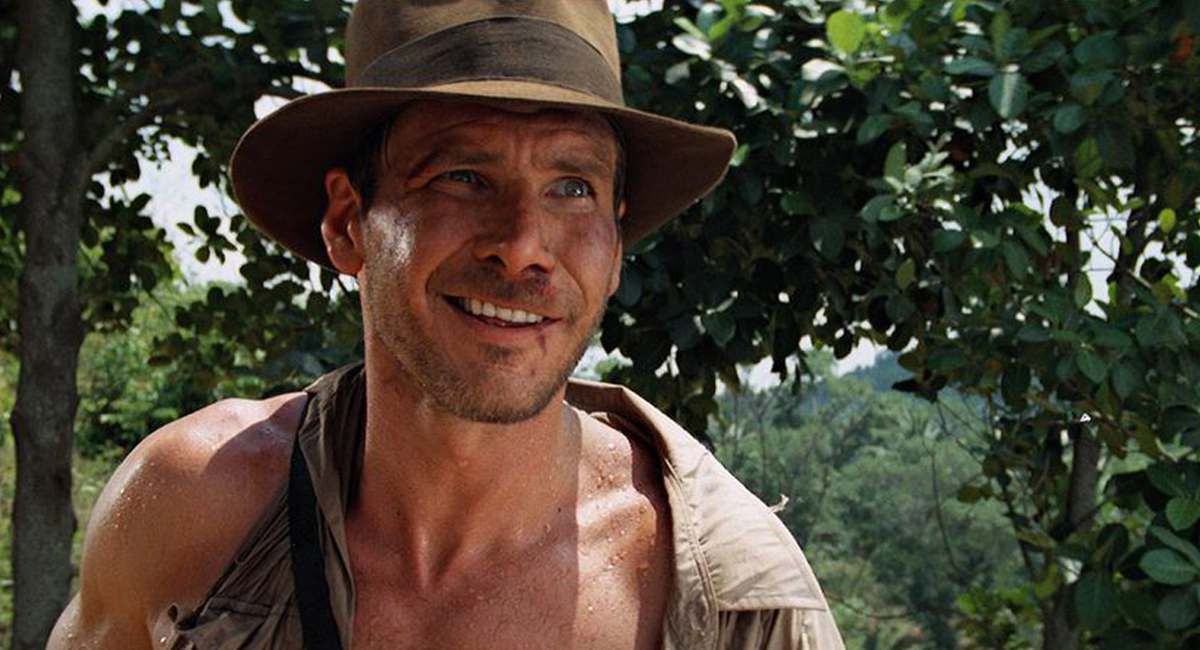
7) Indiana Jones and the Kingdom of the Crystal Skull: “Nuke the Fridge” and the Alien Left Turn
What the idea was
After a long gap, Indiana Jones and the Kingdom of the Crystal Skull (2008) arrived with big swings: a refrigerator escape from a nuclear blast, plus a climax that leans hard into extraterrestrial mythology.
Why it almost broke the character
Indiana Jones is pulp adventure: heightened, sometimes silly, but rooted in a specific flavor of serial storytelling. The “fridge nuking” moment became infamous not only because it’s outrageous, but because many viewers felt it was the wrong kind of outrageous for Indy.
And the aliens? For some fans, that was the genre line. Earlier films used mystical artifacts and religious myth; the alien reveal felt like the franchise wandered into a different movie.
How Indiana Jones survived anyway
Indy survives because his core is not “realism.” It’s momentum: a smart hero sprinting through danger with a half-formed plan and a fully-formed grimace. Even divisive entries can’t erase the character’s appeal when that core energy is present.
The bigger win is what the backlash clarified: audiences don’t just want the hat and whip. They want the specific tonemythic, pulpy, and a little hauntedwithout crossing into “the franchise forgot its own genre.”