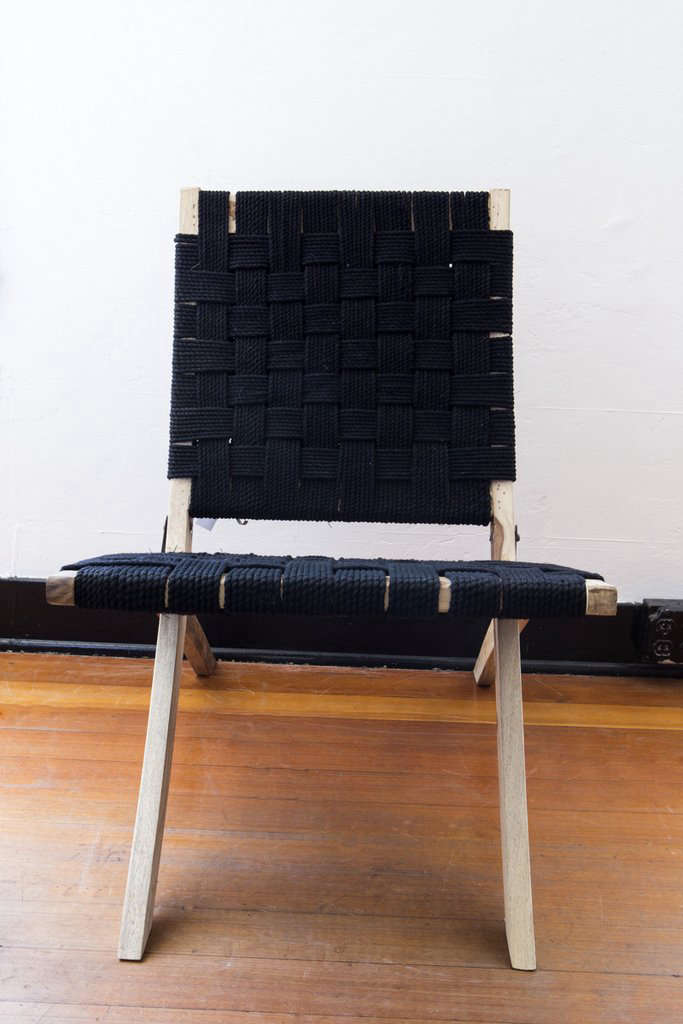
Some outdoor chairs try very hard to look expensive. Others try very hard to look weatherproof. The Lost & Found Garden Chair does something more interesting: it looks like it has lived a little, traveled a little, and somehow still knows exactly where the best patch of afternoon shade is. It is not the kind of garden chair that screams for attention. It leans back, crosses its metaphorical ankles, and lets the patio come to it.
At its heart, the Lost & Found Garden Chair is a relaxed outdoor lounge chair with an artisan spirit. It has been associated with Lost & Found Shop, the Los Angeles design destination known for globally sourced, quietly stylish home goods. The chair has been listed in a standard version with a deep, low-slung profile, measuring approximately 38 inches deep, 21 inches wide, and 34 inches high, and it has appeared in colorways such as black, white, indigo, bleached jute, natural tones, and multi-colored finishes. In other words, it is not here to behave like a plastic stack chair from aisle nine. It has personality.
This article explores what makes the Lost & Found Garden Chair appealing, how it fits into modern outdoor living, what buyers should consider before choosing a handcrafted patio chair, and how to style and care for a piece like this without accidentally turning it into a very expensive squirrel perch.
What Is the Lost & Found Garden Chair?
The Lost & Found Garden Chair is best understood as a design-forward outdoor lounge chair rather than a basic patio seat. Its proportions suggest casual reclining, conversation, reading, and slow mornings with coffee. It belongs in the category of outdoor deck and lounge chairs, but visually it feels closer to handcrafted global furniture than mass-produced backyard seating.
Lost & Found’s furniture pieces have been described as handcrafted and made with salvaged or recycled materials, a detail that gives the chair much of its charm. That approach matters because outdoor furniture is often treated as disposable: buy it, use it for two summers, watch it fade, then drag it to the curb with deep regret and one missing cushion. A handcrafted garden chair flips that script. It suggests longevity, repairability, and character.
A Chair With an Indoor-Outdoor Personality
One of the strongest qualities of the Lost & Found Garden Chair is that it does not look trapped in the patio department. It can sit on a covered porch, beside a garden path, in a sunroom, near French doors, or under a pergola and still feel intentional. That indoor-outdoor flexibility reflects a broader design trend: Americans increasingly treat patios, balconies, porches, and decks as extensions of the home rather than separate zones reserved for folding chairs and mosquito diplomacy.
A chair like this can soften hard outdoor surfaces such as concrete, stone, tile, or wood decking. Its handcrafted feel also pairs well with planters, woven baskets, linen cushions, ceramic side tables, and climbing greenery. The result is a space that feels collected rather than decorated in one panicked Saturday afternoon.
Design Appeal: Why This Garden Chair Stands Out
The best outdoor furniture has to solve two problems at once: it must survive the elements and still look good enough that you want to sit in it. The Lost & Found Garden Chair leans heavily into the second requirement while still acknowledging the first. It is a chair for people who care about atmosphere.
Relaxed Proportions
With its deep seat profile, the chair is designed for lounging rather than formal dining. That distinction is important. Dining chairs keep you upright and politely alert. Lounge chairs encourage you to stay awhile, forget where your phone is, and consider whether “watering the plants” counts as a complete afternoon plan.
The generous depth gives the chair a laid-back silhouette that works beautifully in casual outdoor spaces. It can be placed as a single statement chair in a small garden corner or grouped in pairs around a low table for a more conversational layout.
Handcrafted Character
Handcrafted outdoor furniture often carries slight variations in texture, tone, and finish. For some buyers, that is exactly the point. A piece like the Lost & Found Garden Chair does not need to look machine-perfect. Its appeal lies in the evidence of touch: woven surfaces, reclaimed materials, natural irregularities, and finishes that feel warmer than factory uniformity.
This kind of character is especially useful outdoors, where perfection rarely lasts longer than the first pollen storm. A chair with texture and visual variation can age more gracefully than a glossy, flawless piece that looks personally offended by weather.
Color Options With Personality
The chair has appeared in several finishes, including black, white, indigo, bleached jute, natural, and multi-colored versions. Each creates a different mood. Black feels graphic and modern. White is breezy and coastal. Indigo brings a relaxed textile-inspired look. Natural and bleached jute tones feel earthy, quiet, and organic. A multi-colored option adds playfulness without requiring the rest of the patio to dress like a carnival.
Materials Matter: What to Know Before Buying
Outdoor chair materials should be chosen based on climate, exposure, maintenance tolerance, and style preferences. A handcrafted garden chair with reclaimed or natural elements may offer beauty and sustainability, but it should be treated differently from powder-coated aluminum, poly lumber, resin wicker, or molded plastic.
Wood, Reclaimed Materials, and Natural Fibers
Wood and reclaimed materials bring warmth that metal and plastic rarely match. Teak, acacia, eucalyptus, and other hardwoods are commonly used in outdoor furniture because they can be durable when properly maintained. However, natural materials are not magic. They can fade, crack, mildew, or weather unevenly if left exposed to heavy rain, intense sun, and trapped moisture.
If the Lost & Found Garden Chair is placed outdoors, it performs best in a protected or semi-protected area: a covered patio, shaded deck, screened porch, pergola, balcony, or garden nook that avoids all-day direct sun and standing water. Think of it as outdoor-capable, not invincible. Even superheroes need sunscreen.
Why Reclaimed Materials Are Appealing
Sustainable patio furniture has become more popular as homeowners think beyond appearance and price. Reclaimed and recycled materials reduce the demand for newly harvested resources and help keep usable materials in circulation longer. For buyers who care about environmental impact, that makes a handcrafted chair more compelling than a disposable outdoor seat that may end up in a landfill after a few seasons.
There is also an aesthetic advantage. Reclaimed materials often carry texture, patina, and subtle imperfections that make a piece feel storied. In a garden, where plants are always changing and surfaces naturally weather, that sense of history fits beautifully.
How to Style the Lost & Found Garden Chair
The Lost & Found Garden Chair works best when styled with restraint. It already has visual personality, so it does not need a circus of accessories around it. The goal is to make the chair feel discovered, not staged.
For a Small Patio or Balcony
On a small patio, use one Lost & Found Garden Chair as an anchor piece. Add a compact side table, one textured outdoor pillow, and a medium planter with a sculptural plant such as olive, rosemary, lavender, snake plant, or dwarf citrus. Keep the color palette tight: black and terracotta, white and blue, natural fiber and sage, or indigo and warm wood.
A chair with depth needs breathing room, so avoid cramming it against a railing or wall. Angle it slightly toward the view or toward another seat. That small shift makes the space feel designed rather than stored.
For a Garden Corner
In a garden setting, the chair can become a destination. Place it near a path, under a tree, beside a raised bed, or next to a cluster of tall grasses. Add a flat stone, ceramic stool, or weather-resistant side table for a drink or book. Suddenly, the corner that used to be “where the hose goes to tangle itself emotionally” becomes a reading spot.
Natural and indigo finishes look especially good surrounded by greenery. Black works well when paired with gravel, concrete pavers, or modern planters. White can brighten shaded areas but may require more frequent cleaning.
For a Covered Porch
A covered porch is one of the best places for a chair like this. It provides protection from direct rain while still allowing the piece to participate in outdoor life. Pair two chairs with a low table and a durable outdoor rug. Use cushions made with weather-resistant fabric rather than indoor cotton or linen, which can fade, absorb moisture, and develop mildew faster outdoors.
If you want a softer look, add a throw blanket during dry weather, then bring it inside afterward. Outdoor styling should feel relaxed, but not so relaxed that every textile becomes a science experiment.
Comfort: Is It Practical for Everyday Use?
A beautiful garden chair still has to pass the sit test. The Lost & Found Garden Chair’s deep profile suggests relaxed seating, but comfort depends on how you use it. If you prefer upright support for dining, laptop work, or long meals, this is not the best primary chair. If you want a lounge seat for reading, chatting, sipping coffee, or admiring your tomato plants like they are honor-roll students, it makes much more sense.
Add Cushions Carefully
A seat cushion or lumbar pillow can improve comfort, especially if the chair has a firm woven or reclaimed surface. Choose outdoor-rated fabrics that resist fading, mildew, and moisture. Acrylic, solution-dyed polyester, and performance outdoor textiles are better choices than standard indoor fabrics.
Keep cushions removable. Store them in a dry deck box, mudroom, or covered area when storms are expected. Even high-quality outdoor cushions last longer when they are not abandoned in the rain like forgotten laundry.
Consider Seat Height and Placement
Before buying any lounge chair, check the measurements against your space. A deep chair needs enough clearance so people can move around it comfortably. If used near a coffee table, leave enough room for legs and easy access. If used on a balcony, measure the door swing, railing distance, and walkway width before committing. Outdoor furniture returns are not fun; they are cardio with paperwork.
Care and Maintenance Tips
Handcrafted outdoor furniture rewards basic care. The Lost & Found Garden Chair should not be left for prolonged periods in direct sunlight or standing water, because those conditions can accelerate aging. That does not mean you must panic every time a cloud looks dramatic. It simply means the chair will last longer if you treat exposure as something to manage.
Clean Gently and Regularly
Dust, pollen, leaves, bird droppings, and outdoor grime can wear down finishes over time. Use a soft brush or dry cloth to remove debris. For deeper cleaning, use mild soap and water, then wipe dry. Avoid harsh chemicals, abrasive pads, and pressure washing unless the manufacturer specifically says it is safe.
Cleaning is easiest when done before dirt becomes a lifestyle. A quick wipe every week or two during heavy-use seasons can prevent stains and buildup. Before storing the chair or covering it for a long period, make sure it is completely dry.
Protect From Water and Harsh Sun
Moisture is one of the biggest enemies of natural outdoor furniture. Standing water can encourage mold, mildew, swelling, and finish damage. If your chair sits on a patio that collects rain, move it to a drier spot or elevate it slightly. If it is under a cover, use a breathable furniture cover rather than sealing it in plastic. Trapped moisture under a cover can create a humid little spa day for mildew, and mildew is a terrible guest.
Sun exposure can fade finishes and dry natural materials. A shaded location, umbrella, pergola, or covered porch can help protect the chair while still keeping it usable.
Inspect Seasonally
At the start and end of outdoor season, inspect the chair for loose joints, cracks, rusted hardware, fraying, mildew, or finish wear. Small issues are easier to fix early. If the chair uses wood or woven components, check whether it needs resealing or professional repair. If it has cushions, wash or spot-clean them according to fabric instructions before storage.
Who Should Choose the Lost & Found Garden Chair?
The Lost & Found Garden Chair is ideal for people who value design, craftsmanship, and atmosphere. It is especially appealing if your outdoor space has a collected, organic, modern rustic, coastal, Mediterranean, bohemian, or globally inspired style.
Best For
- Covered patios, porches, balconies, and garden nooks
- Homeowners who prefer artisan furniture over mass-produced sets
- Spaces that need one strong accent chair rather than a full matching collection
- Buyers interested in reclaimed, recycled, or environmentally thoughtful materials
- Outdoor rooms designed for lounging, reading, and relaxed entertaining
Not Ideal For
- Fully exposed areas with constant rain or intense direct sun
- People who want zero-maintenance outdoor furniture
- Formal dining setups that require upright seating
- Homes where furniture must be lightweight, stackable, or easily moved every day
- Anyone who believes patio furniture should be able to survive a hurricane, a barbecue spill, and a toddler with a popsicle without complaint
Lost & Found Garden Chair vs. Typical Patio Chairs
Compared with common patio chairs, the Lost & Found Garden Chair is more expressive and less generic. Aluminum chairs are lightweight and rust-resistant. Poly lumber chairs are durable and easy to clean. Resin wicker offers a classic outdoor look. Plastic chairs are inexpensive and practical. The Lost & Found Garden Chair, however, competes on character.
It is not necessarily the chair you buy for a large pool deck where twenty guests will drag furniture around with wet towels. It is the chair you choose for a curated corner, a boutique-style patio, or a porch that deserves one memorable piece. It functions as seating, but it also acts as a design statement.
Buying Tips Before You Commit
Before choosing the Lost & Found Garden Chair or a similar handcrafted outdoor chair, start with location. Will it be covered or exposed? Will it sit on gravel, grass, tile, concrete, or wood decking? Will it be used daily or mostly as an accent piece? These questions help determine whether the chair is right for your lifestyle.
Measure Twice, Lounge Once
The chair’s deep profile is part of its appeal, but depth can surprise buyers in compact spaces. Use painter’s tape to mark the footprint on your patio or porch. Walk around it. Open doors. Pull out nearby chairs. Imagine someone sitting in it with legs stretched out. If the layout still works, you are ready to proceed.
Think About Climate
In dry climates, sun protection may be the biggest concern. In humid climates, ventilation and mildew prevention matter more. In coastal areas, salt air can accelerate corrosion and finish wear. In snowy regions, seasonal storage is essential. A handcrafted garden chair deserves a plan, not a “good luck out there, buddy” approach.
Budget for Care
Budget is not only the purchase price. Consider cushions, covers, seasonal storage, cleaning supplies, and possible refinishing over time. A well-loved garden chair can last longer and look better when basic care is part of the plan from day one.
Experience Notes: Living With a Lost & Found Garden Chair
The first thing you notice about a chair like the Lost & Found Garden Chair is how quickly it changes the mood of an outdoor space. A plain patio can feel functional, but add one handcrafted lounge chair and suddenly the area has a point of view. It says, “Yes, someone lives here, and yes, that person may own pruning shears and strong opinions about iced coffee.”
In everyday use, the best placement is usually not the most obvious one. Many people instinctively push outdoor chairs against a wall or fence to save space, but this chair looks better when it is allowed to breathe. Angling it toward a garden bed, a small table, or a second chair creates a more inviting scene. It becomes a place to sit, not just an object to store outside.
One practical experience is that cushions make a major difference. The chair’s sculptural look may be enough for photos, but real lounging benefits from a supportive seat cushion or a small back pillow. The trick is choosing cushions that complement rather than bury the design. A neutral cushion keeps the chair quiet and elegant. A striped or indigo pillow can bring out its artisanal side. Too many pillows, however, and the chair starts to look like it is being held hostage by a fabric store.
Another lesson is that maintenance feels easier when it becomes routine. A quick weekly dust-off prevents pollen and dirt from settling into textured surfaces. After rain, wiping the chair dry helps preserve the finish. During long sunny stretches, shifting it slightly into shade can reduce fading. None of this is difficult, but it does require remembering that “outdoor” does not mean “abandoned to the elements forever.”
The chair also works surprisingly well as a seasonal styling piece. In spring, it pairs beautifully with terracotta pots, herbs, and pale cushions. In summer, it becomes a shaded reading chair with a cold drink nearby. In fall, it looks great with warm textiles and ornamental grasses. Even in winter, if stored on a covered porch or sunroom, it keeps a space from feeling bare.
The most rewarding part of owning a chair like this is that it makes small outdoor rituals feel more intentional. Morning coffee feels slower. A five-minute break becomes an actual pause. Guests notice it, ask about it, and usually sit in it before being invited. That is the mark of good garden furniture: it does not merely fill space. It pulls people outside.
Conclusion
The Lost & Found Garden Chair is more than a place to sit. It is a mood-setting piece for patios, porches, balconies, and garden corners that need warmth, texture, and character. With its relaxed proportions, handcrafted spirit, and connection to reclaimed-material design, it offers an appealing alternative to ordinary patio seating.
It is best for homeowners who want outdoor furniture that feels collected rather than generic. It asks for a little care, especially protection from prolonged sun and water, but rewards that attention with style that improves the entire outdoor room. If your dream patio includes greenery, good conversation, a well-placed side table, and a chair that looks like it has a passport, the Lost & Found Garden Chair deserves a serious look.
Note: This article is written for web publication and synthesizes real product details, outdoor furniture buying guidance, sustainable furniture principles, and practical patio care recommendations in original American English.