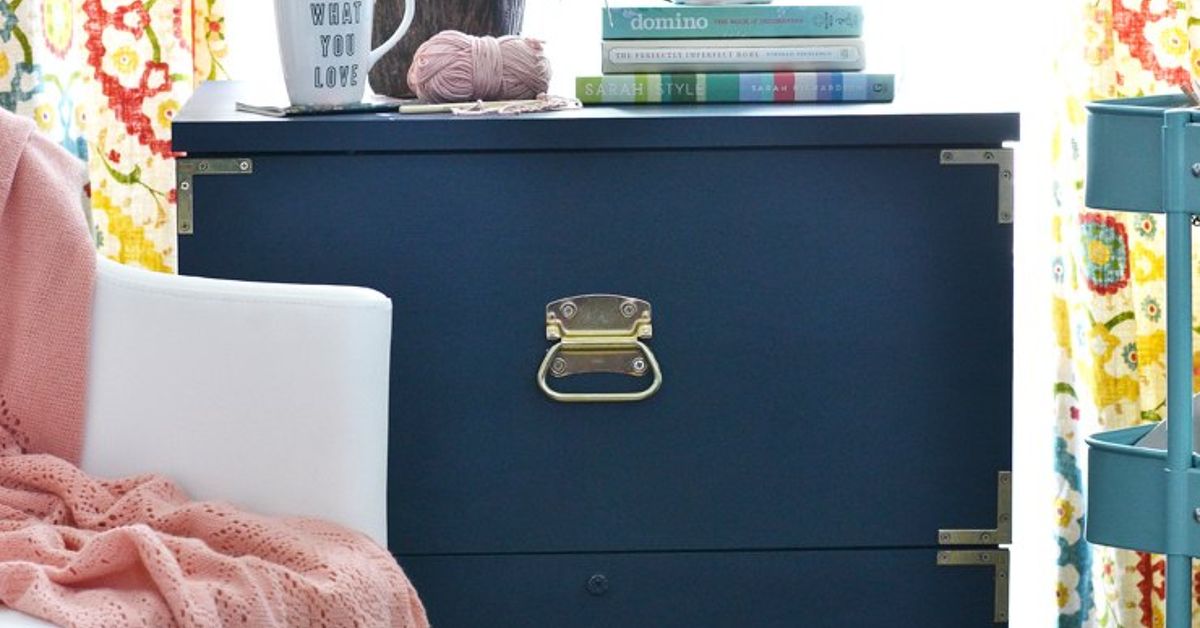
Once upon a time, the filing cabinet was the undisputed king of office furniture. It held tax returns, mystery folders labeled “Important,” and at least one paperclip that had gone rogue. Now, in the age of cloud storage, this steel workhorse often gets shoved into garages, basements, and the emotional support corner of the thrift store. But here is the good news: an old filing cabinet still has plenty of life left in it.
A filing cabinet makeover is one of the smartest upcycling projects for anyone who loves practical design, budget-friendly decorating, or the thrill of turning “meh” into “where did you get that?” With a little cleaning, some prep work, a coat of primer, and a fresh vision, an outdated metal box can become stylish storage, a craft station, a side table, a rolling organizer, or even a statement piece in a home office.
If you have been wondering how to repurpose a filing cabinet without creating a DIY disaster worthy of neighborhood gossip, this guide will walk you through the ideas, safety tips, and design strategies that actually make sense. The goal is simple: give that old cabinet a second act that looks intentional, works hard, and does not scream “I used to store invoices in 1997.”
Why an Old Filing Cabinet Is Worth Saving
There is a reason metal filing cabinets have survived decades of use. They are durable, stable, and built to hold weight. While many trendy storage pieces look cute for six months and then begin wobbling like a nervous flamingo, filing cabinets tend to be sturdy and dependable. That makes them a strong candidate for repurposing.
There is also the sustainability factor. Reusing furniture is generally a better option than sending it to a landfill or buying something new just because it has better lighting in the online listing. Giving an old filing cabinet a new purpose fits beautifully into the broader idea of reducing waste and extending the life of materials already in circulation. In other words, your filing cabinet makeover is not just a style move. It is a practical one.
And then there is the budget. Secondhand filing cabinets are often inexpensive because many people no longer want them in their original form. That means you can pick up a solid piece of furniture for very little money and transform it into something custom-looking. Few home projects offer that magical combination of low cost, high function, and dramatic before-and-after potential.
Before You Begin: What to Check First
1. Structural condition
Start with the basics. Open and close every drawer. Check whether the frame is square, whether the drawers slide smoothly, and whether the metal is badly bent. Surface scratches, chipped paint, and minor rust are normal and fixable. Severe corrosion, missing structural parts, or a cabinet that rocks like it is auditioning for a boat may not be worth the trouble.
2. Rust and surface damage
Metal furniture needs proper prep. If the filing cabinet has rust, loose paint, or greasy buildup, you will need to deal with that before painting. Good prep is not glamorous, but it is what separates a lasting finish from a peeling mess that flakes every time someone opens a drawer.
3. Lead-paint caution
If your cabinet is very old or comes from an older home or institutional setting, be cautious about old paint. As a rule of thumb, older painted surfaces can carry lead risks. If you are not sure, treat the project carefully: avoid aggressive dry sanding indoors, contain dust, and use proper protective gear. This is especially important if children are around. Nobody wants a “cute weekend project” to turn into a safety lecture from the universe.
4. Intended use
Decide what the cabinet will become before you touch the paint. A filing cabinet repurposed for office supplies needs different drawer inserts than one being turned into an entryway organizer or a workshop tool station. Form follows function, even when the form started life in a depressing beige.
How to Give an Old Filing Cabinet a Makeover
Clean it like you mean it
First, remove the drawers, hardware, label holders, and anything else that can come off. Clean the cabinet thoroughly to remove dust, oil, sticker residue, and mystery grime. A degreasing cleaner works well, followed by a clean cloth to dry the surface. Paint does not stick well to dirt, and dirt has never once improved a finish.
Sand and scuff the surface
Next, lightly sand the entire cabinet. You do not need to remove every trace of old paint unless it is loose or flaking, but you do need to scuff the surface so primer can bond properly. Focus extra attention on rusted or damaged areas. Fine-grit sandpaper is usually enough for smoothing and roughing up the surface without going overboard.
Prime for adhesion and rust protection
A quality metal primer is the unsung hero of a painted filing cabinet. It helps paint adhere, improves durability, and blocks rust from bleeding through your fresh color. If you still have a little rust that cannot be fully removed, use a primer designed for rusty or previously painted metal. Skipping primer on metal is basically asking your project to betray you later.
Paint with patience
You can use spray paint or brush-and-roller methods depending on the finish you want. Spray paint often gives metal furniture a smooth, even look and works well for cabinets with corners, grooves, and hardware details. Brush-on paint can create a tougher finish and gives you more control indoors. Either way, apply thin coats rather than one thick one. Thick paint drips. Drips mock you forever.
Allow each coat to dry fully before adding the next. Two to three coats are common for good coverage. If you want a smoother final look, lightly scuff between coats and wipe away dust before repainting.
Upgrade the details
Once the paint cures, reassemble the cabinet and consider small upgrades that make a big visual difference. Swap standard handles for brass pulls, matte black hardware, leather tabs, or vintage-style label frames. Add casters if you want mobility. Install drawer liners for a polished look. Top it with a wood slab if you want the cabinet to function as a side table, printer stand, or mini work surface.
Best Ways to Repurpose a Filing Cabinet
Home office storage
This is the obvious use, but it still works. Instead of stuffing it with random paper chaos, turn the cabinet into an organized command center for documents, tech accessories, notebooks, chargers, mailing supplies, and backup office gear. A colorful cabinet can make a home office feel less corporate and more intentional.
Craft and hobby station
An old filing cabinet is perfect for art supplies, sewing notions, vinyl rolls, scrapbook paper, tools, or wrapping materials. Deep drawers can hold bulky supplies, while hanging file frames can be adapted for folders, templates, or dividers. If your hobbies multiply faster than rabbits, this cabinet can help restore order.
Entryway organizer
Add a wood top, a tray for keys, and perhaps a lamp, and a filing cabinet can work surprisingly well in an entryway or mudroom. Drawers can store gloves, pet leashes, reusable shopping bags, sunscreen, umbrellas, and all the tiny daily objects that otherwise vanish exactly when you need them.
Workshop or garage storage
In a workshop, filing cabinets shine. They are tough, easy to wipe down, and built for organization. Use one for hand tools, hardware, extension cords, painting supplies, or automotive products. Some people even flip certain cabinet styles onto their backs and retrofit them as tool storage units, which is a clever way to make those deep drawers easier to access.
Living room or bedroom accent piece
Yes, really. With the right paint color and a more decorative top, a filing cabinet can become a nightstand, end table, or compact media unit. Designers have long mixed utilitarian pieces with softer furnishings to create rooms that feel layered rather than overly matched. A cabinet in olive green, navy, cream, charcoal, or a muted terracotta can look surprisingly chic.
Side-hustle storage
If you run a small online business, make jewelry, sell handmade products, or ship orders from home, a filing cabinet can become an operations hub. One drawer for inventory, one for packaging, one for labels and tape, and one for paperwork can save you from turning your dining table into a distribution warehouse.
Design Ideas That Make a Filing Cabinet Look Stylish
Go bold with paint
A filing cabinet is a great place to try color. Since it is usually compact, even a dramatic shade will not overpower the room. Think deep forest green, cobalt blue, buttery yellow, burgundy, or soft sage. If you prefer something quieter, warm white, greige, and matte black are all solid choices.
Add contrast with a wood top
One of the easiest ways to soften the industrial feel of a metal cabinet is to add a wood top. The mix of warm wood and painted metal instantly feels more custom. This works especially well if the cabinet will be visible in a living room, bedroom, or entry space.
Use wallpaper or contact paper inside drawers
Drawer interiors are a sneaky place to add personality. A fun print, subtle stripe, or textured liner can make the piece feel finished without overwhelming the exterior. It is like wearing a practical jacket with fabulous lining. Most people will not see it, but when they do, it is delightful.
Change the hardware
Never underestimate the power of replacing sad old pulls. Fresh hardware can make a filing cabinet look less like office surplus and more like a boutique storage piece. Even small changes can shift the whole vibe.
Label with intention
If you keep the original label holders, use them well. Clean labels make the cabinet more functional and can add charm. “Mail,” “Tools,” “Sketchbooks,” or “Cables” sounds organized. “Stuff,” “More Stuff,” and “Why Is This Here?” may be emotionally accurate, but they are less elegant.
Mistakes to Avoid
Skipping prep: Paint will not last on dirty, glossy, or rusty metal. Prep matters more than people want it to, which is deeply rude but true.
Using thick coats: Thick paint leads to drips, uneven texture, and longer cure times. Thin coats are slower but better.
Ignoring ventilation: Primers, paints, and solvents need airflow. Work outside when possible or in a well-ventilated area.
Forgetting the cure time: Dry is not the same as cured. Let the finish harden before heavy use, especially on drawers and tops.
Repurposing without a plan: A beautiful cabinet that does not suit your storage needs is still clutter wearing makeup.
Real-Life Experiences: What It Feels Like to Rescue an Old Filing Cabinet
There is a very specific satisfaction that comes from saving an old filing cabinet, and it has less to do with furniture than with redemption. On the first day, the cabinet usually looks like it has seen things. It may be scratched, dented, and wearing a color that can only be described as “bureaucratic oatmeal.” One drawer sticks. Another makes a sound like a shopping cart with trust issues. It does not inspire confidence. It inspires questions. Mostly, “Why did I bring this home?”
Then the work begins. You wipe it down, and suddenly the cabinet starts to reveal its personality. Under the dust, it is solid. Under the chipped paint, it is dependable. Under the ancient label holder that still says “Receipts 2004,” it is oddly charming. As the surface gets cleaner and smoother, your attitude changes too. What looked like junk starts to look like potential.
Painting is the turning point. The first coat always feels slightly alarming, like you may have made a terrible choice. The cabinet is blotchy, the color looks louder than expected, and your garage smells like ambition. But then the second coat goes on, and something magical happens. The metal softens visually. The shape looks intentional. The cabinet no longer feels like a leftover office relic. It starts to feel like a piece of furniture.
One of the best experiences is choosing a new role for it. A cabinet that once stored paper can suddenly hold craft supplies, pantry overflow, pet gear, or gift wrap. It becomes useful in a fresh way, and that practical transformation is surprisingly rewarding. You are not just decorating. You are solving a real storage problem with something you rescued instead of replaced.
There is also a quiet emotional pleasure in using a repurposed piece every day. A nightstand made from an old filing cabinet has more character than a flat-packed box from a warehouse aisle. A painted cabinet in a home office feels personal, not generic. Every nick you fixed and every drawer you lined becomes part of the story. Guests notice. They ask about it. You get to say, with entirely reasonable pride, “That used to be an old filing cabinet.”
And yes, there are funny moments. You may discover old paper clips in strange places, a mystery key that fits nothing, or one fossilized rubber band that deserves archaeological protection. You may also learn that paint dries more slowly when you stare at it, which is unfortunate because staring at it feels mandatory. But these tiny annoyances are part of the charm. They make the project feel real.
In the end, the experience is about more than saving money or avoiding waste, though both are excellent bonuses. It is about seeing value where other people saw clutter. It is about turning an object with a very boring past into one with a much better future. And honestly, if a dented old filing cabinet can reinvent itself, the rest of us should feel pretty optimistic too.
Conclusion
An old filing cabinet does not have to remain a relic from the paper-heavy past. With thoughtful prep, safe painting practices, and a clear purpose, it can become one of the most useful and character-filled pieces in your home. Whether you create a colorful home office organizer, a workshop storage hero, a side table with hidden function, or a tidy station for your growing list of hobbies, the beauty of this project lies in its practicality.
A filing cabinet makeover is proof that good design is not always about buying something new. Sometimes it is about looking at a worn-out object and seeing its second life before anyone else does. That is the real magic of upcycling: better storage, better style, less waste, and a great story every time someone asks where you found that cool cabinet.