Note: This article is based on synthesized research from reputable U.S. publishing, cookbook, food, lifestyle, and travel sources, rewritten in original editorial style without source links.
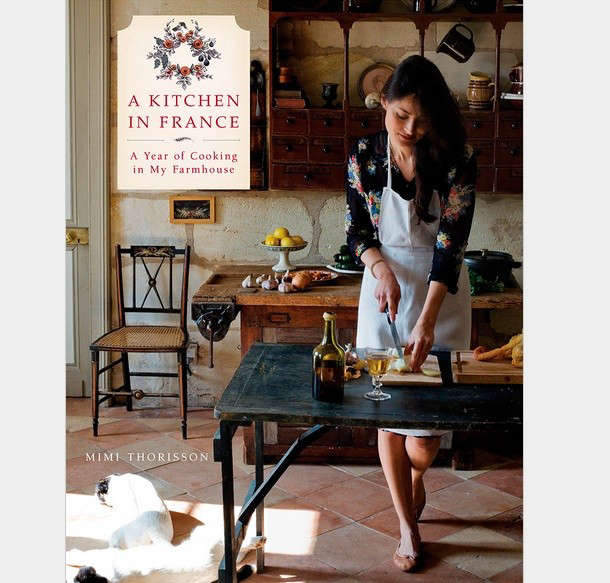
There are cookbooks that tell you how to make dinner, and then there are cookbooks that make you want to sell your sectional sofa, buy linen napkins, and start calling butter “a lifestyle choice.” A Kitchen in France: A Year of Cooking in My Farmhouse by Mimi Thorisson belongs firmly in the second category. It is not merely a French cookbook. It is a mood, a menu, a travel daydream, and, frankly, a very persuasive argument for eating more seasonal food in rooms with old stone walls.
Published as a lavish farmhouse cooking book, A Kitchen in France follows a year of meals in Thorisson’s home in Médoc, a wine-growing region in southwest France known for vineyards, forests, Atlantic air, and the kind of ingredients that make a person suddenly believe in destiny. The book grew out of her celebrated food blog, Manger, where she shared French family recipes, market finds, and the daily rhythm of cooking for a large household. Her husband, photographer Oddur Thorisson, captured the world around the table: children, dogs, markets, copper pans, countryside light, and food that looks rustic enough to be approachable but elegant enough to make a Tuesday feel like a small national holiday.
For readers searching for A Kitchen in France, Mimi Thorisson cookbook, French farmhouse cooking, seasonal French recipes, or farmhouse kitchen inspiration, this book remains a rich source of culinary atmosphere. It reminds us that cooking is not just about producing calories. It is about season, place, memory, people, and the mysterious ability of a roast chicken to fix almost anything, at least temporarily.
What Makes A Kitchen in France So Irresistible?
The charm of A Kitchen in France: A Year of Cooking in My Farmhouse begins with its structure. Rather than arranging recipes only by course, the book moves through the seasons. This makes perfect sense for French country cooking, where the market often decides dinner before the cook does. Spring brings tenderness and green things. Summer arrives with abundance and sun-drenched produce. Autumn leans into mushrooms, game, apples, pears, and nuts. Winter settles in with stews, gratins, roasts, and desserts that seem designed for people wearing thick socks.
This seasonal approach gives the book its pulse. It is not trying to make French cuisine feel fussy or locked behind restaurant doors. Instead, it places French food back where much of it began: at home, on a table, surrounded by family, friends, and probably one dog hoping for a miracle under the chair.
Thorisson’s cooking style balances rusticity and glamour. On one page, you may find a deeply comforting winter vegetable cocotte. On another, a pear flognarde, a butternut squash gratin, or cèpe and parsley tartlets that sound like they should be eaten while wearing a cashmere sweater near a fireplace. The recipes are often traditional in spirit, but they are presented with a home cook’s warmth. They invite you to cook well without pretending you are auditioning for a Michelin inspector hiding behind the curtains.
The Farmhouse as the Heart of the Cookbook
The farmhouse in Médoc is not just scenery. It is practically a character. The kitchen, pantry, garden, market baskets, and dining table shape the way the food comes together. In this world, meals are not isolated events. They are part of a day: shopping, chopping, stirring, tasting, setting the table, calling everyone in, and hoping the dessert survives long enough to be photographed.
The French farmhouse kitchen in this book has a particular magic because it feels lived in. It is beautiful, yes, but not sterile. It is not the sort of kitchen where a single lemon sits alone in a marble bowl looking emotionally unavailable. It is a working kitchen, filled with produce, flour, herbs, pans, and the pleasant chaos of family life. That matters because it changes how readers experience the recipes. The food feels connected to real hunger and real people.
Médoc also gives the cookbook a strong sense of place. The region’s vineyards, coastal proximity, forests, and markets influence the ingredients and the mood. Mushrooms, wine, herbs, seafood, orchard fruit, cream, butter, and seasonal vegetables all feel at home here. The book’s food is French, but more specifically, it is rural southwestern French cooking filtered through Thorisson’s family life and personal taste.
Seasonal French Cooking Without the Snobbery
One reason A Kitchen in France continues to attract home cooks is that it makes seasonal cooking feel romantic rather than preachy. Nobody wants to be scolded by a turnip. Thorisson’s approach is gentler: choose what is ripe, cook it generously, and let the ingredient lead.
This is the kind of cooking that rewards attention. A tomato at its peak does not need a committee meeting. A handful of wild mushrooms can change the direction of dinner. Apples become a tart, pears become a flognarde, squash becomes a gratin, and leftover bread may suddenly find a higher calling. The farmhouse pantry is not about having every luxury product in the world. It is about having the right staples: good butter, eggs, cream, flour, onions, garlic, herbs, wine, salt, pepper, and the confidence to use them.
Spring: Fresh Starts and Market Greens
Spring in a French farmhouse kitchen is a relief after the heaviness of winter. The cooking becomes lighter but not fragile. Think tender lettuces, asparagus, peas, herbs, young onions, eggs, and fresh cheeses. A spring meal inspired by the book might begin with a simple salad of greens and crispy shallots, followed by a roast chicken brightened with herbs and crème fraîche. Dessert could be something fruit-based, creamy, and just sweet enough to make everyone stop talking for exactly seven seconds.
Summer: The Glorious Overcommitment of Produce
Summer is when the farmhouse table becomes a parade float for vegetables. Tomatoes, zucchini, eggplant, peppers, berries, peaches, herbs, and stone fruits tumble into meals. This is the season for long lunches, open windows, chilled wine, grilled meats, simple tarts, and salads that look like someone spilled sunshine into a bowl. The best summer cooking does not try too hard. It slices, dresses, grills, roasts, and serves.
Autumn: Mushrooms, Wine, and Golden Everything
Autumn may be the most cinematic season in A Kitchen in France. The colors deepen, the dishes grow richer, and mushrooms take on a starring role. Cèpes, walnuts, pumpkins, apples, pears, and roasted meats belong to this chapter of the year. A dish like cèpe and parsley tartlets captures what the book does so well: it takes something earthy and local, then gives it a polished French frame without sanding away its rustic soul.
Winter: Comfort Food With Good Manners
Winter farmhouse cooking is where the book becomes especially cozy. This is the season of cocottes, gratins, soups, roasted birds, caramel, custard, and slow meals that ask nothing more of you than patience and a decent appetite. Winter vegetable cocotte, garbure des Pyrénées, roast guinea hen, and salted butter desserts all fit the mood. It is comfort food, but with posture.
Signature Dishes and What They Teach Home Cooks
The recipes associated with A Kitchen in France reveal a pattern: simple ingredients, generous flavors, and traditional techniques used without intimidation. Roast chicken with herbs and crème fraîche is a perfect example. It takes a familiar dish and gives it French farmhouse depth through cream, herbs, and careful roasting. The lesson is not that chicken needs to be complicated. The lesson is that small upgrades matter.
Butternut squash gratin teaches another important farmhouse principle: vegetables deserve ceremony. Too often, vegetables are treated as the sidekick who gets one line in the movie. In French country cooking, they can become the plot. Add cream, seasoning, heat, and a browned top, and suddenly squash is no longer “the healthy thing.” It is the dish people politely pretend not to be guarding.
Roquefort and walnut gougères show the book’s entertaining spirit. Gougères are cheese puffs made from choux pastry, and when flavored with bold blue cheese and walnuts, they become the kind of appetizer that makes guests hover near the kitchen door like friendly raccoons. They are elegant but playful, which is exactly the tone Thorisson often captures.
Then there are the sweets: apple tart with orange flower water, crêpes with salted-butter caramel, pear flognarde, cannelés de Bordeaux, and caramel desserts that understand the importance of drama. French farmhouse desserts rarely scream. They wink. They rely on fruit, dairy, eggs, pastry, butter, and sugar, arranged with enough care to feel special but not so much fuss that the cook has to lie down afterward.
Why the Book Works as More Than a Cookbook
Many readers love A Kitchen in France because it functions as both cookbook and escape hatch. The photography, storytelling, and seasonal organization make it enjoyable even when you are not actively cooking. You can read it the way people read travel writing: for atmosphere, sensory pleasure, and a temporary relocation of the imagination.
That does not mean the book is only aspirational. Underneath the beauty is a practical philosophy: cook often, cook seasonally, feed people, and let meals become part of the architecture of family life. The book’s glamour is real, but its deeper message is surprisingly grounded. You do not need a farmhouse in Médoc to apply its lessons. You need a market, a table, a few good ingredients, and the willingness to stop treating dinner like an emergency.
It also helps that Thorisson’s world celebrates abundance without turning it into excess. Platters are full. Tables are layered. Children are present. Guests are included. The kitchen is not sealed away from the party; it is where the party begins. That idea feels especially relevant for modern home cooks who want hospitality to feel generous, not performative.
How to Bring the A Kitchen in France Feeling Into an American Kitchen
You do not need French shutters, antique copper, or a vineyard next door to cook in the spirit of A Kitchen in France. Although, admittedly, the vineyard would not hurt. The real method is more accessible: shop seasonally, keep meals generous, use good staples, and make the table feel welcoming.
Start With the Market, Not the Recipe
Before choosing a menu, look at what is best right now. In spring, that might be asparagus and eggs. In summer, tomatoes and peaches. In autumn, mushrooms and apples. In winter, root vegetables and braising cuts. This approach makes meals taste better because the ingredients are doing half the work. Lazy? No. Efficiently delicious.
Upgrade Simple Dishes
A roast chicken becomes memorable with fresh herbs, crème fraîche, garlic, and proper resting time. Potatoes become dinner-party worthy with onions, butter, and patience. A salad becomes French-ish with shallots, mustard, good vinegar, and a little crunch. The trick is not to make food complicated. It is to make simple food feel cared for.
Let the Table Look Alive
One of Thorisson’s strongest visual lessons is that food itself can decorate a table. Bowls of fruit, a loaf of bread, herbs in a jar, walnuts in a dish, or a tart cooling on the counter can do more for atmosphere than expensive décor. A table should look as if people are about to gather, not as if a catalog is holding everyone hostage.
Cook for Conversation
Farmhouse meals are not plated like tiny edible sculptures. They are shared. They invite passing, serving, reaching, laughing, and occasionally negotiating over the last spoonful of gratin. Choose dishes that can sit comfortably on the table: roasts, salads, tarts, soups, gratins, braises, and desserts that do not collapse if someone tells a long story before coffee.
The SEO Appeal of A Kitchen in France
From a content perspective, A Kitchen in France: A Year of Cooking in My Farmhouse has lasting search appeal because it sits at the intersection of several evergreen topics: French cooking, cookbook reviews, farmhouse kitchens, seasonal recipes, rustic entertaining, French lifestyle, and culinary travel. These themes remain strong because they answer both practical and emotional searches.
A reader may begin by searching for a Mimi Thorisson recipe and end up wanting to understand French country cooking as a whole. Another may search for farmhouse kitchen inspiration and discover that the real appeal is not just the cabinetry or the range, but the rhythm of cooking and gathering. This is why the book continues to work online. It gives readers a fantasy, but it also hands them a wooden spoon.
For Google and Bing optimization, the topic naturally supports related terms such as French farmhouse recipes, seasonal French cookbook, Médoc cooking, rustic French meals, French country entertaining, and farmhouse kitchen ideas. Used naturally, these keywords help connect the article with readers interested in food, lifestyle, travel, and home inspiration without sounding like a robot fell into a basket of baguettes.
Experience Section: Cooking Through the Farmhouse Fantasy
The most relatable way to experience A Kitchen in France is not to copy the scenery, but to copy the rhythm. I once tried to recreate the feeling of a French farmhouse meal in a very non-French kitchen with a humming refrigerator, one wobbly chair, and a smoke alarm that considered itself part of the family. The result was not Médoc, exactly, but it did prove something important: atmosphere begins with intention.
I started with a market basket approach. Instead of building the meal from a rigid recipe, I bought what looked best: mushrooms, small potatoes, herbs, pears, a chicken, and a loaf of crusty bread. Nothing was rare or expensive. The magic came from treating those ingredients as if they deserved attention. The potatoes were roasted with thyme and sea salt until their edges crisped. The mushrooms were cooked slowly with butter, garlic, and parsley until they smelled like autumn had moved into the pan. The chicken roasted while the kitchen windows fogged slightly, which felt dramatic in the best possible way.
The table was simple: mismatched plates, folded napkins, a candle that leaned like it had secrets, pears in a bowl, and bread on a wooden board. There were no floral arrangements, no formal place cards, and no heroic centerpiece blocking everyone’s face. The food did the decorating. This is one of the great farmhouse lessons. A table does not need to be perfect to be beautiful. It needs to be alive.
Dinner unfolded slowly. People drifted into the kitchen before the meal was ready, which used to make me nervous. That night, I let it happen. Someone opened wine. Someone tore bread too early. Someone asked if they could help and was given a spoon, which is the universal symbol for “yes, but please do not reorganize my entire kitchen.” The meal became less about presentation and more about participation.
The best dish was not the most impressive one. It was the mushrooms, because they tasted like the season. The pears became dessert with cream and a little caramel, not because I had planned a grand finale, but because ripe pears were there and practically waving. That is the spirit of A Kitchen in France: cook from what is present, make it generous, and trust that a meal can be memorable without becoming a performance review.
The experience also changed how I thought about everyday cooking. A farmhouse kitchen is not defined by location. It is defined by habits. Shop with curiosity. Cook with the season. Use the good butter. Put something warm in the center of the table. Let guests enter the kitchen. Feed children real food. Do not panic if the tart is uneven; call it rustic and move confidently onward. The French have been getting away with this for centuries.
Most importantly, the book encourages a kinder relationship with time. Modern meals often feel rushed, optimized, and squeezed between obligations. The farmhouse model asks for a little more patience. Not perfection. Just patience. Let onions soften properly. Let dough rest. Let a roast sit before carving. Let people linger after dessert. A year of cooking in a farmhouse is really a year of paying attention, one meal at a time.
Conclusion
A Kitchen in France: A Year of Cooking in My Farmhouse endures because it offers more than recipes. It offers a way of seeing food: seasonal, generous, beautiful, and deeply connected to home. Mimi Thorisson’s farmhouse kitchen in Médoc may look like a dream, but the principles behind it are practical enough for any cook. Buy what is ripe. Cook with care. Serve with abundance. Invite people in. Keep dessert close.
Whether you are looking for French farmhouse cooking, seasonal recipe inspiration, rustic entertaining ideas, or simply a cookbook that makes dinner feel like a small adventure, A Kitchen in France delivers. It reminds us that the best meals are not always the most complicated. Sometimes they are the ones that begin with a market basket, pass through a warm kitchen, and end with everyone staying at the table just a little longer than planned.