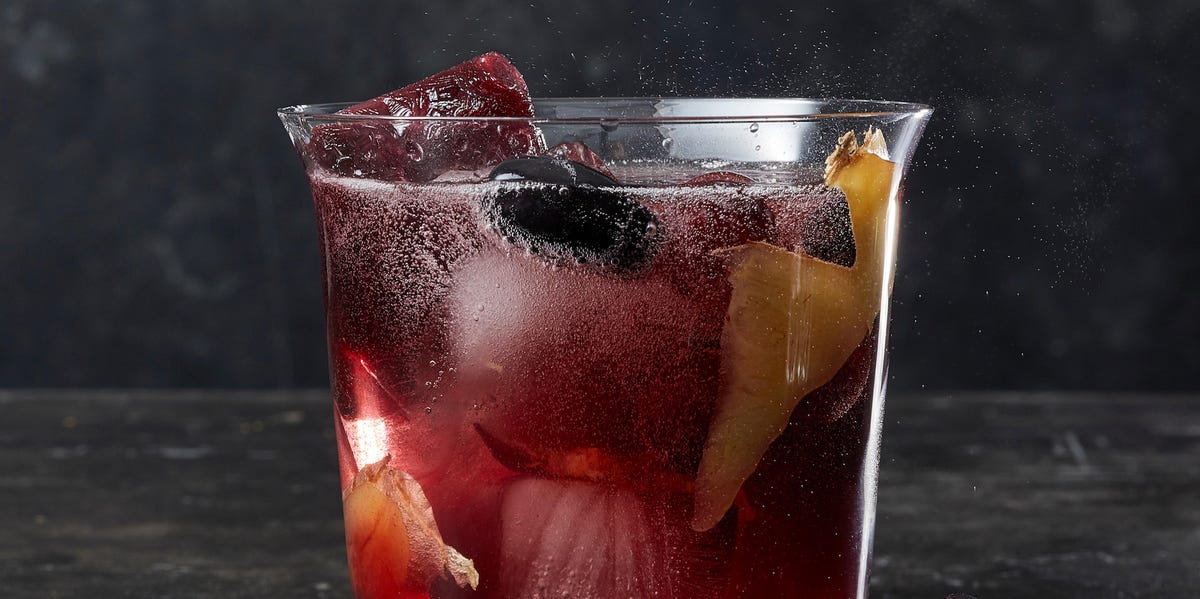
If a regular pitcher of sangria is a pool party, sparkling ginger sangria is the same party wearing better shoes. It is bright, bubbly, fruit-filled, lightly spicy, and just fancy enough to make guests ask, “Wait, did you make this?” Yes, you did. And no, you do not need a bartender’s vest, a citrus grove, or a dramatic slow-motion pour to pull it off.
This sparkling ginger sangria recipe combines chilled sparkling wine, fresh ginger, juicy fruit, citrus, and a touch of sweetness for a refreshing party drink that works beautifully for brunch, bridal showers, summer cookouts, holiday gatherings, and those “I cleaned the patio, therefore I deserve bubbles” evenings. The ginger gives the drink a snappy warmth, while the sparkling wine keeps everything crisp and celebratory.
The best part? Sangria is forgiving. It wants you to relax. You can use Prosecco, Cava, sparkling white wine, or even a nonalcoholic sparkling wine. You can lean summery with berries and peaches, fall-friendly with apples and pears, or holiday-ready with cranberries and orange slices. Once you understand the simple formula, you can make sparkling ginger sangria without staring at a recipe like it owes you money.
What Is Sparkling Ginger Sangria?
Sparkling ginger sangria is a bubbly twist on traditional sangria, the fruit-and-wine punch known for combining wine, fresh fruit, citrus, and sometimes brandy or liqueur. Instead of using only still wine, this version uses sparkling wine or adds a fizzy topper such as ginger beer, ginger ale, club soda, or sparkling water.
The “ginger” part can come from fresh grated ginger, sliced ginger, ginger syrup, ginger beer, or ginger ale. Fresh ginger gives the cleanest, spiciest flavor. Ginger beer adds bold bite and extra fizz. Ginger ale gives a softer, sweeter finish. For the best balance, this recipe uses fresh ginger in the fruit mixture and adds bubbles at the end so the sangria stays lively instead of going flat before your guests even find the cheese board.
Why This Is the Best Sparkling Ginger Sangria Recipe
A great sangria should taste refreshing, not like fruit salad fell into a bottle of bargain wine and panicked. This recipe keeps the flavors layered but simple: fruit for sweetness, citrus for brightness, ginger for warmth, and sparkling wine for a crisp, festive finish.
It Is Easy to Make Ahead
You can prep the fruit, ginger, citrus juice, and sweetener a few hours before serving. That resting time allows the fruit to release its juices and absorb the flavors. Right before serving, add the sparkling wine or bubbly topper. This keeps the drink fresh, fizzy, and photogenic.
It Uses Flexible Ingredients
No grapes? Use berries. No peaches? Use apples. No Prosecco? Try Cava. This ginger sangria recipe is built for real kitchens, not fantasy kitchens where every ingredient is magically waiting in a marble pantry.
It Tastes Fancy Without Being Fussy
The combination of ginger, citrus, and sparkling wine makes the drink taste sophisticated, but the method is mostly slice, stir, chill, and pour. In other words, it offers maximum “host with taste” energy for minimum kitchen gymnastics.
Ingredients for Sparkling Ginger Sangria
This recipe makes about 6 servings. For a party, double it and use a large drink dispenser or two pitchers.
Main Ingredients
- 1 bottle chilled Prosecco, Cava, or dry sparkling white wine – Choose something crisp and drinkable, but not expensive. Sangria is not the place to sacrifice your special-occasion Champagne.
- 1 cup ginger beer or ginger ale, chilled – Ginger beer gives a stronger spicy kick; ginger ale makes the drink sweeter and gentler.
- 2 tablespoons fresh ginger, grated – Fresh ginger creates a clean, zesty flavor that bottled mixers cannot fully copy.
- 1 orange, thinly sliced – Adds citrus aroma and color.
- 1 lemon or lime, thinly sliced – Brightens the sangria and balances sweetness.
- 1 cup green grapes, halved – They soak up flavor and look beautiful in the pitcher.
- 1 cup sliced peaches, apples, or pears – Use peaches in summer, apples or pears in fall and winter.
- 1/2 cup berries or cranberries – Strawberries, raspberries, blueberries, or cranberries add color and a tart-sweet note.
- 2 to 3 tablespoons honey, simple syrup, or brown sugar – Adjust based on the sweetness of your wine and fruit.
- 1/4 cup orange liqueur or brandy, optional – Adds depth and a classic sangria flavor.
- Ice, for serving – Add ice to glasses, not the pitcher, to avoid watering down the whole batch.
- Mint, rosemary, or extra citrus slices, for garnish – Optional but lovely.
How to Make Sparkling Ginger Sangria
Step 1: Prepare the Fruit
Wash and slice the fruit. Thin slices work best because they release flavor quickly and look elegant in the pitcher. Halve grapes so they can absorb the ginger-citrus mixture. If you are using apples or pears, slice them thinly and add a little citrus juice to help keep them from browning.
Step 2: Muddle the Ginger and Sweetener
In a large pitcher, combine the grated ginger, honey or simple syrup, and a handful of grapes or berries. Lightly muddle the mixture with a wooden spoon. You are not making jam, so do not attack the fruit like it insulted your family. A gentle press is enough to release juice and help the ginger bloom.
Step 3: Add Citrus and Fruit
Add the orange slices, lemon or lime slices, remaining grapes, peaches, apples, pears, and berries. Stir everything together so the fruit gets coated with the ginger-sweetened juices.
Step 4: Add Optional Liqueur
If you are using orange liqueur or brandy, add it now. Orange liqueur gives a bright, citrusy finish. Brandy adds warmth and a more traditional sangria flavor. Keep the amount modest so the drink stays refreshing rather than sneaky-powerful.
Step 5: Chill the Mixture
Cover the pitcher and refrigerate for at least 1 hour, or up to 4 hours. This resting time helps the fruit and ginger mingle. For sparkling sangria, shorter chilling is usually better than overnight soaking because delicate fruit can become mushy and citrus peel can turn bitter if left too long.
Step 6: Add the Bubbles
Right before serving, pour in the chilled sparkling wine and ginger beer or ginger ale. Stir gently. Do not stir aggressively unless your goal is to remove all the bubbles and disappoint everyone in one swift motion.
Step 7: Serve Over Ice
Fill glasses with ice, spoon in some of the fruit, and pour the sparkling ginger sangria over the top. Garnish with mint, rosemary, citrus slices, or a thin piece of fresh ginger along the side of the glass.
Best Wine for Sparkling Ginger Sangria
The best wine for sparkling ginger sangria is dry, crisp, and affordable. Because the drink includes fruit, ginger, and sweetener, you do not need a luxury bottle. You need a sparkling wine that tastes pleasant and has enough acidity to keep the drink refreshing.
Prosecco
Prosecco is fruity, light, and easy to find. It usually has notes of apple, pear, citrus, and flowers, which work beautifully with ginger and fresh fruit. Choose Brut Prosecco if you want the drink less sweet.
Cava
Cava is a Spanish sparkling wine with a drier, more citrusy personality. It is a great choice if you want a sangria that feels crisp and less sugary. Cava also fits nicely with sangria’s Spanish roots.
Sparkling Rosé
Sparkling rosé gives the drink a gorgeous pink color and pairs well with berries, peaches, and citrus. Use it when you want your pitcher to look like it has its own social media manager.
Nonalcoholic Sparkling Wine
For a mocktail version, use nonalcoholic sparkling wine or sparkling white grape juice, then add ginger beer, citrus, and fruit. Reduce the added sweetener if your nonalcoholic base is already sweet.
Ginger Beer vs. Ginger Ale: Which Should You Use?
Both work, but they create different results. Ginger beer is usually bolder, spicier, and less candy-like. It gives the sangria a lively kick that stands up well to citrus and sparkling wine. Ginger ale is smoother and sweeter, which makes the drink softer and more crowd-friendly.
If your guests love ginger, choose ginger beer. If you are serving a mixed crowd or want a lighter brunch drink, use ginger ale. You can also split the difference by using half ginger beer and half club soda for spice without too much sweetness.
Best Fruit for Sparkling Ginger Sangria
The best fruit depends on the season and the mood of your gathering. Sangria is very adaptable, so choose fruit that is ripe, colorful, and sturdy enough to sit in liquid without falling apart too quickly.
Summer Fruit
Peaches, nectarines, strawberries, raspberries, blueberries, blackberries, oranges, and grapes are excellent for a summer sparkling sangria. They add juicy sweetness and make the drink look sunny and relaxed.
Fall Fruit
Apples, pears, oranges, cranberries, and pomegranate arils create a beautiful fall version. Add a cinnamon stick if you want a cozy note, but keep it subtle so it does not overpower the ginger.
Holiday Fruit
For a festive holiday sangria, use cranberries, orange slices, pomegranate, pear, and rosemary. The colors are stunning, and the ginger makes the drink feel seasonal without turning it into a spice cabinet.
Tips for the Best Sparkling Ginger Sangria
Add Sparkling Wine Last
This is the golden rule. If you add sparkling wine hours before serving, the bubbles fade. Prep the fruit mixture ahead, then add the sparkling wine and ginger beer right before guests arrive.
Use Chilled Ingredients
Warm sparkling sangria is not charming. Chill the wine, ginger beer, fruit, and pitcher if possible. Cold ingredients keep the drink crisp and reduce the need for too much ice.
Do Not Over-Sweeten
Start with less sweetener and add more only if needed. Fruit, Prosecco, and ginger ale can all bring sweetness. A good sparkling ginger sangria should taste bright, not syrupy.
Serve Fruit in Every Glass
The fruit is not decoration; it is part of the experience. Spoon some fruit into each glass before pouring. Guests love the boozy fruit, and honestly, it is half the reason sangria has such a loyal fan club.
Keep It Cold and Fresh
Because sangria includes cut fruit, keep it refrigerated until serving and do not leave it sitting out for long periods. For outdoor gatherings, place the pitcher in a bowl of ice or serve smaller batches.
Flavor Variations
Peach Ginger Sparkling Sangria
Use sliced peaches, raspberries, orange slices, Prosecco, and ginger beer. This version is perfect for summer parties and weekend brunch.
Apple Pear Ginger Sangria
Use apples, pears, orange slices, Cava, ginger ale, and a cinnamon stick. It tastes like fall decided to put on a sparkling dress.
Cranberry Orange Ginger Sangria
Use cranberries, orange slices, pomegranate arils, sparkling rosé, and ginger beer. Garnish with rosemary for a holiday-ready pitcher.
Spicy Citrus Ginger Sangria
Add grapefruit, lime, orange, extra fresh ginger, and a splash of club soda. This version is tart, bright, and excellent with salty snacks.
Mocktail Sparkling Ginger Sangria
Use nonalcoholic sparkling wine, ginger beer, orange juice, lemon slices, grapes, and berries. Skip the liqueur and reduce the sweetener. It is festive enough for everyone at the table.
What to Serve with Sparkling Ginger Sangria
This drink pairs well with foods that are salty, citrusy, creamy, or lightly spicy. Think cheese boards, shrimp tacos, grilled chicken skewers, fruit salad, brunch casseroles, smoked salmon bites, prosciutto-wrapped melon, or roasted nuts.
For brunch, serve it with quiche, croissants, berry pancakes, or avocado toast. For a summer cookout, pair it with grilled fish, chicken, vegetable kebabs, or a bright citrus salad. For the holidays, serve it beside baked brie, charcuterie, roasted turkey sliders, or cranberry appetizers.
Make-Ahead and Storage Instructions
You can prepare the fruit, ginger, citrus, sweetener, and optional liqueur up to 4 hours ahead. Keep the mixture covered in the refrigerator. Add sparkling wine and ginger beer right before serving.
Leftover sparkling ginger sangria can be refrigerated, but it will lose bubbles over time. It is best enjoyed the same day. If you expect leftovers, store the fruit base separately and add sparkling wine only to the portion you plan to serve.
Common Mistakes to Avoid
Using Expensive Champagne
Save premium Champagne for sipping on its own. Sangria works best with a good but affordable sparkling wine. Once fruit, ginger, and citrus join the party, subtle luxury notes can get lost.
Adding Too Much Ginger
Fresh ginger is powerful. Start with 2 tablespoons grated ginger for one bottle of sparkling wine. Add more only if you want a noticeably spicy sangria.
Letting Citrus Sit Too Long
Citrus peel can become bitter after extended soaking. If making the fruit base far ahead, add citrus slices closer to serving or use mostly citrus juice instead of many peel-on slices.
Pouring Ice Into the Pitcher
Ice melts quickly and waters down the entire batch. Add ice to individual glasses instead. Your future self, holding a still-flavorful second glass, will be grateful.
Kitchen Notes and Real-Life Experience with Sparkling Ginger Sangria
The first time I made sparkling ginger sangria for a gathering, I learned two things very quickly. First, people hear the word “sangria” and immediately drift toward the pitcher like it has a tiny magnetic field. Second, ginger is the ingredient that makes them pause after the first sip and say, “Oh, that’s good.” Not just polite good. Not “I am standing in your kitchen and must be kind” good. Real good.
What makes this drink memorable is the balance. Regular sangria can sometimes become heavy, especially when it is packed with sweet juice, sugar, and extra liquor. Sparkling ginger sangria feels lighter. The bubbles lift the fruit flavors, and the ginger gives the finish a clean, bright snap. It is the difference between a drink that simply tastes fruity and one that feels refreshing from start to finish.
In practice, the best version usually comes from restraint. Use enough fruit to make the pitcher colorful, but not so much that guests need a fork. Add enough sweetener to round the edges, but not so much that the drink becomes dessert with a driver’s license. Add enough ginger to notice it, but not so much that everyone feels like they accidentally ordered wellness juice at a spa.
For summer, peaches and berries are hard to beat. Sliced peaches soften slightly in the wine, while berries add color and a little tartness. For fall, apples and pears are sturdier and hold their shape well. Around the holidays, cranberries and pomegranate make the pitcher look instantly festive, even if the rest of your decorating strategy is “one wreath and emotional support candles.”
Another hosting lesson: always chill more sparkling wine than you think you need. Sangria has a way of disappearing faster than expected. If guests are helping themselves, keep a backup bottle cold and a small bowl of extra sliced fruit ready. You can refresh the pitcher in less than a minute, which makes you look organized even if you are secretly wondering where you left the serving spoon.
For outdoor parties, serve the sangria in smaller batches instead of putting the whole pitcher in the sun. Keep the fruit base in the refrigerator or cooler, then add chilled bubbles as needed. This keeps the drink crisp and prevents the fruit from getting tired. Tired fruit is not dangerous as a personality trait, but it is not ideal in a cocktail.
If you are serving this at brunch, go lighter with the liqueur and use ginger ale or a mild ginger beer. If you are serving it at night with appetizers, ginger beer and Cava make a drier, sharper version that pairs well with salty snacks. For a mocktail pitcher, nonalcoholic sparkling wine plus ginger beer and citrus works surprisingly well. The trick is to keep it cold and garnish generously so it still feels special.
Ultimately, the best sparkling ginger sangria recipe is the one that fits your table. Keep the basic formula: fruit, ginger, citrus, chill time, and bubbles at the end. Once you have that down, you can adjust the fruit, sweetness, and sparkle for any season. It is simple, flexible, and cheerfulthe kind of drink that makes a regular afternoon feel like an occasion, even if the occasion is just “we found clean glasses.”
Conclusion
Sparkling ginger sangria is one of the easiest ways to turn a few fresh ingredients into a festive, crowd-pleasing drink. With crisp sparkling wine, fresh ginger, juicy fruit, citrus, and a splash of ginger beer or ginger ale, this recipe delivers bright flavor without complicated steps. The secret is simple: let the fruit and ginger mingle, keep everything cold, and add the bubbles right before serving.
Whether you are planning brunch, a summer party, a holiday dinner, or a casual weekend gathering, this sparkling ginger sangria recipe is flexible enough to match the season. Use peaches and berries for warm weather, apples and pears for fall, or cranberries and pomegranate for a festive winter pitcher. Serve it cold, spoon fruit into every glass, and enjoy responsibly.
SEO Tags
Note: This recipe is intended for adults of legal drinking age. For gatherings with mixed guests, prepare a nonalcoholic sparkling ginger sangria option so everyone can enjoy a festive glass.