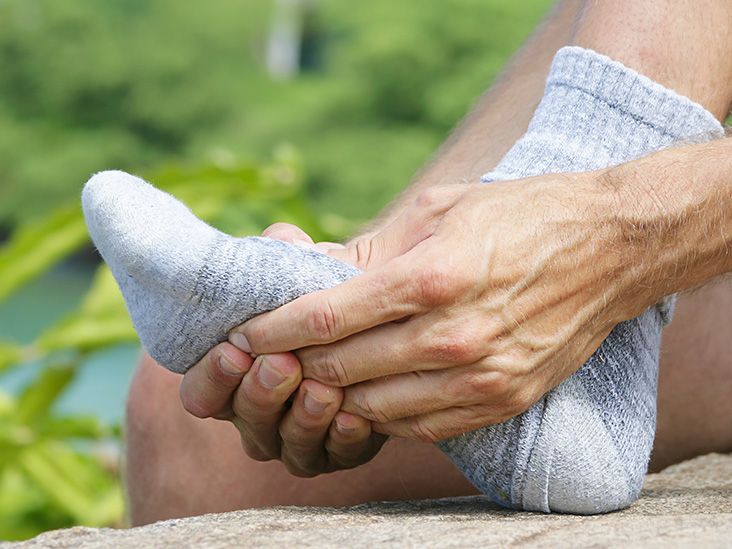
A bump on top of the foot can feel like your foot suddenly decided to grow a tiny roommate. Sometimes it is soft and squishy. Sometimes it is hard like a pebble under the skin. Sometimes it hurts only when shoes press on it, and sometimes it seems to appear out of nowhere, like a surprise guest who did not RSVP.
The good news: many bumps on the top of the foot are benign, especially ganglion cysts, bone spurs, bursitis, lipomas, or swelling after irritation. The not-so-fun news: you cannot reliably diagnose every foot lump by staring at it in the bathroom mirror. Location, texture, pain level, growth pattern, and medical history all matter.
This guide explains the most common causes of a bump on top of the foot, how doctors diagnose it, which treatments may help, and when a foot lump deserves prompt medical attention. Consider this your calm, practical, no-panic roadmap for figuring out what your foot may be trying to tell you.
What does a bump on top of the foot mean?
A bump on the top of the foot is a visible or felt swelling, lump, knot, or raised area over the bones, joints, tendons, or soft tissues of the foot. It may be small like a pea, broad like a raised ridge, soft and movable, firm and fixed, painful, painless, red, warm, or skin-colored.
The top of the foot is a busy neighborhood. It contains small bones, tendons, joints, nerves, blood vessels, ligaments, and thin skin with very little padding. Because there is not much cushioning, even a small lump can become noticeable quickly, especially when wearing lace-up shoes, boots, running shoes, or anything with a stiff upper.
Doctors usually think about foot bumps in two broad categories: soft tissue lumps and bony lumps. A soft tissue lump may come from a cyst, inflamed bursa, fatty growth, tendon sheath, skin cyst, or swelling after injury. A hard lump may involve a bone spur, arthritis-related change, old injury, or less commonly, a bone tumor.
Common causes of a bump on top of the foot
1. Ganglion cyst
A ganglion cyst is one of the most common explanations for a lump on top of the foot. It is a fluid-filled sac that usually forms near a joint, ligament, or tendon. The fluid inside is often described as thick or jelly-like. Charming? Not exactly. Common? Yes.
A ganglion cyst may look round or oval and may feel smooth, firm, or slightly squishy. It can change size over time, and in some cases, it may shrink or disappear on its own. On the foot, a ganglion can become annoying because shoes press directly on it. Even a harmless cyst can feel dramatic when your sneaker keeps poking it every time you walk.
Symptoms may include a visible lump, aching, pressure, tenderness, tingling, numbness, or discomfort when moving the foot. If the cyst presses on a nerve, it may cause pins-and-needles sensations or a burning feeling. Many ganglion cysts do not need treatment unless they hurt, interfere with footwear, limit movement, or keep coming back.
2. Bone spur or osteophyte
A bone spur, also called an osteophyte, is an extra growth of bone. On the top of the foot, bone spurs often develop near joints that experience repeated stress, pressure, arthritis, or old injury. They may feel like a hard, fixed bump that does not move under the skin.
Bone spurs are not always painful. Some people discover them only after an X-ray for another issue. But when a spur sits where shoes rub, it can cause irritation, swelling, redness, callus formation, or pain with walking. A bone spur on top of the midfoot may feel worse in tight shoes or after long periods of standing.
Treatment depends on symptoms. Comfortable shoes, padding, orthotics, activity changes, ice, anti-inflammatory medication when appropriate, physical therapy, and injections may help. Surgery is usually reserved for cases where pain persists despite conservative care or the bump severely limits daily activity.
3. Bursitis
A bursa is a small fluid-filled cushion that helps reduce friction near joints and tendons. When a bursa becomes irritated, it can swell and form a tender bump. On the top of the foot, bursitis may develop from repeated shoe pressure, a nearby bone spur, overuse, or abnormal foot mechanics.
Bursitis often feels sore when pressed. The area may be swollen, warm, or irritated, especially after wearing tight footwear. In many cases, treatment focuses on removing the pressure: switching shoes, adding padding, resting the area, icing, and addressing the mechanical reason the bursa became angry in the first place. Yes, your bursa can hold a grudge.
4. Injury-related swelling
A bump may appear after dropping something on the foot, twisting it, overtraining, or bumping it against furniture. Injury-related swelling may involve a bruise, hematoma, sprain, tendon irritation, or fracture. If the bump appears suddenly after trauma and comes with bruising, sharp pain, or trouble bearing weight, it should be checked.
Minor swelling may improve with rest, ice, elevation, and reduced activity. However, a stress fracture or small bone injury may not be obvious at first. Pain that worsens with walking, improves with rest, and returns with activity deserves medical evaluation, especially in athletes, runners, dancers, and people who recently increased training.
5. Lipoma
A lipoma is a benign fatty lump under the skin. It usually feels soft, rubbery, and movable. Lipomas are more common in other parts of the body, but they can occur near the foot or ankle. They are usually painless unless they press on nearby structures or sit in a spot where shoes rub.
Doctors may monitor a lipoma if it is small, stable, and not causing symptoms. If it grows, becomes painful, changes quickly, or creates uncertainty about the diagnosis, imaging or removal may be recommended.
6. Skin cyst or blocked gland
A skin cyst may develop when keratin or other material becomes trapped under the skin. These cysts can feel round and may have a small central opening. If irritated or infected, the area may become red, warm, tender, or filled with drainage.
Do not squeeze a suspicious foot cyst like it is a social media pimple-popping video. The foot is not the place for amateur surgery. Squeezing can worsen inflammation or introduce infection. A clinician can determine whether the lump is a cyst, wart, abscess, or something else.
7. Gout or inflammatory arthritis
Gout most famously attacks the big toe joint, but inflammatory joint problems can affect other parts of the foot. A gout flare may cause sudden pain, swelling, redness, warmth, and extreme tenderness. Even a bedsheet can feel like a medieval torture device during a severe flare.
If a bump-like swelling is hot, red, and intensely painful, especially if it develops quickly, a doctor may check for gout, infection, or another inflammatory condition. Treatment depends on the cause and may include medication, lifestyle adjustments, and management of underlying risk factors.
8. Bunions and joint deformities
Bunions usually form near the big toe joint, but changes in foot alignment can create bumps along the top or sides of the foot. Arthritis, collapsed arches, high arches, or altered walking mechanics can place extra pressure on certain joints and tendons, leading to swelling, irritation, or bony enlargement.
When structure is part of the problem, treatment may involve shoe changes, custom or over-the-counter orthotics, stretching, strengthening, padding, physical therapy, or surgical discussion in more severe cases.
9. Rare causes, including tumors
Most top-of-foot bumps are not cancer. However, rare soft tissue or bone tumors can appear as a lump. A lump that grows quickly, is deep, firm, fixed, larger than expected, painful at night, associated with unexplained weight loss, or linked with numbness or weakness should be evaluated promptly.
This does not mean every foot bump is an emergency. It means persistent or unusual lumps should not be ignored for months while you hope your foot is simply “going through a phase.”
How doctors diagnose a bump on top of the foot
Diagnosis usually begins with a physical exam and a detailed history. Your doctor, podiatrist, or orthopedic specialist may ask when the bump appeared, whether it is growing, what makes it hurt, whether shoes aggravate it, whether there was an injury, and whether you have numbness, tingling, fever, arthritis, diabetes, gout, or a history of cancer.
Physical examination
The clinician will look at the size, shape, color, location, and texture of the lump. They may press on it to see whether it is soft, firm, movable, tender, warm, or attached to deeper tissue. They may check your range of motion, walking pattern, circulation, skin condition, and nerve function.
Transillumination
For a suspected ganglion cyst, a doctor may shine a light through the lump. Fluid-filled cysts may allow some light to pass through, while solid masses generally do not. This simple test does not replace imaging when the diagnosis is uncertain, but it can provide a useful clue.
X-ray
An X-ray can help identify bone spurs, arthritis, fractures, joint changes, or bony abnormalities. If the bump feels hard and fixed, an X-ray is often helpful. It may also be used when pain follows injury or when a stress fracture is suspected.
Ultrasound
Ultrasound can help determine whether a lump is fluid-filled or solid. It may also guide aspiration if a cyst needs to be drained. Ultrasound is useful because it is quick, does not involve radiation, and can show soft tissue structures in real time.
MRI
MRI may be recommended when the diagnosis is unclear, the lump is deep, symptoms are unusual, or a clinician wants a detailed look at soft tissues, tendons, joints, nerves, and bone marrow. MRI is especially helpful for complex cysts, suspected tumors, or lumps that do not behave like typical benign conditions.
Aspiration or biopsy
If a cyst is suspected, a clinician may use a needle to remove fluid. This can help confirm the diagnosis and sometimes reduce the size of the lump. If a mass appears solid, unusual, or concerning, a biopsy may be needed. A biopsy should be done by the right specialist, especially when cancer is part of the differential diagnosis.
Treatment options for a bump on top of the foot
Watchful waiting
If the bump is small, painless, stable, and clearly benign, your doctor may recommend observation. This is common with some ganglion cysts and lipomas. Observation means monitoring for changes, not pretending the lump has moved to another zip code.
Shoe changes
Footwear matters. Tight shoes, stiff uppers, narrow toe boxes, and hard laces can irritate a top-of-foot bump. Switching to shoes with more depth, softer material, adjustable lacing, or a wider fit may reduce pressure. In some cases, skipping a lace eyelet over the bump can help.
Padding and orthotics
Padding can protect the bump from rubbing. Orthotics may help redistribute pressure, support the arch, and improve foot mechanics. This is especially useful when a bone spur, bursitis, arthritis, or tendon irritation is linked to repeated stress.
Rest, ice, and elevation
For swelling related to irritation or minor injury, rest and ice may help. Wrap ice in a towel and use it for short sessions, often about 15 to 20 minutes at a time. Elevating the foot can reduce swelling. Avoid activities that make pain worse until symptoms improve.
Medication for pain and inflammation
Over-the-counter pain relievers such as acetaminophen or nonsteroidal anti-inflammatory drugs may help some people, but they are not right for everyone. People with stomach ulcers, kidney disease, liver disease, blood thinner use, pregnancy, or certain medical conditions should ask a healthcare professional before using them.
Aspiration
For a painful ganglion cyst, aspiration may be considered. During aspiration, a clinician drains the fluid with a needle. This can relieve pressure, but cysts may return because the sac or connection to the joint or tendon can remain. Aspiration should be performed by a trained medical professional, not by a brave friend with a sewing needle and questionable confidence.
Steroid injection
In some cases, a steroid injection may reduce inflammation, especially with bursitis or certain irritated joints. It may also be used after aspiration in selected cyst cases. The decision depends on the diagnosis, location, risks, and patient health history.
Physical therapy
Physical therapy can help when the bump is related to overuse, arthritis, tendon irritation, poor mechanics, or weakness. Treatment may include stretching, strengthening, balance work, gait training, footwear guidance, and strategies to reduce pressure on the irritated area.
Surgery
Surgery may be considered if conservative treatments fail, the bump keeps returning, pain is significant, footwear becomes difficult, nerve symptoms develop, or imaging shows a problem that is unlikely to improve without removal. Surgery may involve removing a ganglion cyst, shaving a bone spur, correcting a structural issue, or removing a mass for diagnosis and treatment.
When to see a doctor
Make an appointment if a bump on top of your foot lasts more than a few weeks, grows, becomes painful, changes color, interferes with walking, causes numbness or tingling, or keeps getting irritated by shoes. You should also seek care if you have diabetes, poor circulation, immune system problems, or a wound over the lump.
Seek urgent care if the bump appears after a significant injury, you cannot bear weight, the area is very red or hot, you have fever, there is drainage, pain is severe, or swelling spreads quickly. These signs may point to infection, fracture, or another condition that needs prompt treatment.
Can you prevent bumps on top of the foot?
You cannot prevent every ganglion cyst, bone spur, or soft tissue lump. However, you can reduce irritation and mechanical stress. Choose shoes that fit well, replace worn-out athletic shoes, avoid overly tight laces, build exercise intensity gradually, stretch and strengthen your feet and calves, and address recurring foot pain early.
If you have arthritis, gout, diabetes, flat feet, high arches, or previous foot injuries, routine foot care becomes even more important. Small problems are easier to manage before they become large, dramatic, and determined to ruin your favorite pair of shoes.
Real-world experiences and practical lessons
Many people first notice a bump on top of the foot because of shoes, not pain. One common story goes like this: everything feels normal while walking barefoot at home, but the moment a person puts on sneakers, the top of the foot starts aching. The lump may not look impressive, yet the pressure from a shoe upper or lace can make it feel much bigger than it is. This is often how ganglion cysts, bursitis, and bone spurs announce themselves.
Another familiar experience is the “I thought it was just swelling” situation. Someone increases running mileage, starts a new job that requires standing, or wears stiff dress shoes for several days. A tender raised area appears. At first, rest helps. Then the pain returns with activity. In cases like this, clinicians often want to rule out stress injury, tendon irritation, or a pressure-related bursa. The lesson is simple: if a bump follows a change in activity and pain keeps returning, do not keep pushing through it just to prove you are tough. Feet are useful. Treat them like employees you want to retain.
Some people describe a soft lump that changes size. It may look bigger after a long day and smaller in the morning. That pattern can happen with a ganglion cyst or fluid-related swelling. The frustrating part is that the lump may seem to improve right before the appointment, as if it knows it is being watched. Taking a photo when the bump is most visible can help your healthcare provider understand the pattern.
Others deal with a hard bump that slowly develops over months or years. It may be painless at first, then gradually becomes irritated by shoes. This experience is common with bony prominences or arthritis-related spurs. People often try looser shoes, padding, or different lacing patterns before seeking care. These strategies can help, but if the bump is caused by bone, it usually will not “dissolve” with creams, massage, or wishful thinking. Treatment is about reducing pressure and inflammation, and in selected cases, removing the spur.
A practical tip many patients learn the hard way: do not self-drain a lump. A ganglion cyst may look tempting to pop, but puncturing the skin at home can cause infection, bleeding, nerve injury, or a worse problem than the original bump. The top of the foot has important nerves and tendons close to the surface. This is not a DIY craft project.
Another lesson is that footwear changes can be surprisingly powerful. A shoe with a soft mesh upper, extra depth, or flexible lacing may reduce daily irritation. Some people benefit from skipping the eyelet directly over the bump or using a “window lacing” technique to relieve pressure. Others need orthotics to reduce stress across the midfoot. The best solution depends on why the bump formed, which is why diagnosis matters.
Finally, people often feel embarrassed about seeing a doctor for a “small” foot lump. But small foot problems can have a big effect on walking, exercise, work, and mood. You do not need to panic, but you also do not need to wait until every step feels like a negotiation. A timely exam can separate harmless bumps from problems that need treatment and help you get back to walking without thinking about your foot every six seconds.
Conclusion
A bump on top of the foot can come from many causes, including a ganglion cyst, bone spur, bursitis, injury-related swelling, lipoma, skin cyst, arthritis, gout, or rarely, a tumor. The most likely cause depends on how the lump feels, how fast it appeared, whether it hurts, and whether it changes over time.
Many bumps are treatable with conservative care such as shoe changes, padding, rest, ice, orthotics, medication, or physical therapy. Some cysts may need aspiration, and some painful or persistent bumps may require surgery. The smartest first step is not guessing; it is getting the right diagnosis, especially if the lump is growing, painful, hot, red, numb, or interfering with walking.
Your feet carry you through life. When one of them grows a mysterious bump, it is not being dramatic; it is asking for attention. Listen early, treat wisely, and give your shoes a stern performance review if they are part of the problem.