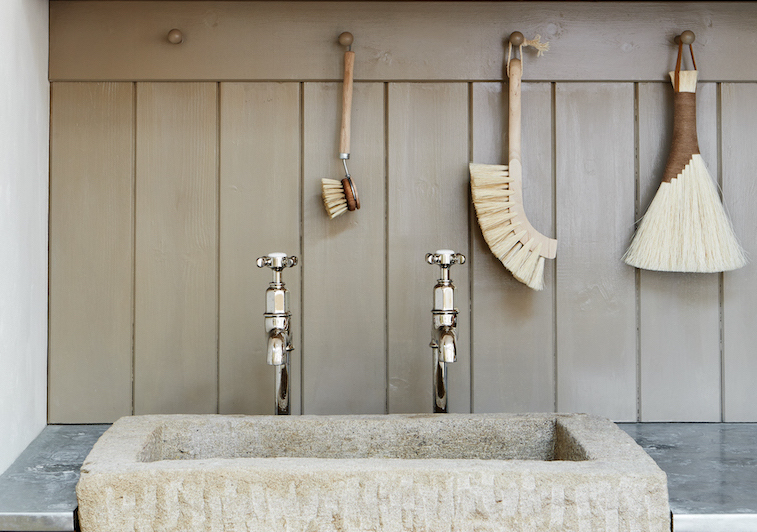
Some rooms announce themselves with drama. A living room says, “Come sit, admire the pillows, and please pretend the throw blanket landed that way naturally.” A kitchen says, “I am the heart of the home, and also where everyone stands during parties even though there are chairs everywhere.” But the utility room? For years, it mostly whispered, “The mop lives here.”
That is exactly why the idea of a beautility room feels so refreshing. It is the cheerful marriage of beauty and utility: a space that handles laundry, muddy boots, cleaning supplies, pet gear, gardening tools, seasonal overflow, and daily household chaos without looking like a storage closet lost a wrestling match. The phrase may sound playful, but the concept is serious design business. A beautility room is not just a pretty laundry room. It is a hardworking, flexible, personal space where function gets dressed up and beauty finally agrees to carry a basket.
For a creative couple, this kind of room can become a small domestic command center. One person may need a place to rinse paintbrushes, repot herbs, or stash fabric samples. The other may want organized tools, a boot bench, a dog-washing station, or a tidy folding counter that does not double as a mountain range of socks. When planned well, the room supports real life while still feeling warm, intentional, and even a little charming. Imagine a mudroom, laundry room, pantry overflow, mini workshop, and design moment all sharing one well-lit address. That is the magic of beautility.
What Is a Beautility Room?
A beautility room is a utility space designed with the same care normally reserved for kitchens, bathrooms, and living rooms. It might include a washer and dryer, deep utility sink, storage cabinets, coat hooks, shoe cubbies, a bench, drying racks, baskets, pet supplies, and a durable floor. But instead of treating those practical features as necessary eyesores, the room turns them into part of the design.
The goal is simple: make everyday tasks easier and make the room pleasant enough that you do not sigh dramatically every time you open the door. A beautility room should help you clean, sort, stash, rinse, fold, repair, and reset. It should also have enough visual personality to feel like it belongs to the people who live there. In a creative couple’s home, that might mean handmade woodwork, vintage hooks, a bold painted door, patterned tile, open shelving with beautiful baskets, or a small piece of art that says, “Yes, even detergent deserves a backdrop.”
Why Creative Couples Love the Beautility Concept
Creative households tend to collect things with stories: fabric scraps, gardening gloves, camera bags, sketchbooks, dog towels, reclaimed wood, odd screws, thrifted baskets, paint cans, and at least one mysterious charger that everyone is afraid to throw away. A conventional laundry room often cannot keep up with that kind of layered life. A beautility room can.
For couples who make, build, cook, garden, renovate, or simply live with enthusiasm, the room becomes a bridge between the polished parts of the home and the messy parts of daily living. It gives creativity a landing zone. Boots can be dirty. Flowers can be trimmed. Kids can drop backpacks. Pets can be towel-dried. Linens can be folded. Tools can be hidden in drawers instead of multiplying on the kitchen island like tiny metal rabbits.
The Layout: Start With the Messiest Jobs First
The smartest beautility rooms begin with an honest question: what messes are actually happening here? Not the imaginary messes of a catalog family who owns only white towels and one tasteful raincoat. Real messes. Mud from the backyard. Sports uniforms. Pet fur. Grocery bags. Recycling. Wet umbrellas. Laundry that needs air drying. Cleaning sprays. DIY supplies. Half-used candles you swear you will repurpose someday.
Once the mess is identified, the layout can respond. A room connected to the garden may need a sink near the exterior door for rinsing hands, tools, and flower buckets. A room off the garage may need shoe storage, coat hooks, and a hard-wearing floor. A laundry-focused space needs a clear path from washer to dryer to folding surface. A family drop zone needs low hooks and cubbies that can be used without a written instruction manual.
Three Helpful Zones
Think of the room in zones: cleaning, landing, and storage. The cleaning zone includes laundry appliances, sink, drying rack, and stain treatment area. The landing zone includes a bench, hooks, shoe storage, and baskets for daily items. The storage zone holds detergents, tools, linens, pet gear, paper goods, and seasonal supplies. When each zone has a clear purpose, the room feels calm even when life does not.
Light: The Secret Ingredient That Makes Utility Feel Beautiful
Natural light can transform a utility room from “basement chore bunker” into “small domestic studio.” A window, skylight, glass-paneled door, or light-reflecting paint color makes repetitive tasks feel less grim. Folding towels under daylight is still folding towels, yes, but at least it has better cinematography.
If natural light is limited, layered artificial lighting matters. Use bright overhead lighting for cleaning and sorting, under-shelf lighting for counters, and perhaps a decorative fixture if ceiling height allows. A utility room does not need a crystal chandelier, but it does deserve more than one lonely bulb flickering like it has unpaid bills.
Storage That Works Hard and Looks Calm
Storage is the backbone of a beautility room. Without it, the space becomes a very attractive place to pile things. With it, the room can absorb the little eruptions of daily life.
Closed Cabinets for Visual Quiet
Closed cabinets are ideal for items that are necessary but not exactly decorative: bulk detergent, paper towels, cleaning products, vacuum attachments, spare light bulbs, and the family collection of “important” cords. Tall cabinets can store brooms and mops upright. Upper cabinets can hold seasonal items. Lower cabinets can hide hampers or recycling bins.
Open Shelves for Beauty and Speed
Open shelves work best for frequently used items that can be contained attractively: baskets, folded towels, glass jars of clothespins, watering cans, or everyday laundry supplies. The trick is restraint. Open shelving should say “easy access,” not “small retail store after an earthquake.”
Hooks, Peg Rails, and Rails With Personality
Hooks are humble heroes. Peg rails can hold coats, aprons, tote bags, dog leashes, dustpans, and garden hats. For a creative couple, a rail can also become a rotating display of useful tools: scissors, brush rolls, small baskets, or market bags. Choose hardware that feels good in the hand. Brass, blackened steel, oak pegs, or ceramic knobs can make utility feel crafted instead of purely mechanical.
Appliances: Hide Them, Stack Them, or Celebrate Them
Front-loading washers and dryers are popular in beautility rooms because they allow for a countertop above, creating a useful folding station. Stacked appliances save floor space and make room for tall storage, a bench, or a utility sink. In a narrow room, pocket doors or cabinet fronts can conceal machines when they are not in use.
Still, appliances do not always need to disappear. In a modern design, a washer and dryer can look crisp and intentional when framed by cabinetry, tile, and good lighting. The key is proportion. Give the machines breathing room, plan for door swing, and make sure laundry baskets have a place to land. Nobody wants to discover that the beautiful folding counter is unusable because the hamper lives there permanently like a stubborn roommate.
The Utility Sink: The Unsung Star
If space and plumbing allow, a deep utility sink is one of the best upgrades in a beautility room. It can handle muddy shoes, paintbrushes, flower stems, soaking laundry, pet bowls, and cleaning buckets. A beautiful faucet and a durable backsplash turn the sink into a design feature instead of an afterthought.
For creative households, the sink is especially valuable. It protects the kitchen from jobs that belong elsewhere. Rinsing a roller tray next to dinner dishes is not a lifestyle; it is a cry for help. Give the messy work its own station, and the entire house becomes easier to maintain.
Materials: Durable Does Not Mean Dull
A beautility room needs materials that can handle moisture, dirt, scuffs, and frequent cleaning. Porcelain tile, stone-look tile, sealed concrete, brick, durable vinyl, and properly finished wood can all work depending on the home. Walls near wet zones should be easy to wipe. Countertops should resist stains. Cabinet finishes should be sturdy enough to survive baskets, elbows, and occasional impatience.
Patterned tile can add charm without needing much extra decor. Beadboard, shiplap, or vertical paneling can bring texture to walls. A washable runner can soften the floor. Paint is another powerful tool: deep green, warm white, clay, navy, mushroom, or cheerful yellow can make the room feel designed rather than forgotten.
Beauty Comes From Personal Details
The best beautility rooms do not look copied. They look lived-in and loved. For a creative couple, that might mean a handmade bench, a salvaged cabinet, a vintage mirror, a framed print, a row of mismatched hooks, or a curtain made from leftover fabric. These touches turn the room from a task zone into a small portrait of the people who use it.
One couple might lean rustic: hazel wood, linen curtains, terracotta tile, and a garden view. Another might go sleek: flat-panel cabinets, hidden hampers, matte black fixtures, and a wall of labeled storage. A third might create a colorful workshop-laundry hybrid with checkerboard floors and open shelves stacked with baskets. The right version is the one that makes daily routines smoother and makes the owners smile.
Smart Design Ideas for a Small Beautility Room
Not every home has room for a grand utility space with a sink, bench, dog shower, gift-wrap station, and a place to contemplate existence while folding fitted sheets. Small beautility rooms can still be excellent. In fact, limited square footage often forces better decisions.
Use Vertical Space
Wall-mounted shelves, high cabinets, peg rails, and over-door storage keep the floor clear. Store rarely used items up high and daily essentials at eye level. The more the walls work, the less the floor suffers.
Choose Slim Storage
A narrow rolling cart can slide between appliances. A shallow cabinet can hold cleaning supplies without stealing walkway space. A fold-down drying rack disappears when not needed. Small spaces love things that fold, slide, stack, and behave politely.
Make Every Surface Earn Its Keep
A bench can include shoe storage underneath. A counter above appliances can become a folding station. Cabinet doors can hold hooks or shallow racks. Even a small ledge can hold a tray for keys, sunglasses, and pocket clutter.
Moisture, Ventilation, and Maintenance Matter
A beautility room may be pretty, but it still deals with water, humidity, and lint. Good ventilation helps protect the room from musty smells and moisture problems. Dryer vents should be accessible for cleaning, and wet items should have a designated place to dry. If the room includes a heat pump dryer or ventless appliance, plan for drainage or water collection as recommended by the appliance manufacturer.
Also consider everyday maintenance. Leave space behind appliances when possible. Keep lint management simple. Do not bury shutoff valves behind a cabinet maze. The room should look good on day one and still function five years later, when someone needs to reach the dryer hose without performing advanced yoga.
How to Design a Beautility Room Step by Step
1. List the Tasks
Write down everything the room needs to support: laundry, shoes, coats, cleaning supplies, pet care, gardening, tools, sports gear, recycling, linens, or craft storage. This list prevents the design from becoming beautiful but useless, which is just a showroom with better lighting.
2. Measure the Real Stuff
Measure appliances, baskets, vacuum cleaners, brooms, hampers, pet crates, ironing boards, and bulk supplies. Storage should be based on reality, not hope. Hope is not a cabinet dimension.
3. Pick a Durable Design Language
Choose materials and colors that connect with the rest of the home. A beautility room can be playful, but it should not feel like it was designed by a completely different household. Repeat a cabinet color, metal finish, wood tone, or tile shape from nearby rooms for visual flow.
4. Add One Joyful Feature
Every hardworking room deserves a treat. It might be a green door, patterned floor, vintage pendant, framed artwork, cheerful curtain, or handmade bench. One memorable feature can make the whole room feel special.
5. Edit Ruthlessly
A beautility room is not a museum for half-empty cleaning products. Keep what serves the household. Remove duplicates. Group like with like. Give every category a home. Then label only where labels help. A label that says “baskets” on a basket may be a little too enthusiastic.
Common Mistakes to Avoid
The first mistake is underestimating storage. A utility room without enough storage becomes cluttered quickly. The second mistake is using delicate materials in a wet or high-traffic area. Grasscloth wallpaper, fragile rugs, and untreated surfaces may look lovely until damp towels and muddy paws arrive.
The third mistake is forgetting workflow. If the washer is across the room from the dryer, the hamper blocks the door, and the folding counter is buried under pet food, the room will frustrate everyone. Finally, do not forget ventilation, lighting, and access to plumbing or appliance connections. Beauty should never trap a shutoff valve behind a decorative panel that requires a treasure map.
Experience Notes: What Living With a Beautility Room Teaches You
The first thing a beautility room teaches you is that storage is emotional. That sounds dramatic, but anyone who has spent ten minutes looking for the dog leash while holding a wet umbrella understands. When the leash has a hook, the boots have a tray, and the detergent has a cabinet, the whole household breathes easier. Small systems remove tiny daily arguments before they hatch.
A couple designing this room together will also learn that “useful” means different things to different people. One partner may want a spotless laundry counter with matching baskets. The other may want a project zone where tools can stay visible. Neither person is wrong. The best beautility room usually blends open and closed storage so active tools are easy to grab while visual clutter stays contained.
Another lesson: light changes behavior. A bright room gets used more willingly. If a utility room feels gloomy, chores become easier to postpone. Add a skylight, a better fixture, a glass door, or a warm paint color, and suddenly folding laundry feels less like punishment and more like a reasonable adult activity. Still not thrilling, of course. We are not pretending socks are a spa treatment.
Living with a beautility room also proves the value of a landing zone. A bench near the door is not just furniture; it is a peace treaty between the outdoors and the rest of the house. Shoes stop wandering. Bags stop collapsing onto the floor. Wet coats have a place to drip. If children or pets are part of the household, the landing zone becomes even more important. Low hooks, washable mats, and easy baskets help everyone participate without needing a lecture.
Couples who enjoy creative projects often discover that the utility sink becomes the room’s MVP. It handles the jobs nobody wants in the kitchen: soaking stained clothes, washing muddy hands, rinsing paint tools, filling a watering can, or cleaning pet bowls. Once that sink exists, it is hard to imagine life without it. It is like getting a backstage area for the home.
The final experience is perhaps the most satisfying: a beautility room can make the rest of the house feel calmer. When practical clutter has a beautiful place to go, living spaces stay more relaxed. The kitchen counter no longer hosts every receipt, glove, charger, and mystery screw. The hallway no longer collects shoes like a lost-and-found department. The home works better because one small room has agreed to work very hard.
Conclusion: Beauty and Utility Belong Together
A creative couple’s beautility room is more than a stylish laundry space. It is a thoughtful answer to real life. It recognizes that homes are not just photographed; they are used. People garden, clean, spill, build, repair, wash, fold, feed pets, lose keys, find keys, and occasionally leave one sock in a place no sock should ever be.
By combining smart storage, durable materials, strong lighting, practical appliances, and personal design details, a beautility room turns household maintenance into something smoother and more enjoyable. It does not remove chores, but it does remove friction. And sometimes that is the difference between a home that merely looks good and a home that truly works.
Beautiful and useful is not a contradiction. It is the sweet spot. And in the case of the beautility room, it may be the most charming proof that even the mop deserves a well-designed place to stand.