There are kitchen tools that quietly do their job, and then there are kitchen tools that make you feel like you should be wearing a linen apron, listening to jazz, and saying things like “mouthfeel” with a straight face. The Buono Drip Kettle sits proudly in the second category. Best known as the Hario V60 Buono Drip Kettle, this stainless steel gooseneck kettle has become a familiar sight in home coffee corners, specialty cafés, and the Instagram feeds of people whose countertops somehow never have crumbs.
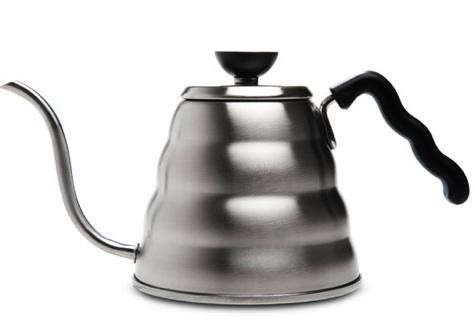
At first glance, the Buono looks simple: a shiny beehive-shaped body, a long curved spout, a black handle, and a small lid knob. But its charm is not just visual. The kettle was designed for one important job: helping you pour hot water slowly, steadily, and accurately over coffee grounds. In pour-over brewing, that kind of control can be the difference between a bright, balanced cup and a sad mug of “why does this taste like wet cardboard?”
This guide explores what the Buono Drip Kettle is, why coffee lovers still talk about it, how it compares with modern electric gooseneck kettles, how to use it well, and whether it belongs in your brewing setup. Spoiler: if you love pour-over coffee, it deserves serious consideration.
What Is the Buono Drip Kettle?
The Buono Drip Kettle is a gooseneck kettle made by Hario, the Japanese company famous for its V60 pour-over dripper and heatproof coffee gear. Hario began in 1921 as a laboratory glassware manufacturer in Tokyo, and that science-minded background still shows in the brand’s coffee equipment. The Buono kettle was created as a natural partner for manual brewing, especially the Hario V60.
The most common stainless steel Buono model is sold as a 1.2-liter kettle, though its practical working capacity is around 800 milliliters. That matters because filling a gooseneck kettle to the absolute brim is a fantastic way to create a hot-water volcano, which is not considered a recommended brewing method by anyone with intact countertops.
The kettle’s defining feature is its slim, curved spout. Unlike a standard tea kettle that releases water in a broad rush, the Buono’s gooseneck spout allows a narrow stream. This helps the brewer direct water exactly where it is needed: the center of the coffee bed, the outer edge, or a slow spiral across the grounds. It is a simple tool, but in pour-over coffee, simple tools can have big consequences.
Why the Gooseneck Spout Matters
Pour-over coffee is all about control. You control the grind size, water temperature, coffee-to-water ratio, brew time, and pouring pattern. The kettle is the bridge between your intention and the coffee bed. A regular kettle makes that bridge feel like a water slide. A gooseneck kettle makes it feel like a steering wheel.
With the Buono Drip Kettle, you can pour slowly enough to bloom freshly ground coffee without flooding it. You can add water in pulses. You can maintain a steady stream instead of accidentally blasting a crater into the grounds. That steady stream encourages more even saturation, which helps create a more balanced extraction.
Even saturation is especially important with cone-shaped brewers like the V60. The V60 has a 60-degree cone shape, spiral ribs, and a large opening at the bottom. These design details give the brewer excellent flexibility, but they also mean your pouring technique has a direct effect on the final cup. Pour too aggressively and the water may rush through. Pour too slowly or unevenly and you may over-extract one section while under-extracting another. The Buono helps you stay in the sweet spot.
Design and Build Quality
The Buono’s stainless steel body gives it a durable, classic feel. It does not look like a gadget trying too hard to be futuristic. Instead, it looks like something that belongs in a thoughtful kitchen: polished, compact, and slightly sculptural. The rounded body is sometimes compared to a beehive, which sounds adorable until you realize your kettle may have better curves than your car.
Stainless Steel Body
Stainless steel is a practical choice for a stovetop kettle because it resists corrosion, handles heat well, and cleans easily when cared for properly. The Buono does not rely on complicated electronics in its classic stovetop version, so there is less to break. For coffee drinkers who prefer analog tools, that simplicity is part of the appeal.
Ergonomic Handle
The handle is shaped to make pouring comfortable, though balance can depend on how much water is inside. Many users find the kettle easiest to control when it is filled below maximum capacity. That is another reason the practical capacity matters more than the total listed volume.
Slim Spout
The spout is the star of the show. Its low, curved shape supports a controlled pour without forcing the user to tilt the kettle dramatically. You can pour a thin stream for a delicate bloom or increase the flow slightly for larger batches. Once you get used to it, the kettle begins to feel less like a container and more like a brewing instrument.
Buono Drip Kettle Specifications at a Glance
Exact specifications can vary slightly by model, finish, and market, but the popular stainless steel Hario V60 Buono Drip Kettle is commonly associated with the following features:
- Total capacity: about 1.2 liters
- Practical capacity: about 800 milliliters
- Material: stainless steel body and lid
- Spout type: gooseneck / slim drip spout
- Best use: pour-over coffee, tea, and controlled hot-water pouring
- Whistle: typically no whistle
- Temperature control: no built-in thermometer on the classic stovetop version
The lack of a whistle and built-in thermometer may be a downside for some users. This kettle rewards attention. If you are the type of person who puts water on the stove and then wanders off to reorganize your sock drawer, you may prefer an electric kettle with auto shutoff.
How the Buono Drip Kettle Improves Pour-Over Coffee
A kettle cannot turn stale beans into championship coffee. Let’s be honest: no spout is powerful enough to rescue coffee that has been sitting open since last Thanksgiving. But with fresh beans, a decent grinder, and a sensible recipe, the Buono can make your brewing more consistent.
It Helps Control Flow Rate
Flow rate is how quickly water leaves the kettle. In pour-over brewing, flow rate affects agitation, brew time, and extraction. A fast, heavy pour can stir up the grounds too much or push water through too quickly. A thin, controlled stream lets you guide the process more intentionally.
It Supports Better Blooming
The bloom is the first pour, usually when you add just enough hot water to saturate the grounds and release trapped carbon dioxide. A controlled bloom helps prepare the coffee bed for the rest of the brew. With the Buono, you can wet the grounds evenly without drowning them like a houseplant owned by an overenthusiastic beginner.
It Makes Recipes Easier to Repeat
Good coffee recipes depend on repeatability. If your first cup is amazing but your second cup tastes like it came from a hotel lobby at 2 a.m., something changed. The Buono gives you more control over one major variable: the pour. That makes it easier to repeat the same recipe day after day.
How to Use the Buono Drip Kettle
Using the Buono is simple, but using it well takes a little practice. The goal is not to pour like a barista in a slow-motion commercial. The goal is to pour evenly, calmly, and consistently.
Step 1: Heat the Water
Fill the kettle below its maximum capacity. For most pour-over sessions, 500 to 800 milliliters is plenty. Heat the water on an appropriate stovetop setting. Since the classic Buono does not have temperature control, many users either let the water boil and rest briefly or use a separate thermometer.
Step 2: Prepare Your Brewer
Place your V60 or other pour-over dripper over a mug or server. Add the paper filter, rinse it with hot water, and discard the rinse water. This warms the brewer and helps remove papery flavors.
Step 3: Add Coffee
A common starting point is a ratio around 1 gram of coffee to 15–17 grams of water. For example, 20 grams of coffee with about 320–340 grams of water is a friendly recipe for one generous cup. Use a medium-fine grind for a V60, then adjust based on taste.
Step 4: Bloom
Pour roughly twice the coffee weight in water for the bloom. If you use 20 grams of coffee, start with about 40 grams of water. Pour slowly, making sure all grounds are wet. Wait about 30 to 45 seconds.
Step 5: Continue Pouring
Add water in slow circles, keeping the stream steady and controlled. Avoid pouring directly onto the paper filter for long periods, as water can bypass the coffee bed. Aim for even saturation and a brew time that lands roughly in the range recommended by your recipe.
Buono Drip Kettle vs. Electric Gooseneck Kettle
The classic Buono is a stovetop kettle. Electric gooseneck kettles, especially variable-temperature models, have become popular because they heat water quickly and allow precise temperature settings. So which is better?
The answer depends on your priorities. The Buono is elegant, durable, and simple. It does not require a digital display, app, or another cord competing for outlet space. It is also often more affordable than premium electric kettles. For many home brewers, it does the essential job beautifully: controlled pouring.
An electric gooseneck kettle, however, is more convenient if you brew multiple times per day or want exact temperature settings for different coffees and teas. Electric models may include hold functions, timers, and automatic shutoff. If you want maximum convenience, electric wins. If you want a beautiful manual kettle with excellent pour control, the Buono remains a strong choice.
Who Should Buy the Buono Drip Kettle?
The Buono Drip Kettle is ideal for people who enjoy manual coffee brewing and want to improve their pour control without turning their kitchen into a NASA command center. It is especially useful for V60, Chemex, Kalita Wave, Origami, and other pour-over methods.
Buy It If…
- You brew pour-over coffee regularly.
- You want better control than a standard kettle provides.
- You appreciate simple, durable tools.
- You like the look of classic stainless steel coffee gear.
- You do not need built-in temperature control.
Think Twice If…
- You want automatic shutoff.
- You need exact temperature presets.
- You often brew large batches for several people.
- You prefer a kettle with a whistle.
- You are likely to forget water heating on the stove.
Common Mistakes to Avoid
The Buono is friendly, but it is not foolproof. Like any manual brewing tool, it performs best when you use it thoughtfully.
Filling It Too Full
The listed capacity is not the same as the practical brewing capacity. Overfilling can make pouring awkward and may cause water to spill or boil over. Keep the water level reasonable, especially when brewing one or two cups.
Using Too Much Heat
Because the kettle has a handle and lid knob that are not meant to be blasted by flames, avoid oversized burners and extreme heat. Medium or low heat is safer and more controlled. This is not a race. Your coffee will not file a complaint if the water takes an extra minute.
Ignoring Water Temperature
The classic Buono does not tell you the water temperature. For light roasts, many brewers use water near the hotter end of the typical coffee brewing range. For darker roasts, slightly cooler water may taste smoother. A thermometer can help, but you can also learn by taste and routine.
Pouring Too High
Pouring from too high above the coffee bed increases agitation and reduces precision. Keep the spout close enough to guide the stream gently. Think “controlled garden hose,” not “mini waterfall attraction.”
Cleaning and Maintenance
Good maintenance keeps the Buono looking handsome and working well. After use, empty the kettle and let it dry with the lid off. This helps reduce mineral buildup and stale water odors.
If you live in an area with hard water, scale can form inside the kettle. A simple descaling routine with a kettle-safe descaling solution or a diluted vinegar solution can help remove mineral deposits. After descaling, rinse thoroughly and boil fresh water once before brewing coffee again.
For the exterior, wipe with a soft cloth. Avoid abrasive pads that can scratch the stainless steel finish. The Buono may be sturdy, but that does not mean it wants to be scrubbed like a cast-iron pan after a camping trip.
Is the Buono Drip Kettle Worth It?
Yes, for the right user. The Buono Drip Kettle is worth it if you care about pour-over coffee and want a reliable tool that improves control without adding unnecessary complexity. It is not the most feature-packed kettle available, but that is part of its identity. It is a classic because it focuses on the fundamentals: heat water, pour precisely, look good doing it.
For beginners, the Buono can make pour-over brewing feel more approachable. For experienced brewers, it offers enough control to support careful recipes. It may not satisfy gadget lovers who want digital temperature settings, but for many coffee drinkers, its quiet dependability is exactly the point.
500-Word Experience Section: Living With the Buono Drip Kettle
Using the Buono Drip Kettle feels different from using a regular kettle almost immediately. The first thing you notice is the pace. A standard kettle encourages impatience. Water rushes out, the coffee bed collapses, and suddenly your peaceful morning ritual looks like a tiny landslide. The Buono slows everything down in the best possible way.
The first few brews may feel awkward. You might pour too slowly, then too quickly, then stare at your scale as if it has personally betrayed you. That is normal. The kettle teaches your hand what a steady stream feels like. After a week or two, you begin to understand how small wrist movements change the pour. A slight tilt increases flow. A small correction redirects the stream. The process becomes less mechanical and more intuitive.
One of the most enjoyable experiences with the Buono is brewing a single cup on a quiet morning. You heat the water, grind the beans, rinse the filter, and start the bloom. The kettle lets you pour just enough water to wake up the coffee without flooding it. The grounds swell, bubbles rise, and the aroma appears before the cup is even finished. It is a small moment, but it makes coffee feel less like caffeine delivery and more like a ritual worth keeping.
The Buono is also forgiving in a practical way. It does not dominate the countertop, and it is easy to store. Its shape is distinctive enough to feel special but not so strange that guests ask whether it is a kitchen tool or modern sculpture. It works well for one or two cups, which is how many people actually brew pour-over at home. For a large brunch crowd, however, it can feel small. If you are serving six people, you may wish for a bigger kettle or a batch brewer.
The main adjustment is temperature awareness. Without a built-in thermometer, you have to develop a routine. Some users boil the water, wait briefly, and brew. Others use a thermometer for precision. Over time, you learn what tastes best with your beans. A washed light roast may shine with hotter water and a careful pour. A dark roast may taste sweeter and less bitter when brewed slightly cooler. The Buono does not make those decisions for you; it gives you the control to experiment.
There is also a satisfying durability to the kettle. It feels like the kind of object that can become part of a daily routine for years. It does not beep, blink, or ask for firmware updates. It simply sits on the stove, ready to help you make better coffee. In a world full of smart devices, there is something refreshing about a tool that is smart only because its design makes sense.
The best experience with the Buono comes when you stop treating it like an accessory and start treating it like part of the recipe. Grind size, water temperature, ratio, and brew time all matter, but the pour ties them together. Once you understand that, the Buono becomes more than a pretty kettle. It becomes the quiet co-pilot of your morning cup.
Conclusion
The Buono Drip Kettle remains one of the most recognizable and respected gooseneck kettles in manual coffee brewing. Its appeal is not based on flashy features. It succeeds because it does the essential things well: controlled pouring, comfortable handling, durable construction, and timeless design.
If you are serious about pour-over coffee, or even just curious enough to upgrade from a regular kettle, the Buono is a smart place to start. It helps you pour with more intention, brew with more consistency, and enjoy the process a little more. And if your coffee corner ends up looking cooler in the process, well, that is just the stainless steel bonus.