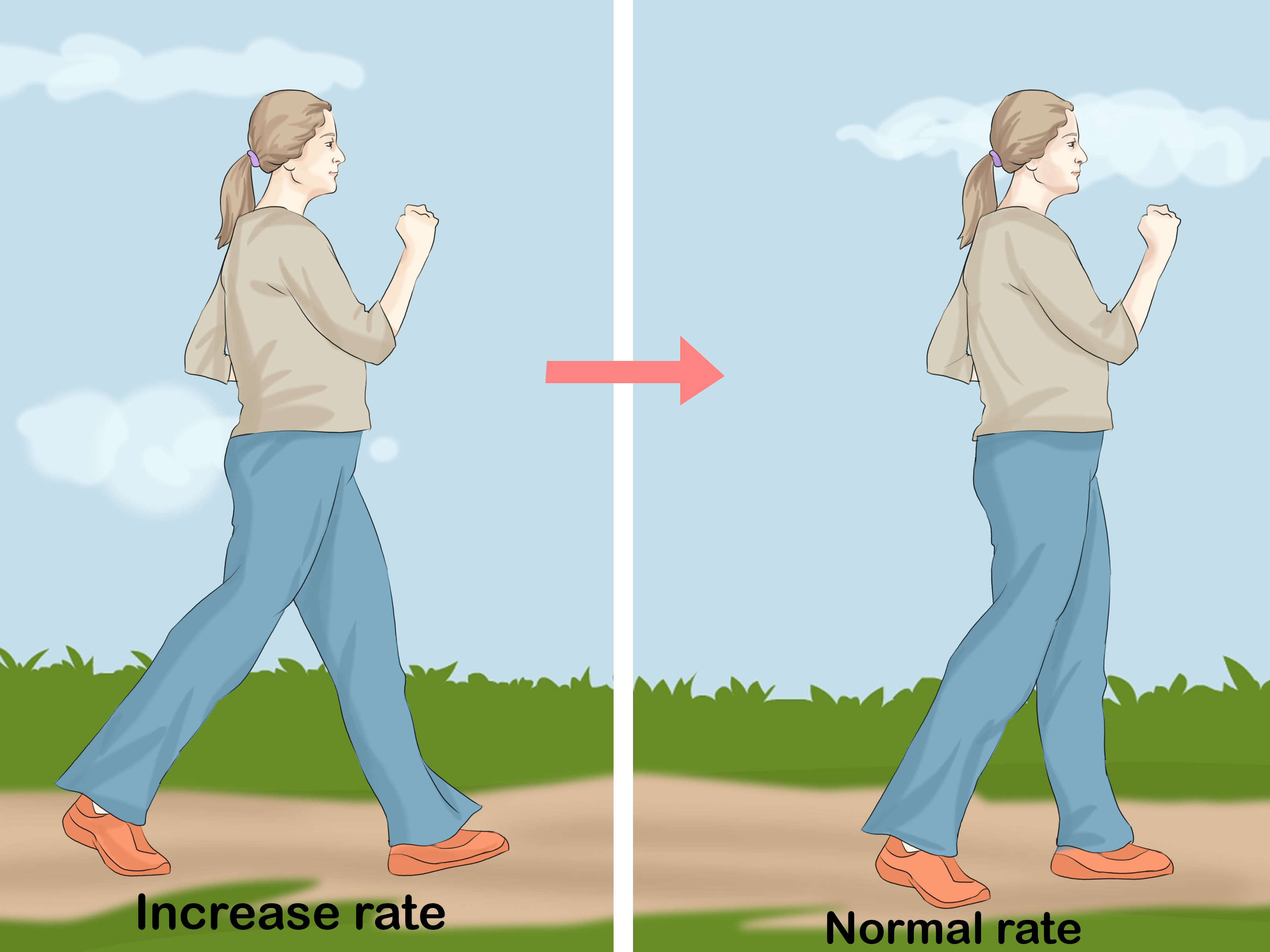
Walking may be the least intimidating exercise on the planet. There are no complicated machines, choreography routines, or instructors shouting about “feeling the burn.” You already know the basic movement: place one foot in front of the other and repeat without wandering into traffic.
Yet starting a walking routine can still feel surprisingly difficult. How far should you walk? How fast? Do you need special shoes? Is sweating mandatory? And does a stroll to the mailbox count if you dramatically sigh the entire way?
The good news is that walking for exercise can be adapted to almost any starting fitness level. You can begin with five or ten minutes, divide your activity into short sessions, and gradually work toward longer brisk walks. This beginner’s guide explains how to start walking for exercise safely, build endurance, improve your walking technique, and create a routine that survives beyond the first burst of motivation.
Why Walking Is Such a Good Beginner Exercise
Walking is a form of aerobic exercise, meaning it increases your breathing and heart rate while engaging large muscle groups. Unlike running, it generally places less impact on the hips, knees, ankles, and feet, making it approachable for people who have been inactive or who are returning to exercise after a break.
A regular walking program may support cardiovascular fitness, blood pressure management, blood sugar regulation, weight management, joint mobility, sleep, mood, and overall stamina. Walking also requires relatively little equipment and can be done outdoors, on a treadmill, in a shopping mall, or even around the house during an unusually long phone call.
Another major advantage is flexibility. A 30-minute workout can be divided into three 10-minute walks if that better fits your schedule. For beginners, consistency matters more than creating a heroic workout that leaves the stairs feeling like a personal enemy the next morning.
How Much Walking Should a Beginner Do?
Current physical activity guidelines recommend that most adults work toward at least 150 minutes of moderate-intensity aerobic activity each week. That could eventually look like 30 minutes of brisk walking on five days per week. Adults are also encouraged to perform muscle-strengthening activities on at least two days each week.
However, 150 minutes is a destination, not an entrance exam. If you currently do little structured exercise, begin with an amount you can complete comfortably. Even short sessions can help you establish the habit and prepare your muscles, connective tissues, heart, and lungs for more activity.
A Sensible Starting Point
Many beginners can start with 10 to 15 minutes of walking, three to five days per week. Someone who becomes tired quickly may begin with five minutes once or twice a day. A more active beginner might comfortably start with 20 minutes.
Your first goal is not to discover the maximum distance you can survive. It is to finish feeling as though you could have done a little more. That makes it easier to return for the next walk instead of requiring a three-day reunion with the couch.
A Four-Week Beginner Walking Plan
| Week | Walking Schedule | Main Focus |
|---|---|---|
| Week 1 | 10 minutes, 4 days | Build the habit and find a comfortable route |
| Week 2 | 15 minutes, 4 days | Practice posture and add a slightly brisker pace |
| Week 3 | 20 minutes, 4 to 5 days | Maintain a moderate effort for part of each walk |
| Week 4 | 25 to 30 minutes, 5 days | Approach the weekly activity recommendation |
This sample schedule is adjustable. Repeat a week when necessary, shorten sessions during stressful periods, or divide longer walks into smaller blocks. Progress does not become invalid simply because it took six weeks instead of four.
Check Your Health Before Beginning
Moderate walking is safe for most adults, but certain people should speak with a health care professional before significantly increasing activity. This is especially important if you have known heart or lung disease, uncontrolled high blood pressure, serious balance problems, a recent surgery or injury, unexplained chest discomfort, or a chronic condition that limits movement.
Pregnant adults, people recovering from illness, and anyone taking medication that affects heart rate or exercise tolerance may also benefit from individualized guidance.
Stop walking and seek medical help if you experience chest pain, fainting, severe or unusual shortness of breath, sudden weakness, confusion, or pain that feels sharp, intense, or progressively worse. Normal effort may make you breathe harder. It should not make you feel as though your body has issued an emergency evacuation order.
Choose the Right Walking Shoes
You do not need an outfit that makes you look sponsored by an athletic company, but supportive footwear matters. Choose walking or athletic shoes that fit the shape of your feet, feel comfortable immediately, and do not rub, pinch, or allow your heels to slide.
Look for a roomy toe box, secure heel support, adequate cushioning, and a sole that bends near the ball of the foot. Your toes should be able to move without being squeezed together. Try shoes on with the socks you plan to wear, preferably later in the day when feet may be slightly larger.
Replace shoes when the tread is badly worn, the cushioning feels flattened, or new foot and leg discomfort appears. The exact replacement schedule varies according to body weight, walking surface, gait, shoe construction, and weekly mileage.
What to Wear
Wear comfortable clothing that permits easy movement. Lightweight, moisture-managing fabrics can be useful in warm weather, while layers are helpful in cooler conditions. When walking near roads or in low light, use bright colors, reflective details, or a small light so drivers can see you.
Helpful extras may include sunscreen, a hat, weather protection, identification, a phone, and water for longer walks or hot conditions. None of these need to match. Your heart will not reject a water bottle because it clashes with your socks.
Learn Proper Walking Form
Natural walking is usually best, but a few simple adjustments can make fitness walking more efficient and comfortable.
- Keep your head upright and look ahead rather than staring continuously at your feet.
- Relax your shoulders and avoid pulling them toward your ears.
- Keep your torso tall without leaning dramatically forward or backward.
- Bend your elbows slightly and let your arms swing forward and backward.
- Take comfortable steps rather than reaching far in front of your body.
- Land smoothly and roll through the foot before pushing off.
- Keep your hands relaxed instead of clenching your fists.
Avoid forcing an exaggerated heel strike or taking unusually long strides. Overstriding may increase braking forces and make walking feel awkward. To move faster, use a slightly quicker turnover while maintaining compact, comfortable steps.
Warm Up Before Walking Faster
Begin each session with about five minutes of easy walking. A gradual warm-up allows your breathing, circulation, muscles, and joints to transition from rest to exercise. After warming up, increase your pace until you reach the intended training effort.
At the end, walk slowly for another five minutes rather than stopping abruptly. Gentle calf, thigh, and hip stretches may be performed afterward while your muscles are warm. Stretching should create mild tension, not pain, and bouncing is unnecessary.
How Fast Should You Walk?
There is no universal beginner walking speed. Height, age, fitness, terrain, weather, mobility, and health conditions all affect pace. A speed that feels easy to one person may be challenging to another.
Use the Talk Test
The talk test is one of the simplest ways to judge walking intensity:
- Light intensity: You can speak and sing comfortably.
- Moderate intensity: You can talk but would have difficulty singing.
- Vigorous intensity: You can say only a few words before pausing for breath.
Most beginner fitness walks should remain between light and moderate intensity. You should notice faster breathing and a stronger heartbeat while still feeling in control.
Try Perceived Exertion
On a scale from 0 to 10, where 0 is complete rest and 10 is your hardest possible effort, a moderate walk usually feels like approximately 5 or 6. Beginners may spend the first week closer to 3 or 4 before gradually increasing the effort.
Heart-rate trackers can provide additional information, but they are not required. Wrist devices may also be inaccurate under certain conditions. Your breathing, comfort, symptoms, and ability to talk remain useful guides.
Build Endurance Without Doing Too Much Too Soon
Increase only one main variable at a time: duration, frequency, speed, hills, or total weekly distance. For example, add five minutes to two walks while keeping the pace and route unchanged. Once that feels comfortable, you can increase another part of the program.
There is no need to obey a rigid percentage-based progression rule. Instead, monitor how you feel during the walk, later that day, and the following morning. Mild muscle fatigue may be expected, but persistent joint pain, altered walking mechanics, swelling, or worsening soreness suggests that you should reduce the workload.
Add Intervals for Variety
After developing a basic routine, try gentle walking intervals:
- Warm up for five minutes.
- Walk briskly for one minute.
- Return to an easy pace for two or three minutes.
- Repeat the pattern four to six times.
- Cool down for five minutes.
Intervals allow you to practice a faster pace without maintaining it continuously. As fitness improves, lengthen the brisk periods or shorten the recovery periods. Hills and treadmill incline can also raise intensity, but add them gradually because they place different demands on the calves, hips, knees, and cardiovascular system.
Set Up a Safe Walking Route
Select a route that matches your present ability. Beginners may prefer a flat, familiar loop with smooth surfaces, good lighting, public visibility, and places to rest. Indoor tracks, treadmills, recreation centers, and shopping malls provide useful alternatives during extreme heat, storms, poor air quality, icy conditions, or darkness.
When walking outdoors, stay aware of vehicles, bicycles, animals, surface hazards, and changing weather. Use sidewalks where available. When no sidewalk exists, follow local pedestrian safety rules and choose routes with good visibility.
Keep headphone volume low enough to hear your surroundings. Tell someone where you are going when walking alone in an unfamiliar area. People with balance difficulties may need a companion, assistive device, indoor location, or professional evaluation before using uneven trails.
How to Stay Motivated
Motivation is unreliable. It appears enthusiastically on Monday, starts negotiating by Wednesday, and occasionally vanishes by Friday. A better strategy is to make walking convenient and automatic.
Schedule a Specific Time
“I will walk more” is a wish. “I will walk for 15 minutes after lunch on Monday, Wednesday, and Friday” is a plan. Attach your walk to an existing routine, such as finishing breakfast, taking a lunch break, or arriving home from work.
Track Behavior, Not Just Weight
Record walking minutes, distance, completed sessions, mood, energy, or consistency. Body weight can fluctuate for many reasons and may change slowly. Behavioral goals give you something useful to celebrate immediately.
A simple paper calendar works perfectly well. So does a phone, fitness watch, or spreadsheet. The best tracking system is the one you remember to use.
Make Walking Enjoyable
Listen to music, podcasts, or audiobooks when it is safe to do so. Walk with a friend, join a community group, explore different parks, photograph interesting sights, or save a favorite show for treadmill sessions.
Enjoyment is not a frivolous extra. An activity that fits your life and personality is more likely to become a lasting habit.
Should You Count Steps?
Step counts can encourage movement, but beginners do not need to chase a universal daily number. Your appropriate target depends on your current activity, health, stride length, occupation, and mobility.
Track your usual steps for several days, calculate a rough baseline, and then consider adding a manageable amount. An office worker averaging 3,500 steps might initially aim for 4,000 or 4,500 rather than leaping immediately to a five-digit target.
Walking minutes and intensity may be more useful for planned exercise, while steps can reveal how much you move throughout the entire day. Both are tools, not moral report cards.
Combine Walking With Strength and Balance Exercise
Walking improves aerobic fitness, but it does not fully replace strength, balance, and mobility training. A well-rounded program may include simple exercises such as chair squats, wall push-ups, resistance-band rows, calf raises, step-ups, and supported balance drills.
Strengthening the hips, legs, feet, and core can make walking easier and may improve stability. Begin with one or two short strength sessions per week, allowing recovery between sessions. Older adults and people at risk of falls may benefit from targeted balance training under appropriate guidance.
Common Beginner Walking Mistakes
Starting With Long, Fast Walks
Enthusiasm can increase faster than tissues adapt. Begin conservatively and add time or intensity gradually.
Ignoring Pain
General muscle tiredness differs from sharp, localized, or worsening pain. Do not continue limping through a workout in the hope that your knee will admire your determination.
Wearing Unsuitable Shoes
Old, poorly fitting, or unsupportive shoes may contribute to blisters and discomfort. Select footwear according to fit and function rather than appearance alone.
Skipping Easy Days
Not every walk needs to be brisk. Easier sessions support recovery and help maintain consistency.
Treating a Missed Walk as Failure
Missing one workout does not erase previous progress. Resume at the next reasonable opportunity instead of waiting for another Monday, month, or unusually inspiring planetary alignment.
A Realistic Beginner Experience: What the First Month May Feel Like
Consider the experience of a fictional beginner named Jordan, a composite example representing common challenges reported by people who start walking for exercise. Jordan works at a desk, has not followed a regular exercise plan in several years, and decides to begin with a 10-minute walk after dinner.
Week One: The Hardest Part Is Leaving the House
During the first week, the physical walking is manageable. The real challenge is changing clothes, locating the shoes that somehow migrated under a chair, and resisting the argument that tomorrow would be more convenient.
Jordan completes four 10-minute walks at an easy pace. The first session feels almost too simple, which is exactly the point. There is no dramatic soreness, no need for ice packs, and no sudden urge to compose a farewell letter to the calf muscles.
By the fourth walk, the route feels familiar. Jordan notices that a short walk creates a clear break between the workday and evening. That mental transition becomes an unexpected reward, making the routine about more than calorie burning.
Week Two: Small Aches Provide Useful Information
Jordan increases each session to 15 minutes. After one faster walk, mild tightness develops in the calves. Instead of abandoning the program, Jordan slows the next session, checks the shoe fit, and spends more time warming up.
The discomfort fades rather than intensifies. This is an important beginner lesson: the body often needs adjustment, not punishment. A plan can be modified without being declared a failure.
Jordan also discovers that walking immediately after a large dinner feels unpleasant. Moving the walk slightly earlier solves the problem. Exercise routines become sustainable through these small practical experiments.
Week Three: The Walk Becomes Part of the Day
By week three, Jordan walks for 20 minutes on most scheduled days. The first five minutes remain easy, followed by alternating periods of normal and brisk walking. During the faster sections, conversation is possible, but singing would be questionable even under ideal circumstances.
Energy during ordinary tasks begins to feel slightly better. A flight of stairs is still noticeable, but it no longer seems to require a formal negotiation. More importantly, Jordan is starting to identify as someone who walks regularly rather than someone who is “trying to start exercising.”
One scheduled walk is missed because of rain and a late meeting. Instead of giving up for the week, Jordan walks indoors the next morning. This quiet return to the plan is more valuable than maintaining a perfect streak.
Week Four: Progress Without a Movie Montage
During week four, Jordan reaches several 25- to 30-minute sessions. The improvements are modest but meaningful: the usual route takes less effort, brisk intervals last longer, mood improves after walking, and the shoes no longer look suspiciously new.
There has been no miraculous transformation. Jordan has not become an elite athlete, purchased trekking poles, or begun referring to dinner as “fuel.” What has changed is capacity and confidence. Thirty minutes of walking, once viewed as a significant workout, now feels achievable.
The next goal is not to double the distance. Jordan plans to maintain the routine, add two basic strength sessions, and explore a longer park route on weekends. That approach may appear less exciting than an extreme challenge, but it reflects how sustainable fitness is usually built: repeated manageable efforts, occasional adjustments, and enough patience to let ordinary walks produce extraordinary long-term value.
Conclusion
Learning how to start walking for exercise does not require a complicated training plan. Begin with short, comfortable sessions, wear supportive shoes, warm up gradually, use the talk test to control intensity, and increase your workload in small steps.
Aim eventually for at least 150 minutes of moderate aerobic activity per week, but do not dismiss the value of five-, ten-, or fifteen-minute walks while you are building toward that target. Every completed session strengthens the routine.
Above all, choose a walking plan that fits your current body and real schedule. The best program is not the one that looks most impressive on paper. It is the one that repeatedly gets you out the dooror onto the treadmillone practical step at a time.