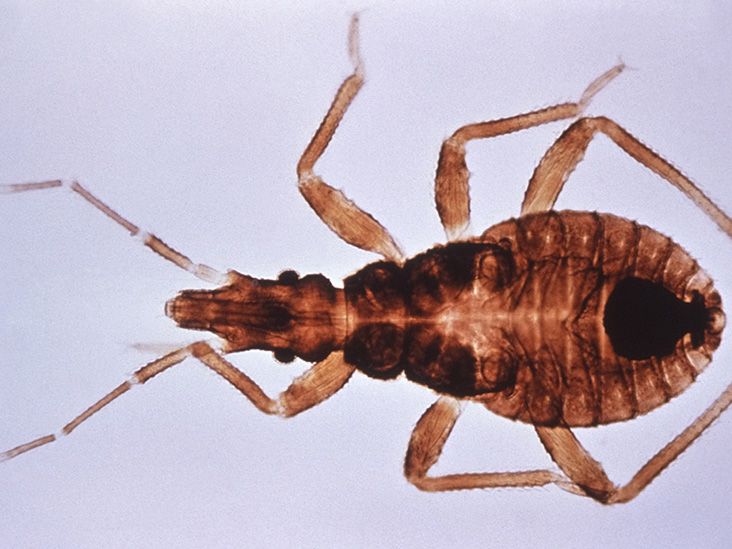
Chagas disease is one of those health conditions that can stay quiet for years, then show up later with a plot twist nobody invited. Caused by the parasite Trypanosoma cruzi, Chagas disease is most often linked to “kissing bugs,” also called triatomine bugs. The nickname sounds oddly romantic for an insect whose main contribution to society is spreading parasites, but the disease itself is serious.
Many people infected with Chagas disease never realize it at first. Early symptoms can be mild, vague, or completely absent. Years or even decades later, however, the infection can contribute to heart rhythm problems, heart failure, digestive complications, or other chronic health concerns. The good news is that Chagas disease can be diagnosed, treated, and prevented. Early recognition is the part that deserves a standing ovation.
This guide explains what Chagas disease is, where it occurs, how it spreads, the symptoms to know, treatment options, and practical prevention strategies for travelers, families, and anyone who wants their nighttime insects to remain strictly outside the house.
What Is Chagas Disease?
Chagas disease, also called American trypanosomiasis, is an infection caused by the microscopic parasite Trypanosoma cruzi. It was named after Brazilian physician Carlos Chagas, who identified the disease in 1909. More than a century later, Chagas disease remains an important public-health issue across the Americas and beyond.
The parasite is commonly transmitted through triatomine bugs. These insects feed on blood, often at night. The bug bite itself is not usually what passes the parasite into the body. Instead, infection can occur when the bug leaves infected droppings near the bite site and a person accidentally rubs the material into the bite, another break in the skin, the eyes, nose, or mouth.
That detail matters because it clears up a common misconception: not every bite from a “kissing bug” leads to Chagas disease, and not every bug that resembles one carries T. cruzi. Still, possible exposure deserves attention, especially in areas where Chagas disease is more common.
Where Is Chagas Disease Found?
Chagas disease is most common in rural parts of Mexico, Central America, and South America. It is associated with environments where triatomine bugs can live close to people, such as poorly sealed homes, cracks in walls or roofs, animal shelters, wood piles, and areas around rodent nests.
The disease is not limited to remote villages or old travel documentaries. Population movement has made Chagas disease a global concern. People living with chronic infection may move from endemic areas to cities in Latin America, the United States, Canada, Europe, and other parts of the world.
Chagas Disease in the United States
Chagas disease is uncommon in the United States compared with Latin America, but it is not unheard of. Public-health agencies estimate that hundreds of thousands of people living in the United States may have Chagas disease, many of them infected before arriving in the country.
Triatomine bugs are found in parts of the southern United States, including areas of Texas, Arizona, New Mexico, California, and other southern states. However, local transmission to people appears to be relatively rare. Better housing construction, window screens, sealed walls, and lower levels of indoor bug infestation reduce the chance of infection compared with many rural endemic settings.
Still, “rare” does not mean “impossible.” If a triatomine bug is found inside a home, especially near beds, pet sleeping areas, rodent activity, or poorly sealed walls, it is worth taking the situation seriously and contacting a pest professional or local health department for guidance.
How Does Chagas Disease Spread?
The most recognized route of transmission involves infected triatomine bugs. These bugs are nocturnal, meaning they tend to emerge at night when people and animals are sleeping. They feed on blood and may leave droppings near the bite. If the parasite-containing material reaches a wound or mucous membrane, infection can occur.
Chagas disease can also spread in several other ways:
- Mother-to-baby transmission: An infected mother can pass the parasite to her baby during pregnancy or childbirth.
- Blood transfusion: Blood screening has dramatically reduced this risk in the United States and many other countries.
- Organ transplantation: Transmission can occur if an infected donor is not identified.
- Contaminated food or beverages: Rare outbreaks have occurred when food or drinks were contaminated with infected bugs or their droppings.
- Laboratory exposure: Workers handling the parasite or infected materials may face occupational risk.
Chagas disease does not spread through ordinary casual contact. You cannot catch it by hugging someone, sharing a meal, sitting next to a coworker, or borrowing a friend’s sweater. In other words, it is not a contagious cold with much worse branding.
Chagas Disease Symptoms: The Acute and Chronic Phases
Chagas disease usually develops in two major stages: an acute phase shortly after infection and a chronic phase that can last for decades.
Acute Chagas Disease Symptoms
The acute phase generally occurs during the first weeks or months after infection. Many people have no symptoms or only mild, nonspecific symptoms that resemble a common viral illness. Possible signs include:
- Fever
- Fatigue or weakness
- Headache
- Body aches
- Swollen lymph nodes
- Rash
- Loss of appetite
- Nausea, vomiting, or diarrhea
- Swelling near the site of infection
Some people develop a swollen eyelid if infected material enters through the eye. This is sometimes called Romaña’s sign. A skin swelling at the point where the parasite entered may also occur. These signs can be useful clues, but they do not appear in everyone.
Chronic Chagas Disease Symptoms
After the acute phase, many people enter a long symptom-free period. The parasite can remain in the body even when a person feels perfectly healthy. Years later, some people develop chronic complications, particularly involving the heart or digestive tract.
Heart-related complications may include irregular heartbeat, palpitations, fainting, chest discomfort, enlarged heart, cardiomyopathy, blood clots, stroke, heart failure, or sudden cardiac death. Digestive complications may include an enlarged esophagus or colon, difficulty swallowing, severe constipation, abdominal swelling, and unintentional weight loss.
Not everyone with chronic Chagas disease develops these complications. However, because the disease may remain hidden for so long, testing and follow-up are important for people with meaningful exposure risks.
Who Should Consider Chagas Disease Testing?
Testing may be appropriate for people who lived in or spent significant time in rural areas of Mexico, Central America, or South America where triatomine bugs are common. It may also be considered for people born to mothers with Chagas disease, organ transplant recipients, people with unexplained heart rhythm problems, or those with certain forms of cardiomyopathy.
Healthcare professionals typically consider a person’s travel history, country of birth, housing conditions, possible insect exposure, family history, pregnancy history, and heart symptoms. A good medical history can be as important as a lab result. The body may keep secrets, but travel history sometimes hands over the password.
How Chagas Disease Is Diagnosed
Testing depends on the phase of infection. During acute infection, clinicians may detect parasites in the blood using microscopy or specialized molecular testing. During chronic infection, blood tests usually look for antibodies against T. cruzi.
Because no single chronic Chagas test is perfect, clinicians often use two different antibody tests to confirm the diagnosis. If infection is confirmed, additional evaluation may include an electrocardiogram, echocardiogram, chest imaging, or digestive testing, depending on symptoms and risk factors.
Chagas Disease Treatment Options
Chagas disease treatment has two major goals: eliminate or reduce the parasite when possible and manage any complications involving the heart, digestive system, or nervous system.
The two main antiparasitic medicines used for Chagas disease are benznidazole and nifurtimox. These medicines are most effective when treatment begins early, especially in acute infection, congenital infection, and reactivated infection in people with weakened immune systems.
Treatment may also be recommended for many children, adolescents, adults with recent infection, and selected adults with chronic infection. The decision for chronic Chagas disease is individualized. Age, pregnancy status, heart disease, medication tolerance, immune status, liver or kidney problems, and the length of time since infection can all affect treatment decisions.
Medication Side Effects and Monitoring
Antiparasitic treatment is not something to start casually after reading a symptom list at midnight. Both benznidazole and nifurtimox can cause side effects and require medical supervision. Potential effects may include skin reactions, reduced appetite, nausea, vomiting, weight loss, headache, sleep changes, tingling, numbness, dizziness, or nerve-related symptoms.
Regular follow-up helps clinicians monitor side effects and determine whether treatment should be adjusted. A specialist in infectious diseases, tropical medicine, cardiology, or gastroenterology may be involved when chronic complications are present.
People with Chagas-related heart disease may need standard cardiac care as well. That can include medications for heart failure, treatment for abnormal rhythms, pacemakers, implantable defibrillators, anticoagulation, or advanced heart-failure management. The parasite is the unwanted guest, but the heart still deserves its own full maintenance plan.
How to Prevent Chagas Disease
There is currently no vaccine or preventive medication for Chagas disease. Prevention focuses on reducing exposure to triatomine bugs and interrupting other transmission routes.
Prevention Tips for Travelers
Travelers visiting rural areas in Latin America can lower their risk with a few practical steps:
- Stay in well-built accommodations with sealed walls, screens, air conditioning, or reliable pest control.
- Use insecticide-treated bed nets when sleeping in higher-risk settings.
- Wear long sleeves, long pants, and protective clothing when appropriate.
- Use insect repellent on exposed skin according to product directions.
- Follow local food-safety advice, especially around unpasteurized juices and foods that may be exposed to insects.
- Avoid sleeping in homes with visible wall cracks, thatched roofs, or heavy insect activity when safer lodging is available.
Prevention Tips at Home
For homeowners in areas where triatomine bugs may occur, prevention is largely about making the home less welcoming to uninvited six-legged visitors:
- Seal cracks around windows, doors, walls, roofs, and crawl spaces.
- Repair damaged window and door screens.
- Keep wood piles, brush piles, and rock piles away from the home.
- Reduce rodent nesting areas near the house.
- Keep outdoor lights away from doors and windows when possible.
- Have pets sleep indoors at night, particularly in areas where triatomine bugs are known to live.
- Clean pet bedding, kennels, and sleeping areas regularly.
If you find a suspected kissing bug, avoid crushing it with bare hands or touching your eyes, mouth, or open skin afterward. Carefully contain it if local health authorities recommend collection, then seek guidance from a pest-control professional, extension service, or health department. Many bugs look alike, and several harmless species are frequently mistaken for triatomine bugs.
When to Seek Medical Care
Speak with a healthcare professional if you have lived in, traveled to, or had prolonged exposure in an area where Chagas disease is common and you experience fever, swelling near the eye, unexplained heart symptoms, fainting, irregular heartbeat, swallowing difficulty, severe constipation, or unusual digestive problems.
Pregnant people with a history of living in endemic areas should ask their clinician whether Chagas disease testing is appropriate. Early identification can protect both parent and baby, and congenital infection responds especially well to prompt treatment.
Conclusion: Why Chagas Disease Awareness Matters
Chagas disease is a long-term infection with a short window for easy recognition. It may begin with no symptoms, linger silently for years, and later affect the heart or digestive system. That makes awareness more than a trivia point; it can be genuinely lifesaving.
The most important takeaways are simple: know where Chagas disease occurs, understand that infection comes from contact with infected triatomine bug droppings rather than the bite alone, seek testing when your history suggests risk, and take preventive steps around housing, travel, blood safety, pregnancy, and insect exposure. The goal is not panic. The goal is catching a quiet disease before it gets loud.
Experiences and Practical Lessons Related to Chagas Disease
The following examples are illustrative scenarios based on common public-health and clinical situations. They are not individual patient testimonials.
One of the biggest challenges with Chagas disease is that people often do not connect their current health issue with an exposure that happened years earlier. Consider an adult who moved to the United States after growing up in a rural area of Central America. They may feel healthy for decades, work full time, raise a family, and never think much about the insects that occasionally appeared in their childhood home. Then, during a routine checkup, an irregular heartbeat appears on an electrocardiogram. Without asking about past housing and travel history, a clinician might focus only on the heart rhythm itself and miss a possible underlying cause.
Another common experience involves pregnancy screening. A person may have lived in an endemic region many years ago and have no symptoms at all. During pregnancy, a thoughtful clinician asks about country of birth, past residence, and exposure history. Testing reveals Chagas disease, creating understandable worry. Yet this situation also shows the value of screening: the parent can receive specialist follow-up, and the baby can be tested early. When congenital Chagas disease is identified and treated promptly, outcomes are often very favorable.
Travelers can also benefit from practical prevention rather than fear. Imagine someone planning a trip through rural Mexico or South America. They do not need to cancel the trip and live in a bubble of insect repellent. Instead, they can choose screened or air-conditioned lodging, use a treated bed net where appropriate, wear protective clothing, and follow food-safety guidance. These small choices reduce risk without turning a vacation into a wilderness survival documentary.
Homeowners in the southern United States may occasionally find a bug that looks suspiciously like a kissing bug. The instinct may be to grab it, squish it, photograph it, and upload it to every social-media group within a 50-mile radius. A calmer approach is better. Avoid direct contact, safely contain the insect if advised, clean the area, inspect for cracks or animal nesting sites, and consult a local extension service, pest professional, or public-health agency. Many look-alike insects are harmless, so identification matters.
For clinicians, the key lesson is to think beyond the obvious. Chagas disease can sit behind unexplained cardiomyopathy, arrhythmias, stroke risk, digestive symptoms, or congenital infection. A detailed social and geographic history can be medically powerful. Asking where a person lived as a child may reveal more than a dozen expensive tests.
For families, the experience is often about replacing uncertainty with a plan. A positive test does not automatically mean severe heart disease will occur. It means there is an opportunity for evaluation, treatment discussion, follow-up, and prevention of further transmission. With appropriate care, people can make informed decisions instead of letting a decades-old parasite write the whole story.