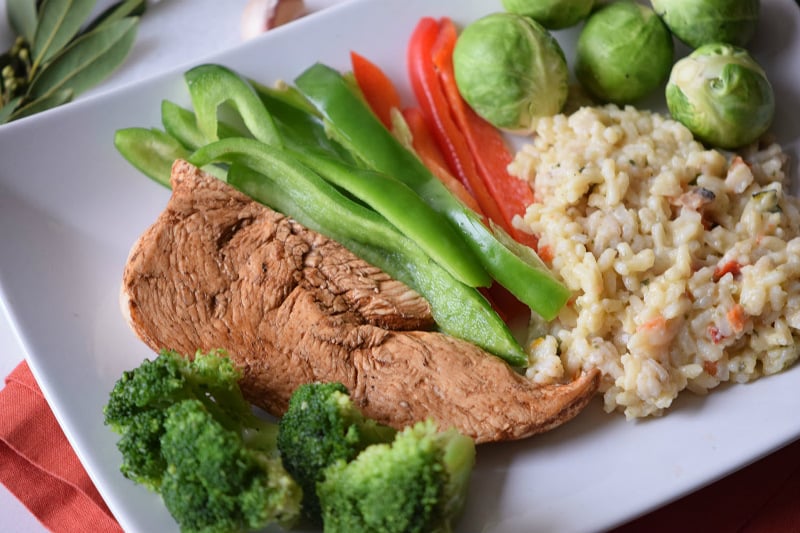
Some dinners arrive at the table wearing tiny edible tuxedos. Chicken paprika bake is not one of them. This is unapologetic comfort food: juicy chicken, tender onions and bell peppers, a deeply seasoned paprika sauce, and enough creamy pan juices to justify a heroic pile of mashed potatoes.
The recipe borrows its warm pepper flavor and sour cream finish from chicken paprikash, but it takes a decidedly weeknight-friendly route. Instead of monitoring a simmering pot, you arrange everything in a baking dish and let the oven handle the heavy lifting. The result is an easy chicken dinner with the character of a slow-cooked meal and the cleanup requirements of someone who has better things to do.
Bone-in chicken thighs are especially well suited to this method because they remain juicy during high-temperature roasting. A wet rub made with oil, garlic and paprika clings to the meat, while the drippings season the vegetables and sauce underneath. Similar oven-baked chicken techniques are used by major American cooking publications because they provide strong browning, concentrated flavor and minimal cleanup.
What Is Chicken Paprika Bake?
Chicken paprika bake is an oven-cooked dish featuring chicken seasoned generously with paprika and roasted over onions, peppers and a small amount of broth. Once the chicken is cooked, sour cream is blended into the paprika-rich pan juices to produce a smooth, tangy sauce.
It is important to call this recipe what it is: a convenient baked dinner inspired by the flavors of Hungarian chicken paprikash, not a claim of strict authenticity. Traditional paprikash commonly combines chicken, onions, paprika and liquid in a covered pan before finishing the sauce with sour cream. It is often served with noodles, potatoes, spaetzle or dumplings.
This oven version keeps that appealing flavor combination while creating crispier chicken and roasted vegetables. Think of it as paprikash’s relaxed American cousinthe one who owns a casserole dish, wears comfortable shoes and refuses to wash four pans on a Tuesday.
Choosing the Best Paprika
The paprika is not decorative confetti in this recipe. It is the lead singer, so use a jar that still has a noticeable peppery aroma when opened.
Sweet Hungarian Paprika
Sweet Hungarian paprika provides a warm red color, mild sweetness and a fuller pepper flavor than basic supermarket paprika. It is the best choice when you want the bake to lean toward traditional paprikash flavors without becoming spicy.
Smoked Paprika
Smoked Spanish paprika, often labeled pimentón, adds a woodsy, barbecue-like quality. It is considerably more assertive, so this recipe uses only a small amount alongside sweet paprika. Using nothing but smoked paprika can make the sauce taste as though the chicken spent summer vacation inside a chimney.
Hot Paprika
Hot paprika brings genuine chile heat. Add a quarter to half teaspoon for a gentle kick, or serve red pepper flakes at the table. Paprika varieties range from mild and sweet to smoky or hot depending on the peppers and processing method, so checking the package matters more than judging the powder by color alone.
Easy Chicken Paprika Bake Recipe
Prep time: 20 minutes
Cooking time: 40–50 minutes
Total time: About 1 hour 10 minutes
Yield: 6 servings
Ingredients
- 6 large bone-in, skin-on chicken thighs, about 3 pounds
- 2 tablespoons olive oil, divided
- 2 tablespoons sweet Hungarian paprika
- 1 teaspoon smoked paprika
- 1 teaspoon garlic powder
- 1 1/2 teaspoons kosher salt, divided
- 1/2 teaspoon freshly ground black pepper
- 1 large yellow onion, thinly sliced
- 1 red bell pepper, sliced
- 3 garlic cloves, finely chopped
- 1 tablespoon tomato paste
- 1 cup low-sodium chicken broth
- 1 teaspoon Worcestershire sauce, optional
- 3/4 cup full-fat sour cream, at room temperature
- 1 teaspoon cornstarch, optional
- 1 tablespoon fresh lemon juice
- 2 tablespoons chopped fresh parsley or dill
Instructions
- Heat the oven. Position a rack in the center and preheat the oven to 425°F. Lightly coat a 9-by-13-inch baking dish with 1 teaspoon of the olive oil.
- Dry the chicken. Pat the chicken thighs thoroughly with paper towels. Removing surface moisture helps the skin brown instead of steaming.
- Make the paprika rub. In a small bowl, combine 1 tablespoon olive oil, 1 tablespoon sweet paprika, the smoked paprika, garlic powder, 1 teaspoon salt and the black pepper. Rub the mixture over the top and sides of the chicken.
- Build the vegetable layer. Add the onion, bell pepper and chopped garlic to the baking dish. Toss with the remaining olive oil and 1/2 teaspoon salt. Spread the vegetables into an even layer.
- Prepare the baking liquid. Whisk the tomato paste, remaining tablespoon of sweet paprika, chicken broth and optional Worcestershire sauce together. Pour the mixture around the vegetables.
- Arrange the chicken. Place the thighs skin-side up over the vegetables. Keep the skin above the liquid so it can roast and brown.
- Bake. Roast uncovered for 40 to 50 minutes, depending on the size of the thighs. Rotate the dish once if your oven browns unevenly. The chicken is safe when a thermometer inserted into the thickest portion, without touching bone, registers at least 165°F. Do not rely only on color or clear juices to determine doneness.
- Rest the chicken. Transfer the cooked thighs to a clean plate and let them rest while you finish the sauce.
- Temper the sour cream. Place the sour cream in a bowl. Whisk in about 1/2 cup of hot pan liquid, adding it gradually. Stir this mixture back into the baking dish. Adding the sour cream gently rather than boiling it aggressively helps keep the sauce smooth.
- Adjust the consistency. For a thicker sauce, mix the cornstarch with 1 tablespoon cold water and stir it into the dish. Return the sauce to the oven for 3 to 5 minutes, or transfer it to a saucepan and simmer briefly over low heat.
- Finish and serve. Stir in the lemon juice. Taste and add more salt, pepper or paprika as needed. Return the chicken to the sauce and garnish with parsley or dill.
Why This Baked Paprika Chicken Works
The Chicken Roasts Above the Sauce
Submerging the thighs would produce soft skin. Keeping the chicken elevated on the onion and pepper mixture exposes the top to dry oven heat while allowing the underside to absorb flavor from the sauce.
The vegetables also act as a delicious roasting rack. As the onions soften, they release sweetness and body into the cooking liquid. The bell pepper reinforces the paprika’s natural red-pepper character without making the dish overly sweet.
Oil Helps Carry the Spices
Mixing paprika with oil distributes the seasoning evenly and helps it adhere to the chicken. Paprika develops deeper flavor when warmed in fat, although it can become unpleasantly bitter if scorched. Combining part of it with the rub and part with broth gives the dish both roasted spice flavor and a fresher paprika note in the sauce.
Sour Cream Is Added at the End
Sour cream supplies richness and a pleasant tang, but intense heat can cause it to separate. Tempering it with hot liquid and stirring it in after the chicken has finished baking creates a creamier sauce. Full-fat sour cream is more forgiving than reduced-fat varieties.
Ingredient Substitutions and Variations
Boneless Chicken Thighs
Boneless, skinless thighs cook more quickly. Begin checking them after about 20 minutes. They will not produce crisp skin, but they remain flavorful and are easier to cut into bite-size portions for children or meal-prep containers.
Chicken Breasts
Use four medium boneless chicken breasts of similar thickness. Very large breasts should be sliced horizontally or lightly pounded so they cook evenly. Start checking for doneness after 20 to 25 minutes, since lean breast meat has a narrower window between juicy and suspiciously similar to office stationery.
Add Potatoes
Cut one pound of baby potatoes into small halves and roast them for 15 minutes before adding the remaining ingredients. Large potato pieces may still be firm when the chicken is ready, which is an awkward surprise for everyone involved.
Add More Vegetables
Mushrooms, carrots and Brussels sprouts are all suitable additions. Firm vegetables should be cut small or given a head start. Quick-cooking vegetables such as spinach can be stirred into the hot sauce after baking.
Make It Dairy-Free
Leave out the sour cream and reduce the broth slightly for a lighter paprika pan sauce. An unsweetened dairy-free sour cream can also work, although texture and tang vary significantly among brands.
What to Serve With Chicken Paprika Bake
The creamy paprika sauce needs a side dish capable of soaking it up. Buttered egg noodles are a natural choice, while mashed potatoes turn the meal into full-strength comfort food. Steamed rice, spaetzle, polenta and crusty bread also work beautifully.
For contrast, add a crisp cucumber salad, roasted green beans or lightly dressed cabbage. The sauce is rich, so a fresh vegetable side keeps the plate balanced without making dinner feel like a punishment issued by the salad department.
Common Mistakes to Avoid
Using Old Paprika
If the spice smells mostly like dust, it will contribute color but little flavor. Fresh, good-quality paprika is particularly important in dishes where it is the primary seasoning.
Covering the Baking Dish
A tight cover traps steam and prevents the chicken from browning. Bake uncovered unless the skin becomes too dark, in which case loosely shield the chicken with foil near the end.
Crowding the Chicken
Arrange the thighs in one layer with a little breathing room. Overlapping pieces cook unevenly and create extra steam.
Washing Raw Chicken
Do not rinse raw poultry. Splashing water can spread bacteria around the sink and nearby surfaces. Keep raw chicken separate from ready-to-eat foods, wash hands and utensils thoroughly, and never return cooked chicken to a plate that previously held it raw unless that plate has been washed.
Boiling the Finished Cream Sauce
Once the sour cream has been added, use gentle heat. A raging boil is not a cooking technique here; it is a dairy separation ceremony.
Storing and Reheating Leftovers
Refrigerate leftovers in a covered container within two hours of cooking. For the best texture, store the chicken and sauce together so the meat remains moist. Properly refrigerated leftovers are generally best used within three to four days, and reheated leftovers should reach 165°F.
Reheat individual portions gently in the microwave at reduced power, stirring the sauce occasionally. For several servings, place the chicken and sauce in a covered baking dish and warm at 325°F until heated through. Add a splash of broth if the sauce has thickened overnight.
The finished dish can be frozen, although sour cream sauces sometimes become slightly grainy after thawing. For better results, freeze the cooked chicken and paprika pan juices before adding the sour cream. Thaw in the refrigerator, reheat thoroughly and finish with fresh sour cream.
Kitchen Experiences From Making Chicken Paprika Bake
The first useful lesson from testing a chicken paprika bake is that paprika is not one predictable ingredient. During one batch, a generous spoonful of smoked paprika produced a sauce so intensely smoky that it tasted as though the baking dish had been rescued from a campfire. It was not terrible, but every other ingredient had packed a suitcase and left town.
The next version used mostly sweet Hungarian paprika with just one teaspoon of smoked paprika. That ratio created a rounded pepper flavor without overwhelming the chicken. It also made the importance of smelling spices before using them painfully obvious. One forgotten jar from the back of the cabinet looked brilliantly red but contributed almost nothing. Fresh paprika smelled fruity, earthy and warm before it even reached the oven.
Another test involved placing the thighs directly into a deep pool of broth. The meat was tender, but the skin emerged soft and pale. It had the texture of chicken wearing a damp winter coat. Reducing the liquid and keeping the skin above the sauce fixed the problem. The upper surface roasted, the vegetables cooked in the drippings, and the sauce still had enough liquid to spoon over noodles.
The onion layer also proved more important than expected. Thick wedges remained distinct and slightly firm, while thin slices softened into the sauce and helped it feel fuller without requiring much flour or cornstarch. Red bell pepper added color and gentle sweetness, although using two large peppers made the dish taste more like a pepper casserole with a few chicken guests. One medium pepper was the better balance.
The sour cream stage caused the most dramatic failure. Stirring cold sour cream directly into bubbling liquid created small white curds almost immediately. The flavor remained acceptable, but the sauce looked as if it had experienced a stressful morning. Bringing the sour cream closer to room temperature and gradually whisking in hot pan liquid produced a noticeably smoother result.
Serving the bake offered another practical discovery: the side dish matters. Plain rice worked, but broad egg noodles captured more sauce. Mashed potatoes were the crowd favorite because they turned every spoonful into a creamy paprika gravy situation. Crusty bread performed admirably too, particularly when someone volunteered to “clean the dish” and then used half a loaf to do it.
The recipe also improved after resting for about ten minutes. Straight from the oven, the sauce tasted hot and somewhat sharp. After a brief pause, the paprika, chicken juices and sour cream seemed more integrated. The chicken stayed warm, the sauce thickened slightly, and nobody burned the roof of their mouth in a burst of misplaced enthusiasm.
Most importantly, chicken paprika bake proved flexible enough for real life. It survived ingredient substitutions, a late dinner and one occasion when the parsley was forgotten entirely. The dish did not require flawless knife skills or rare equipment. It rewarded a few good habitsdry the chicken, use fresh paprika, check the temperature and temper the sour creamwithout demanding culinary theater.
That is ultimately why the recipe earns a place in the weeknight rotation. It feels richer and more thoughtful than its preparation suggests. The oven does most of the work, the sauce rescues even modest side dishes, and the leftovers inspire genuine enthusiasm rather than the traditional refrigerator stare-down.
Final Thoughts
Chicken paprika bake combines the ease of a one-pan chicken dinner with the deep, comforting flavor of paprika, onions and sour cream. Use fresh sweet paprika as the foundation, keep the chicken skin above the liquid and finish the sauce gently. Follow those three principles and dinner will taste as though you worked considerably harder than you dida culinary outcome worth protecting.
Note: This original recipe and article synthesize established cooking and food-safety guidance from the USDA Food Safety and Inspection Service, FDA, Serious Eats, McCormick, Food Network, The Kitchn, EatingWell, Bon Appétit, Epicurious, Food & Wine and Allrecipes. Recipe proportions, wording, structure and kitchen observations were developed specifically for this article.