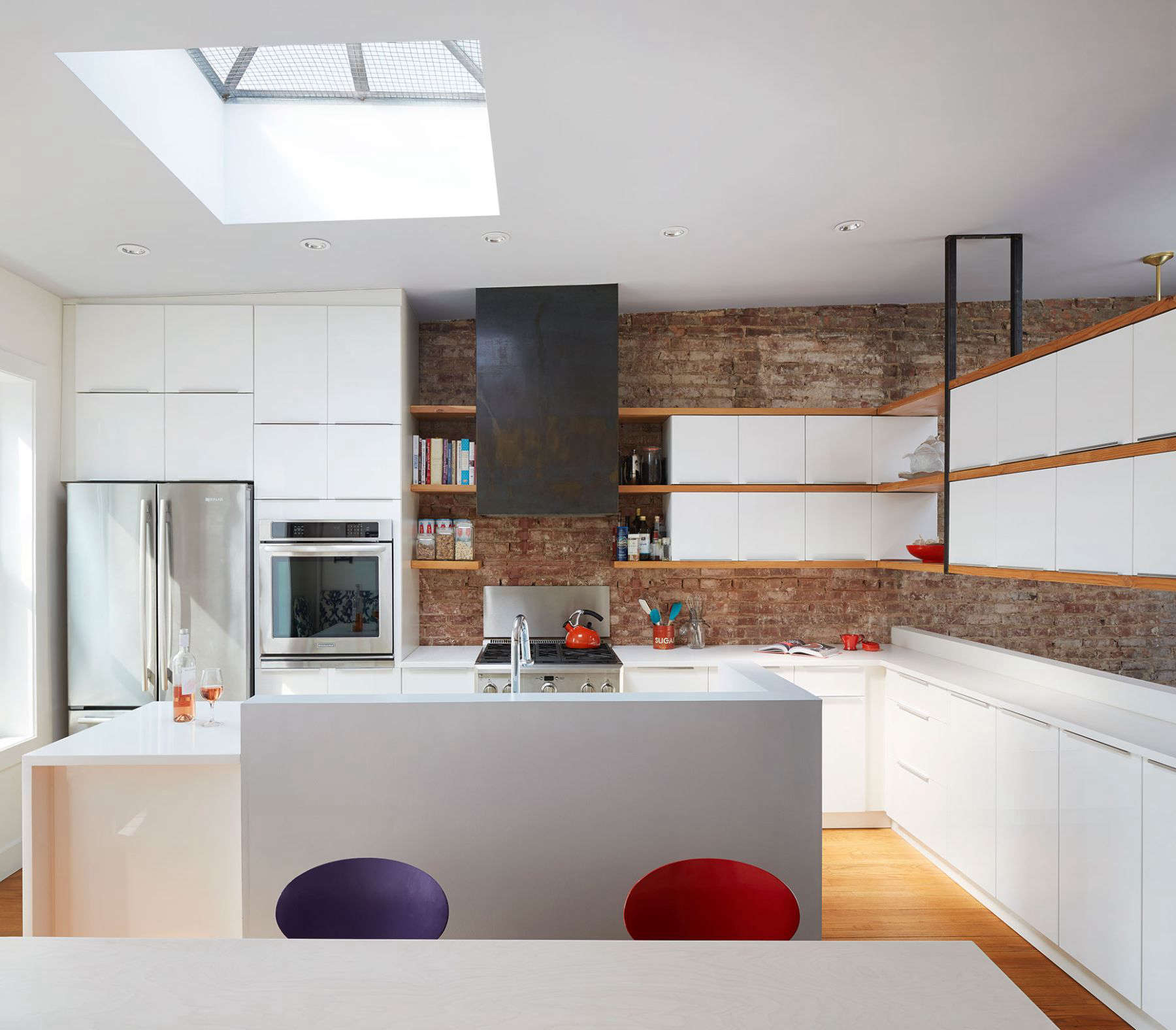
A Crown Heights townhouse is not just a building with stairs, bricks, and the occasional mysterious basement door. It is a piece of Brooklyn history dressed for modern life: part brownstone elegance, part family headquarters, part design puzzle, and part “where exactly do we hide the stroller, bike, air fryer, winter coats, and emotional baggage?”
Located in central Brooklyn, Crown Heights is known for its tree-lined blocks, historic row houses, limestone facades, decorative cornices, stoops, bay windows, and a cultural rhythm that feels unmistakably New York. A Crown Heights townhouse often blends late-19th- and early-20th-century architecture with today’s demand for open kitchens, flexible workspaces, better insulation, restored woodwork, and outdoor areas that make city living feel just a little less like a concrete obstacle course.
Whether you are renovating, decorating, buying, renting, or simply admiring these homes from the sidewalk like a respectful architecture enthusiast, the Crown Heights townhouse offers a rich lesson in how old buildings can adapt without losing their soul. The best examples do not erase history; they edit it carefully, like a great tailor adjusting a vintage coat.
What Makes a Crown Heights Townhouse Special?
The charm of a Crown Heights townhouse begins at the street. Many homes feature raised stoops, iron railings, carved stone trim, tall windows, and facades made of brick, brownstone, or limestone. On some blocks, the houses stand shoulder to shoulder in rhythmic rows, each with enough personality to avoid looking like it was copied and pasted by a bored architect.
Inside, these homes often follow a classic Brooklyn row house layout. A parlor floor may include formal living and dining areas, high ceilings, original moldings, pocket doors, fireplaces, and long sightlines from front to back. Upper floors typically contain bedrooms, while garden levels may function as rental units, guest suites, family rooms, or expanded kitchens. In many renovated townhouses, owners rework these traditional plans to support modern routines while preserving the bones that make the house worth loving in the first place.
A Neighborhood Built on Layers of History
Crown Heights has one of Brooklyn’s most visually layered streetscapes. Its architecture includes brownstones, limestone townhouses, brick row houses, apartment buildings, mansions, religious buildings, and institutional landmarks. The neighborhood’s historic districts highlight a wide range of architectural styles, including Queen Anne, Romanesque Revival, Renaissance Revival, Neo-Grec, Colonial Revival, Beaux-Arts, and Art Deco influences.
That variety matters because a Crown Heights townhouse rarely exists in isolation. It belongs to a block, and that block belongs to a larger story. Walk through Crown Heights North and you may see ornate carved details, rounded bays, patterned brickwork, stained glass transoms, and grand cornices that make even a quick grocery walk feel like an architectural field trip. The neighborhood also sits near major cultural anchors such as the Brooklyn Museum, Brooklyn Botanic Garden, Prospect Park, and Weeksville Heritage Center, giving residents access to both green space and deep community history.
The Classic Exterior: Stoop, Facade, Cornice, and Character
The exterior of a Crown Heights townhouse often carries the strongest first impression. The stoop is more than a staircase; it is a social platform, delivery zone, plant display shelf, neighborhood theater seat, and unofficial weather station. A restored stoop can instantly elevate curb appeal, especially when paired with repaired ironwork, historically appropriate lighting, and planters that look intentional rather than “I rescued this fern from a clearance rack.”
Facade restoration is another major part of townhouse ownership. Brownstone and limestone surfaces may require careful repair, not aggressive patching. Brick may need repointing with compatible mortar. Cornices, lintels, sills, and decorative trim should be maintained with attention to original proportions. In landmarked areas, exterior changes often need review, which can feel slow but helps protect the neighborhood’s visual integrity.
Smart Exterior Updates
Good exterior updates respect the original architecture while improving function. Popular choices include restoring front doors, adding understated house numbers, repairing iron railings, replacing inappropriate windows with historically sympathetic options, and improving drainage around the areaway. A townhouse can look polished without looking over-designed. In Brooklyn, trying too hard is almost as risky as ignoring the cornice entirely.
Interior Layout: Old Bones, New Flow
The interior of a Crown Heights townhouse usually rewards thoughtful planning. These homes were built for a different era, when rooms were more separated and kitchens were often tucked away from formal entertaining spaces. Today, many homeowners want better flow between kitchen, dining, and living areas. The key is to open the layout strategically, not bulldoze every wall in the name of “modern living.”
A successful renovation begins by identifying what should stay. Original staircases, mantels, ceiling medallions, moldings, plaster details, pocket doors, and wood floors add value and character. Removing them can make a historic townhouse feel generic. The goal is balance: modern convenience with enough original detail to remind everyone that the house had a life before recessed lighting arrived.
Parlor Floor Possibilities
The parlor floor is often the showpiece. In many Crown Heights townhouses, this level offers high ceilings, generous windows, and elegant proportions. It can become a formal living room, library, dining space, music room, or open entertaining zone. Some owners place the kitchen on this level to create a dramatic central gathering space. Others preserve a more traditional layout and keep cooking functions at the garden level.
Neither approach is automatically better. A parlor-level kitchen can feel bright and social, especially for families who entertain often. A garden-level kitchen may connect more easily to the backyard, making outdoor dining and summer grilling simpler. The best decision depends on lifestyle, budget, light, plumbing, and how many stairs you are willing to climb with groceries.
Kitchen Design for a Crown Heights Townhouse
A townhouse kitchen should feel hardworking without looking like a commercial prep station wandered in from a restaurant. In Crown Heights homes, kitchens often succeed when they combine clean modern lines with warm materials. Think wood cabinetry, stone or quartz counters, handmade tile, open shelving used sparingly, and lighting that flatters both the room and the person making pancakes at 7:12 a.m.
Because townhouses are narrow, layout matters. A galley kitchen can be incredibly efficient when designed with deep drawers, integrated appliances, vertical storage, and good task lighting. An L-shaped or U-shaped kitchen may work in wider extensions or rear additions. If the home includes a back garden, large doors or windows can connect the kitchen to outdoor space and make the entire floor feel larger.
Practical Kitchen Ideas
Use panel-ready appliances when visual calm matters. Choose durable countertops for daily cooking. Add outlets exactly where small appliances will live, not where they looked cute on a plan. Consider a pantry wall if the house lacks closets. Most importantly, avoid designing only for dinner parties. A beautiful kitchen must also survive Tuesday leftovers, school snacks, coffee spills, and the occasional ambitious baking project that uses every bowl in the building.
Living Rooms with Light, Texture, and Personality
Light is one of the most valuable design elements in a townhouse. Since many row houses are attached on both sides, natural light usually comes from the front and back. That makes color, mirrors, window treatments, and interior openings especially important. Pale walls can help reflect light, but Crown Heights interiors do not need to be all white to feel bright. Warm neutrals, muted greens, soft terracotta, deep blues, and rich wood tones can all work beautifully.
Texture gives the living room depth. A restored marble mantel, original wood floors, woven rugs, linen curtains, plaster walls, vintage lighting, and modern upholstery can create a layered look. The best townhouse interiors feel collected over time, not ordered in one frantic weekend with a measuring tape and too much espresso.
Bedrooms, Bathrooms, and the Art of Quiet Luxury
Upper floors in a Crown Heights townhouse are often ideal for private rooms. Bedrooms benefit from tall windows, original floors, and architectural details that soften city living. Built-in closets can make a major difference, especially because older homes were not designed for modern wardrobes, sports gear, luggage, and the mysterious category known as “miscellaneous cables.”
Bathrooms should be upgraded carefully. Classic tile, marble accents, brass or polished nickel fixtures, medicine cabinets, heated floors, and glass shower doors can modernize the space while still feeling appropriate. In a historic townhouse, quiet luxury works better than trend overload. A bathroom should not look like it is auditioning for a nightclub.
Garden Level and Backyard Potential
The garden level is one of the most flexible parts of a Crown Heights townhouse. Depending on the home’s configuration, it may serve as a rental apartment, guest suite, den, office, playroom, or casual family space. Because it often connects directly to the backyard, this level can become the relaxed heart of the home.
Backyards in Crown Heights are usually compact, but small does not mean boring. A thoughtful design can include bluestone pavers, raised planting beds, climbing vines, café lighting, privacy fencing, built-in seating, and low-maintenance greenery. Even a narrow backyard can feel like a retreat when it is designed with purpose. Add a table, a few herbs, and one good chair, and suddenly you have an outdoor room instead of a place where forgotten flowerpots go to retire.
Preservation Meets Modern Performance
One of the smartest ways to renovate a Crown Heights townhouse is to improve performance without sacrificing character. Older homes may need updated electrical systems, plumbing, heating, cooling, roofing, insulation, and windows. These upgrades are not always glamorous, but they are the difference between “historic charm” and “why is the third floor a sauna?”
Energy-efficient improvements can include air sealing, better attic insulation, heat pump systems, high-performance windows where appropriate, smart thermostats, and efficient appliances. Moisture management is equally important. Townhouses need proper roof drainage, maintained gutters, sound masonry, and dry cellars. A beautiful interior renovation will not feel so beautiful if water decides to make a guest appearance.
Design Style: How to Decorate a Crown Heights Townhouse
The best design style for a Crown Heights townhouse is not one rigid look. These homes can handle traditional, modern, eclectic, Scandinavian, vintage, contemporary, or layered transitional interiors. What matters is respecting proportion. Tall ceilings can support dramatic lighting. Long rooms need furniture groupings rather than one lonely sofa floating like a confused island. Narrow spaces benefit from slim profiles, wall-mounted storage, and rugs that define zones.
Mixing old and new is especially effective. A vintage dining table can sit under a modern pendant. A restored fireplace can share a room with clean-lined seating. Contemporary art can wake up a formal parlor. The magic happens when contrast feels intentional. Nobody wants a room that looks like a museum, but nobody wants a historic townhouse stripped of all evidence that it has lived through more than one design trend.
Buying or Renovating: What to Consider
Anyone considering a Crown Heights townhouse should look beyond surface beauty. Original details are wonderful, but structure and systems matter more. Before buying or renovating, it is wise to evaluate the roof, facade, foundation, electrical capacity, plumbing lines, boiler or HVAC systems, windows, cellar moisture, and signs of previous unpermitted work.
Budgeting should include both visible and invisible costs. Cabinetry, tile, fixtures, and lighting are easy to imagine. Sewer lines, structural beams, masonry repair, and code compliance are less fun but often more important. A realistic renovation plan includes contingency funds, experienced professionals, and patience. In townhouse projects, surprises are not exceptions; they are practically roommates.
Landmarked Homes Need Extra Planning
If the townhouse sits within a historic district, exterior work may require approvals. This can affect windows, doors, stoops, railings, facade materials, roof additions, and rear extensions visible from public areas. Working with architects and contractors who understand New York City historic preservation rules can save time, money, and many dramatic sighs.
Why Crown Heights Townhouses Remain So Appealing
Crown Heights townhouses appeal because they offer something rare: space, history, architecture, and neighborhood energy in one package. They can support multi-generational living, rental income, creative studios, home offices, entertaining, gardening, and quiet domestic routines. Their flexibility makes them especially valuable in a city where square footage is often treated like buried treasure.
They also offer emotional appeal. A townhouse has a front door that belongs to you, a stair that remembers decades of footsteps, and rooms that can evolve with a household. In a world of quick renovations and disposable trends, a Crown Heights townhouse invites slower thinking. It asks owners to preserve, adapt, repair, and personalize rather than simply replace.
Experience Notes: Living With the Idea of a Crown Heights Townhouse
Spending time around Crown Heights townhouses teaches you that these homes are not passive backdrops. They shape daily life. The stoop changes how you interact with the street. You may wave to neighbors, watch kids pass by after school, receive packages, or pause with coffee while the block wakes up. In many apartment buildings, you move from private space to public space through a hallway and elevator. In a townhouse, the transition is more theatrical. You open the door, step onto the stoop, and there you are: part of Brooklyn’s daily performance.
Inside, the experience is equally specific. A Crown Heights townhouse can feel grand and intimate at the same time. The parlor floor might host a dinner party, a birthday cake, or a quiet evening with music. Upstairs, bedrooms feel tucked away from the street. The garden level can become the place where life gets casual: shoes by the door, laundry humming, someone looking for tape, someone else asking what happened to the good scissors. The house supports both the polished and the practical, which is exactly what a real home should do.
Renovating or decorating one of these homes also changes how you think about design. You learn quickly that not everything needs to be new. A scratched floor may be worth refinishing instead of replacing. A mantel may become the room’s anchor. Old plaster walls may have more character than perfect drywall. Even awkward corners can become useful with built-ins, shelves, or a small desk. The house encourages creativity because it rarely gives you a blank box. It gives you history, quirks, constraints, and opportunities.
There is also a rhythm to townhouse living that feels different from apartment living. Stairs become part of the day. Light changes dramatically from front to back. The backyard, even if tiny, becomes a seasonal luxury. In spring, it may hold planters and hopeful herbs. In summer, it becomes dinner space. In fall, it fills with leaves. In winter, it becomes a view from the kitchen window and a promise that warmer weather will return.
The most memorable Crown Heights townhouse experience is the sense of continuity. You are not just using space; you are becoming part of a long chain of people who have cooked, repaired, celebrated, argued, rested, and dreamed inside those walls. The best owners understand that stewardship is part of the privilege. You can update the kitchen, improve the bathrooms, add better lighting, and make the home work for modern life. But the real success is keeping the spirit intact. A Crown Heights townhouse should feel refreshed, not erased.
Conclusion
A Crown Heights townhouse is one of Brooklyn’s most compelling residential forms because it combines architectural beauty, neighborhood history, flexible living space, and long-term design potential. From stoops and cornices to parlor floors and garden-level kitchens, these homes reward thoughtful care. The strongest renovations preserve original character while adding comfort, efficiency, and everyday usefulness. Done well, a Crown Heights townhouse becomes more than a stylish property; it becomes a living conversation between past and present, with better lighting and hopefully fewer mystery leaks.
Note: This article is written for web publication and synthesizes real information from public architecture, preservation, neighborhood, and renovation knowledge related to Crown Heights townhouses.