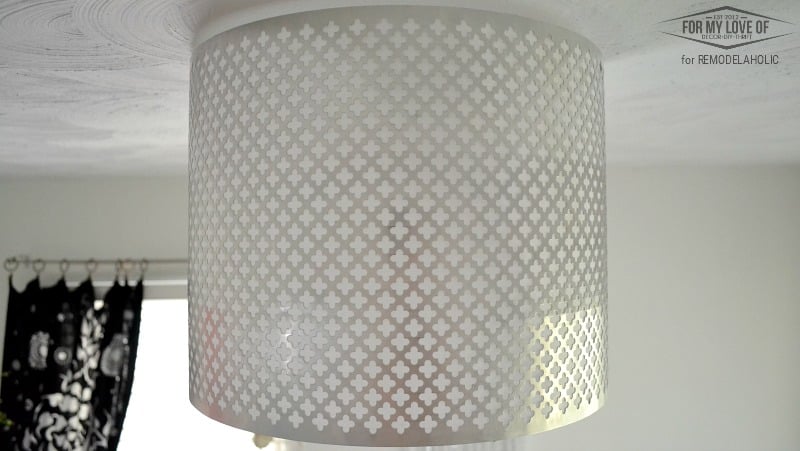
A decorative punched metal ceiling light shade is one of those small design upgrades that can make a room look as though it has finally gotten its life together. Instead of simply covering a bulb, a punched metal shade turns light into part of the décor. Tiny holes, cutouts, and patterned perforations scatter light across walls and ceilings, creating texture, warmth, and a little bit of everyday theater.
These shades work beautifully in farmhouse kitchens, modern entryways, rustic bedrooms, industrial lofts, bohemian dining rooms, and even bathrooms with the right fixture rating. Whether the pattern is made of stars, flowers, diamonds, latticework, or clean geometric dots, a punched metal ceiling light shade can add personality without demanding that every other item in the room wear a costume.
Unlike a plain glass globe or fabric drum shade, punched metal has presence even when the light is switched off. During the day, it acts like a sculptural ceiling detail. At night, it becomes a mood-maker. That is a pretty impressive résumé for something that mostly hangs around overhead.
What Is a Decorative Punched Metal Ceiling Light Shade?
A decorative punched metal ceiling light shade is a metal cover or enclosure with intentionally placed perforations, holes, or cutout patterns. It may be used on pendant lights, semi-flush mounts, flush-mount ceiling fixtures, chandeliers, lantern-style lights, or custom ceiling lamps.
The shade can be made from tin, steel, brass, aluminum, iron, or another metal alloy. Some designs are hand-punched, while others are machine-perforated for more consistent patterns. The metal may be painted, powder-coated, brushed, antiqued, galvanized, distressed, polished, or left with a natural finish.
Punched metal lighting has historic roots in tin lanterns and traditional metalwork, where small holes allowed light to shine through while protecting the flame inside. Today’s versions use electric fixtures and LED bulbs, but they still carry some of that old-world charm. The result is a blend of practical lighting, craftsmanship, and shadow play.
Why Choose a Punched Metal Ceiling Light Shade?
It Adds Texture Without Adding Clutter
Many rooms need visual interest, but not another shelf full of tiny decorative objects collecting dust and judging you. A punched metal shade introduces texture overhead, where it can make an impact without taking up valuable table, counter, or floor space.
Black punched metal looks bold against white ceilings. Aged brass adds warmth to neutral rooms. Galvanized finishes suit rustic and farmhouse interiors. White or cream shades can soften the look while still producing subtle shadows.
It Creates Patterned Light
The biggest appeal of a decorative punched metal light shade is what happens when the fixture is illuminated. Depending on the hole size and pattern, the shade can cast dots, stars, floral shapes, or soft speckles across nearby surfaces.
This effect is especially appealing in hallways, powder rooms, bedrooms, foyers, reading corners, and dining spaces. In a large kitchen where task lighting is the priority, a punched shade can still work well when paired with brighter under-cabinet lighting or recessed lights.
It Works With Many Interior Styles
Punched metal is more flexible than it sounds. It can lean rustic, traditional, industrial, modern, vintage, Southwestern, bohemian, or transitional depending on the shape, finish, and pattern.
- Farmhouse: Choose distressed white, black, galvanized metal, or antique bronze with star or floral cutouts.
- Industrial: Use matte black steel, dark bronze, or raw metal with circular perforations and clean lines.
- Modern: Look for minimal drum shades, geometric cutouts, and smooth finishes in black, white, brass, or brushed nickel.
- Vintage: Select embossed tin, aged brass, scalloped edges, or old-fashioned lantern silhouettes.
- Bohemian: Try Moroccan-inspired patterns, pierced brass, warm bulbs, and layered textures such as wood, rattan, or linen.
Popular Decorative Punched Metal Shade Designs
Star-Punched Metal Shades
Star patterns are especially popular in rustic, country, cabin, and Americana-inspired interiors. A star-punched ceiling light can feel charming rather than overly themed when it is balanced with simple furniture and natural materials. The key is restraint. One star fixture says “cozy farmhouse.” Seven star fixtures may suggest that the room is preparing for a Western movie premiere.
Floral and Botanical Patterns
Floral punched metal shades soften the look of a hard material. They are useful in bedrooms, breakfast nooks, entryways, and powder rooms where a little decorative romance is welcome. A floral pattern can look traditional in antique brass or unexpectedly modern in matte black.
Geometric Perforations
Geometric patterns are ideal for contemporary spaces. Think circles, diamonds, hexagons, vertical slots, grids, and repeating abstract shapes. These designs often create crisp shadow patterns and pair well with streamlined cabinetry, concrete surfaces, neutral paint, and minimal furniture.
Moroccan-Inspired Pierced Metal
Moroccan-style ceiling light shades often feature intricate perforations that create dramatic, lace-like shadows. These fixtures can become the focal point of a room, especially in a dining area, bedroom, or entryway. Because the pattern is visually busy, keep surrounding décor relatively calm so the fixture has room to shine instead of competing with every throw pillow in the building.
How to Choose the Right Ceiling Light Shade
Start With the Fixture Type
Before falling in love with a shade, confirm whether it is designed for your fixture. Decorative punched metal shades may fit pendant lights, flush mounts, semi-flush mounts, sconces, chandeliers, or custom sockets. Check the mounting style, fitter size, bulb clearance, and maximum wattage listed by the manufacturer.
A pendant shade is usually suspended from a cord, chain, or downrod. A flush-mount shade sits close to the ceiling and works well in lower rooms. Semi-flush fixtures drop slightly below the ceiling, giving the shade more visual presence while avoiding the head-bumping potential of a low pendant.
Consider Ceiling Height
Ceiling height matters more than many homeowners expect. In rooms with standard or lower ceilings, a flush-mount or semi-flush punched metal fixture is usually the safer choice. It delivers decorative impact without making the room feel crowded.
In rooms with taller ceilings, pendants and lantern-style fixtures can create drama and help visually connect the ceiling with the furniture below. Over a dining table or kitchen island, the shade should hang low enough to feel intentional but high enough to preserve clear sight lines.
Match the Scale to the Room
A light fixture that is too small can disappear like a timid extra in a sitcom. One that is too large can dominate the room before anyone notices the furniture. Measure the room, table, island, or hallway before shopping.
For a compact hallway or powder room, a small punched metal flush mount may be enough. For a kitchen island, several mini pendants may provide better light distribution than one oversized fixture. For a dining table, a larger drum shade, dome pendant, or grouped cluster can create a stronger focal point.
Choose the Right Finish
The finish of the shade affects both style and maintenance. Matte black is versatile and hides fingerprints well. Antique bronze brings warmth and looks especially good with wood tones. Brass can feel elegant, vintage, or modern depending on the silhouette. Galvanized metal works naturally with farmhouse and industrial décor.
You do not need to match every metal finish in the room perfectly. In fact, a little contrast can make the space feel more collected. A black punched metal pendant can look excellent in a kitchen with brass cabinet pulls, as long as the combination feels deliberate rather than accidental.
Light Output, Bulbs, and Color Temperature
A punched metal shade is decorative, but it also affects how light travels. Small perforations create more dramatic patterns but may reduce the amount of direct light escaping the fixture. Larger holes allow more light through but produce a less detailed shadow effect.
For ambient lighting, choose a warm LED bulb around 2700K to 3000K. This creates a cozy glow that works well in bedrooms, dining rooms, hallways, and living spaces. For kitchens, laundry rooms, or work areas, a brighter neutral white bulb around 3000K to 4000K can provide better visibility.
LED bulbs are usually the most practical choice because they use less energy than traditional incandescent bulbs and produce less heat. That matters when a bulb is enclosed by metal. Always follow the fixture’s stated maximum wattage and bulb recommendations. A decorative shade should never become an accidental tiny furnace.
Dimmable LED bulbs are especially useful with punched metal fixtures. Full brightness can highlight the pattern when guests arrive, while a dimmer setting can create a quieter, more relaxed atmosphere for dinner, movie night, or pretending you are the kind of person who always has dinner parties.
Where Decorative Punched Metal Ceiling Shades Work Best
Entryways and Foyers
An entryway is a perfect place for a decorative ceiling light because it gives visitors an immediate sense of your style. A punched metal semi-flush mount can make a small foyer feel polished and welcoming without requiring a massive chandelier.
Kitchen Islands and Breakfast Nooks
Punched metal pendants can add warmth to kitchens filled with hard surfaces such as stone, tile, stainless steel, and painted cabinetry. Use one larger pendant over a small breakfast table or install two to three coordinated pendants over an island.
Remember that decorative pendant lighting may not provide enough light for chopping vegetables, reading recipes, or discovering that the garlic powder lid was never actually closed. Pair it with recessed lights, under-cabinet fixtures, or other task lighting.
Dining Rooms
A decorative metal ceiling shade can create a memorable dining-room centerpiece. Choose a fixture that complements the table shape. Round shades work naturally with round tables, while elongated or multiple-pendant arrangements work well over rectangular tables.
Bedrooms
Bedrooms benefit from the softer, patterned glow of punched metal. A semi-flush fixture with a floral or geometric pattern can add visual interest while still keeping the room calm. Use warm, dimmable LEDs to create a more restful atmosphere.
Powder Rooms and Hallways
Small spaces are great places to try bolder details. A tiny powder room can handle a dramatic pierced-metal fixture because there are fewer competing design elements. Hallways also benefit from decorative ceiling lighting because a patterned shade makes a pass-through space feel more intentional.
Installation and Safety Tips
Installing a ceiling light shade may be simple when it is designed as a replacement component for an existing fixture, but hardwired fixture installation involves electrical connections and should be handled carefully. Turn off power at the circuit breaker before touching wires or removing an existing light.
Check that the electrical box is properly rated for the weight of the fixture. Follow the manufacturer’s instructions for mounting brackets, wire connections, grounding, bulb type, and shade attachment. If the fixture is heavy, unusually complex, installed on a high ceiling, or connected to questionable old wiring, hiring a licensed electrician is money well spent.
Also consider the room. A bathroom fixture must be rated appropriately for the location and moisture exposure. An indoor decorative pendant should not be treated like outdoor lighting simply because it looks tough enough to survive a Viking ship.
Cleaning and Maintaining a Punched Metal Light Shade
Metal shades are generally easy to maintain, but the tiny perforations can collect dust. Turn off the fixture and let the bulb cool completely before cleaning. Use a soft microfiber cloth, a feather duster, or a small soft brush to remove surface dust.
For fingerprints or light grime, wipe the shade with a barely damp cloth and mild soap if the manufacturer allows it. Dry the surface immediately with a clean cloth. Avoid abrasive pads, harsh chemicals, and metal polish unless the product instructions specifically recommend them. Some finishes have protective coatings that can be damaged by aggressive cleaning.
In kitchens, clean more often because cooking oils can settle on ceiling fixtures over time. A shade near a range may need gentle cleaning every few months, while a bedroom fixture may only need occasional dusting.
Common Mistakes to Avoid
- Choosing a fixture based only on appearance without checking mounting compatibility.
- Using a bulb that exceeds the fixture’s maximum wattage rating.
- Expecting a highly perforated decorative shade to replace all task lighting in a kitchen.
- Hanging pendants too low over walkways, islands, or dining tables.
- Ignoring the fixture’s weight and the rating of the ceiling electrical box.
- Using abrasive cleaners that scratch painted, powder-coated, brass, or antique finishes.
- Adding so many patterns to the room that the ceiling light starts competing with the rug, wallpaper, curtains, and your sanity.
Real-World Experiences With Decorative Punched Metal Ceiling Light Shades
Living with a decorative punched metal ceiling light shade is a little different from simply seeing one in a product photo. In a showroom, the shade may look like a beautiful metal object. At home, once the sun goes down and the light switches on, it becomes part fixture, part atmosphere machine.
One of the first things people notice is how the pattern changes throughout the day. In daylight, a black punched metal shade may look strong and architectural against a pale ceiling. In the evening, the same fixture can produce dozens of tiny points of light that make the room feel softer and more layered. A plain hallway suddenly feels less like a hallway and more like it has been promoted to “intentional design moment.”
In kitchens, homeowners often enjoy the way punched metal pendants bring warmth to practical spaces. White cabinets, quartz counters, stainless appliances, and subway tile can sometimes feel a little too polished. A dark bronze or antique brass shade adds texture and prevents the room from looking like it is waiting for a real-estate photographer. The most successful kitchen setups usually combine decorative pendants with stronger task lighting so the counters remain bright enough for cooking.
Dining rooms are where these shades often feel most dramatic. A metal shade with floral, diamond, or Moroccan-inspired cutouts can create beautiful shadows during dinner. With a dimmable warm LED bulb, the room can shift from bright family-meal territory to cozy late-night conversation territory in seconds. The fixture does not need to be flashy; even a simple drum shape can look special when its perforations create a gentle pattern on the ceiling.
Bedrooms offer a different experience. Instead of using a highly detailed shade that throws sharp light everywhere, many people prefer smaller perforations or a shade lined with another material. This gives the room a softer glow while preserving the decorative effect. A punched metal semi-flush mount can be especially useful in bedrooms with lower ceilings, where a pendant might feel too low or visually heavy.
There is also a practical learning curve. Tiny holes are excellent at making light patterns, but they are equally excellent at collecting dust. The first few cleanings may reveal that every little perforation has quietly adopted a speck of lint. A microfiber cloth, soft brush, or handheld vacuum attachment usually makes the process much easier.
Another common lesson is that bulb selection matters more than expected. A clear LED filament bulb can emphasize the pattern and create a more vintage look, while an opal or frosted LED bulb softens glare. Warm-white bulbs tend to make brass, bronze, and copper finishes look richer, while cooler bulbs can make black or silver finishes feel more modern.
Ultimately, the experience of owning a decorative punched metal ceiling light shade is less about buying a lamp and more about changing the mood of a room. It adds texture in daylight, atmosphere at night, and enough personality to make guests look up and say, “Where did you get that?” That is a lot of work for a ceiling fixture, but fortunately it never asks for weekends off.
Conclusion
A decorative punched metal ceiling light shade is an easy way to bring craftsmanship, texture, and inviting light into a home. It can serve as a subtle supporting detail or a full-on statement piece, depending on the pattern, size, finish, and fixture style you choose.
The best option balances beauty with function. Choose a shade that fits your ceiling height, fixture type, room scale, and lighting needs. Pair it with an efficient LED bulb, use a dimmer where appropriate, and support it with task lighting in work areas. With the right setup, punched metal lighting can transform an ordinary ceiling into one of the most interesting surfaces in the room.